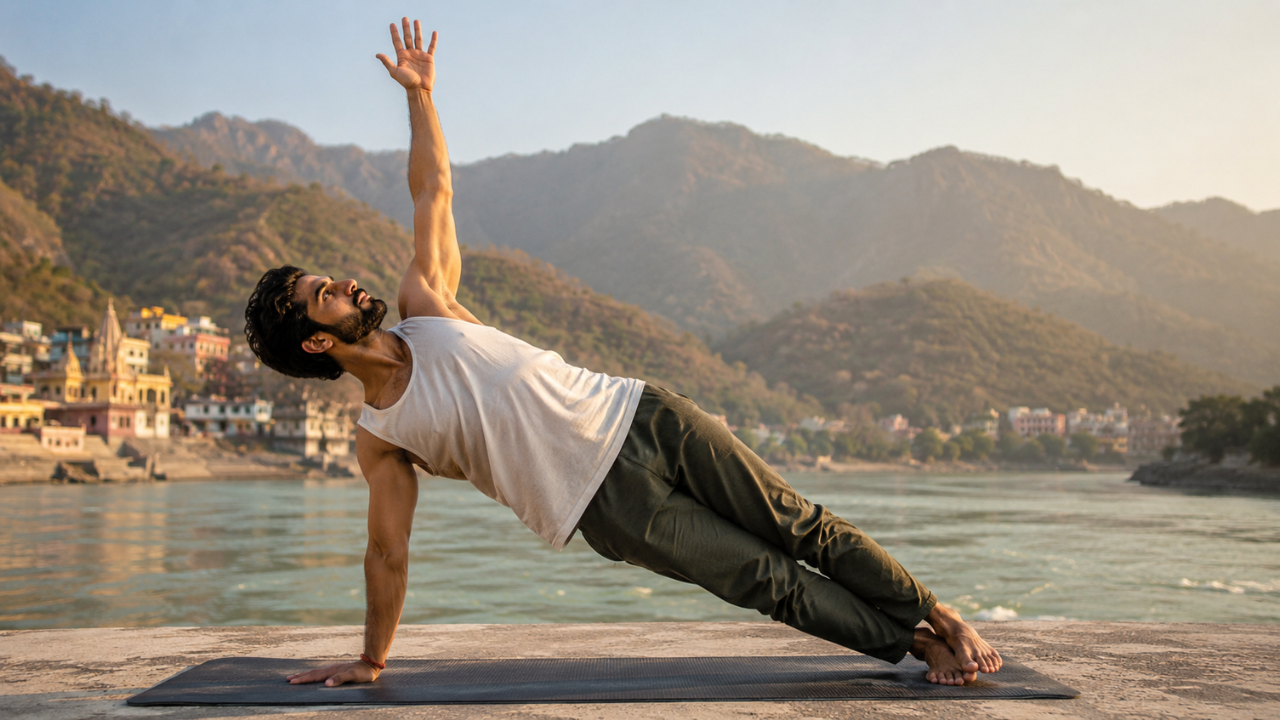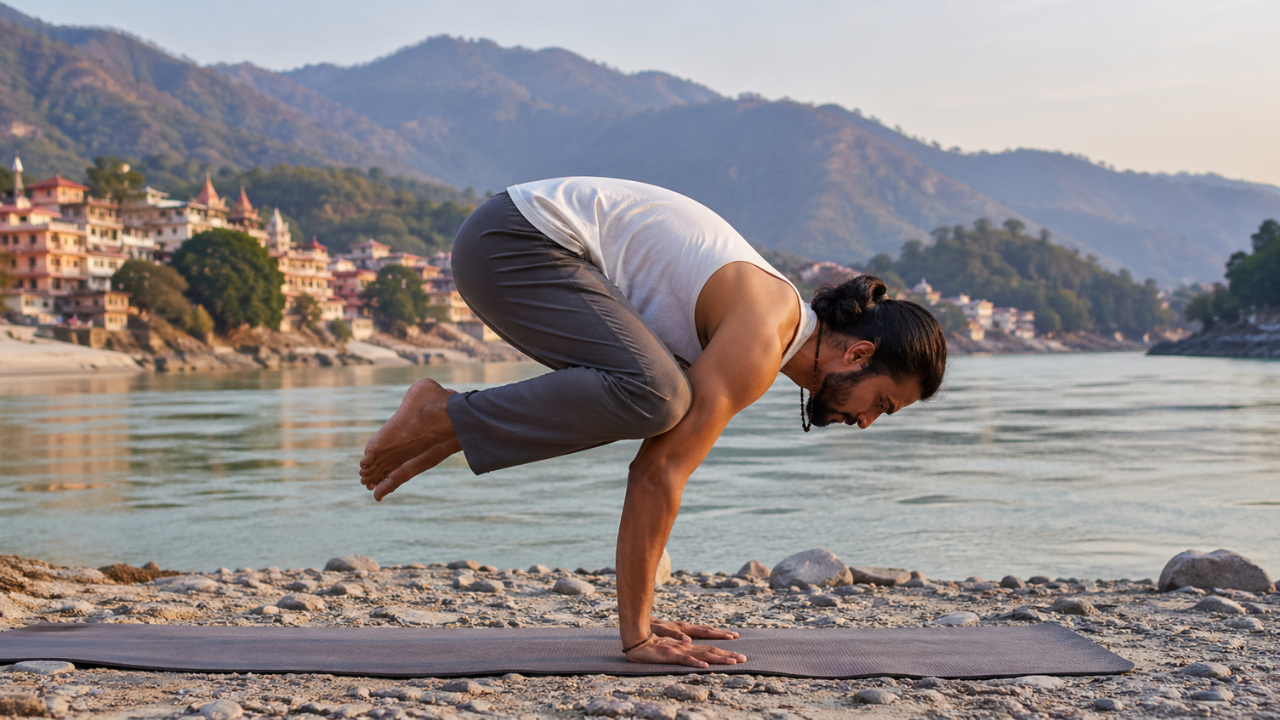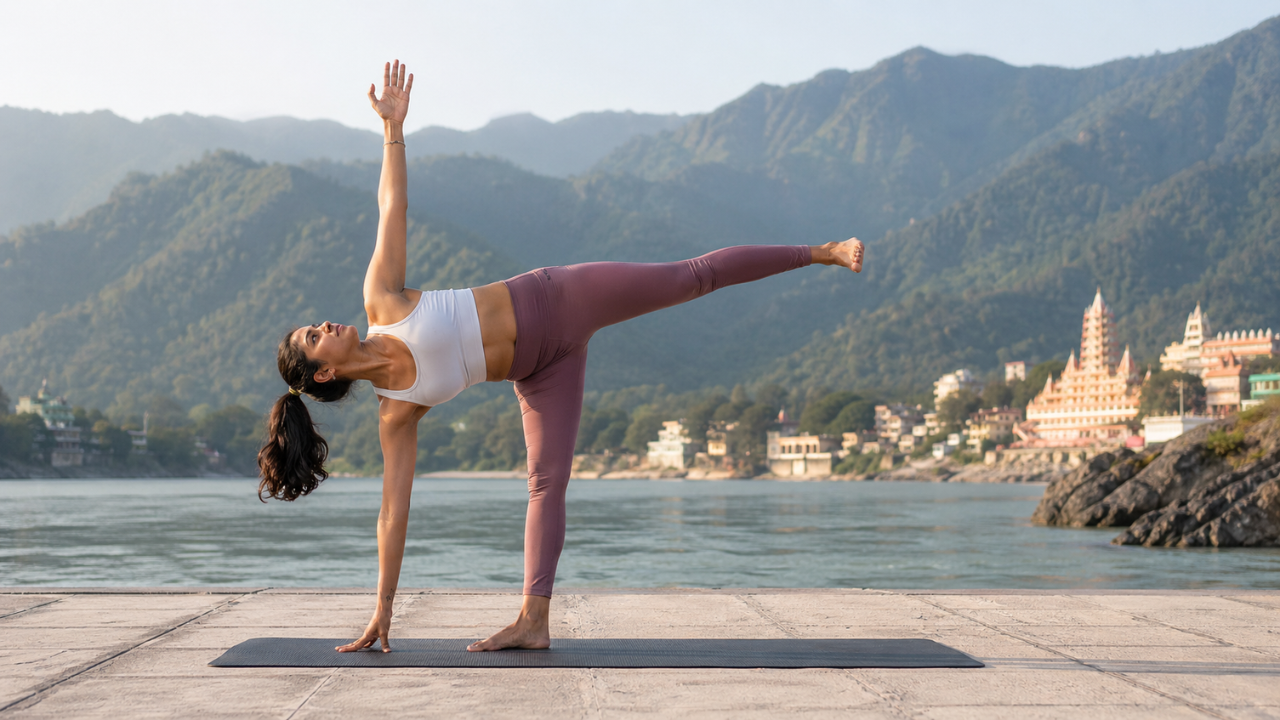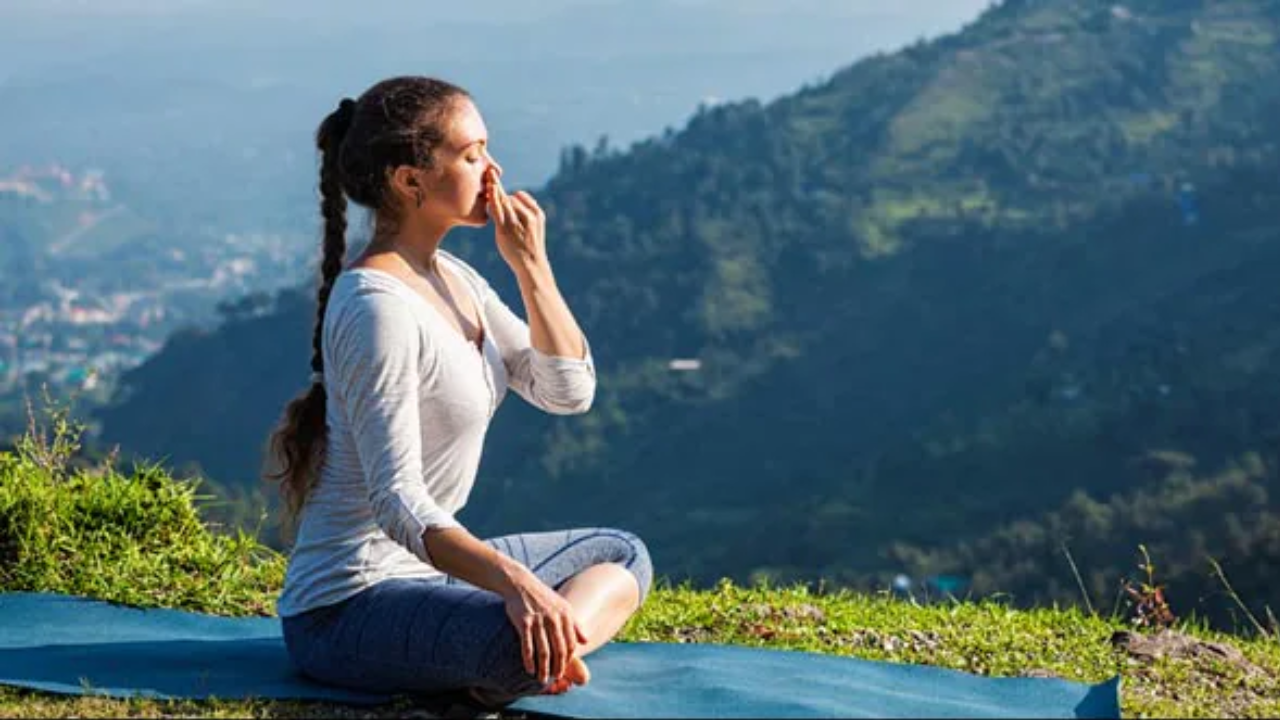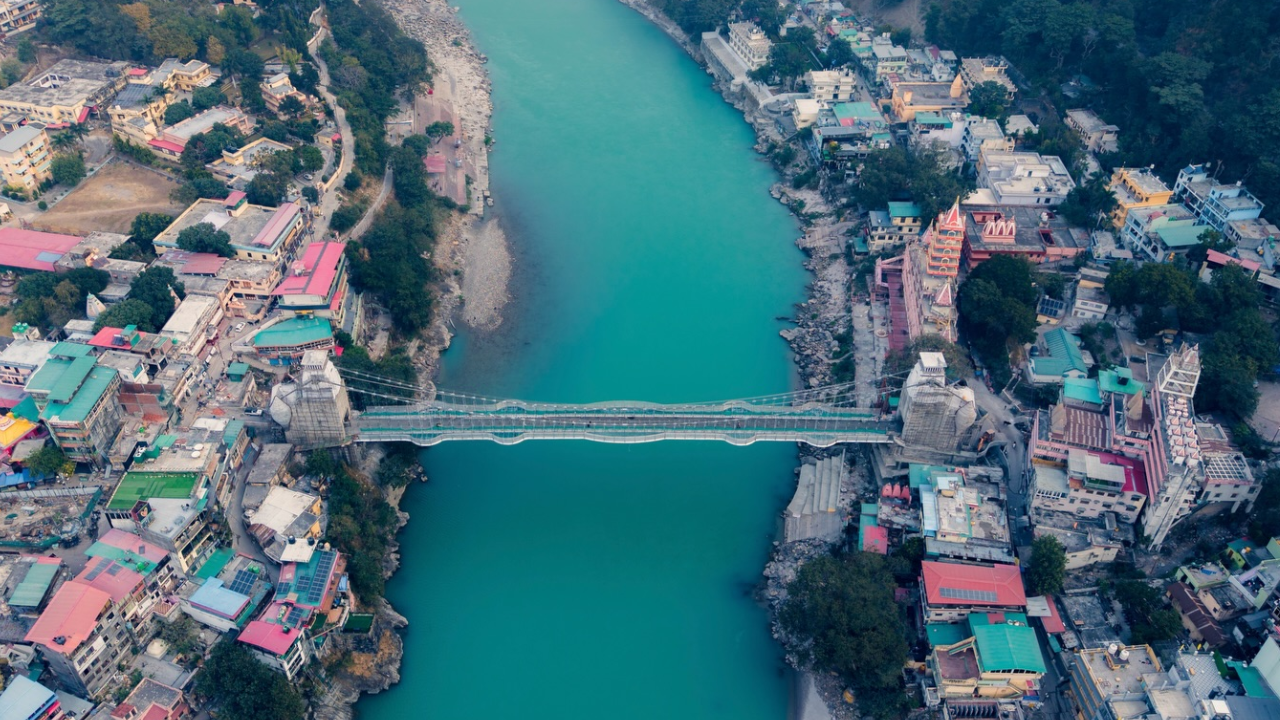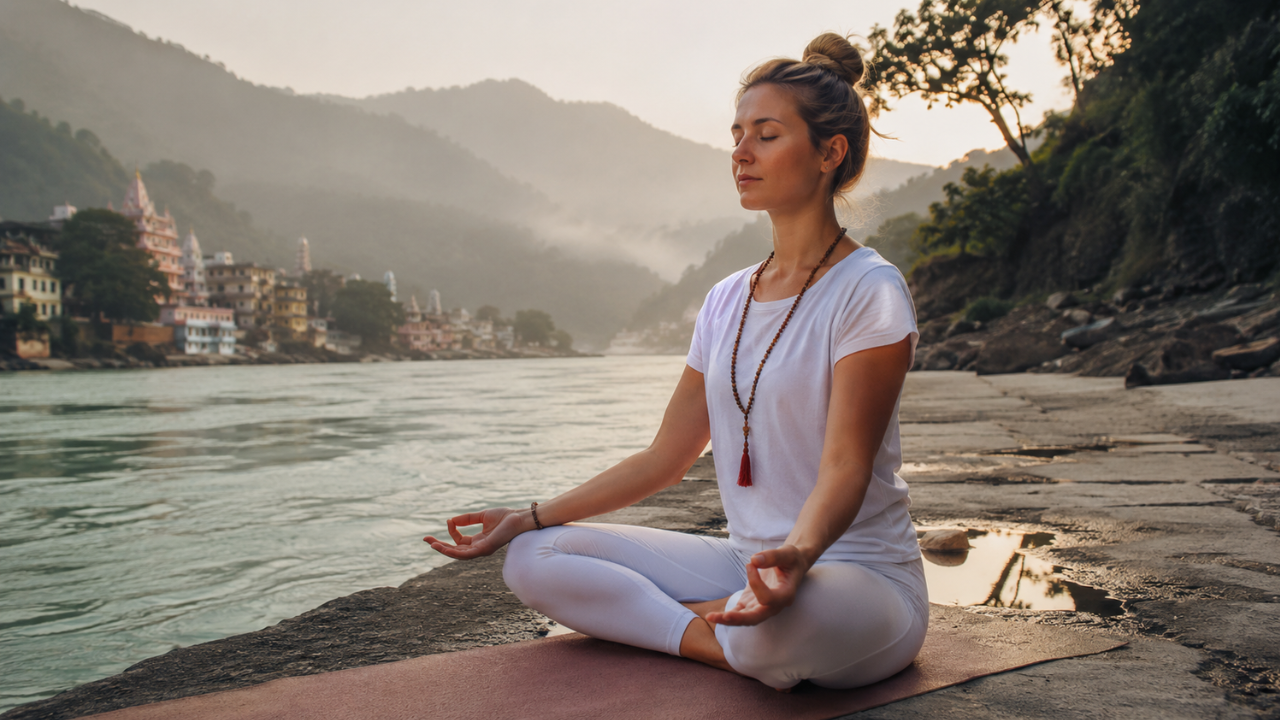
Rishikesh has hundreds of yoga retreats. Some are very good. Some are not. And if you are booking your first retreat — it is easy to get confused or pick the wrong one.
This guide helps you make the right choice. It is simple, honest, and based on what actually matters. Whether you are coming from India or from another country — this 2026 guide gives you a clear plan to find the yoga retreat in Rishikesh that is right for you.
Step 1 – Know What You Want from the Retreat
Before you search for a retreat — ask yourself one question. Why do you want to come? Your answer will help you find the right place.
Different people come to Rishikesh for different reasons. Some want to relax and rest. Some want to learn yoga properly. Some want to heal — physically or mentally. Some want a spiritual experience. Some just want to try yoga for the first time.
- I want to relax and de-stress: Look for a calm retreat with gentle yoga, meditation, and good food. Avoid intensive programs.
- I want to learn yoga properly: Look for structured daily sessions with experienced, certified teachers.
- I want to heal my body: Look for a retreat that includes Ayurveda, therapeutic yoga, or pranayama practice.
- I want a spiritual journey: Look for ashram-style retreats with meditation, satsang, and simple living.
- I am a complete beginner: Look for beginner-friendly retreats with small group sizes and patient teachers.
Once you know your goal — everything else becomes easier. You will know which retreat type to look for and which ones to skip.
Types of Yoga Retreats in Rishikesh
Rishikesh has many different kinds of yoga retreats. Each one is a little different in style, schedule, and what it offers. Here is a simple breakdown.
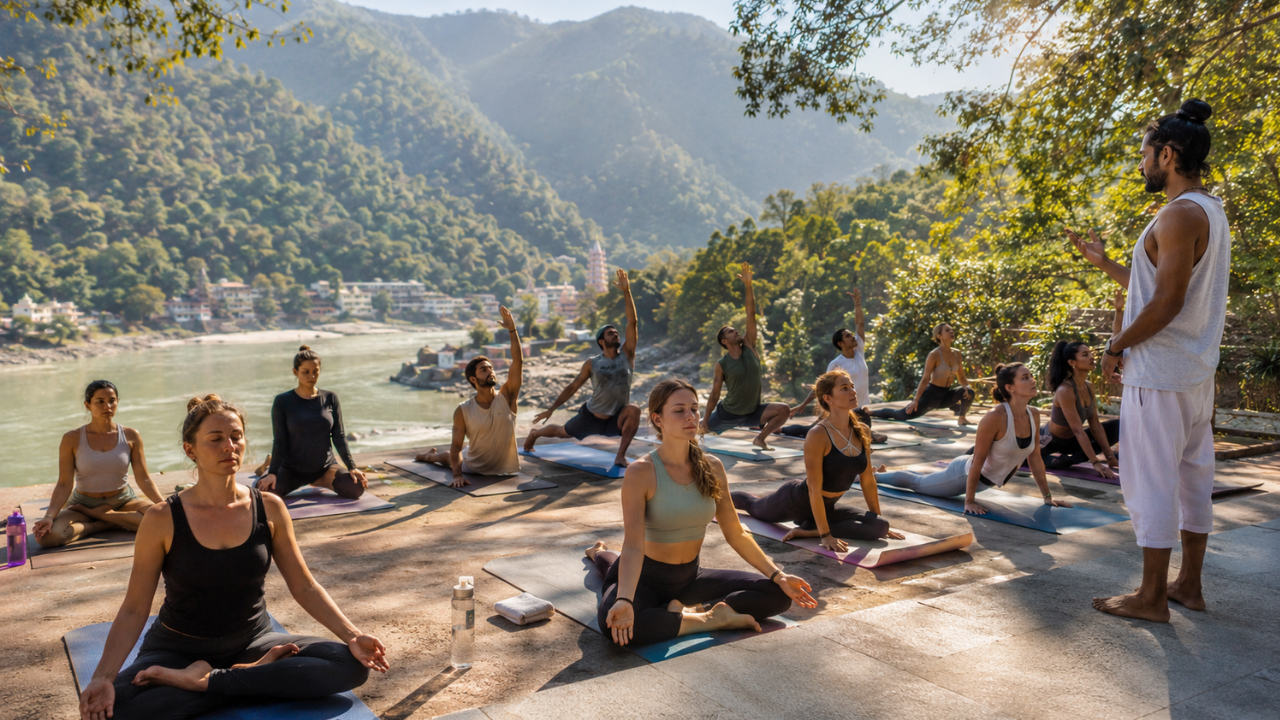
- Hatha Yoga Retreat: Slow, gentle, and very good for beginners. Focuses on basic poses, breathing, and relaxation. Best if you are new to yoga.
- Vinyasa Yoga Retreat: More active and flowing. Each pose connects with breath and movement. Good for people who already practice some yoga.
- Ashtanga Yoga Retreat: Strong and structured. Same set of poses every day in a fixed order. Best for people who like discipline and routine.
- Meditation and Wellness Retreat: Less yoga, more silence and inner work. Includes mindfulness, breathwork, and sometimes Ayurveda. Good for stress and burnout.
- Ashram-Style Retreat: Simple living, spiritual practices, group meals, satsang, and no luxuries. Good for people who want a real traditional experience.
- Luxury Wellness Retreat: Comfortable rooms, spa treatments, good food, small groups. Higher cost but very comfortable. Good for people who want to relax in comfort.
There is no best type. The right type depends on what you are looking for. Match the retreat type with your goal and your current level of yoga practice.
What to Check Before Booking a Yoga Retreat
This is the most important part. Most people skip these checks — and then feel disappointed after booking. Take 10 minutes to check these things before you pay.
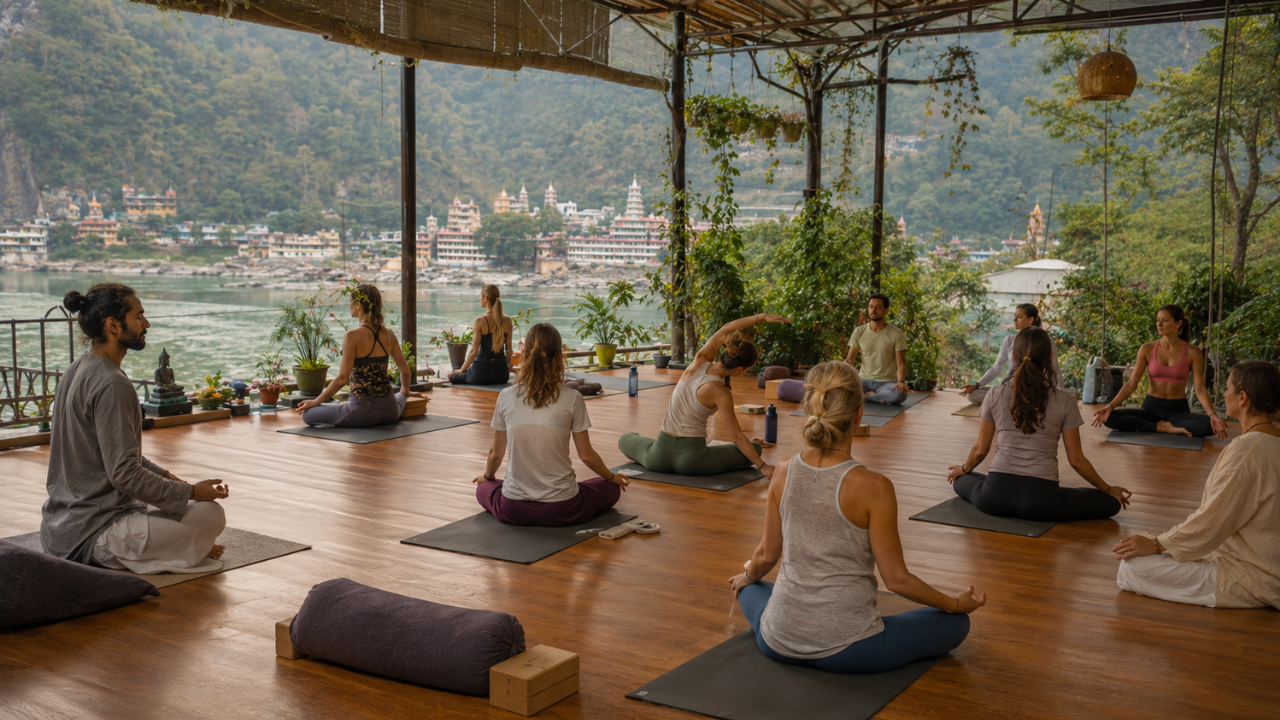
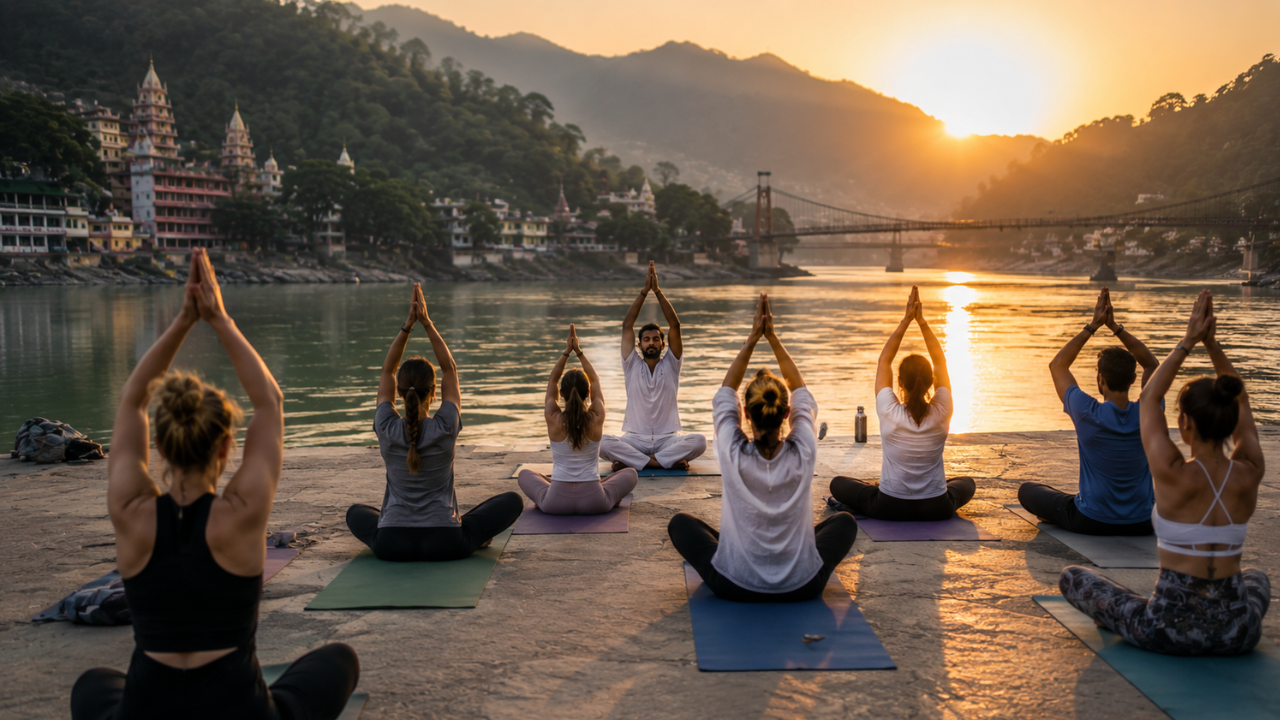
1. Check the Teacher's Background
The teacher makes the biggest difference. A good teacher can change your experience completely. Check if the teacher is certified — ideally from Yoga Alliance (RYT 200 or RYT 500). Also check how many years of experience they have.
Many retreat websites show teacher bios. Read them carefully. If there is no information about the teacher — that is a warning sign.
2. Read Reviews from Real Students
Go to Google Reviews, Tripadvisor, or Facebook. Read at least 10 to 15 reviews from past students. Look for patterns — what do most people say? Are the positive reviews detailed and honest? Are there replies from the school to negative reviews?
Be careful of retreats with only 5-star reviews and no negative feedback at all. Real reviews always have some mixed opinions.
3. Check What Is Included in the Price
Read the price breakdown carefully. Some retreats show a low price but charge extra for accommodation, meals, or materials. Ask clearly — does the price include meals, accommodation, study materials, and excursions?
- Yoga sessions: How many per day? What time?
- Meals: Included or extra? Vegetarian only or options available?
- Accommodation: Private room or shared? AC or fan?
- Excursions: Is Ganga Aarti visit, sunrise trip, or any outing included?
- Airport pickup: Included or at extra cost?
- Certificate: Is a retreat certificate provided?
4. Check Group Size
Small groups mean more personal attention from the teacher. If a retreat has 30 or 40 people in one session — it feels more like a class than a retreat. Look for retreats with group sizes of 10 to 15 students for the best experience.
5. Check the Location and Setting
Rishikesh has two main areas — the busy market side and the quieter ashram belt near Laxman Jhula or Ram Jhula. For a proper retreat, choose a location away from the noise. A setting near the Ganga or in the hills makes a big difference to your experience.
Red Flags to Avoid When Booking a Yoga Retreat
Some retreats in Rishikesh look good online but are not what they seem. Here are the warning signs you should watch for.
- No teacher information: If the website does not tell you who will teach you — avoid it. The teacher is the most important part.
- Very low price with everything included: A 7-day retreat with meals and accommodation for ₹3,000 total is not realistic. Very cheap retreats often cut corners on quality.
- No verifiable reviews: If you cannot find reviews on Google or Tripadvisor — the school may be very new or hiding feedback.
- High-pressure sales messages: If the school sends you many WhatsApp messages pushing you to book fast — it is not a good sign.
- No clear refund policy: A genuine school will always have a clear cancellation and refund policy in writing.
- Overcrowded schedule: A good retreat gives you free time to rest, reflect, and enjoy Rishikesh. If every hour of the day is packed — it is not a retreat, it is a bootcamp.
How Many Days Should You Book?
This is one of the most common questions. The honest answer — it depends on your schedule and your goal. But here is a simple guide.
- 3 to 4 days: Good for a quick reset. You will relax and feel refreshed but it will not be deeply transformative. Best for people with limited time.
- 5 to 7 days: The sweet spot for most people. You get enough time to settle in, learn, and actually feel a difference. Recommended for first-time retreat visitors.
- 10 to 14 days: A deeper experience. Your body and mind get more time to open up. You can also explore more of Rishikesh. Good if you are serious about yoga.
- 21 days or more: For people who want a real transformation or want to prepare for yoga teacher training. This is a serious commitment.
If you are unsure — start with 7 days. Most people who do a 7-day retreat in Rishikesh wish they had booked more time.
Best Time for a Yoga Retreat in Rishikesh
The weather in Rishikesh changes a lot through the year. The right season makes your retreat more comfortable and enjoyable.
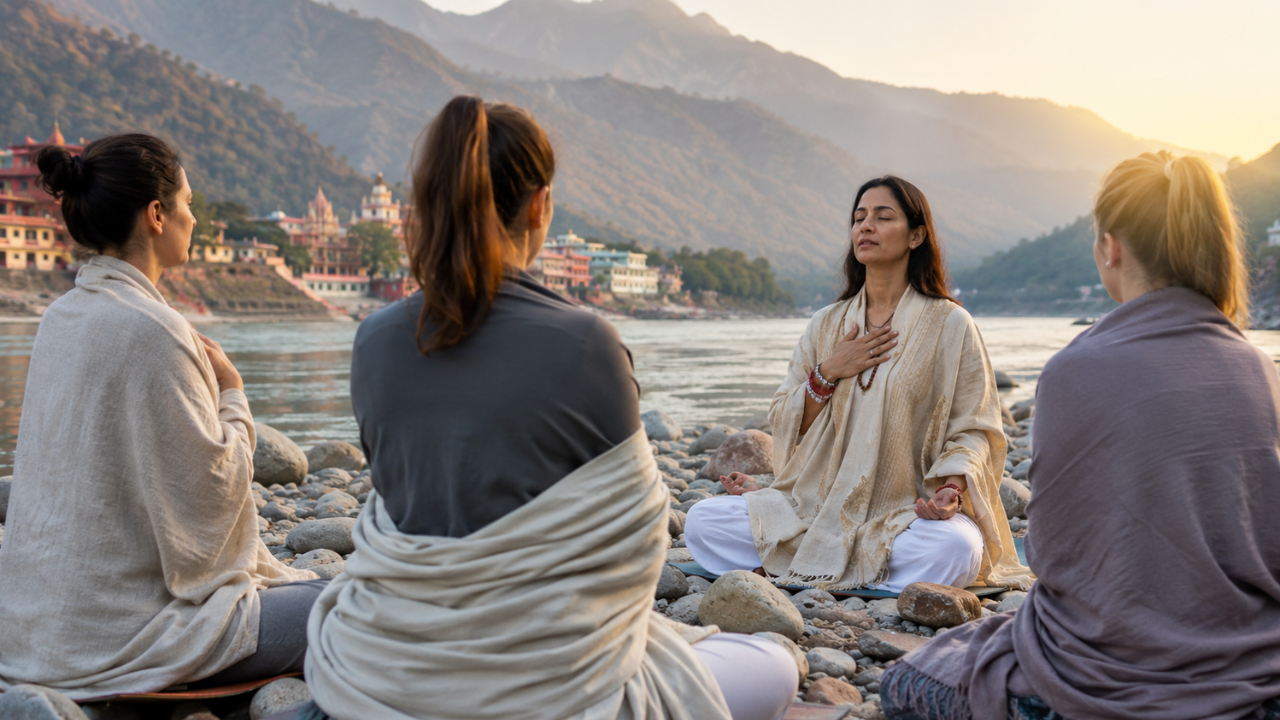
- October to February (Best season): Cool and dry. Perfect for yoga practice. Morning sessions feel amazing. Views of the Himalayas are clear. Carry warm clothes for early mornings.
- March to May (Good season): Pleasant and not too hot. Good for trekking side trips. A comfortable time for practice.
- June (Acceptable): Starting to get warm and slightly humid. Early morning practice is fine. Evenings are good too.
- July to September (Avoid): Heavy monsoon rains. High humidity. Outdoor activities are limited. Not the best time for a retreat.
The best months for a yoga retreat in Rishikesh are November, December, January, and February. The air is clean, the Ganga is calm, and the energy of Rishikesh is at its most peaceful during these months.
Yoga Retreat Rishikesh – Budget Guide
Cost is one of the biggest factors when choosing a yoga retreat. Here is an honest breakdown of what to expect at different price levels.
- Budget (₹5,000 – ₹10,000 for 7 days): Basic shared room, simple meals, group yoga classes. Good for backpackers and solo travellers on a low budget. Quality can vary.
- Mid-range (₹12,000 – ₹25,000 for 7 days): Private or semi-private room, vegetarian meals included, daily yoga and meditation, smaller group size. This is the best value range.
- Premium (₹30,000 – ₹60,000 for 7 days): Comfortable private room, organic meals, spa services, very small groups, experienced senior teachers. Best for people who want comfort and quality.
Do not just go for the cheapest option. Also do not assume expensive means best. Check what is included and read reviews before booking any price range.
Why Choose Adishesh Yoga for Your Retreat in Rishikesh
At Adishesh Yoga, we keep things simple and genuine. Our retreats are designed for people who want a real experience — not a tourist package.
We have experienced, certified teachers who have been practising and teaching yoga in Rishikesh for many years. Our group sizes are small so every student gets personal attention. And our location near the Ganga gives you the natural peace that Rishikesh is famous for.
- Yoga Alliance certified teachers: RYT 200 with years of experience
- Small group size: Maximum 12 students per session
- All levels welcome: From complete beginner to advanced practitioners
- Healthy sattvic meals: Fresh vegetarian food included every day
- Sunrise excursions: Kunjapuri Temple and Ganga Aarti included in retreat program
- Transparent pricing: No hidden charges — all costs are clear before booking
Frequently Asked Questions
Conclusion
Choosing the right yoga retreat in Rishikesh is not complicated — once you know what to look for. Start with your goal. Check the teacher. Read real reviews. Know what is included. And avoid the red flags.
Rishikesh is one of the most powerful places in the world to practise yoga. The energy here is different. The Ganga, the mountains, the air — everything supports your practice. All you need is the right retreat.
If you are still unsure — feel free to reach out to us at Adishesh Yoga. We are happy to help you figure out what kind of retreat is right for you. No pressure. Just an honest conversation.