Some yoga poses make you feel like you can fly. Bow Pose is one of them. It opens your whole front body. It wakes up your back. It gives you a deep stretch and a deep breath at the same time. And once you hold it, you will feel why it is loved by so many yoga lovers.
Bow Pose is called Dhanurasana in Sanskrit. "Dhanu" means bow, and "asana" means pose. Your body really does look like a bow when you hold it, with your arms acting like the bowstring. This 2026 guide gives you everything — easy steps, top benefits, beginner tips, and mistakes to avoid.
What Is Bow Pose (Dhanurasana)?
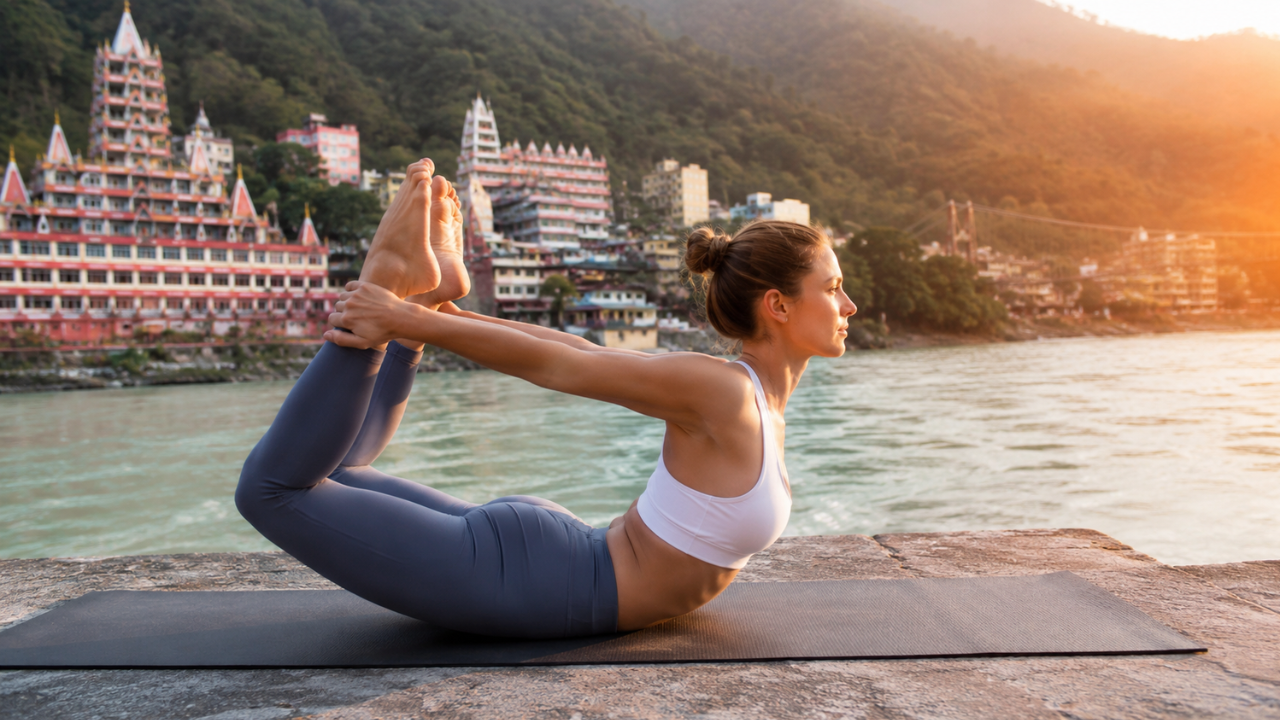
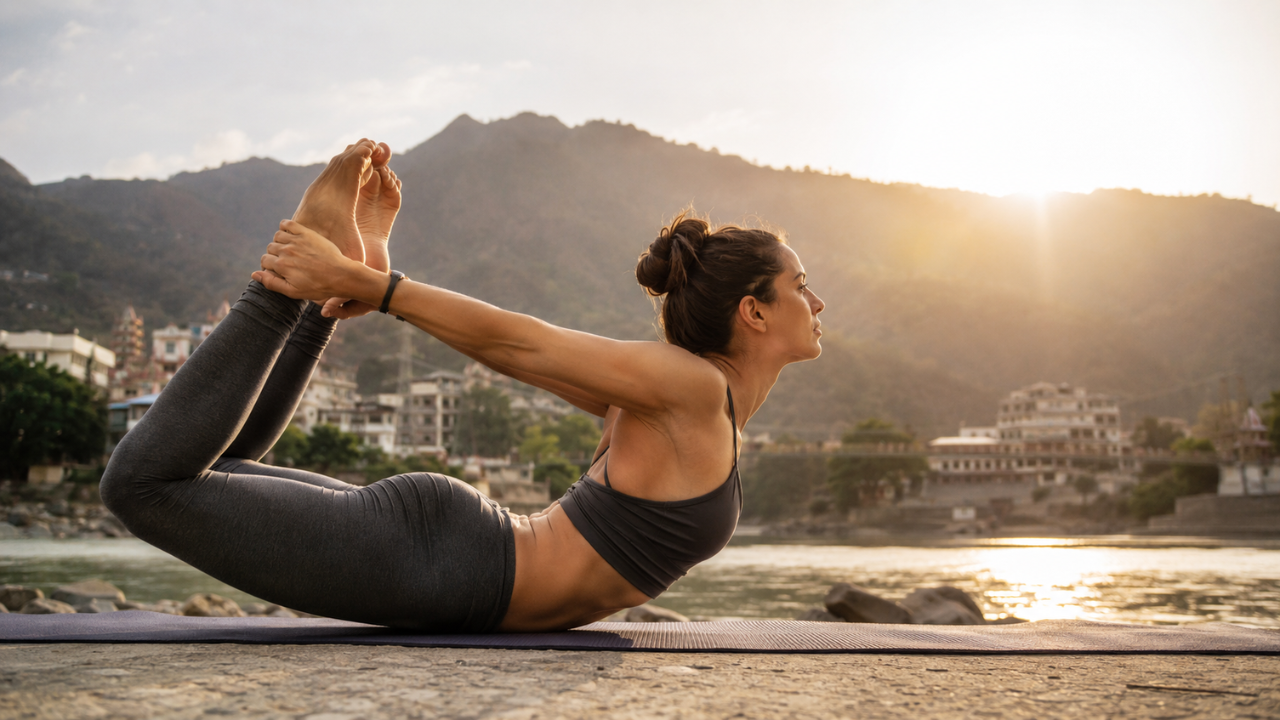
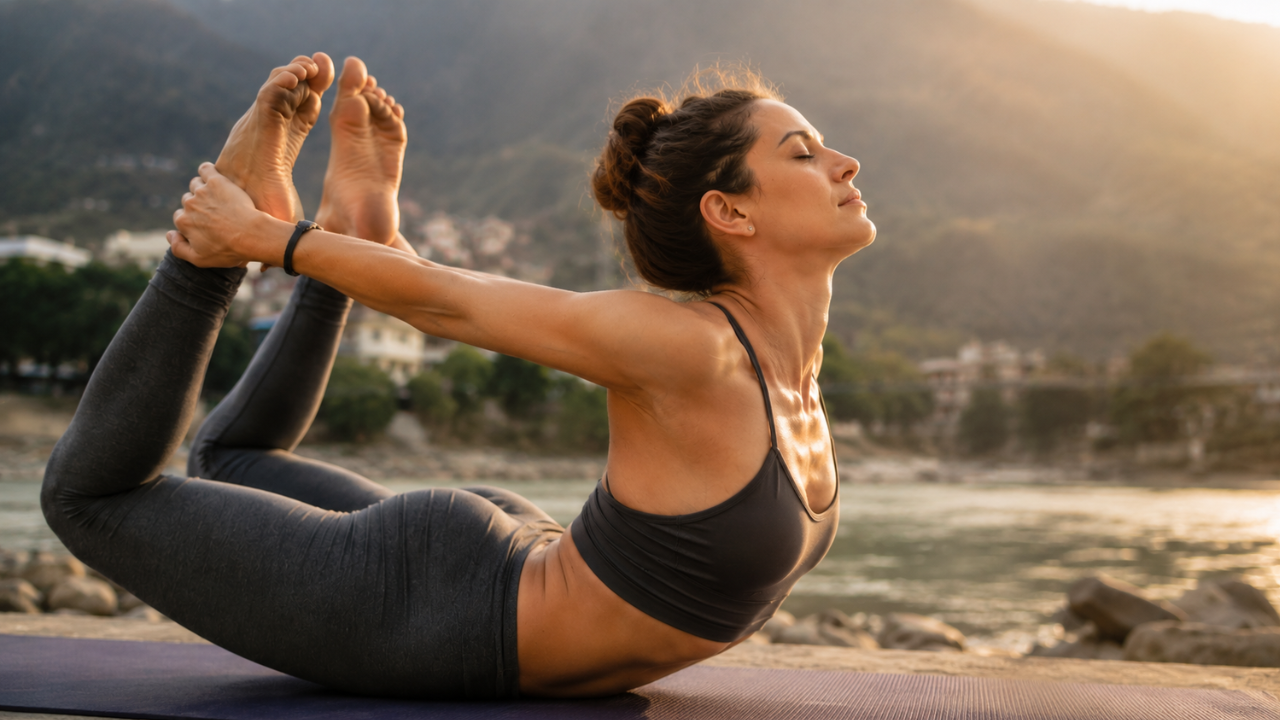
Bow Pose is a backbend yoga pose. You lie on your belly, hold your ankles, and lift your chest and legs up at the same time. Your body curves into the shape of a bow.
Unlike Cobra Pose, where only the chest lifts, Bow Pose lifts the front and the back leg together. This makes it a stronger pose. It gives you a deep stretch and builds strength at the same time.
- Sanskrit name: Dhanurasana
- English name: Bow Pose
- Type: Backbend / Strength / Stretch
- Level: Beginner to Intermediate
- Hold time: 15 to 30 seconds, 2 to 3 rounds
- Good for: Spine, chest, shoulders, thighs, core
How to Do Bow Pose – Step by Step
These steps are simple and easy to follow, even if you are new to yoga. Move slowly. Do not rush into the lift. Feel each step before you move to the next.
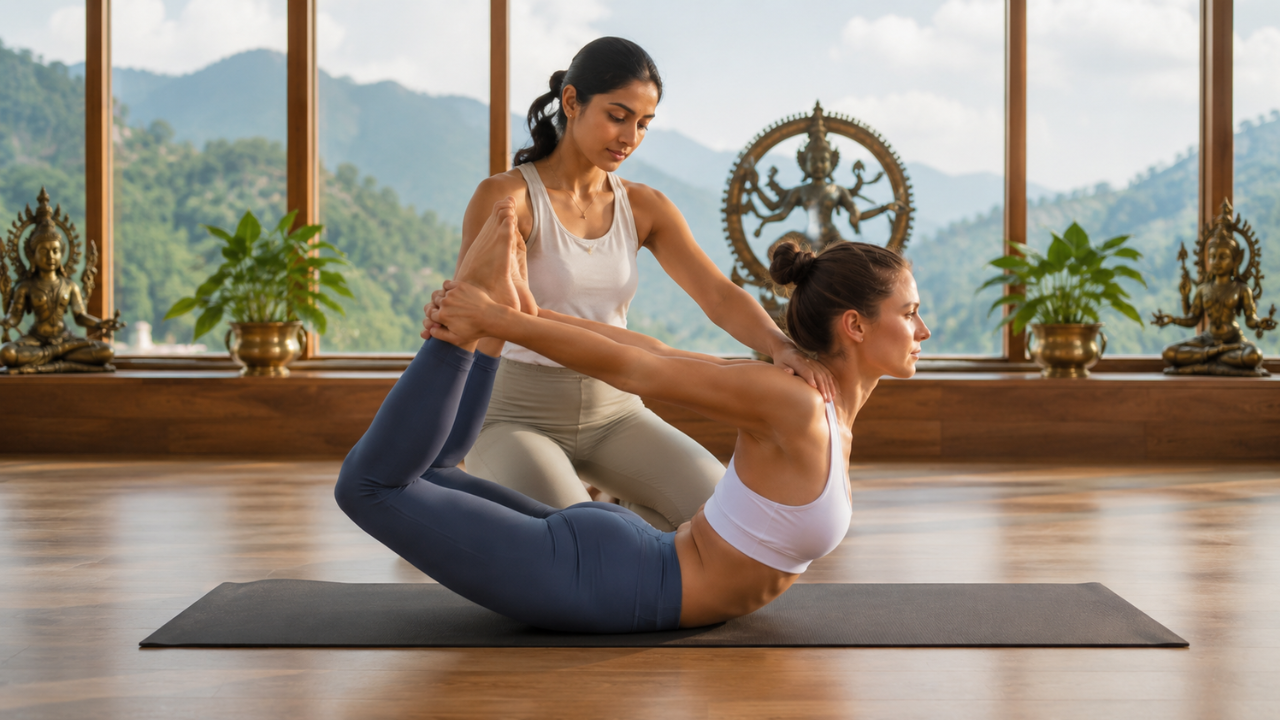
Step 1 – Lie Down on Your Belly
Lie flat on your stomach on the mat. Keep your arms by your sides and your forehead resting on the floor. Take one slow breath here before you start.
Step 2 – Bend Your Knees
Bend both knees and bring your heels as close to your hips as you can. Keep your knees about hip-width apart, not too wide.
Step 3 – Hold Your Ankles
Reach both your hands back and hold your ankles, one hand on each ankle. Keep a firm but gentle grip. Do not pull too hard from here.
Step 4 – Lift Your Chest and Legs
On your next inhale, lift your chest off the floor. At the same time, kick your feet up and back into your hands. Let this lift come from your legs, not from pulling with your arms.
Step 5 – Make the Bow Shape
Keep kicking your feet up and away from your hips. This will lift your chest even higher. Only your belly should stay touching the mat. Your body now looks like a bow.
Step 6 – Keep Your Gaze Soft and Forward
Look forward or slightly up, but keep your neck soft and long. Do not throw your head far back. Breathe slowly through your nose.
Step 7 – Hold and Release Slowly
Hold the pose for 15 to 20 seconds, breathing normally. To come out, slowly lower your chest and legs back down together. Release your ankles and rest your cheek on the mat.
Top Benefits of Bow Pose
Bow Pose works your whole body in one shape. Here are the main benefits, and why this pose deserves a spot in your weekly practice.
1. Strengthens Your Back Muscles
Lifting your chest and legs together builds real strength along your whole spine. This helps with everyday posture and can ease mild back pain over time.
2. Stretches Your Chest, Shoulders and Belly
As your chest lifts up and opens, the front of your body gets a deep stretch. This is great for people who sit hunched over a desk or phone all day.
3. Tones Your Legs and Arms
Kicking your feet up against your hands works your thighs, calves, and arms. With regular practice, you will feel these muscles getting stronger.
4. Helps Digestion
The gentle pressure on your belly while in Bow Pose massages your stomach and digestive organs. Many people find this helps with bloating and slow digestion.
5. Opens Tight Hip Flexors
Bow Pose stretches the front of your hips, an area that gets very tight from long hours of sitting. This stretch can also support better walking and running.
6. Improves Posture
With a stronger back and a more open chest, you naturally stand taller. Over time, Bow Pose helps reverse the forward slouch many of us carry.
7. Reduces Stress
Opening the chest allows for deeper breaths. Deeper breathing calms the nervous system, which can leave you feeling lighter and less stressed after the pose.
- Muscles worked: Back, glutes, thighs, shoulders, core, arms
- Improves: Posture, spine flexibility, breathing, digestion
- Relieves: Stress, mild back stiffness, tight hips, slouching
- Prepares for: Camel Pose (Ustrasana), Wheel Pose (Urdhva Dhanurasana)
Common Mistakes in Bow Pose
Knowing these mistakes before you start will save your back from strain and help you get the real benefit of the pose.
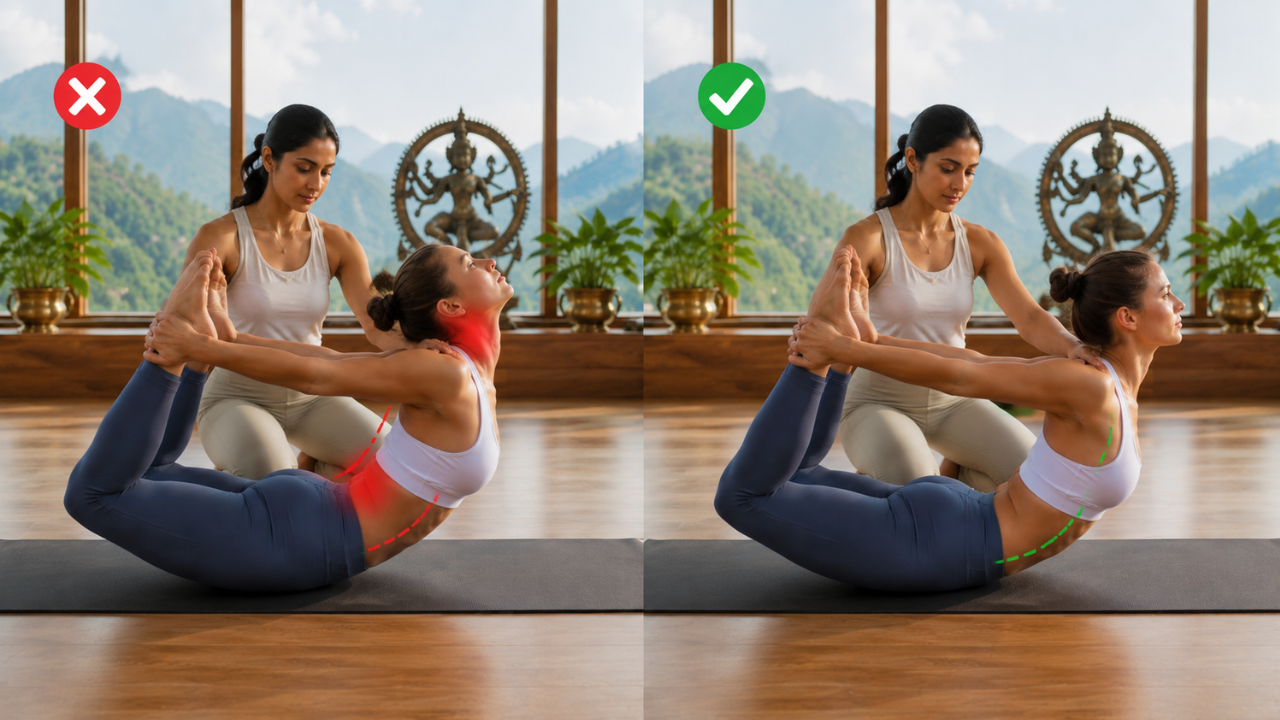
Mistake 1 – Lifting Only the Chest or Only the Legs
Some people lift just the chest, or just the legs, not both. This breaks the bow shape and reduces the stretch. Fix: lift the chest and kick the legs up at the same moment.
Mistake 2 – Holding the Breath
The pose feels like hard work, so many beginners hold their breath without noticing. Fix: keep breathing slowly in and out through the nose the whole time.
Mistake 3 – Pulling Too Hard on the Ankles
Pulling the ankles with your arms instead of kicking the legs up can strain the shoulders. Fix: let the lift come from your leg strength, with your hands just holding on.
Mistake 4 – Dropping the Head Back Too Much
Throwing the head far back puts pressure on the neck. Fix: keep your neck long and your gaze soft, looking forward instead of straight up.
Mistake 5 – Skipping the Warm-Up
Jumping straight into Bow Pose with a cold spine can cause strain. Fix: always warm up with gentle backbends like Cat-Cow and Cobra Pose first.
Tips for Beginners – Make It Easier
Bow Pose can feel tough the first few times. That is normal. These tips will make the pose easier and safer as you build strength and flexibility.
- Use a strap: Loop a strap around your ankles and hold the strap instead, if your hands cannot reach your ankles yet.
- Try one leg first: Practice Half Bow Pose, lifting one leg at a time, before trying both legs together.
- Warm up first: Do a few rounds of Cat-Cow and Cobra Pose to wake up the spine before Bow Pose.
- Keep knees close: Knees too wide apart make the pose harder on the lower back. Keep them hip-width apart.
- Start with short holds: Begin with 10 to 15 seconds and slowly build up to 20 to 30 seconds.
- Rest in Child's Pose after: A few breaths in Child's Pose after Bow Pose helps the lower back recover.
How Long Should You Hold Bow Pose?
For beginners, hold Bow Pose for 10 to 15 seconds. As your back gets stronger, work up to 20 to 30 seconds. You can repeat the pose 2 to 3 times with a rest in between each round.
Bow Pose Modifications for All Levels
No two bodies are the same. These modifications help you get the most out of Bow Pose, whether you are just starting out or want a deeper challenge.
For Beginners – Half Bow Pose
Hold only one ankle and lift one leg at a time, keeping the other leg resting on the mat. This builds strength on each side before trying the full pose.
For Tight Shoulders – Use a Strap
If your shoulders feel too tight to reach your ankles, loop a strap around each ankle and hold the strap ends instead. This gives you the same stretch without the strain.
For Advanced Practitioners – Rocking Bow Pose
Once you feel steady in the pose, try gently rocking your body forward and backward while holding the bow shape. This adds a fun massage for the belly and chest.
Bow Pose vs Cobra Pose – What's the Difference?
- Lift source: Cobra lifts the chest using the hands on the floor. Bow lifts the chest and legs using your own strength.
- Body parts lifted: Cobra lifts only the upper body. Bow lifts the upper and lower body together.
- Intensity: Bow Pose is a deeper backbend than Cobra Pose.
- Best use: Use Cobra as a gentle warm-up, then move into Bow Pose for a stronger backbend.
- Which is better? Both are useful — Cobra for beginners and warm-ups, Bow for building deeper strength.
Who Should Be Careful with Bow Pose
Bow Pose is safe for most healthy people. But there are some cases where you should be careful, or avoid it altogether.
- Back injury: If you have a recent back injury or back surgery, skip this pose and talk to your doctor first.
- High or low blood pressure: As a deep backbend, Bow Pose can affect blood flow. Consult your doctor before trying it.
- Pregnant women: Bow Pose puts pressure on the belly, so it should be avoided during pregnancy.
- Hernia or recent abdominal surgery: The belly pressure in this pose is not safe for these conditions.
- Migraine or insomnia: Some teachers advise avoiding strong backbends like Bow Pose if you have a migraine or trouble sleeping.
When in doubt, always ask a qualified yoga teacher before trying any new pose. A good teacher can guide you to a safe version of the pose for your body.
How to Add Bow Pose to Your Daily Yoga
Bow Pose fits well in many parts of a yoga session. Here is how to use it smartly depending on what you need that day.
- As a backbend builder: Add it after Cobra Pose and Locust Pose to build toward deeper backbends.
- As a counter pose: Use it after seated forward folds to balance out the spine in both directions.
- As a morning energizer: Hold for 2 to 3 rounds in the morning to open the chest and wake up the body.
- As inversion prep: A strong back from Bow Pose supports poses like Camel and Wheel Pose later on.
- How many times per week: 3 to 4 times a week is enough to build real strength and flexibility.
Learn Bow Pose at a Yoga Retreat in Rishikesh
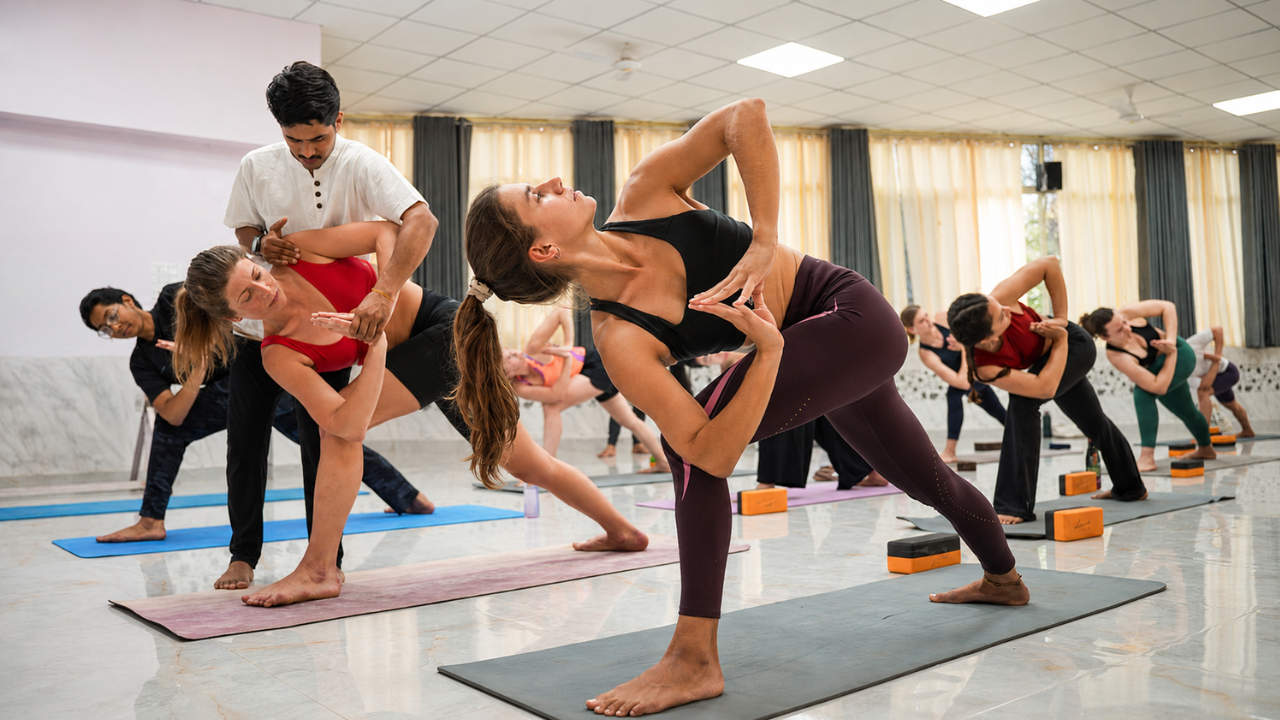
Reading about Bow Pose is a good start. But practising it with a teacher who can correct your lift and your alignment in real time is where real progress happens.
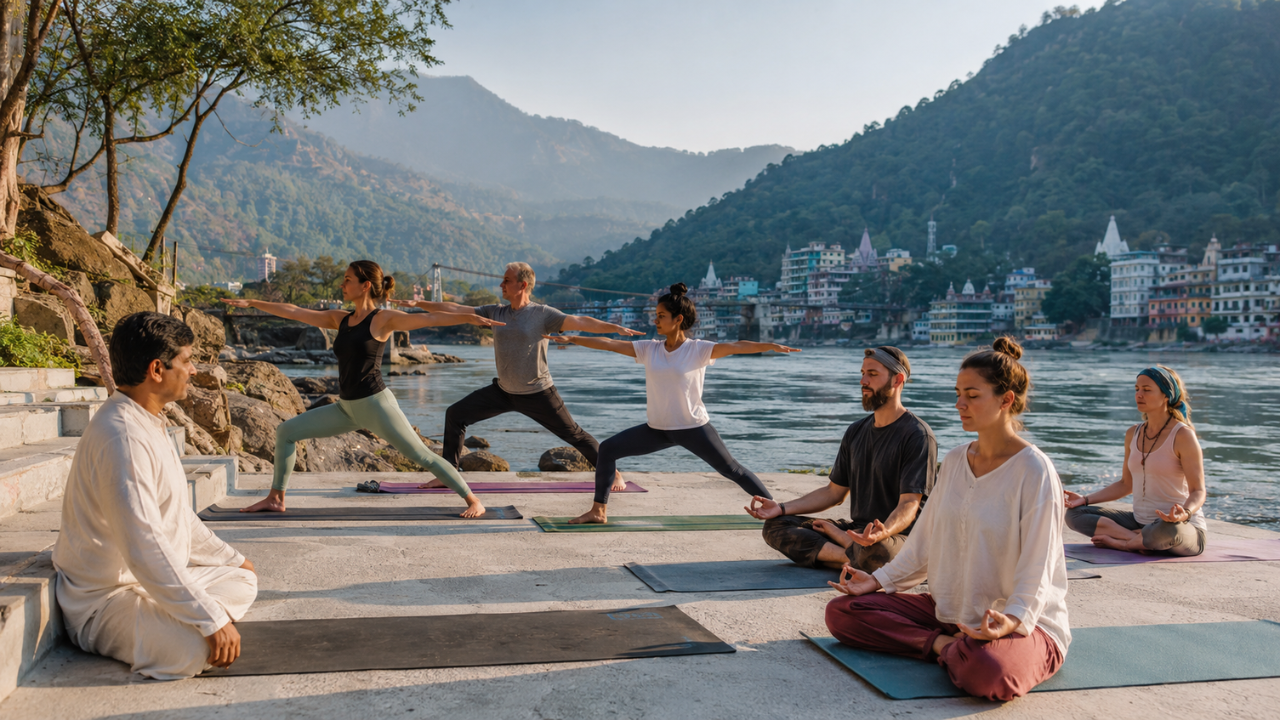
At Adishesh Yoga in Rishikesh, we teach Bow Pose as part of our yoga retreats and yoga teacher training programs. Our classes are small, our teachers are experienced, and practising right beside the Ganges makes every backbend feel a little more special.
- Daily asana classes: Practice Bow Pose and other key backbends with proper alignment guidance
- Backbend workshops: Learn the safe path from Cobra to Bow Pose and beyond
- Pranayama and meditation: Pair your backbend practice with breathwork and stillness
- Small groups: Get personal attention and corrections in every class
Frequently Asked Questions
Conclusion
Bow Pose looks simple but gives you so much. A stronger back. An open chest. Better posture. Calmer breath. And a strong base for deeper backbends later on.
You do not need to be flexible to start. You do not need to be strong to begin. Start with Half Bow Pose if needed. Hold for a few seconds. Come back to it every day. In a few weeks, you will feel a real change in your spine and chest.
If you want to deepen your yoga practice in a beautiful setting, come join us at Adishesh Yoga in Rishikesh. We will help you build poses like Bow Pose the right way, with good alignment, good breath, and good energy around you.