Your hips feel stiff. Your ankles feel tight when you squat down. Sitting on chairs all day has made your body forget how to sit low and easy. Garland Pose brings that back.
Garland Pose is called Malasana in Sanskrit. "Mala" means garland, like a string of flowers. In this pose your body folds low into a deep squat and looks like a garland resting close to the earth. This 2026 guide shows you exactly how to do it, what it does for your body, and how to make it easy for your level.
What Is Garland Pose?
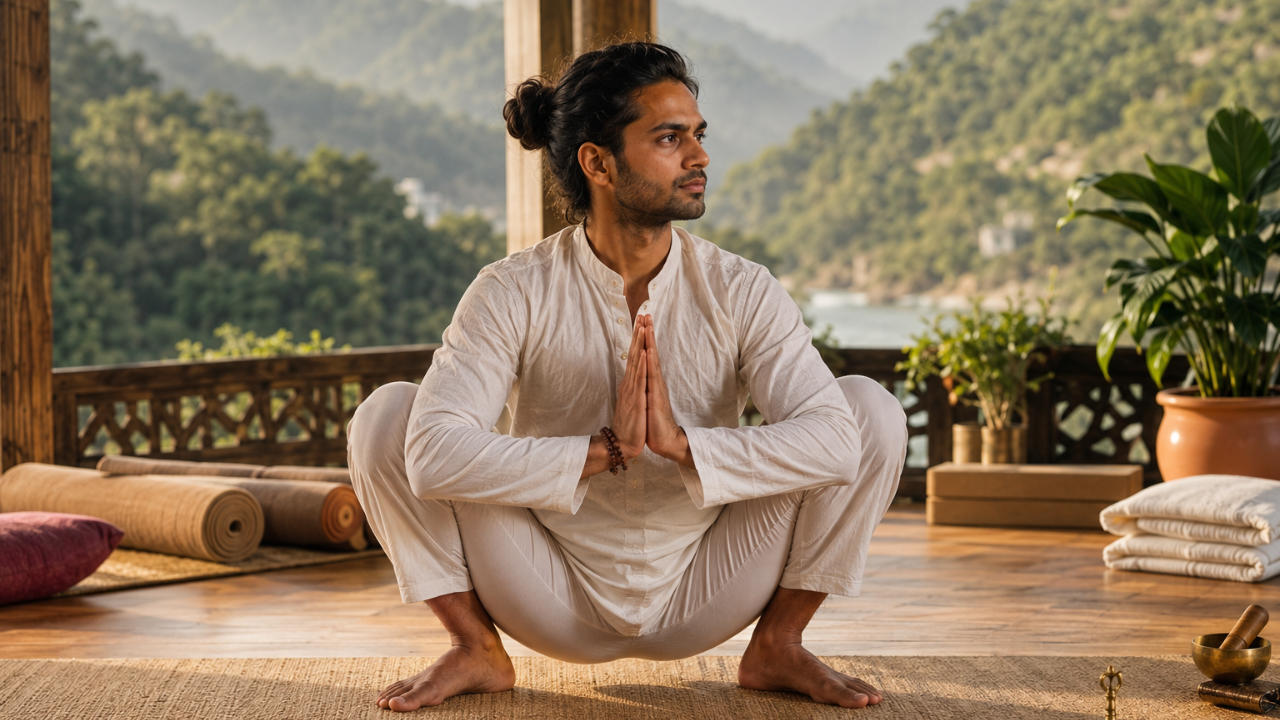
Garland Pose is a deep squat yoga pose. Your feet stay close together. Your knees open wide to the sides. Your hips sink low, close to the ground. Your palms press together at your chest, and your elbows push gently against your inner knees.
It looks simple, like a squat you did as a child. But for most adults it is a real challenge. Years of sitting on chairs make the hips, ankles, and lower back tight. Garland Pose slowly brings back this natural, deep squat movement.
- Sanskrit name: Malasana
- English name: Garland Pose / Yogi Squat
- Type: Hip Opener / Deep Squat
- Level: Beginner to Intermediate
- Hold time: 5 to 10 breaths (30 to 60 seconds)
- Good for: Hips, groin, ankles, lower back, digestion
How to Do Garland Pose – Step by Step
Go slow. Do not rush into a full deep squat on day one. Let your ankles and hips warm up first. Each step here keeps your knees and lower back safe.
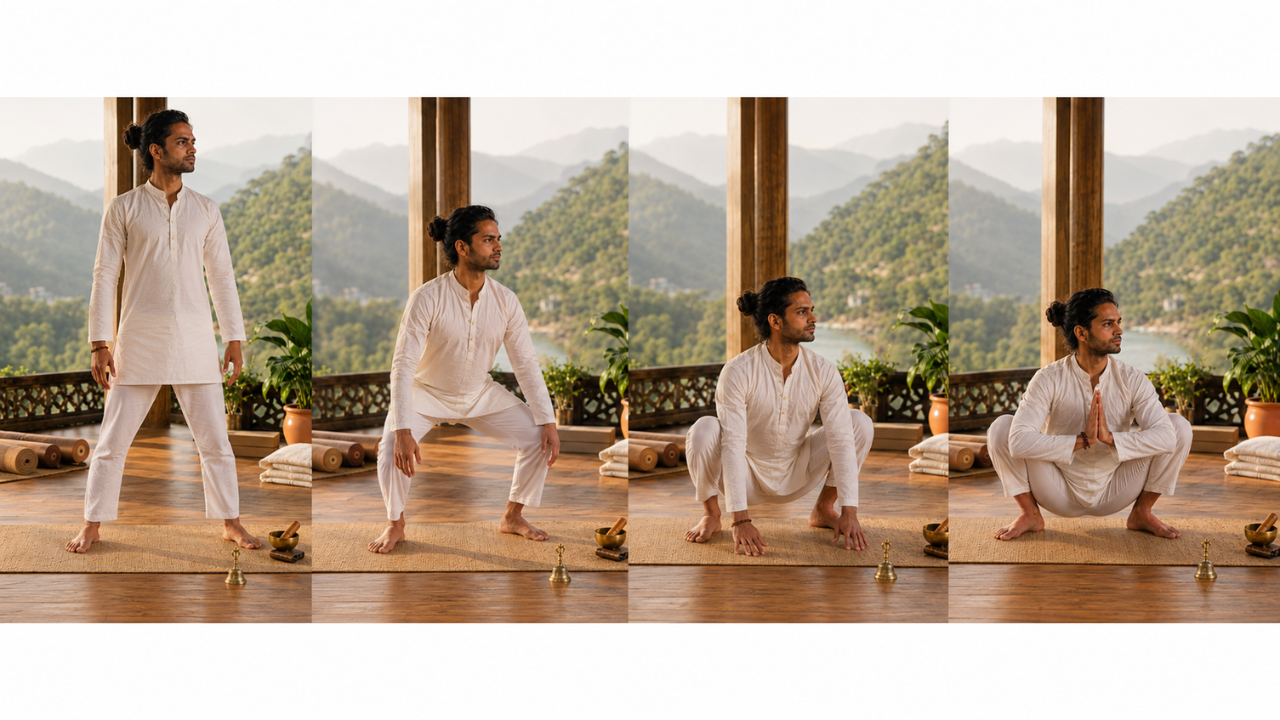
Step 1 – Stand with Feet Apart
Stand on your mat with feet a little wider than hip width. Turn your toes out slightly, like the number 10 on a clock. This small turn makes the squat much easier on the knees.
Step 2 – Lower Into the Squat
Slowly bend your knees and lower your hips down, like sitting into a low chair. Go as low as feels comfortable. Try to keep both heels on the floor. If they lift, that is fine for now.
Step 3 – Bring Palms Together
Once you are settled in the squat, bring your palms together at your chest in prayer position. Press your upper arms against the inside of your knees.
Step 4 – Open the Knees Wider
Gently press your elbows into your inner knees. This opens the hips a little more with each breath. Never force this — let the pressure be light and steady, not sharp.
Step 5 – Sit Tall and Breathe
Lengthen your spine. Relax your shoulders away from your ears. Keep your chest lifted instead of rounding forward. Take slow, deep breaths and feel the stretch in your hips and groin.
Step 6 – Hold and Release
Stay here for 5 to 10 breaths. To come out, press your feet into the floor and slowly straighten your legs. Roll up through your spine, one bone at a time, until you stand tall.
Top Benefits of Garland Pose
This simple squat works deep in the body. Here is what Garland Pose does for you when you practice it regularly.
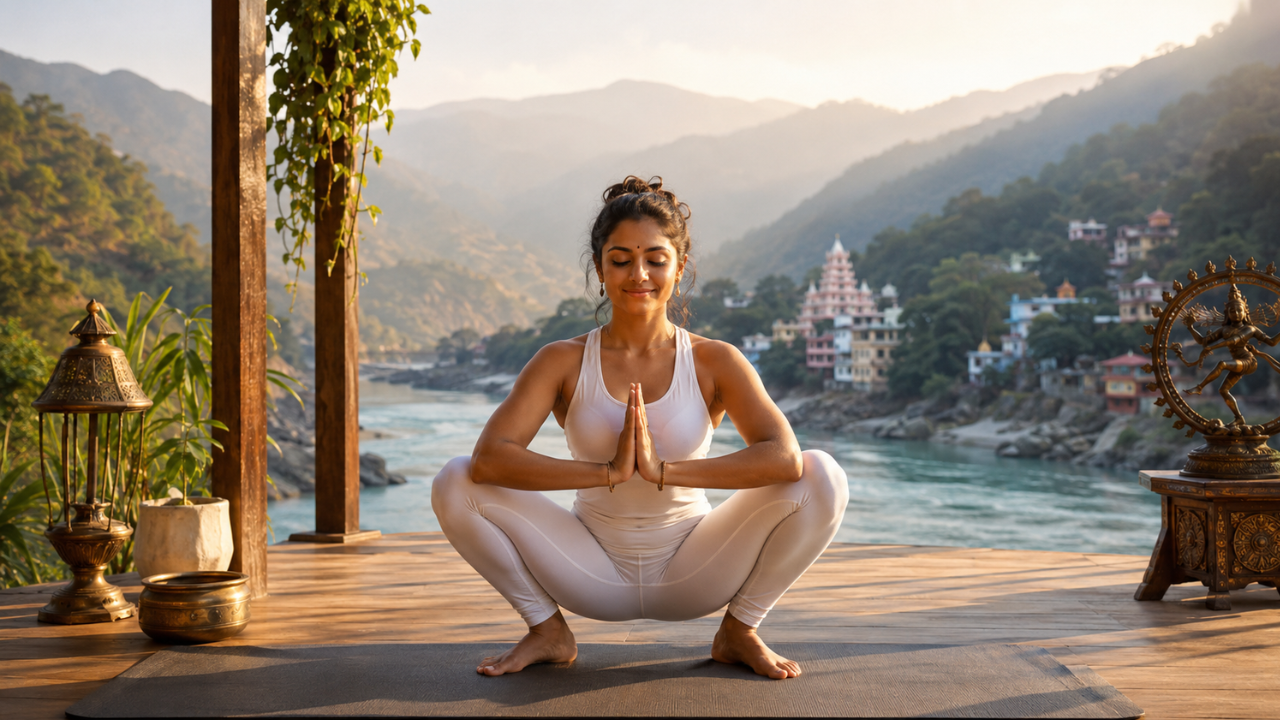
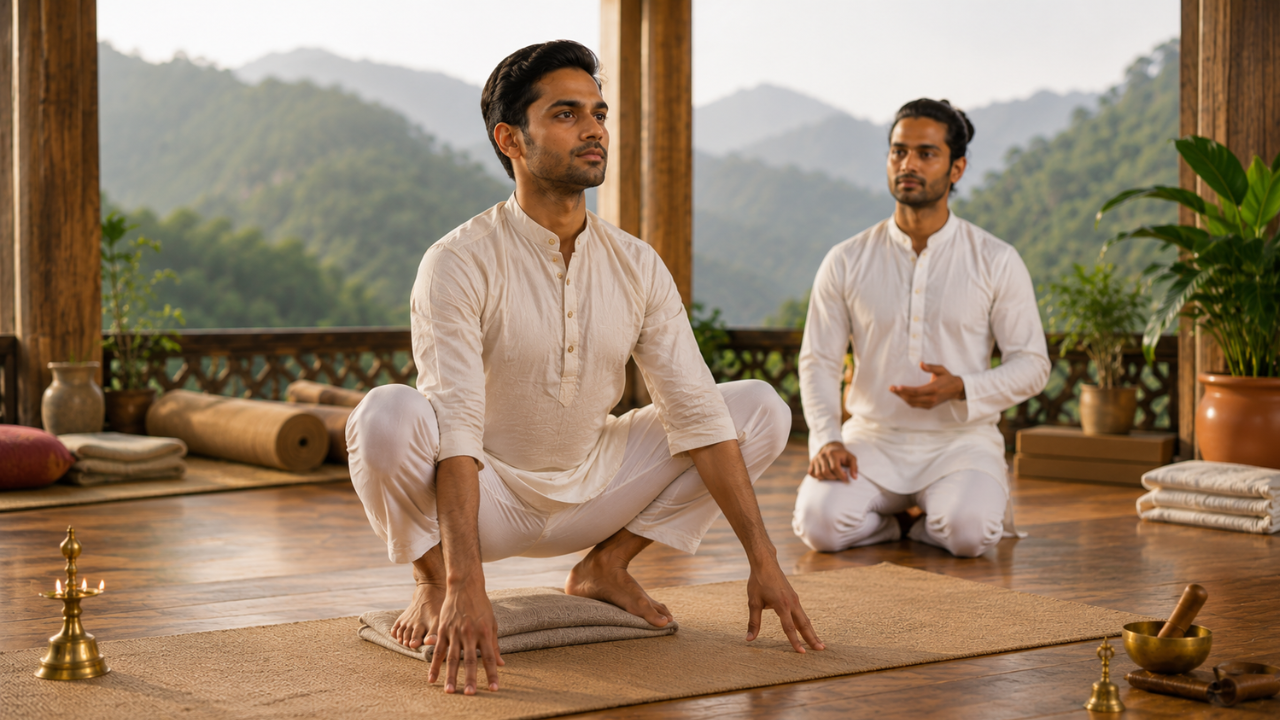
1. Opens the Hips and Groin
Garland Pose opens the hips in a way that daily life rarely does. Sitting on chairs closes the hips slowly over years. This deep squat reverses that and brings back natural range of motion in the hip joints.
2. Stretches the Ankles
Most adults have tight ankles from wearing shoes and sitting all day. Garland Pose stretches the ankle joint deeply, which helps with balance and makes squatting movements easier in daily life.
3. Improves Digestion
The deep squat position gently massages the belly and intestines. Many people feel relief from bloating and sluggish digestion after regular practice of this pose.
4. Relieves Lower Back Tightness
Garland Pose gently lengthens the lower back muscles. For people with mild lower back tightness from sitting, this pose brings noticeable relief over time.
5. Builds Lower Body Strength
Holding the squat works the thighs, calves, and core muscles. Over weeks of practice, your legs get stronger and holding the pose becomes much easier.
6. Calms the Mind
Sitting low and still with slow breathing activates the body's rest response. Many people feel calmer and more grounded after holding Garland Pose for a few minutes.
7. Prepares the Body for Childbirth
This squat position is often used to prepare the hips and pelvis for childbirth. Many prenatal yoga classes include a supported version of Garland Pose for this reason.
- Muscles stretched: Hips, groin, inner thighs, lower back, ankles
- Improves: Hip mobility, ankle flexibility, digestion, posture, balance
- Relieves: Tight hips, lower back tension, bloating, stress
- Prepares for: Crow Pose, deep squats, childbirth, daily floor sitting
Common Mistakes in Garland Pose
These mistakes are common, especially for beginners. Knowing them keeps your knees and back safe and helps you get the real benefit from the pose.
Mistake 1 – Rounding the Lower Back
Many beginners let the lower back round and collapse forward. This puts strain on the spine. Fix: Keep the chest lifted and the spine long. Think about growing taller through the crown of your head.
Mistake 2 – Knees Collapsing Inward
Letting the knees fall inward puts pressure on the knee joint. Fix: Press the elbows gently against the inner knees to keep them tracking over the toes, not falling inward.
Mistake 3 – Forcing the Heels Down
Pushing hard to force the heels flat can strain the ankles. Fix: If heels lift, place a folded blanket or rolled mat under them for support. Let the ankles open gradually.
Mistake 4 – Holding the Breath
Many people tense up and hold their breath in a deep squat. Fix: Keep breathing slowly and evenly. Relaxed breath helps the hips open faster than force ever will.
Mistake 5 – Feet Too Narrow or Too Wide
A stance that is too narrow or too wide makes the pose unstable. Fix: Start with feet just wider than hip width and adjust until you feel steady and balanced.
Tips for Beginners – Make Garland Pose Easier
Garland Pose can feel hard if your hips and ankles are tight. That is completely normal. These tips help you get the full benefit without any strain.
- Blanket under the heels: If your heels lift off the floor, place a folded blanket or rolled mat under them. This gives your ankles the support they need.
- Block behind you: Place a yoga block behind your hips and rest your sitting bones on it lightly. This takes some weight off the legs while you build strength.
- Hold onto something: If balance is hard, hold a chair or door frame in front of you while you lower into the squat.
- Warm up first: Do a few gentle squats, ankle circles, and Cat-Cow before Garland Pose. Warm joints move more easily.
- Practice often, not deep: Short daily holds work better than one long forced hold. Even 30 seconds a day adds up over weeks.
- Relax the shoulders: Keep the shoulders soft and away from the ears. Tension here makes the whole pose feel harder than it needs to be.
How Long Should You Hold Garland Pose?
Start with 5 to 8 deep breaths, about 30 to 45 seconds. As your hips and ankles open, build up to 1 to 2 minutes. Some yoga styles use Garland Pose as a resting position and hold it for several minutes with slow, easy breathing.
Garland Pose Modifications for All Levels
Every body is different. These variations help you get the full benefit of Garland Pose at whatever level you are at right now.
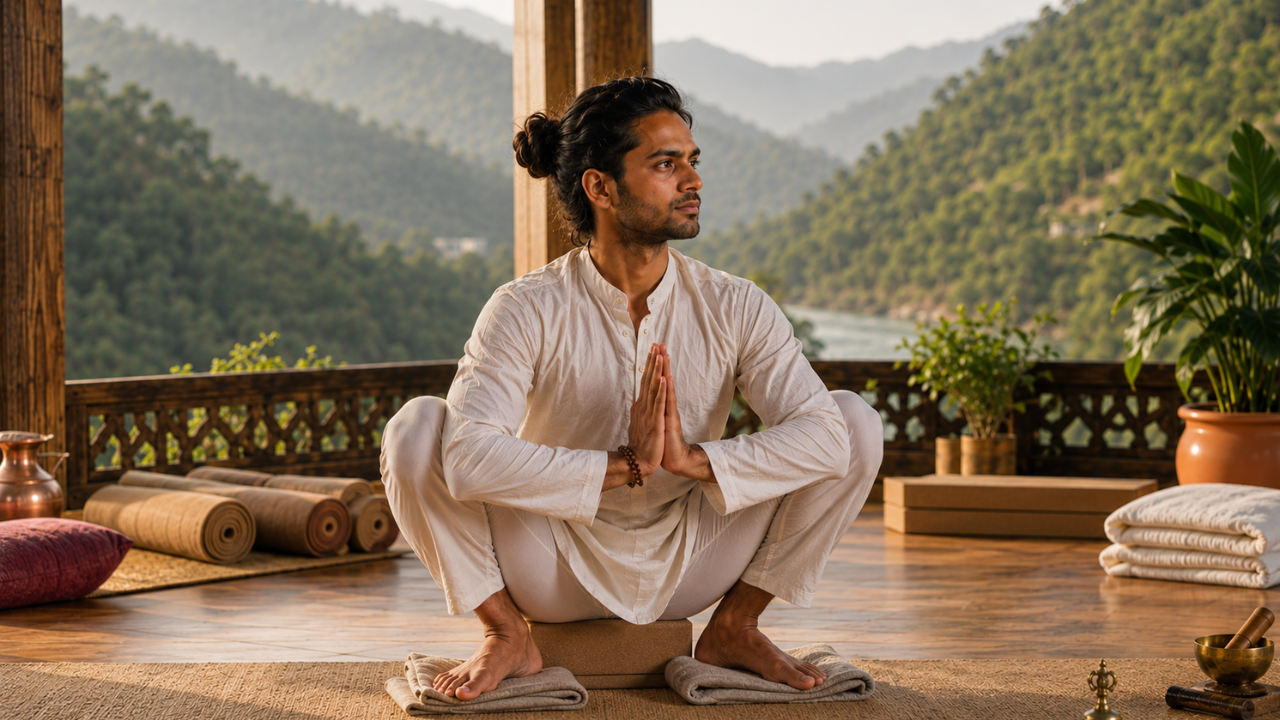
For Beginners – Supported Squat
Place a folded blanket under your heels and a yoga block under your hips. This support lets you sit in the squat without strain while your body slowly gets used to the position. Work here for several weeks before trying it without support.
For Tight Ankles – Wall Support
Stand facing a wall with your toes close to it. Hold the wall for balance as you lower into the squat. This gives extra stability while your ankles and hips open up.
For Advanced Practitioners – Extended Arm Reach
Once the squat feels stable, try reaching both arms forward and wrapping them around the outside of your shins, clasping your hands behind your back. This adds a shoulder stretch to the deep hip opening of the pose.
Garland Pose vs Chair Pose – What Is the Difference?
- Position: Garland Pose = feet together, deep low squat. Chair Pose = feet hip width, higher squat with arms raised.
- Target: Garland Pose opens the hips and ankles. Chair Pose builds strength in the thighs and core.
- Depth: Garland Pose goes much lower and deeper into the hips than Chair Pose.
- Focus: Garland Pose is more of a hip opener and stretch. Chair Pose is more of a strength-building pose.
- Which is better? Both are useful. Practice Chair Pose for strength and Garland Pose for hip opening.
Who Should Be Careful with Garland Pose
Garland Pose is safe for most people when done correctly. But some conditions need extra care or a different approach.
- Knee injuries: Any pain or injury in the knee means you should practice a shallow squat only, with support under the hips.
- Ankle injuries: A weak or injured ankle needs extra support. Use a folded blanket under the heels and go slowly.
- Lower back problems: If you have a lower back condition, keep the spine long and avoid rounding forward. Work with a yoga teacher for the right form.
- Late pregnancy: A supported, gentle version of this pose is often used in prenatal yoga, but always practice with an experienced prenatal teacher.
- Balance issues: If balance is hard, hold a wall or chair for support so you do not tip backward or forward.
If you are unsure about anything, start with the supported version of this pose and work with a trained yoga teacher. Pain is always a signal to back off. Discomfort is okay. Pain is not.
How to Add Garland Pose to Your Daily Yoga
Garland Pose works well at different points in a yoga session. Here is how to use it for best results.
- After warming up: Always warm the hips and ankles first with gentle squats and Cat-Cow before Garland Pose. Cold joints resist the deep stretch.
- In a hip-opening sequence: Place Garland Pose after Warrior II and Goddess Pose. This builds the hip opening step by step before going into the deep squat.
- As a resting pose: Some styles use Garland Pose as a rest position between standing poses instead of Child's Pose.
- As a daily habit: Try sitting in Garland Pose for a few minutes while doing simple tasks like reading. This builds natural hip and ankle mobility over time.
- How often: Practice Garland Pose 3 to 5 times per week. Consistency matters most with hip openers. Even short daily practice gives noticeable results within 2 to 4 weeks.
Learn Garland Pose at a Yoga Retreat in Rishikesh
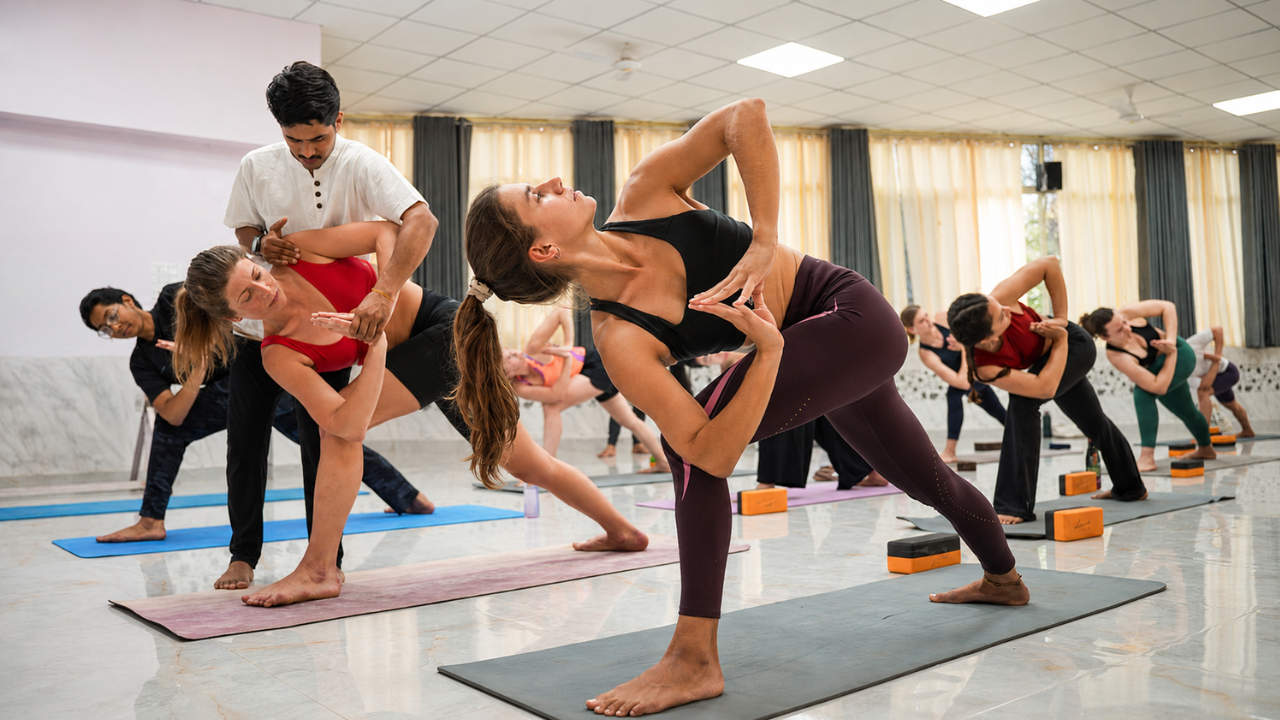
A guide can teach you the steps. But when a real teacher watches you squat and gives one small correction, you will feel the pose in a completely different way. That is what in-person learning does.
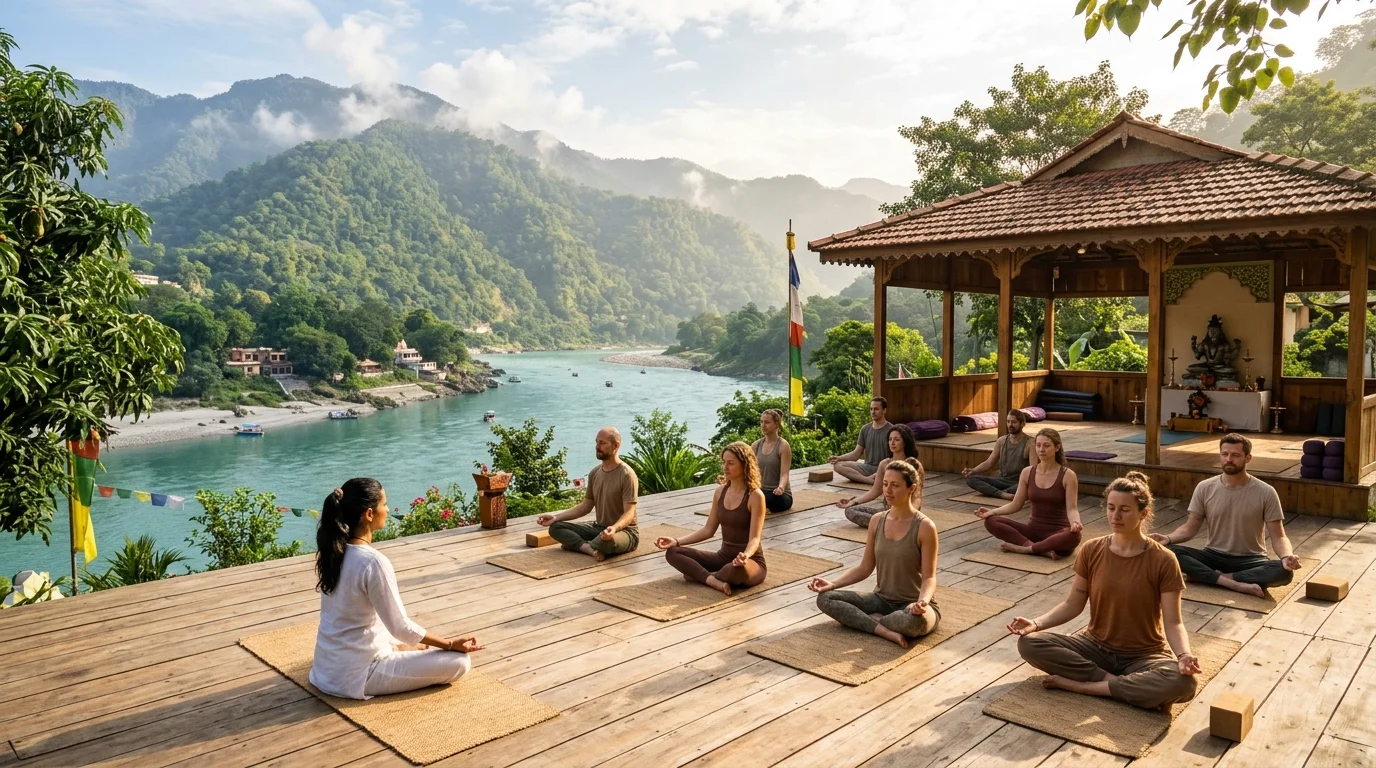
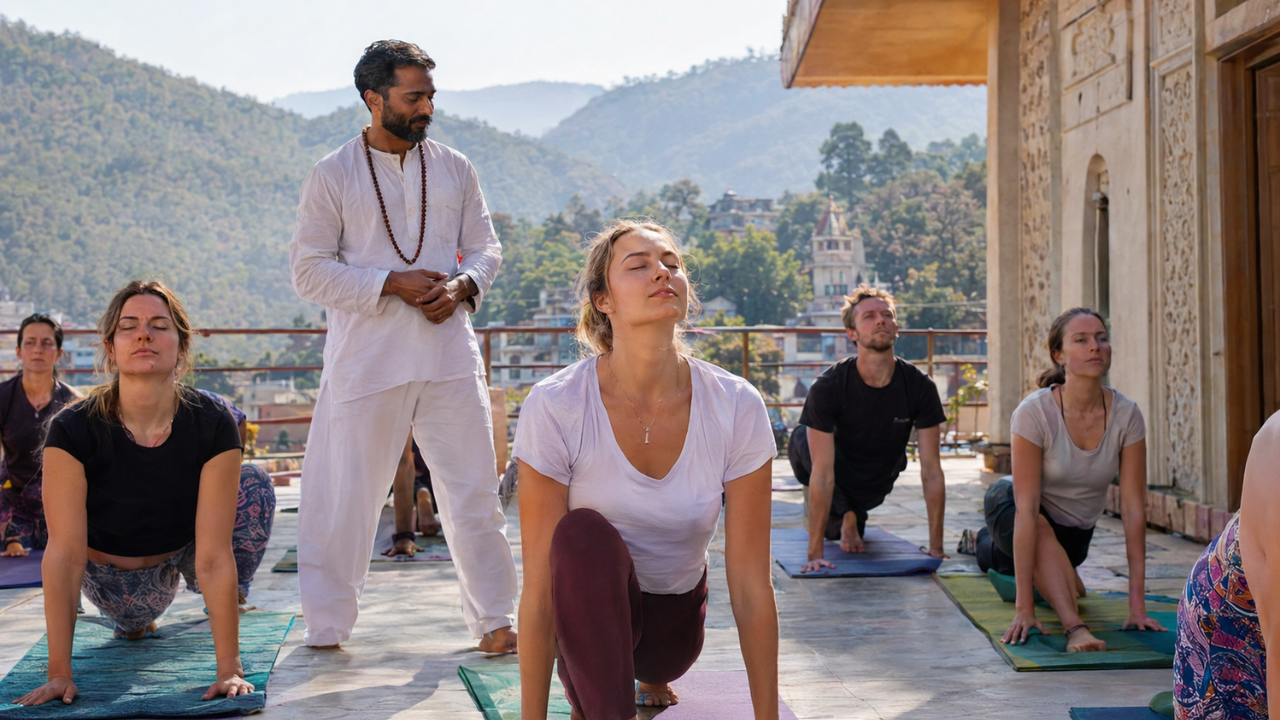
At Adishesh Yoga in Rishikesh, Garland Pose and all major hip openers are part of our daily asana classes in both yoga retreats and teacher training programs. Small groups, senior teachers, and the peaceful energy of the Himalayan foothills make every session something you remember.
- Daily asana classes: Practice Garland Pose and all hip openers with proper alignment guidance every day
- Hip-opening workshops: Dedicated sessions on hip and ankle mobility and how to safely deepen your squat
- Prenatal-friendly classes: Guided, supported versions of Garland Pose for expecting mothers
- Personal attention: Small class sizes mean the teacher actually sees your alignment and gives you real guidance that no video can replace
Frequently Asked Questions
Conclusion
Garland Pose is one of the most useful poses in yoga. It goes right into the hips, ankles, and lower back — exactly where modern life creates the most tightness. And it does it from a simple squat that anyone can try.
You do not need open hips to start this pose. You just need a mat, a blanket, and a little patience. The hips and ankles will begin to open with each session. Just squat, breathe, and let the pose do its work.
Want to learn Garland Pose with a real teacher who can watch your alignment and guide you safely? Come practice with us at Adishesh Yoga in Rishikesh. We would love to have you on the mat.