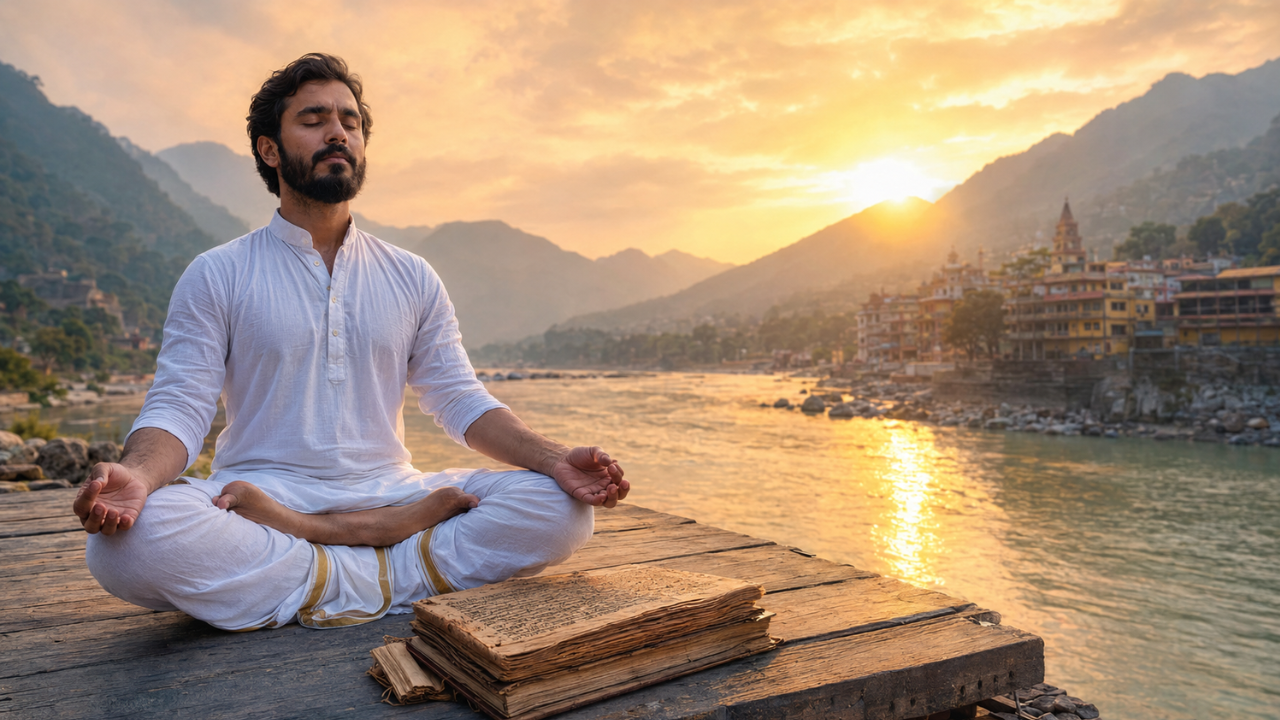
The Yoga Sutras of Patanjali sound big and hard. But the ideas inside are simple. They talk about one thing only — how to calm a busy mind.
In this guide, we explain the Yoga Sutras in plain, easy words. No hard Sanskrit. No confusing terms. Just the real meaning, made simple for beginners.
What Are the Yoga Sutras?
The Yoga Sutras are a set of short verses. There are 196 of them in total. The word "sutra" means thread. Each verse is short, but it holds a big idea, like a seed holds a whole tree inside it.
These verses were written in Sanskrit long ago. They do not teach yoga poses. They teach something deeper — how the mind works, why we feel stressed, and how to find real peace.
- Total verses: 196 short sutras
- Language: Sanskrit
- Author: Sage Patanjali
- Main topic: The mind and how to calm it
- Chapters: 4 parts, called Padas
- Used in: Hatha yoga, Raja yoga, meditation study across the world
Think of it like a map. It does not carry you to peace. It just shows you the steps to walk there yourself.
Who Was Patanjali?
Not much is known about Patanjali's personal life. He was a sage who lived in ancient India, likely around 400 CE, though some scholars think it was earlier.
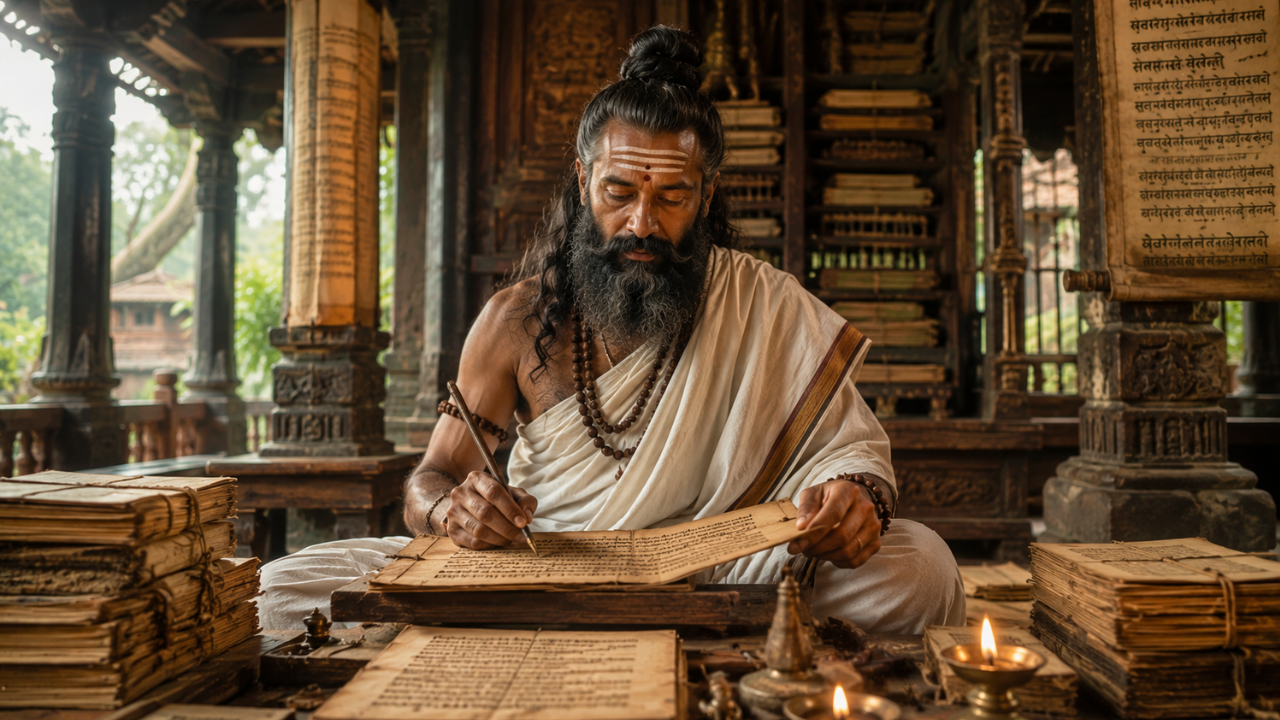
Patanjali did not invent yoga. Yoga already existed as an oral tradition, passed from teacher to student. What Patanjali did was gather this scattered knowledge and organize it into one clear, simple text.
Because of this, he is often called the "father of yoga philosophy." His work gave yoga a clear structure that people still follow today.
Why Do the Yoga Sutras Matter?
You may ask — why read an old text today? Here is what this small book still gives us.
- Calmer mind: Simple tools to slow down racing thoughts.
- Clear purpose: Explains why we practice yoga, not just how.
- Better daily life: Teaches honesty, patience, and self-control that help outside the yoga mat too.
- Real structure: Gives clear steps, so practice does not feel random.
- Deeper meditation: Explains focus and meditation in a way that is easy to apply.
- Timeless wisdom: Written centuries ago, yet it speaks directly to modern stress and distraction.
Many yoga teachers use these ideas even without saying so. Learning them helps you understand the "why" behind every class you attend.
The Four Chapters (Padas) Explained Simply
The Yoga Sutras are split into four parts. Each part builds on the one before it.
- 1. Samadhi Pada: Talks about deep focus and what the real goal of yoga is — a calm, clear mind.
- 2. Sadhana Pada: The practice chapter. It gives the actual steps and tools to reach that calm state.
- 3. Vibhuti Pada: Talks about the inner strengths that can grow from steady, deep practice.
- 4. Kaivalya Pada: The final chapter. It talks about full freedom — a mind no longer stuck in old patterns.
Most beginners only need to know Sadhana Pada well at first. It has the most practical, day-to-day tools for real life.
Ashtanga — The Eight Limbs of Yoga
The most famous part of the Yoga Sutras is Ashtanga — eight steps that guide a student from simple daily habits to deep inner peace.
- Yama: How we treat others — truth, non-harm, honesty.
- Niyama: How we treat ourselves — cleanliness, contentment, self-study.
- Asana: A steady, comfortable body posture for sitting and practice.
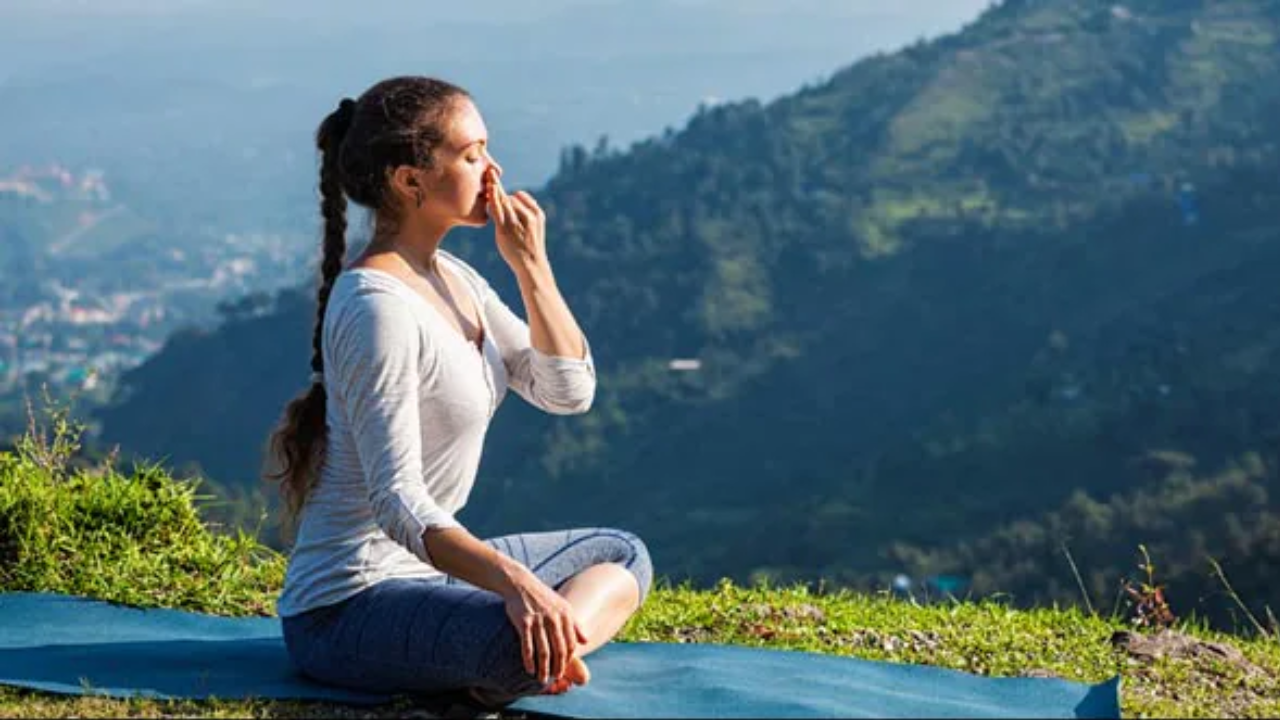
- Pranayama: Control and awareness of the breath.
- Pratyahara: Pulling the senses inward, away from outside noise.
- Dharana: Holding focus on one single point.
- Dhyana: Meditation — a smooth, steady flow of focus.
- Samadhi: Deep peace, where the mind and the focus become one.
These eight limbs are not steps you finish and forget. They work together, and you keep returning to all of them throughout your whole practice.
Key Teachings Explained Simply
A few core ideas repeat across the whole text. Once you understand these, the rest becomes much easier to follow.
- Yoga is stilling the mind: The very first teaching says yoga is the calming of mental waves and restlessness.
- Practice plus non-attachment: Two tools work together — steady practice, and letting go of over-attachment to results.
- The mind creates suffering: Most pain comes from how the mind reacts, not from the event itself.
- Small steady steps win: Long, consistent practice done with care always beats short bursts of effort.
- Watch the thought patterns: Learning to observe your own thoughts is the real starting point of change.
None of these ideas need blind belief. You can test each one simply by watching your own mind during daily life.
Common Misunderstandings About the Yoga Sutras
Many beginners get a few things wrong at first. Clearing these up makes the whole text far easier to understand.
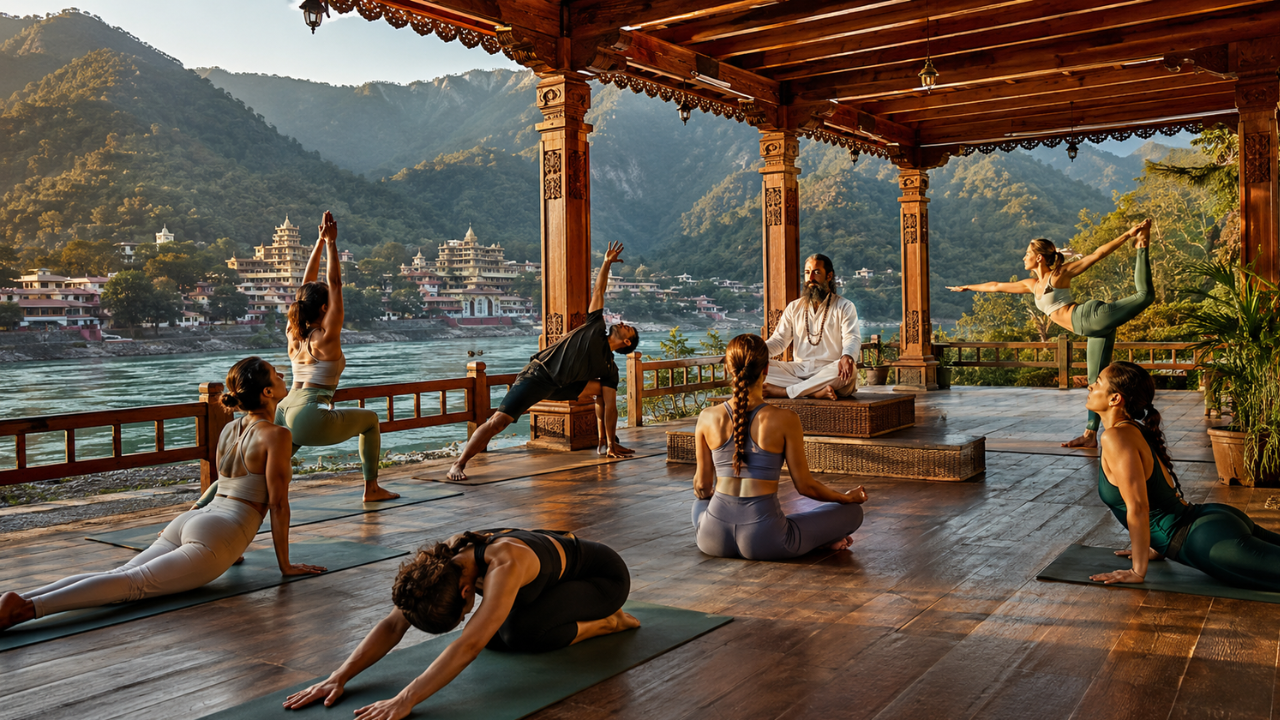

- "It is just about body poses": Asana is only one of eight limbs. The text is mostly about the mind, not the body.
- "It is a religion": The Yoga Sutras are a philosophy of the mind, open to people of any faith or none at all.
- "You must read it in order": Many students start with practical chapters first and go back to the theory later.
- "It is too hard for beginners": The ideas are deep, but a simple beginner-friendly explanation is enough to start.
- "Old means outdated": The problems it solves — a restless, stressed mind — are still very much present today.
How to Start Reading the Yoga Sutras
You do not need to read all 196 verses at once. Start slow, and let the ideas sink in over time.
- Pick a simple translation: Choose a beginner version with plain-language commentary, not just raw Sanskrit.
- Read one sutra a day: Sit with just one verse. Let it settle before moving to the next.
- Connect it to real life: After reading, ask where this idea shows up in your own day.
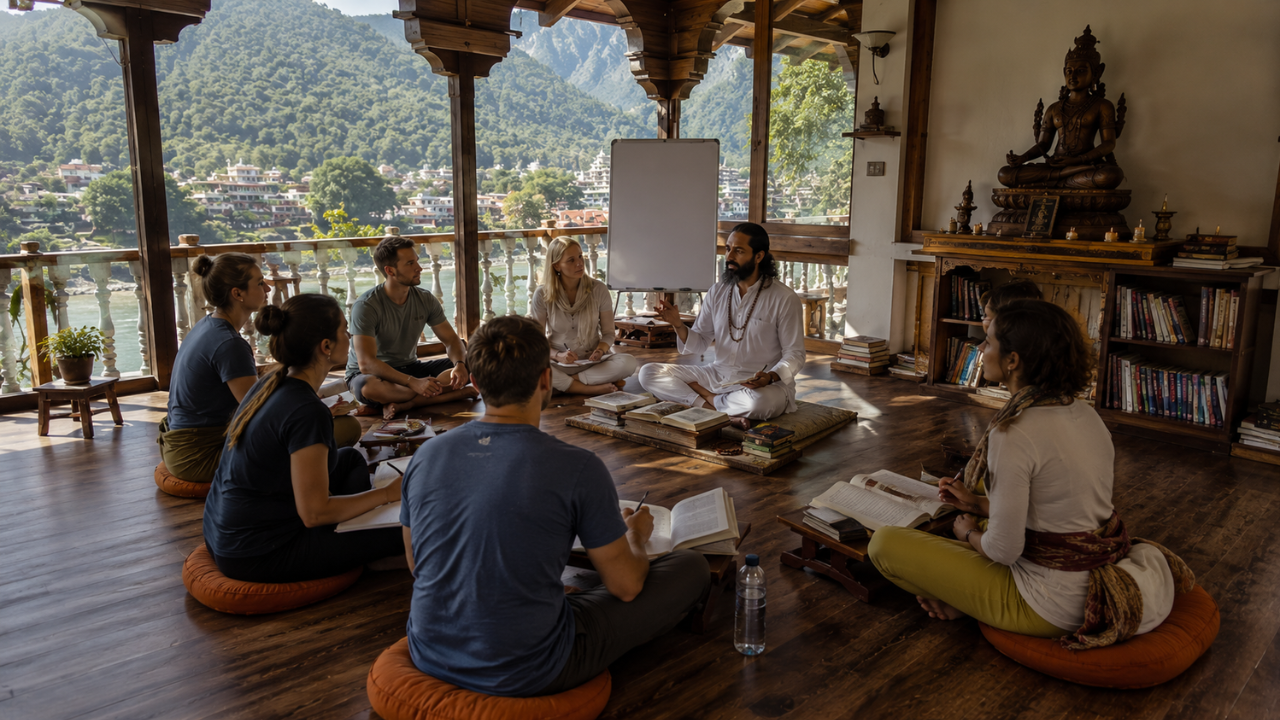
- Join a study group: Talking about the ideas with others makes them much easier to grasp.
- Practice alongside reading: Pair the theory with actual meditation or breathing practice for it to feel real.
Reading slowly is not a weakness. This text was written to be studied for years, not finished in one sitting.
Quick Checklist — Do You Understand the Basics?
Check yourself against this short list. If these points feel clear, you have a solid beginner grasp of the Yoga Sutras.
- You know the Yoga Sutras have 196 short verses
- You know Patanjali organized yoga, he did not invent it
- You can name the four chapters, or Padas
- You know yoga is defined as stilling the mind
- You can list the eight limbs, or Ashtanga
- You understand practice and non-attachment work together
- You know Asana is only one small part of the whole text
- You have a simple beginner translation to start reading
Study Yoga Philosophy at Adishesh Yoga, Rishikesh
Want to go deeper into the Yoga Sutras? Come study at Adishesh Yoga in Rishikesh. Our teachers explain this ancient text in plain, simple language, connected to real daily practice — not just theory in a book.
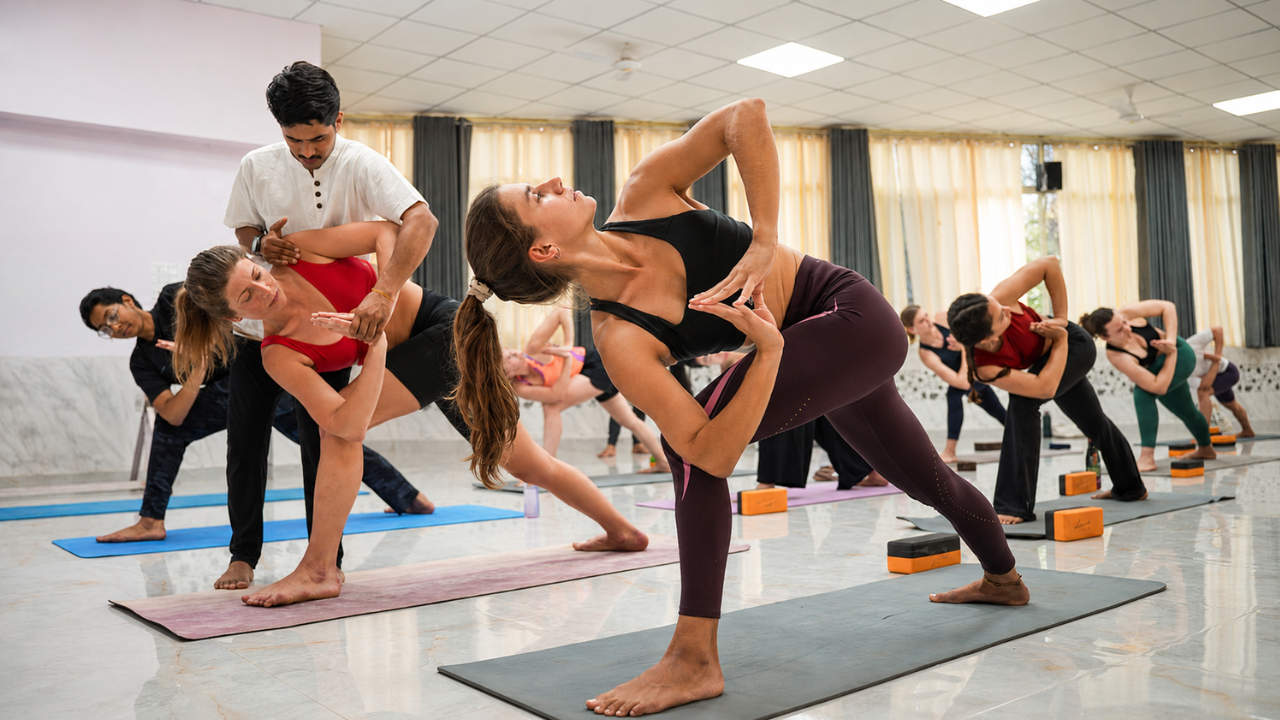
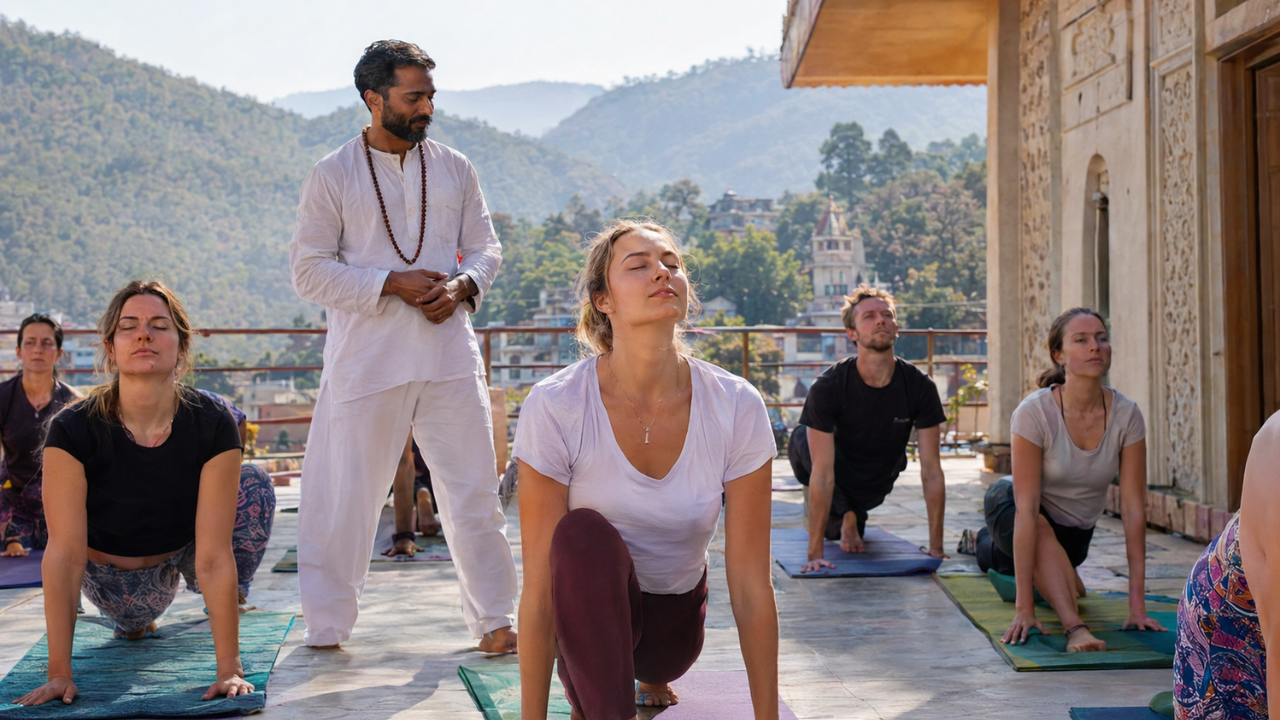
We teach yoga philosophy alongside asana, pranayama, and meditation in small groups. Every session is calm, clear, and beginner-friendly, whether you are new to yoga or already deep in your practice.
- Yoga philosophy classes: Simple, guided study of the Yoga Sutras and other classical yoga texts
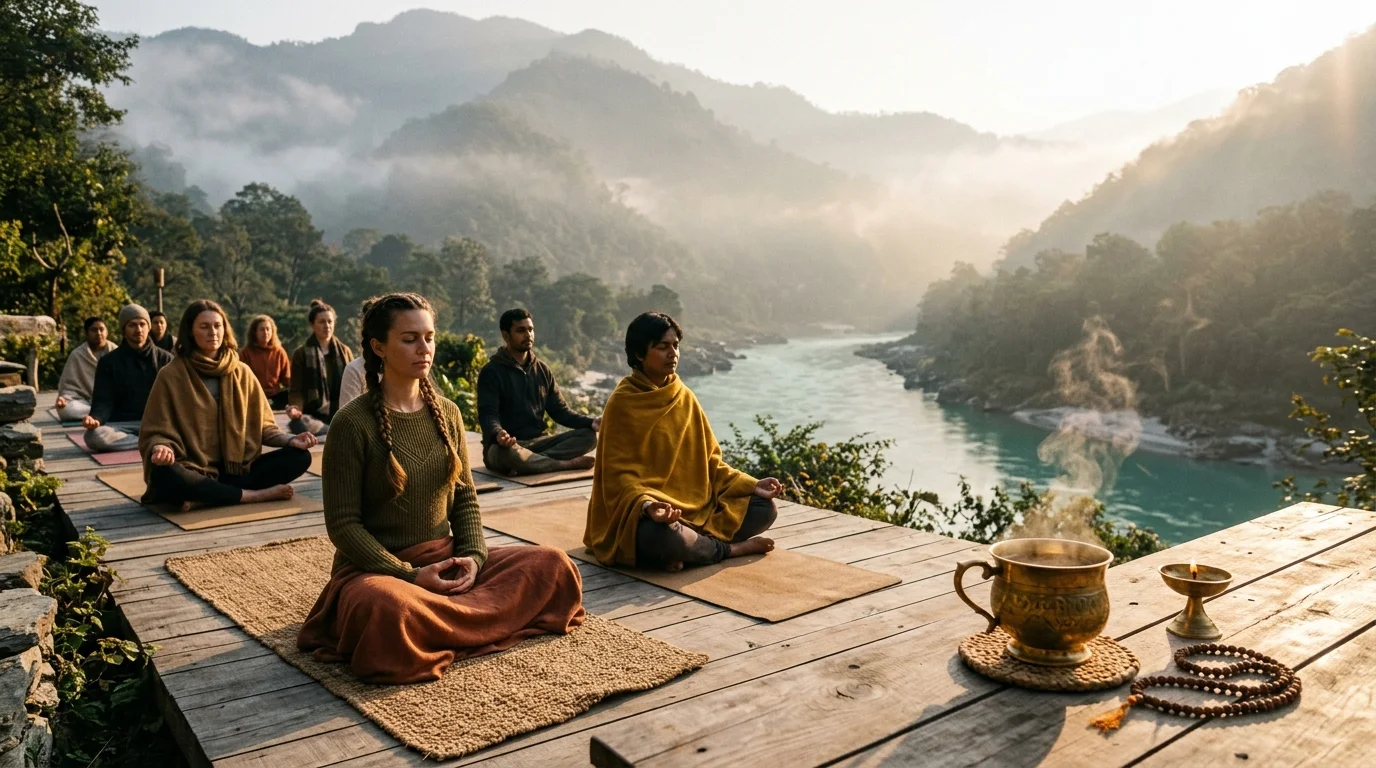
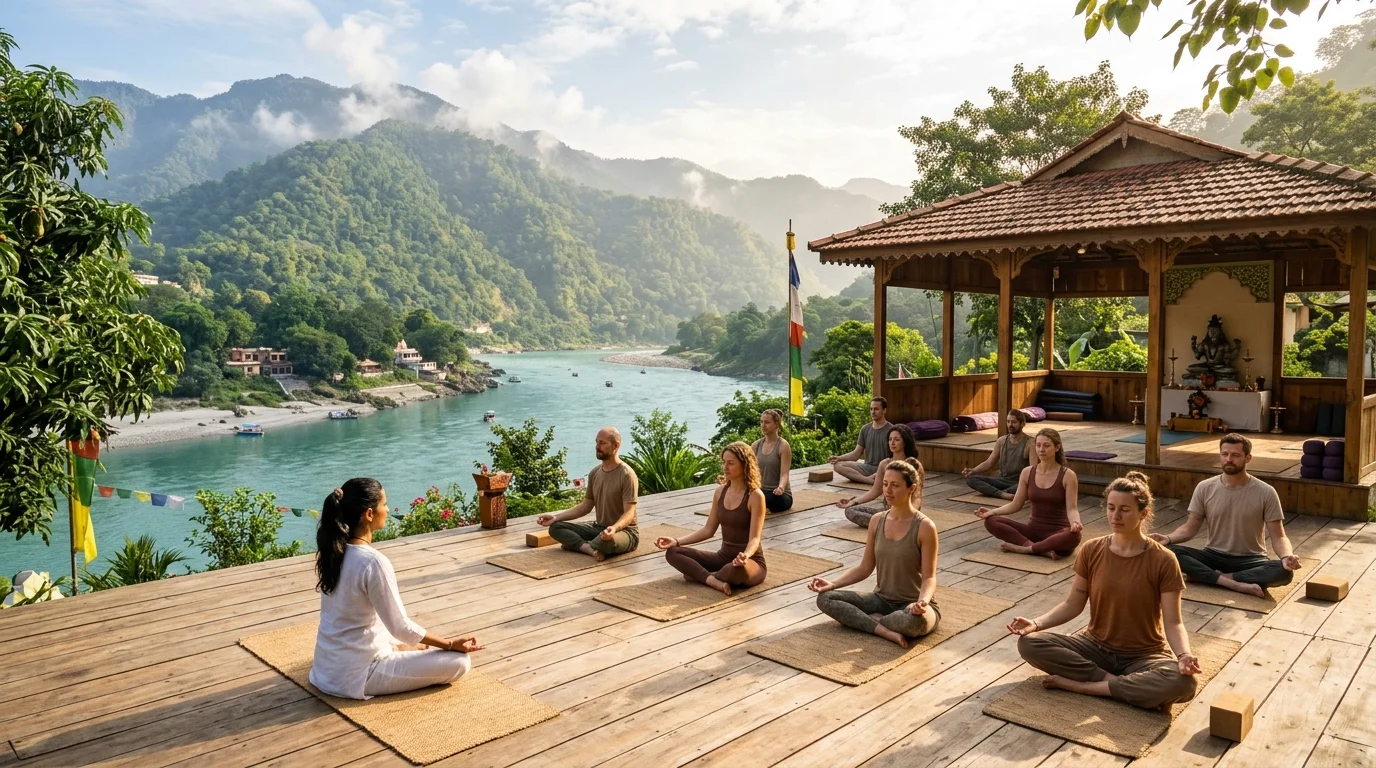
- Meditation sessions: Daily practice to feel the Sutras, not just read them
- Ashtanga explained: Clear teaching on all eight limbs, connected to real practice
- Small group sizes: Personal attention and space for real questions and discussion
- Experienced teachers: Deep knowledge of classical yoga texts, shared in simple, honest language
Come to Rishikesh. Sit quietly, study an old text, and find out how much it still speaks to your life today.
Frequently Asked Questions
Conclusion
The Yoga Sutras of Patanjali are not a hard old book meant only for scholars. They are a simple map for a calmer mind — written in a way that still works today.
Start with one idea. Read one verse. Watch your own mind for a day. Bit by bit, the deeper meaning of this old text starts to feel very close and very real.
If you want a teacher to guide you through this text with simple, clear explanation — come study at Adishesh Yoga in Rishikesh. We will help you find calm — in the Yoga Sutras and in life.
Explore Authentic Yoga in Rishikesh with Adishesh Yoga
Deepen your meditation and breathwork on the sacred banks of Mother Ganga. Study authentic yogic philosophy and traditional Hatha & Vinyasa under lead instructor Vikas Negi.