Some yoga poses feel powerful the moment you do them. Camel Pose is one of those. The moment you open your chest and arch your back — you feel it. In your spine. In your heart. Even in your mood.
Camel Pose is called Ustrasana in Sanskrit. "Ustra" means camel. And when you are in the pose — the shape of your body actually looks like a camel's hump. This 2026 guide will teach you how to do it right, what benefits it gives, and how to make it easier if you are just starting out.
What Is Camel Pose?
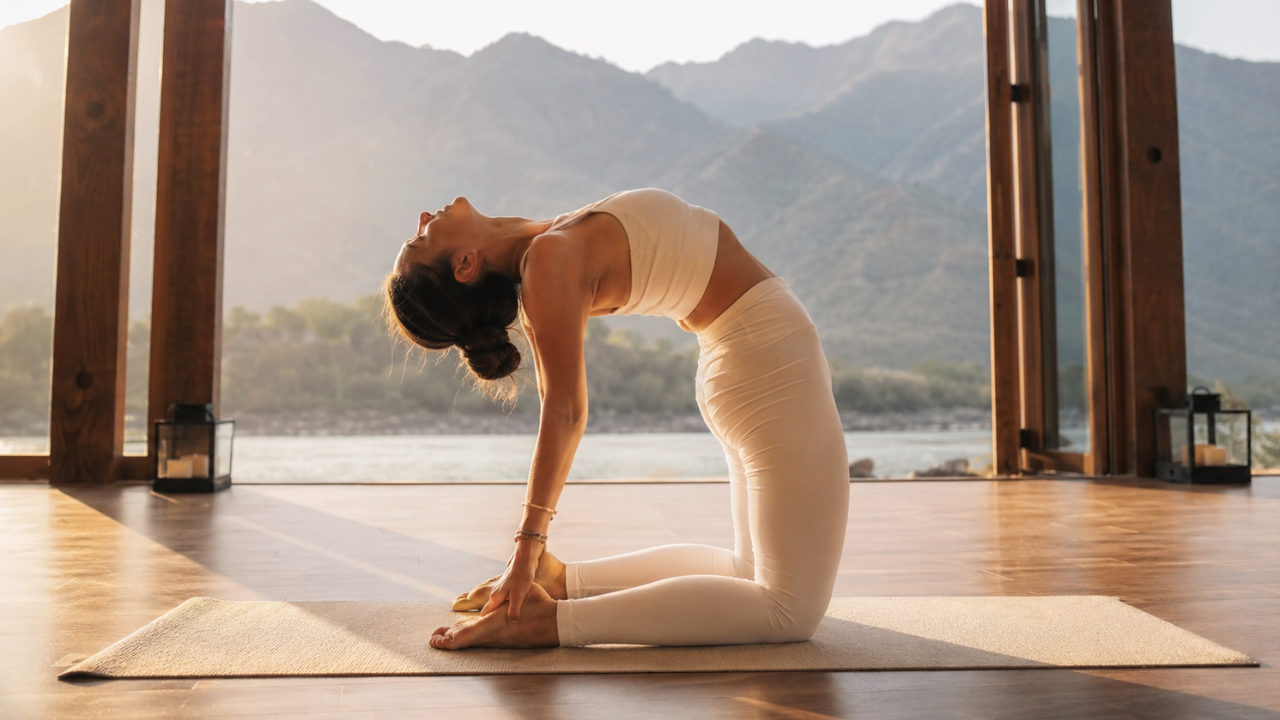
Camel Pose is a kneeling backbend. You kneel on the mat, lift your chest, bend your spine backward, and reach your hands back to hold your heels. The whole front of your body opens — chest, belly, hip flexors, and thighs.
It is a big pose. But it is not just for advanced people. With the right steps and small changes, beginners can also do it safely and feel great benefits from the very first try.
- Sanskrit name: Ustrasana
- English name: Camel Pose
- Type: Backbend / Heart Opener / Stretch
- Level: Beginner to Intermediate
- Hold time: 3 to 5 breaths (20 to 40 seconds)
- Good for: Spine, chest, hip flexors, posture
How to Do Camel Pose – Step by Step
Follow these steps slowly. Do not rush into the full pose. Build it breath by breath. That is how you stay safe — and get the most out of it.
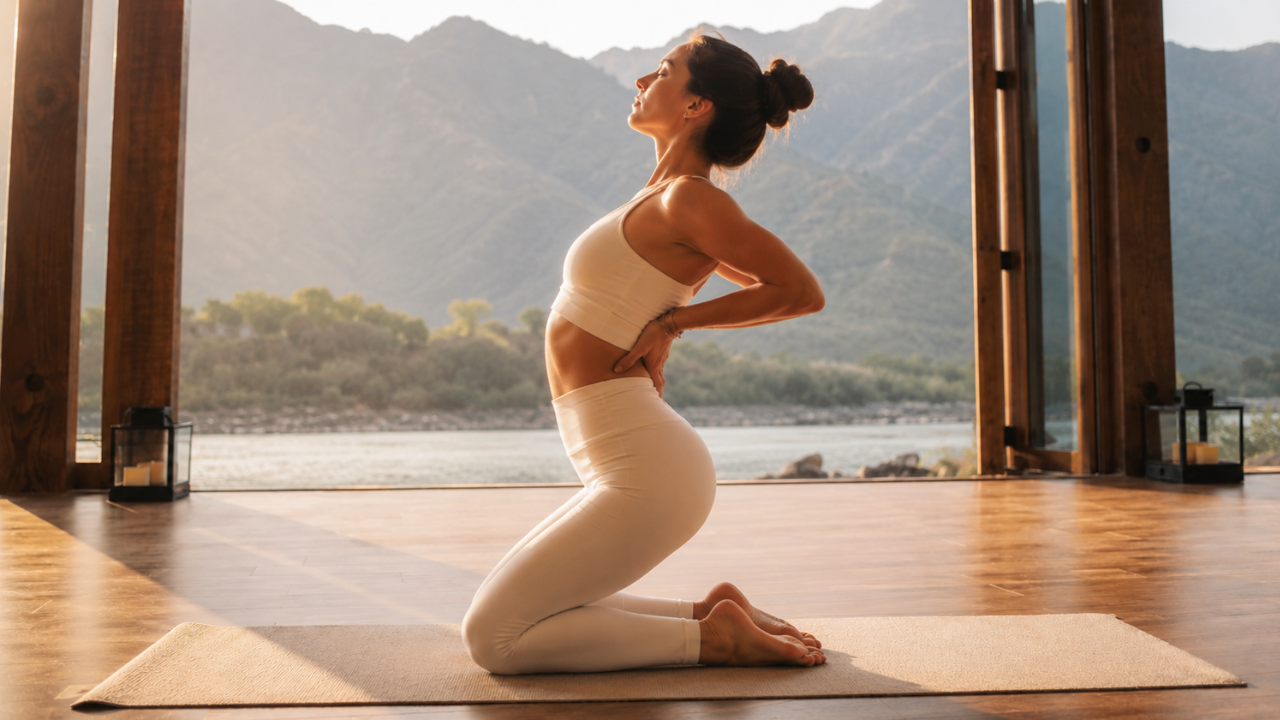
Step 1 – Kneel on the Mat
Come onto your knees. Keep your knees and feet hip-width apart. Your shins should be flat on the mat. Point your toes back. Sit up straight and take a breath to get ready.
Step 2 – Hands on Lower Back
Place both hands on your lower back — fingers pointing down. This gives your back support as you start to bend. Press your hips gently forward so your hips stay above your knees.
Step 3 – Lift Your Chest
Breathe in. As you inhale — lift your chest up toward the ceiling. Imagine someone is pulling your chest open from the front. Your shoulders roll back. Your spine starts to curve backward. This is the most important part of the pose — lift first, bend later.
Step 4 – Reach Back for Your Heels
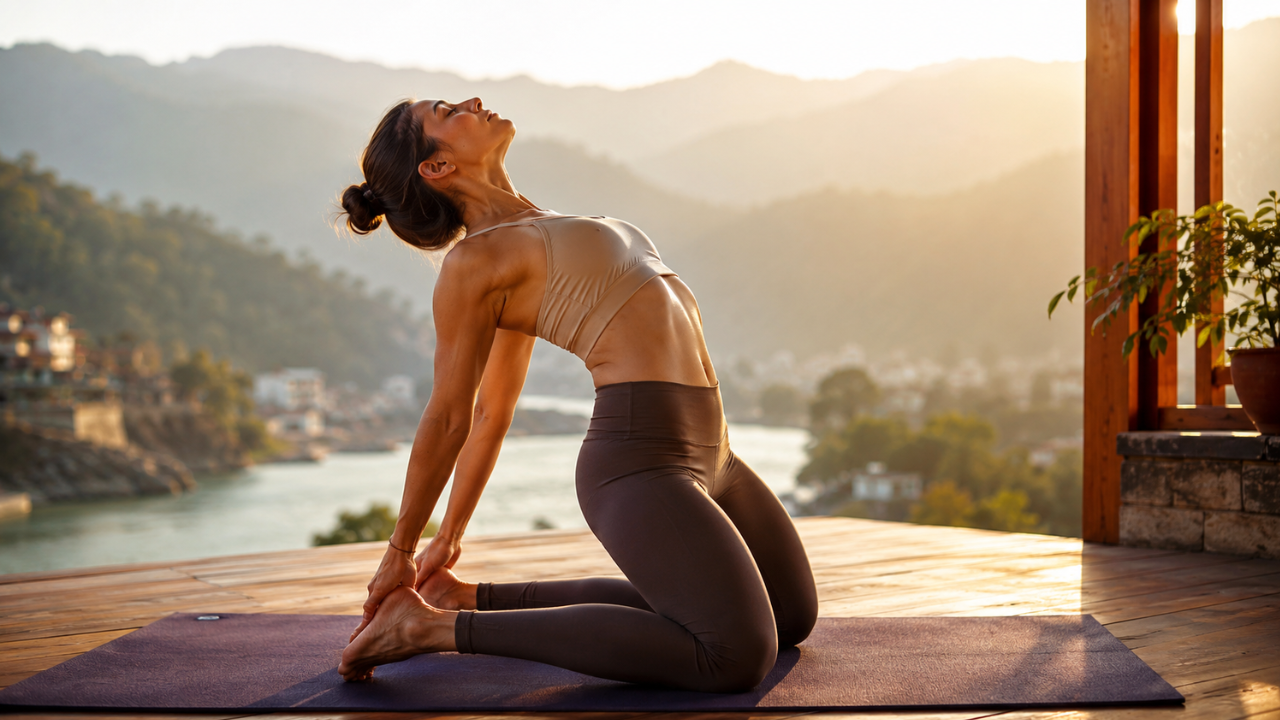
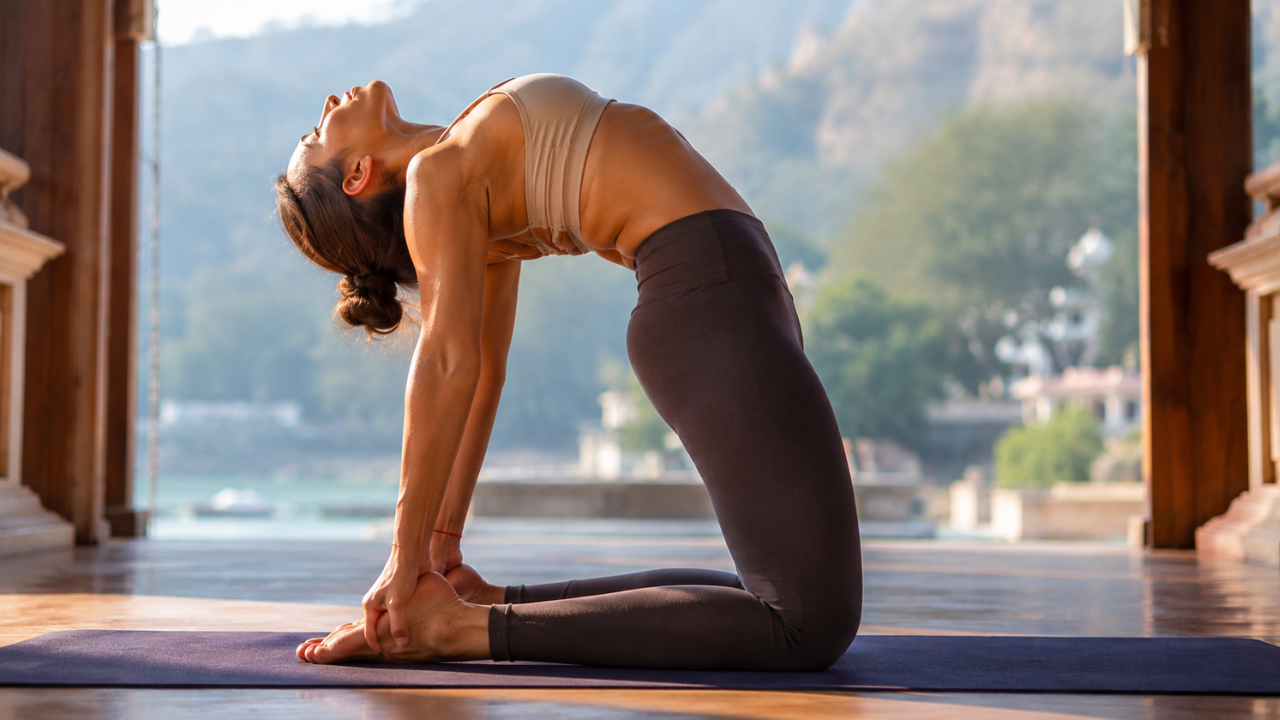
On your exhale — slowly reach one hand back to your right heel. Then reach the other hand to your left heel. If you cannot reach, keep your hands on your lower back or use yoga blocks. Do not force it.
Step 5 – Open the Chest and Drop the Head
Once your hands are on your heels — push your chest up and forward. Press your hips forward too, so your thighs stay vertical. If it feels okay for your neck — let your head drop back gently. If not, keep your chin tucked slightly.
Step 6 – Hold and Breathe
Hold the pose for 3 to 5 slow breaths. Keep breathing deeply into your chest. Every inhale opens the chest more. Every exhale helps you relax into the pose.
Step 7 – Come Out Carefully
To come out — bring your hands back to your lower back first. Use your core to lift yourself back up slowly. Do not come up quickly — that can make you dizzy. Once up, sit back in Child's Pose and rest for a few breaths.
Top Benefits of Camel Pose
Camel Pose is not just a stretch. It does a lot for your body and your mind. Here are the real benefits — and why so many yoga teachers love this pose.
1. Opens the Chest and Heart
Camel Pose opens the chest more than almost any other pose. If you sit at a desk or use a phone a lot — your chest closes over time. Camel Pose pulls it open. You will feel the difference right away — your breathing becomes deeper and easier.
2. Stretches and Strengthens the Spine
The deep backbend stretches the front of the spine and strengthens the muscles along the back. Regular practice can reduce stiffness in the spine and help with mild back pain — especially the kind that comes from sitting too much.
3. Fixes Bad Posture
Rounded shoulders and a hunched back are very common today. Camel Pose works directly against that. It trains your back muscles and chest to stay open — so over time your posture improves even when you are not doing yoga.
4. Stretches the Hip Flexors and Thighs
Your hip flexors — the muscles at the front of your hips — get very tight from sitting. Camel Pose gives them a long, deep stretch. Many people feel tight in this area without even knowing it. After Camel Pose, that tightness starts to go away.
5. Boosts Energy
Because the chest opens and breathing becomes deeper — many people feel a natural boost of energy after doing Camel Pose. It is a great pose to do in the morning or when you feel sluggish and low on energy.
6. Helps Digestion
Camel Pose stretches the abdomen and stimulates the digestive organs. If you feel bloated or heavy after eating — this pose can help move things along. It is gentle but effective for digestion problems.
7. Releases Emotional Tension
In yoga, the chest and heart area is where we hold a lot of emotional tension. Many people feel a strong release — sometimes even emotion — when doing Camel Pose for the first time. This is normal. The pose gently opens the area we usually protect and close off.
- Muscles worked: Spinal extensors, glutes, hip flexors, chest, abs, thighs
- Improves: Posture, spinal flexibility, chest mobility, digestion
- Relieves: Back stiffness, tight hip flexors, fatigue, mild anxiety
- Prepares for: Wheel Pose (Chakrasana), Bow Pose (Dhanurasana), deeper backbends
Common Mistakes in Camel Pose
These mistakes are very common — especially for beginners. Knowing them before you try the pose will save you from pain and help you get the full benefit.
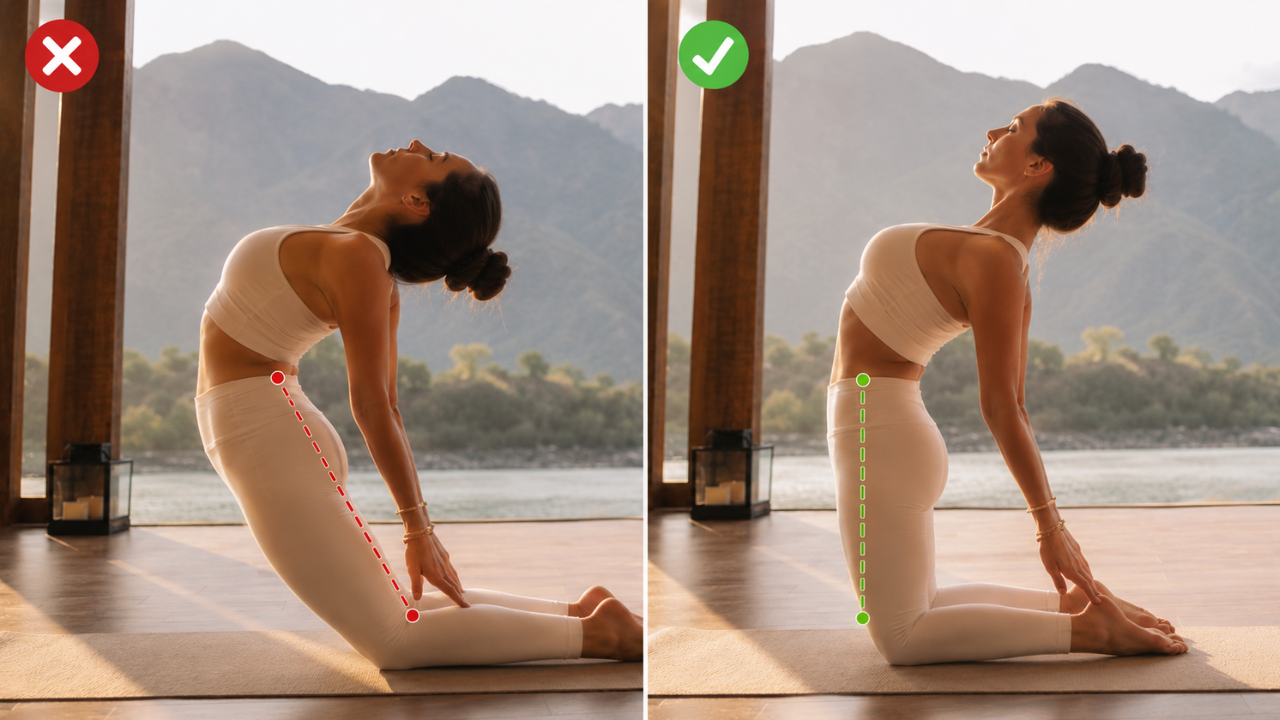
Mistake 1 – Hips Falling Back
This is the most common mistake. When your hips push back behind your knees, the pose collapses. All the backbend then goes into the lower back — which can cause pain. Fix: Keep your hips pushed forward so they stay directly above your knees the whole time.
Mistake 2 – Going for the Heels Too Soon
Many beginners try to grab their heels before they have opened their chest. This makes the lower back bend too much and the chest stays closed. Fix: Lift your chest up first. Open the chest before you even think about reaching back. The chest leads — the hands follow.
Mistake 3 – Squeezing the Glutes Too Hard
Some people squeeze their glutes very hard trying to feel "stable." But this actually compresses the lower back. Fix: Keep the glutes soft. Engage them just enough to feel stable — not tight.
Mistake 4 – Dropping the Head Back Too Fast
Letting the head drop back suddenly can strain the neck — especially if you have any cervical tightness. Fix: Drop the head back very slowly and gently. Or keep a small chin tuck if your neck feels any pressure at all.
Mistake 5 – Coming Up Too Fast
Coming out of Camel Pose quickly can cause dizziness. The blood shifts fast when you come out of a backbend. Fix: Come up very slowly, hands to hips first, then use your core to rise. Sit quietly for a few seconds after.
Tips for Beginners – Make Camel Pose Easier
Camel Pose can feel intense the first time. That is totally normal. These tips will make it more manageable and help you enjoy the pose instead of fighting it.
- Keep hands on lower back: You do not have to touch your heels. Keeping hands on your lower back is already a great version of the pose for beginners.
- Use yoga blocks: Place blocks on the outside of your ankles and rest your hands on them. This brings the "floor" closer to you.
- Tuck your toes: Tuck your toes under instead of pointing them flat. This raises the heels a little — making them easier to reach.
- Start with half pose: Only reach one hand back at a time, keeping the other on your lower back. This is a gentler way to ease into the backbend.
- Warm up your spine first: Do Cat-Cow, Cobra, and Bridge Pose before attempting Camel. A warm spine bends much more safely and comfortably.
- Rest in Child's Pose after: Always rest in Child's Pose for at least 5 breaths after Camel Pose. It releases the spine and balances the backbend.
How Long Should You Hold Camel Pose?
Beginners should hold Camel Pose for 3 to 5 breaths — about 20 to 30 seconds. As your spine becomes more flexible and your chest opens up, you can slowly build to 5 to 8 breaths. Doing 2 to 3 rounds per session is enough.
Camel Pose Modifications for All Levels
Every body is different. These simple changes help you get the most from Camel Pose — at whatever level you are at right now.
For Beginners – Hands on Lower Back
Keep your hands pressed firmly into your lower back. Focus entirely on lifting the chest and pushing the hips forward. This is a real and complete version of Camel Pose — not a "lesser" version. Many experienced yogis still practice this way to protect their lower back.
For Tight Spine – Toes Tucked Under
Tuck your toes under so your heels are raised. This makes reaching back much easier. As your spine gets more flexible, you can slowly lower the feet flat and reach from there.
For Advanced Practitioners – Full Expression
Once comfortable in the full pose, try walking your hands further down toward the soles of the feet. You can also try lifting one arm up toward the sky while the other holds a heel — this adds a twist and deepens the chest opening.
Camel Pose vs Wheel Pose – What Is the Difference?
- Position: Camel = kneeling. Wheel = lying on the back.
- Intensity: Wheel Pose is deeper and requires more strength and flexibility.
- Who it is for: Camel is better for beginners. Wheel is for intermediate to advanced.
- Order: Practice Camel Pose first to prepare the spine for Wheel Pose.
- Which is better? Both are great — Camel Pose is a safer, more accessible heart opener for most people.
Who Should Be Careful with Camel Pose
Camel Pose is safe for most people when done correctly. But a few situations need extra care.
- Lower back injury: If you have a disc problem or serious back injury — get a doctor's advice before trying this pose. Use the hands-on-lower-back version only.
- Neck problems: Do not drop your head back if you have cervical spine issues. Keep a neutral neck position throughout.
- High blood pressure: Deep backbends can temporarily raise blood pressure. If you have this condition, be cautious and consult your doctor.
- Knee problems: If kneeling on the hard floor is painful, fold your mat double or use a blanket under your knees.
- During menstruation: Some women find deep backbends uncomfortable during heavy flow days. Listen to your body.
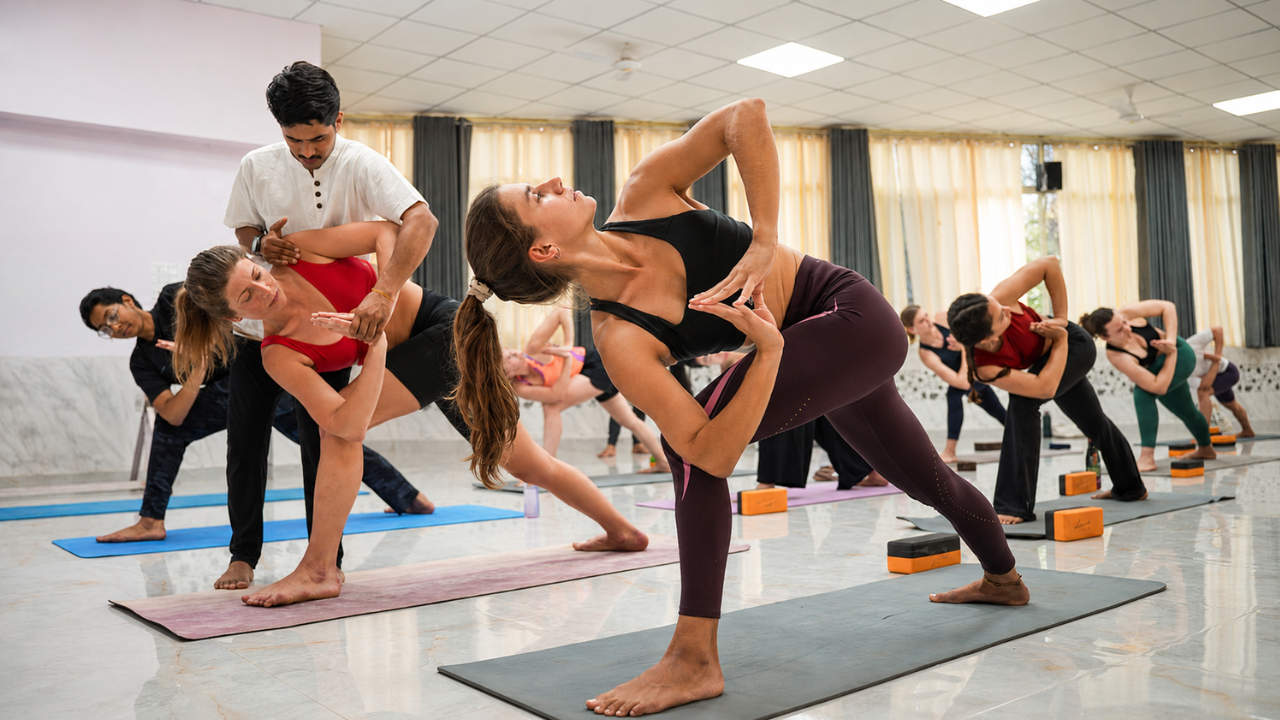
If you are new to yoga or have any health condition — always practice under the guidance of a trained yoga teacher. They can watch your alignment and help you find the right version of the pose for your body.
How to Add Camel Pose to Your Daily Yoga
Camel Pose fits well into many parts of a yoga session. Here is how to use it smartly based on your goal.
- After a warm-up: Always do Cat-Cow, Cobra, and Bridge Pose before Camel. Never do deep backbends on a cold spine.
- In a backbend sequence: Place Camel Pose after Locust Pose and Bow Pose — and before Wheel Pose. This builds intensity in the right order.
- For posture correction: Do 2 to 3 rounds of Camel Pose every day, especially after long hours at a desk.
- As a heart opener: Hold Camel Pose for 5 breaths with eyes closed and focus on breathing into the chest. Great for emotional release and stress relief.
- How often: 3 to 5 times a week is ideal to feel real improvement in chest opening and spinal flexibility.
Learn Camel Pose at a Yoga Retreat in Rishikesh
Reading about Camel Pose helps. But doing it with a real teacher — someone who watches your alignment and tells you exactly what to fix — that is where the transformation happens.
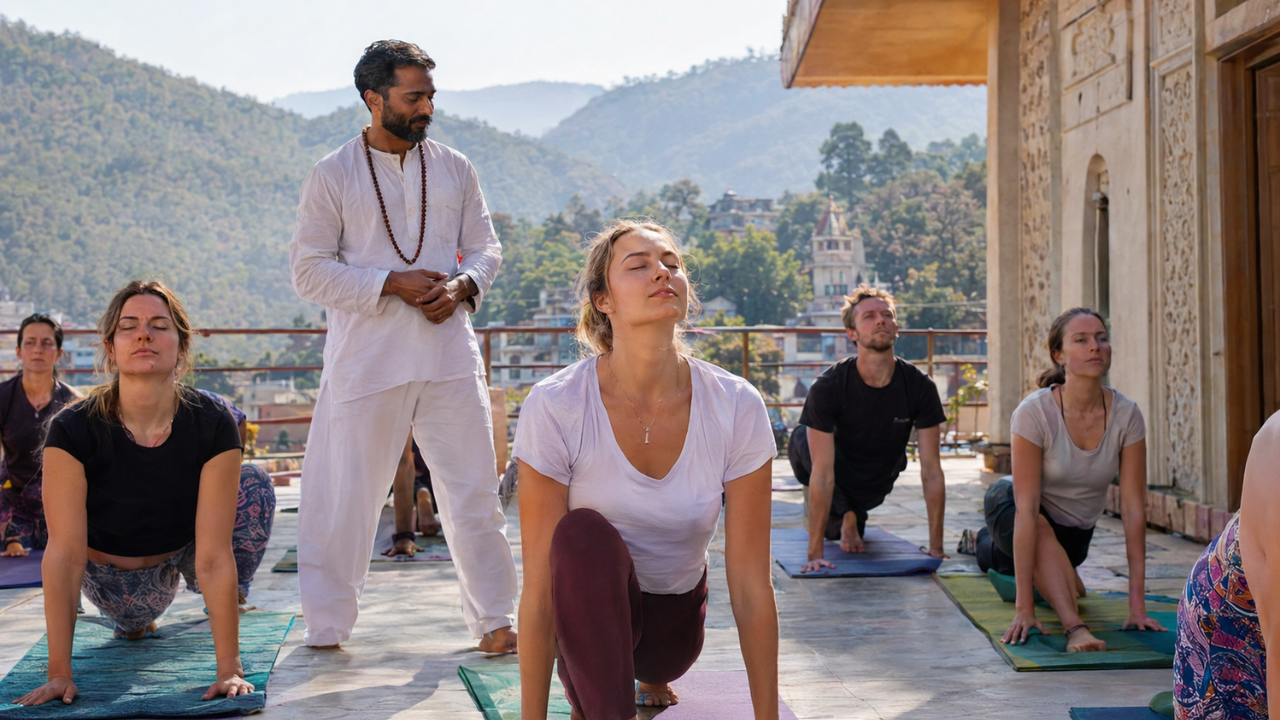
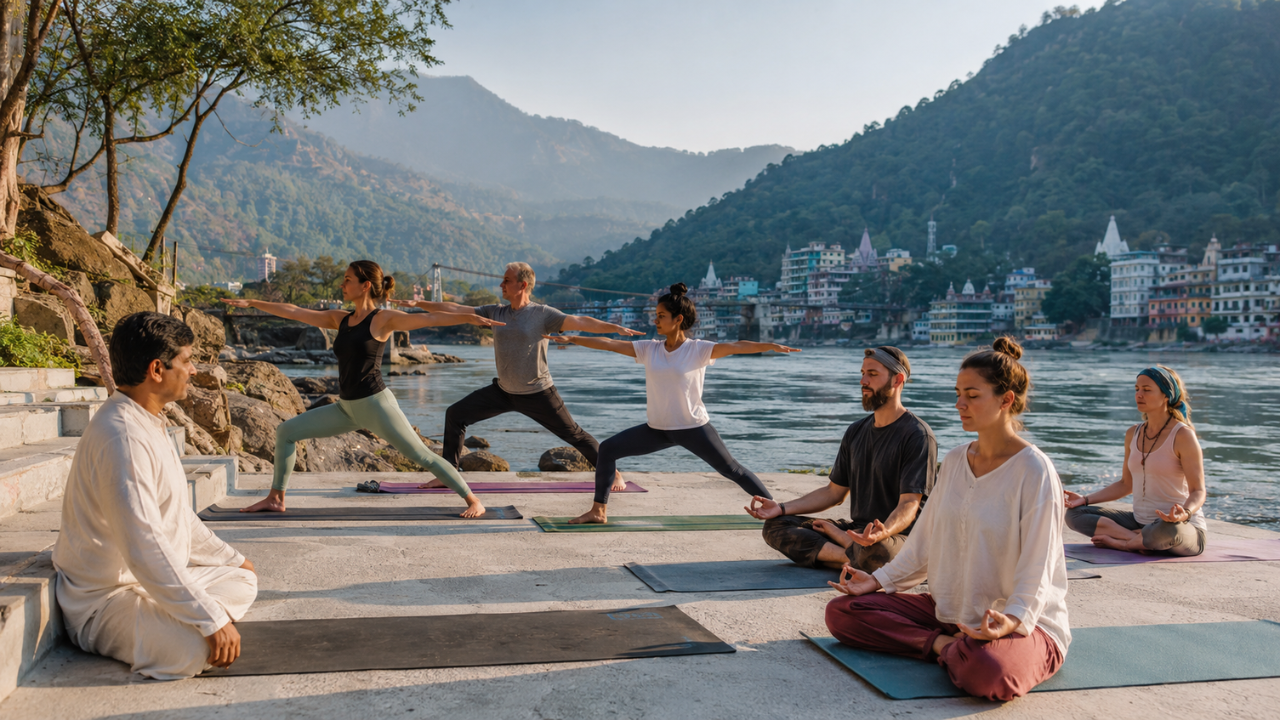
At Adishesh Yoga in Rishikesh, we teach Camel Pose as part of our yoga retreats and teacher training programs. Small groups, experienced teachers, and the peaceful energy of the Ganges make every session feel different from anything you have done before.
- Daily asana classes: Practice Camel Pose and all major backbends with proper alignment guidance every day
- Backbend workshops: Learn the full backbend journey — from Camel to Wheel Pose — safely and step by step
- Pranayama and meditation: Balance the intensity of backbends with breathwork and calming practices
- Personal attention: Small class sizes mean your teacher actually sees you and gives you real corrections
Frequently Asked Questions
Conclusion
Camel Pose is one of the most powerful poses in yoga for the front of the body. It opens the chest, stretches the spine, frees the hip flexors, and brings energy back to the body. And it works even if you are not flexible yet.
You do not need to reach your heels on the first try. You just need to get on the mat, kneel down, lift your chest, and breathe. That is already Camel Pose. Everything else comes with practice and time.
Want to learn poses like Camel Pose in person — with guidance, good energy, and the sound of the Ganges around you? Come visit us at Adishesh Yoga in Rishikesh. We would love to practice with you.