Quick Guide – Ganga Aarti Rishikesh
- Best Place: Triveni Ghat & Parmarth Niketan
- Best Timing: Sunset — approx. 5:30 PM to 7:00 PM (varies by season)
- Entry Fee: Free — no ticket required
- Duration: Approximately 20 to 30 minutes
- Best Season: October to March
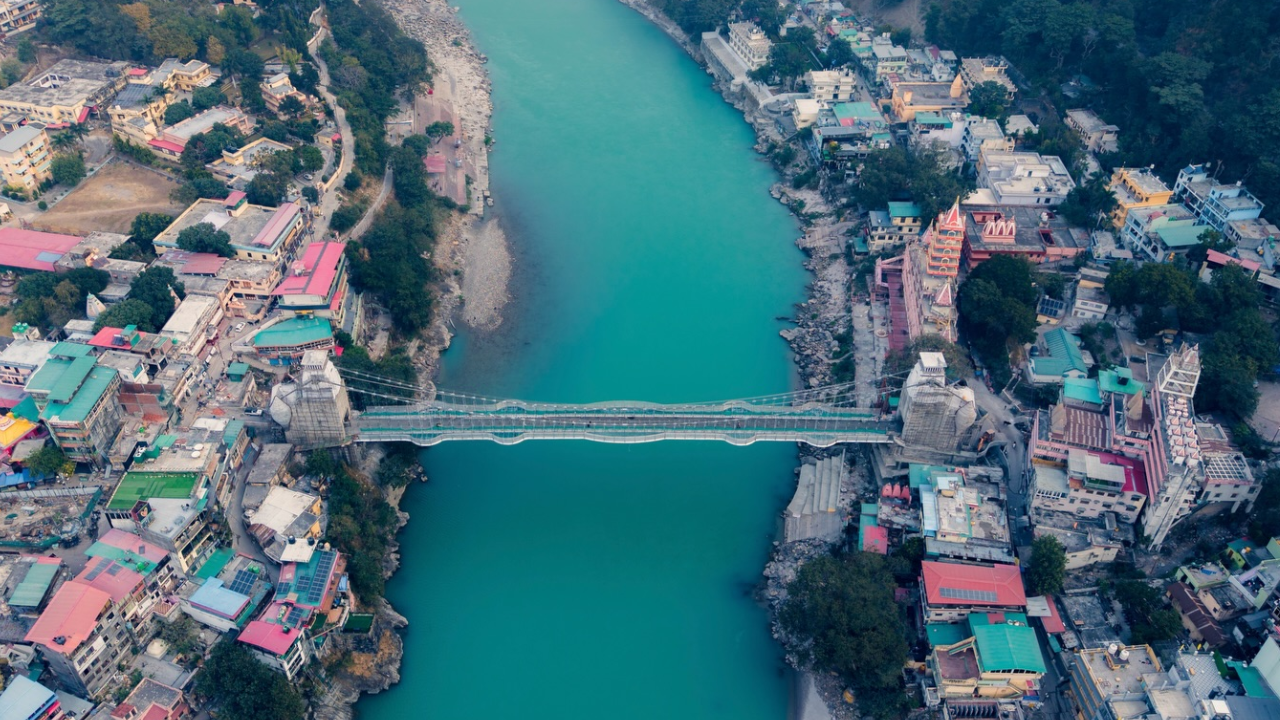
- Nearest Landmark: Ram Jhula, Rishikesh
- Diya Offering: Available from ghat vendors — ₹10 to ₹20
As the sun sets behind the Himalayan hills, the banks of the Ganges in Rishikesh begin to glow with fire lamps, chants, and spiritual energy. This evening prayer ceremony — known as Ganga Aarti — is not just a ritual. It is one of the most peaceful and moving spiritual experiences in all of India.
Thousands of people gather at the river's edge every evening. Pilgrims, yoga students, travellers, and first-time visitors — all standing together in the same place, all watching the same flames rise above the water. For a few minutes, the noise of the world disappears. Only the river, the chants, and the fire remain.
This 2026 guide gives you everything you need — the best spots to watch the Ganges prayer ritual, exact timings for Triveni Ghat and Parmarth Niketan, how to reach, what to expect, and how to make the most of your spiritual evening in Rishikesh.
What is Ganga Aarti?
Aarti is a Hindu ritual of offering light to a deity. The Ganges prayer ritual — performed on her banks every evening — is an act of gratitude to the river, which Hindu tradition considers a living goddess.
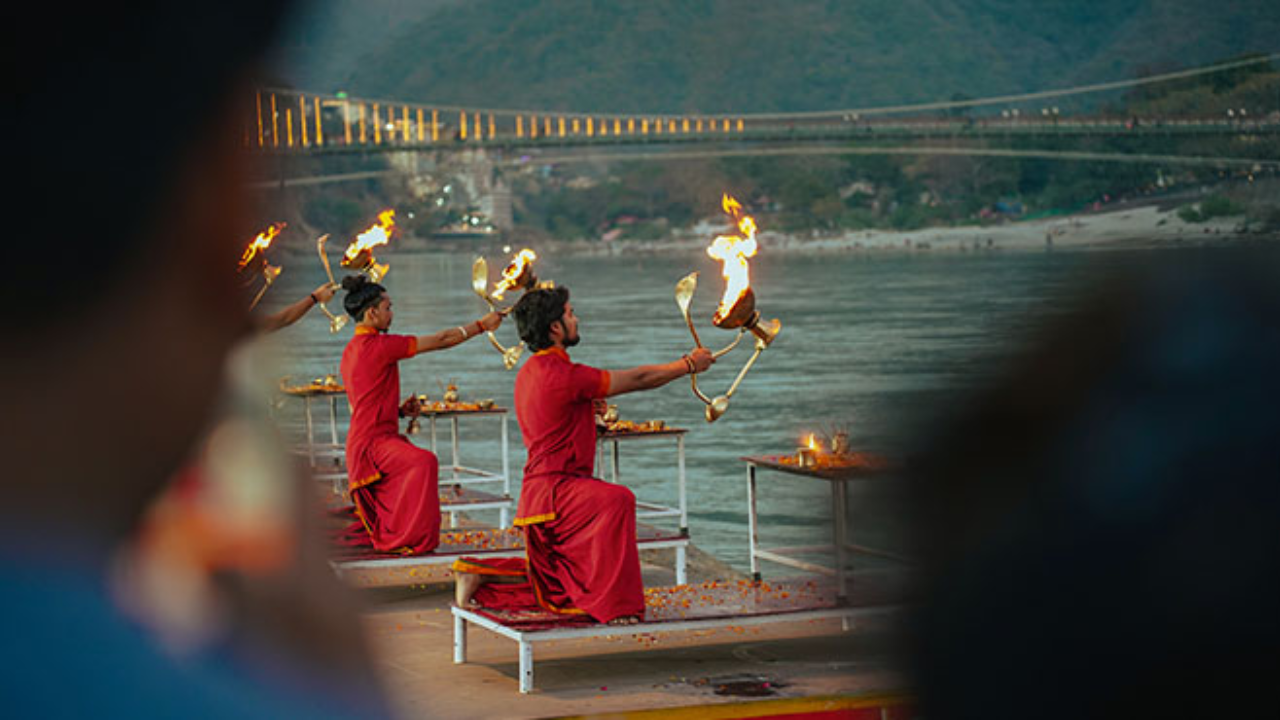
During this sacred river ritual, priests in saffron robes hold large brass lamps with multiple flames and move them in wide, circular arcs over the water. Bells ring. Conch shells blow. Devotional songs fill the air from every direction.
It is an ancient ceremony that has been performed every single day without fail — in heat, rain, and winter cold — for hundreds of years. No matter what is happening in the world outside, the evening prayer continues at the river's edge.
In Rishikesh, this sacred ceremony carries a special energy. The river is fast and young here — the mountains are close, the air is clean, and the spiritual atmosphere of the town wraps around you from the moment you arrive. Even if you have never attended a religious ceremony before — the Ganga Aarti will reach you.
Best Places for Ganga Aarti in Rishikesh
There are two main locations for this evening prayer ceremony in Rishikesh. Both are beautiful — but they offer a different kind of experience. Here is a clear comparison to help you choose.
| Place | Timing (Approx.) | Atmosphere | Best For |
|---|---|---|---|
| Triveni Ghat | 6:30 PM (Summer) / 5:30 PM (Winter) | Grand, vibrant, high energy | First-time visitors, pilgrims, families |
| Parmarth Niketan | 6:00 PM (Summer) / 5:00 PM (Winter) | Calm, organised, meditative | Spiritual seekers, yoga retreat guests |
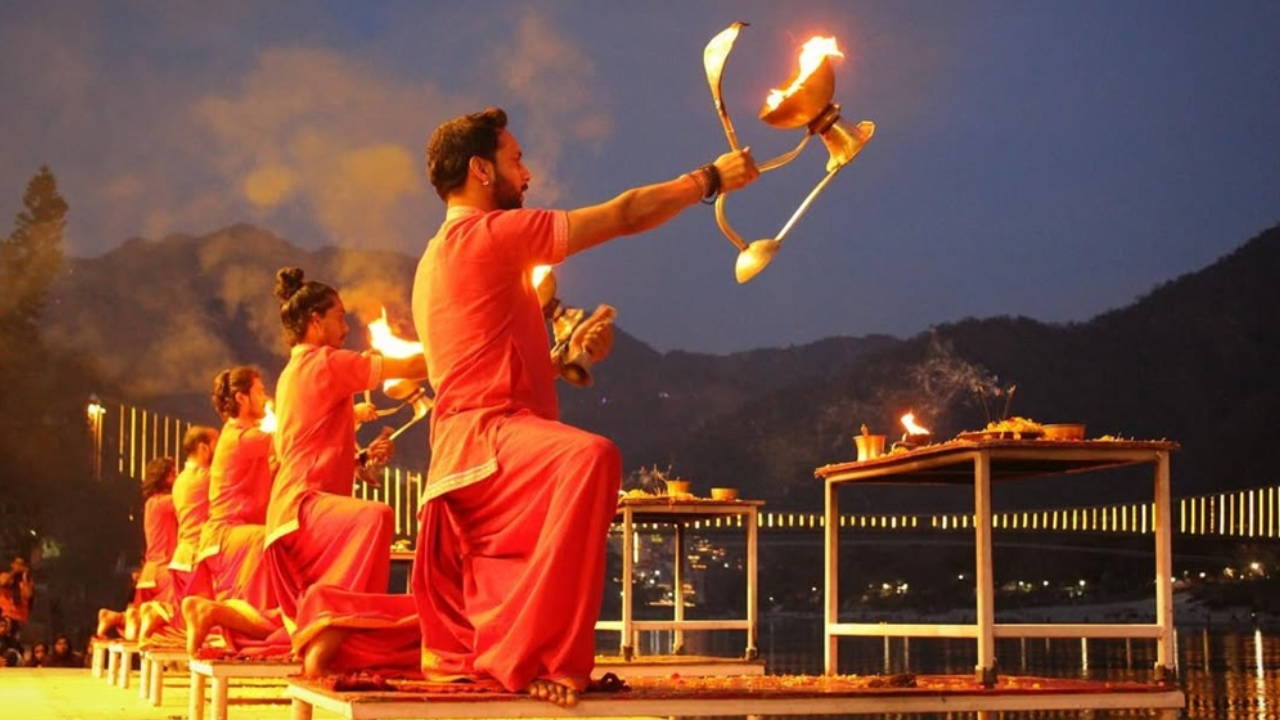
Triveni Ghat – Grand Sacred River Ritual
Triveni Ghat is where three rivers meet — Ganga, Yamuna, and the hidden Saraswati. It is the most well-known ghat in Rishikesh, and the evening prayer ceremony here is performed on a large scale by multiple priests together.
The energy here is alive and full. Bells ring loudly. The chanting rises above the sound of the river. Hundreds of people crowd the stone steps, many holding diyas, many with closed eyes in silent prayer. It is overwhelming in the best possible way.
Many devotees take a holy dip at Triveni Ghat before the ceremony begins. The ghat is alive with activity throughout the day — but the sacred hour before and during the evening ritual is when it truly comes to life.
- Location: Central Rishikesh town, near the main market area
- Google Maps: View Triveni Ghat on Google Maps
- Ceremony type: Grand community prayer with multiple priests
- Crowd level: Large — especially weekends and festivals
- Entry fee: None — free for all visitors
Parmarth Niketan – Peaceful Spiritual Evening
Parmarth Niketan is one of the most respected ashrams in Rishikesh. It sits right on the Ganges near Ram Jhula, and every evening it hosts a beautifully organised spiritual gathering at the riverbank.
The ceremony here is calmer and more meditative than Triveni Ghat. Devotional songs flow one after another. The setting — with a large Shiva statue, open sky, and the fast river flowing just feet away — creates a mood that is hard to find anywhere else.
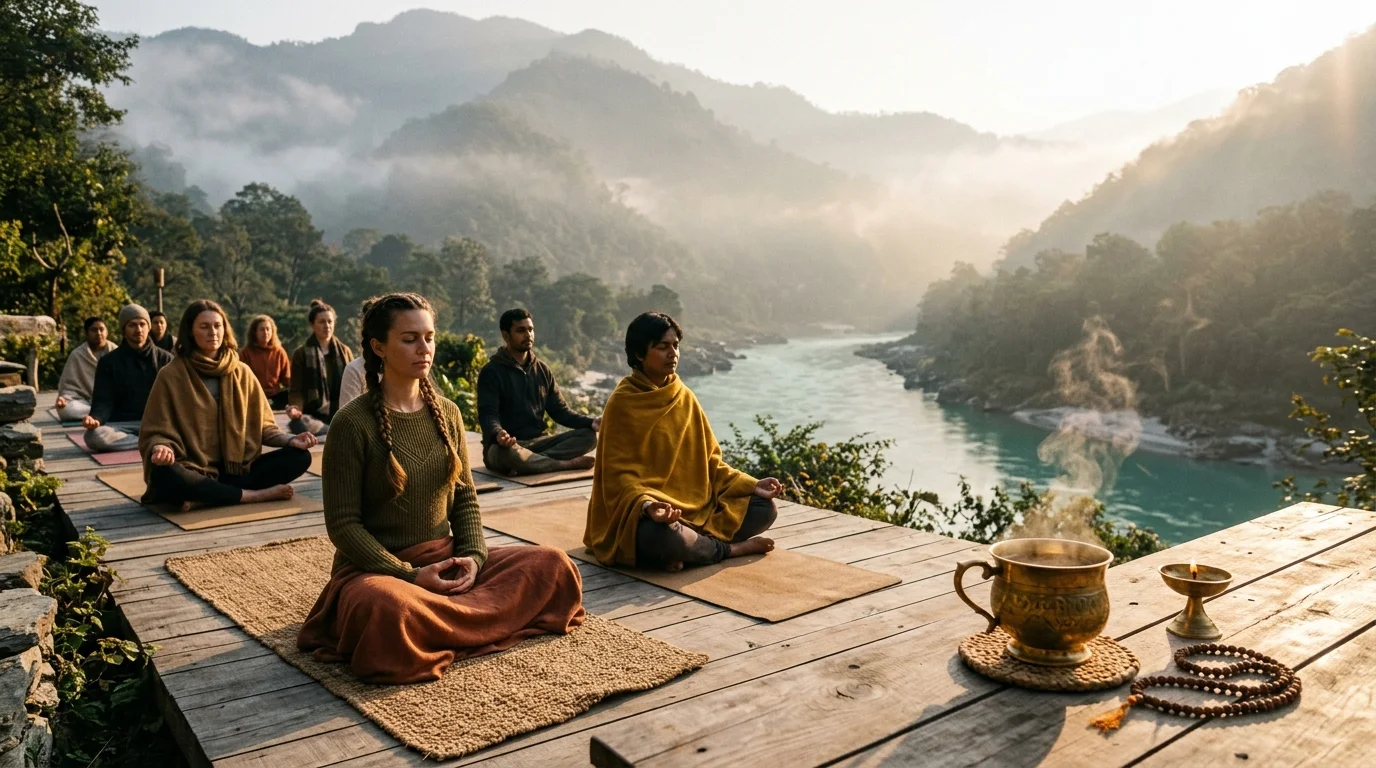
This is especially meaningful for visitors on a yoga retreat in Rishikesh. The ashram atmosphere, the chanting, and the riverside setting make it feel like a living meditation — not just a ceremony to watch.
- Location: Parmarth Niketan Ashram, near Ram Jhula, Rishikesh
- Google Maps: View Parmarth Niketan on Google Maps
- Ceremony type: Organised ashram prayer with devotional bhajans
- Crowd level: Moderate — more intimate and serene
- Entry fee: None — open to all visitors
Ganga Aarti Rishikesh Timing 2026
The timing of this evening prayer ceremony changes with the seasons because it is tied to sunset. Here is the full seasonal breakdown for both locations.
Triveni Ghat Timing
- January – February: 6:00 PM – 6:30 PM
- March – April: 6:30 PM – 7:00 PM
- May – June: 7:00 PM – 7:30 PM
- July – September: 6:30 PM – 7:00 PM
- October – November: 6:00 PM – 6:30 PM
- December: 5:30 PM – 6:00 PM
Parmarth Niketan Timing
- January – February: 5:30 PM – 6:00 PM
- March – April: 6:00 PM – 6:30 PM
- May – June: 6:30 PM – 7:00 PM
- July – September: 6:00 PM – 6:30 PM
- October – November: 5:30 PM – 6:00 PM
- December: 5:00 PM – 5:30 PM
Always arrive at least 20 to 30 minutes before the ceremony starts. The good spots near the river fill quickly — especially on weekends and during major festivals like Navratri, Diwali, and Kartik Purnima.
Ganga Aarti Time Today in Rishikesh
Today the sacred river ritual at Triveni Ghat begins at approximately 6:30 PM – 7:00 PM and at Parmarth Niketan at 6:00 PM – 6:30 PM, depending on the current season. Arrive 20 to 30 minutes early for the best spot near the Ganges.
The Spiritual Experience of Ganga Aarti
If you have never attended this kind of sacred river ritual before — words can only take you so far. But here is what most people feel when they are there for the first time.
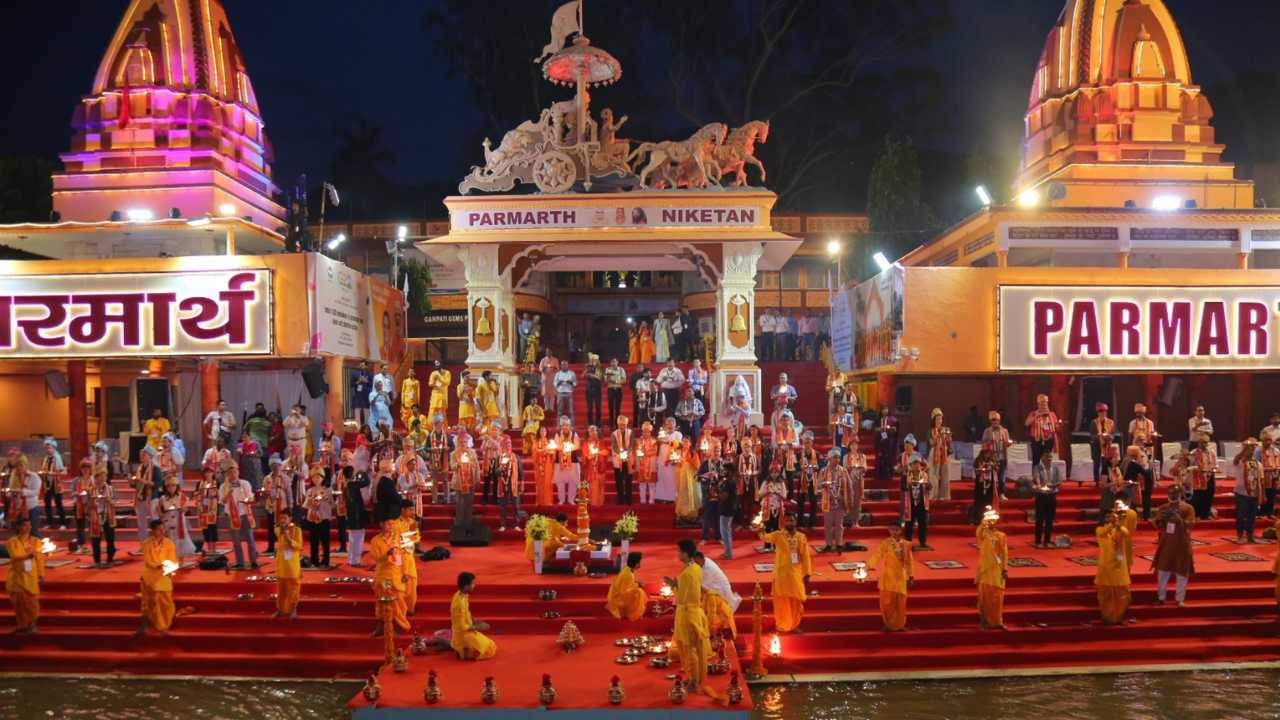
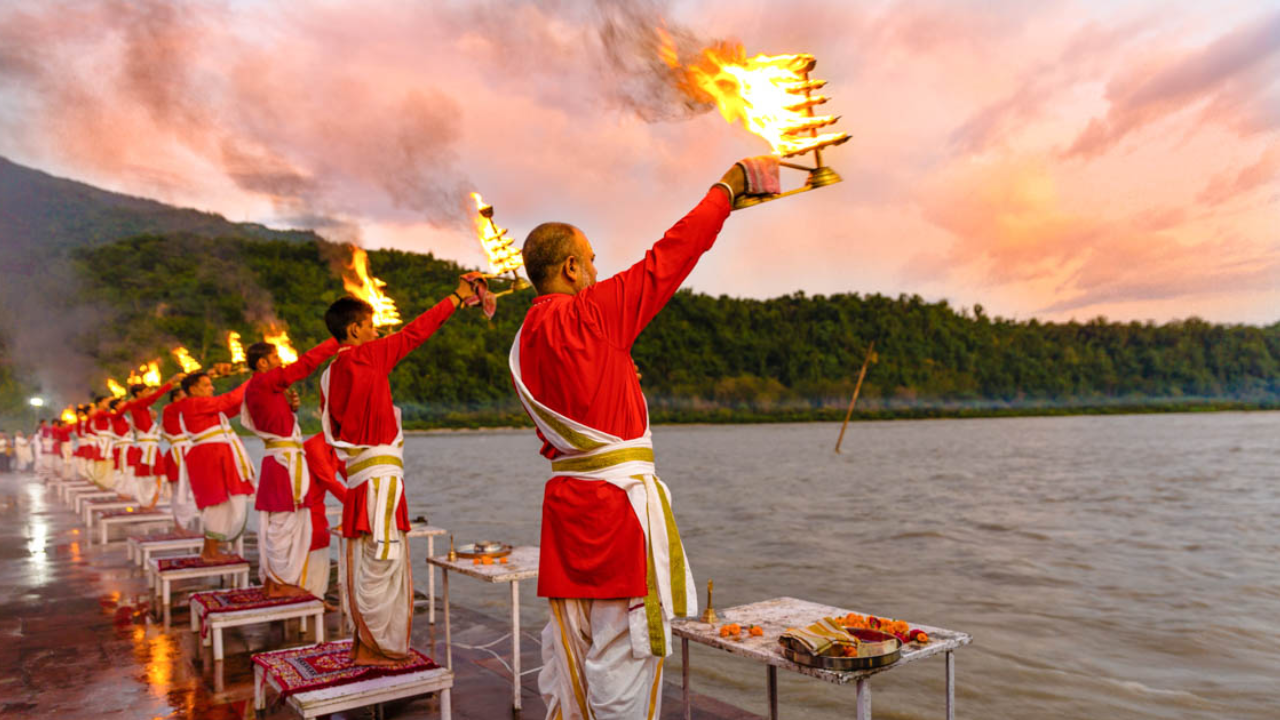
When the ceremony begins, something in the air changes. The chanting builds slowly, then fills everything around you. The priests move the flames in wide arcs over the dark water. The river reflects the light back in ripples of gold and orange.
People around you are quiet. Some are praying. Some have their eyes closed. Some are holding their breath because they did not expect to feel this moved by it. Families. Solo travellers. Monks. Young students on their first trip away from home. All of them — still, for once.
The ceremony lasts around 20 to 30 minutes. But the feeling it leaves — that quiet, grounded calmness — tends to stay with you for much longer.
Floating a Diya on the Ganges
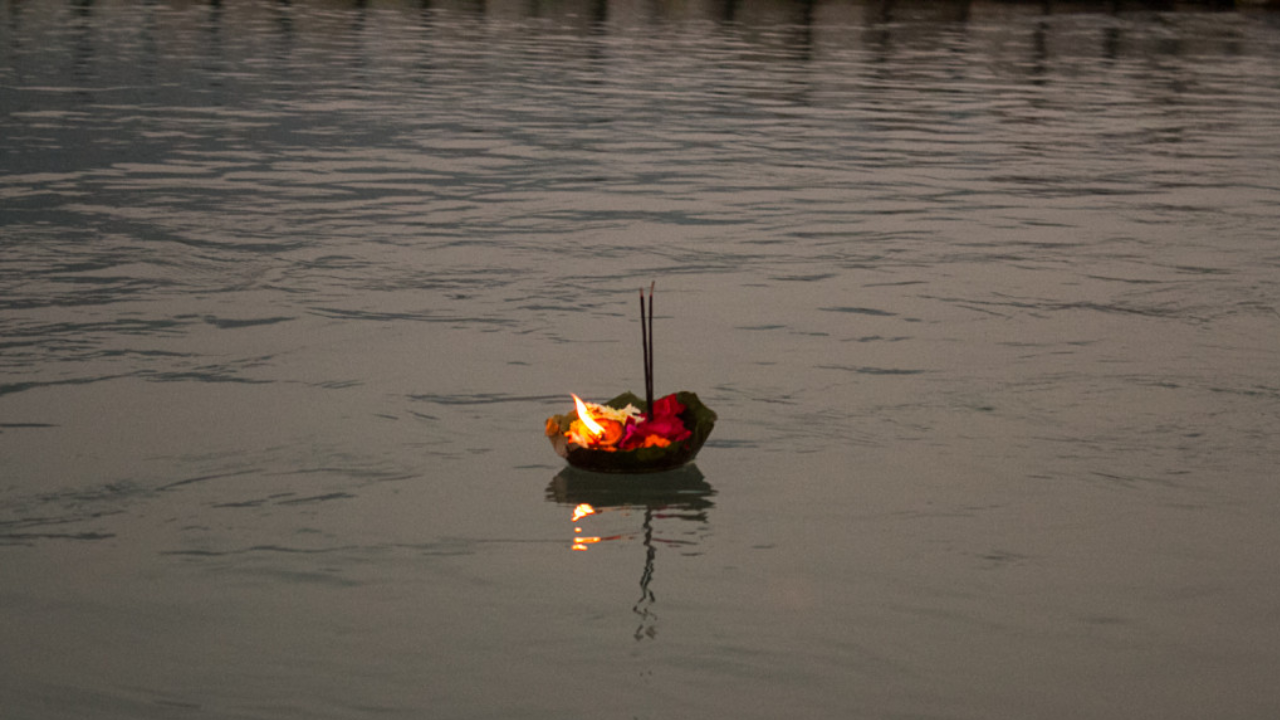
After the prayer ceremony ends, many visitors buy a small diya — a floating lamp made from a leaf bowl, filled with a flower and a tiny flame — from vendors near the ghat (₹10 to ₹20). You walk to the water's edge, make a quiet wish, and let it go.
Watching your diya float away on the Ganges — carried downstream in the dark — is one of those simple moments that feels surprisingly profound. It is an offering. A release. Something small that becomes something meaningful.
- What you will see: Large brass lamps, flowers, incense, priests in saffron robes, conch shells, sacred fire
- What you will hear: Sanskrit chants, devotional bells, bhajans, and the fast Ganges flowing below
- What you will feel: Stillness, reverence, a deep sense of peace and connection with the river
- Diya cost: ₹10 to ₹20 from ghat vendors
- Ceremony duration: 20 to 30 minutes
How to Reach Ganga Aarti in Rishikesh
Both Triveni Ghat and Parmarth Niketan are easy to reach from anywhere in Rishikesh. Here are all the options depending on where you are travelling from.
Reaching Triveni Ghat
Triveni Ghat is in the heart of Rishikesh town. From most hotels and guesthouses in the main market area, it is a 10 to 15 minute walk. From Ram Jhula or Lakshman Jhula area, take an auto-rickshaw for ₹50 to ₹100.
Reaching Parmarth Niketan
Parmarth Niketan is on the right bank of the Ganges near Ram Jhula. You can walk across Ram Jhula bridge and follow the river path for 5 minutes. From Rishikesh town, a shared auto costs ₹30 to ₹60. If you are staying at a nearby yoga retreat, it is most likely a short walk.
- From Rishikesh town to Triveni Ghat: 10 to 15 min on foot or 5 min by auto
- From Rishikesh town to Parmarth Niketan: 20 to 30 min by auto via Ram Jhula
- From Haridwar: Around 1 hour by bus or shared taxi
- From Dehradun: Around 1.5 hours by road
- Nearest railway station: Rishikesh Railway Station (~3 km from Triveni Ghat)
- Nearest airport: Jolly Grant Airport, Dehradun (~20 km)
- Parking note: Vehicles are restricted near the ghats in the evening — park at designated areas and walk the last stretch
- Official Uttarakhand Tourism: uttarakhandtourism.gov.in
Best Time to Visit Rishikesh for Ganga Aarti
This sacred evening ceremony happens every single day throughout the year. But some seasons make the whole experience even more beautiful and worthwhile.
Season Guide
- October to February (Best season): Cool and crisp evenings, clear skies, the Ganges runs calm and emerald green after monsoon. The winter ceremony under a dark sky full of stars is absolutely magical. Carry a warm shawl or light jacket.
- March to May (Very good season): Mild evenings, good visibility, comfortable weather for walking to the ghats. Flowers are blooming. Ideal for first-time visitors.
- June (Acceptable): Getting warmer but the evenings remain pleasant by the river. Arrive slightly early as dusk comes late.
- July to September (Manageable but cautious): Monsoon season. The river is high and fast — stay back from the water's edge. The ceremony continues as always, but the riverbank can be slippery and crowds are smaller.
The most extraordinary time to attend is Kartik Purnima — the full moon in October or November. Thousands of diyas are released on the river. The entire Ganges glows from bank to bank with floating light. If you can be there for this — go.
Navratri and Diwali are also exceptional. The ghats are decorated. The ceremonies are larger. The devotional atmosphere is at its strongest — and most beautiful.
Travel Tips for Attending Ganga Aarti Rishikesh
These are the practical tips that most guides skip. They make a real difference — especially if this is your first time at the river for the evening ceremony.
Before You Go
- Arrive 20 to 30 minutes early: The best spots near the water go quickly — especially on weekends and festival days.
- Wear comfortable, modest clothing: Cover shoulders and legs out of respect. A light shawl works well for women. Avoid shorts or sleeveless at the ghat.
- Carry cash: Buy a diya from the vendors near the ghat (₹10 to ₹20). No card payments on the riverbank.
- Charge your phone and camera: Low light photography during the ceremony is stunning. You will want to photograph this.
- Wear a warm layer in winter: Evenings beside the Ganges are cold from November to February. A fleece jacket is not optional.
At the Ghat
- Keep your voice low: People around you are there to pray. This is a sacred gathering — not a sightseeing stop.
- Photography is welcome: Photograph the ceremony freely from a respectful distance. Avoid flash near the priests or worshippers.
- Do not enter the water: The Ganges at Rishikesh is fast-flowing. Do not go in — especially during or after monsoon when currents are dangerous.
- Do not litter: The ghats are a sacred space. Take your waste with you. Use the bins provided.
- Watch your belongings: Large crowds attract petty theft. Keep your bag close and your phone in a secure pocket.
Combine with Nearby Experiences
Pair your evening prayer experience with a morning sunrise visit to Kunjapuri Temple. Wake before dawn for the Himalayan sunrise, spend the day exploring Rishikesh, and end the evening at the Ganges for the sacred ritual. It is one of the most complete spiritual days you can design in Uttarakhand.
You can also explore other spiritual destinations across Uttarakhand to extend your journey beyond Rishikesh.
Ganga Aarti and the Yoga Connection
Rishikesh is the Yoga Capital of the World — and the evening prayer ceremony at the Ganges is an important part of what gives this town its spiritual soul.
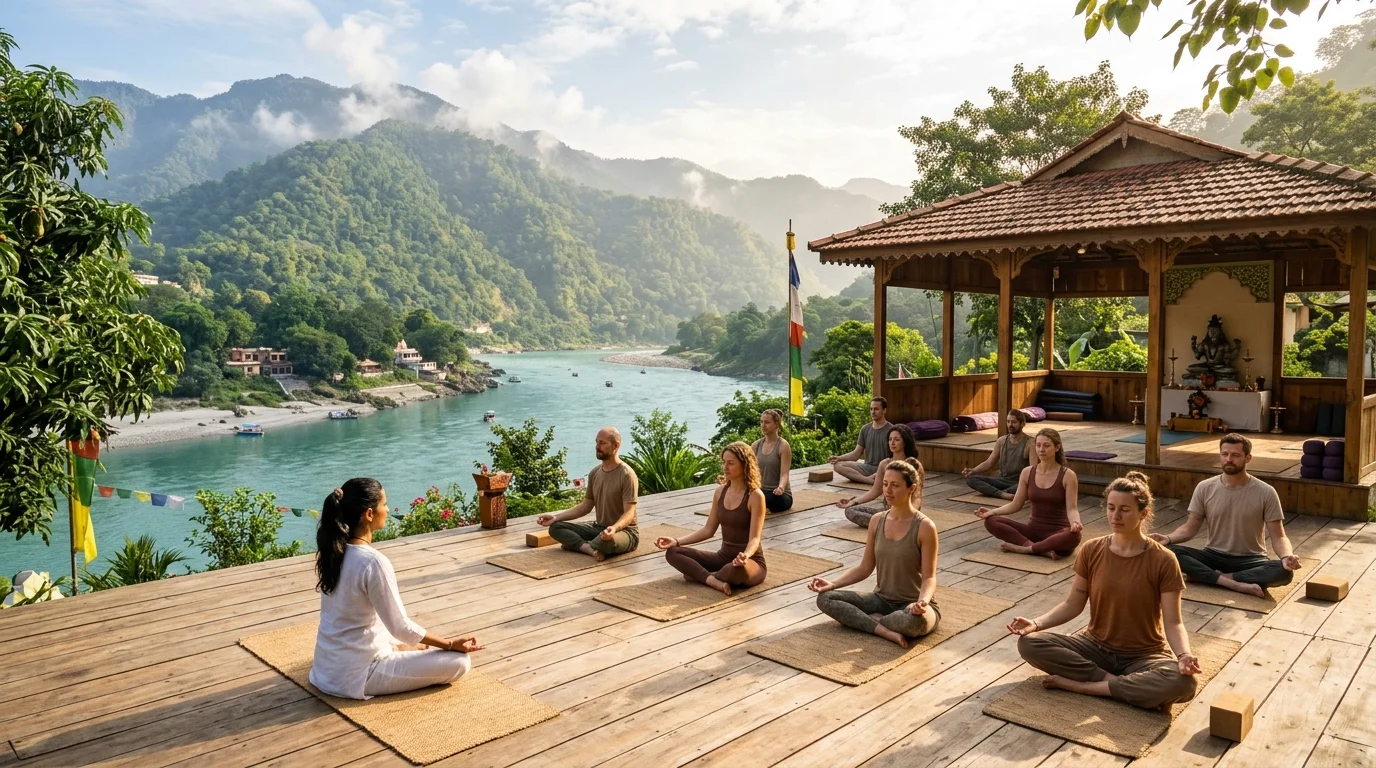
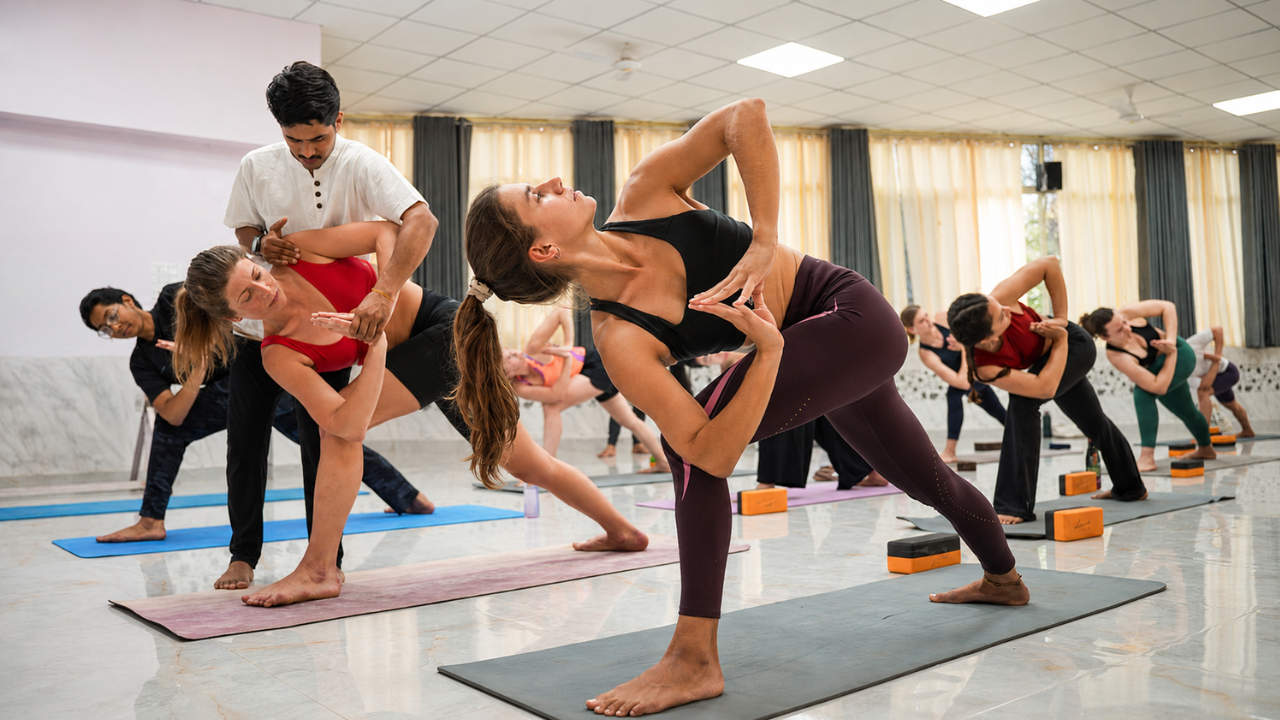
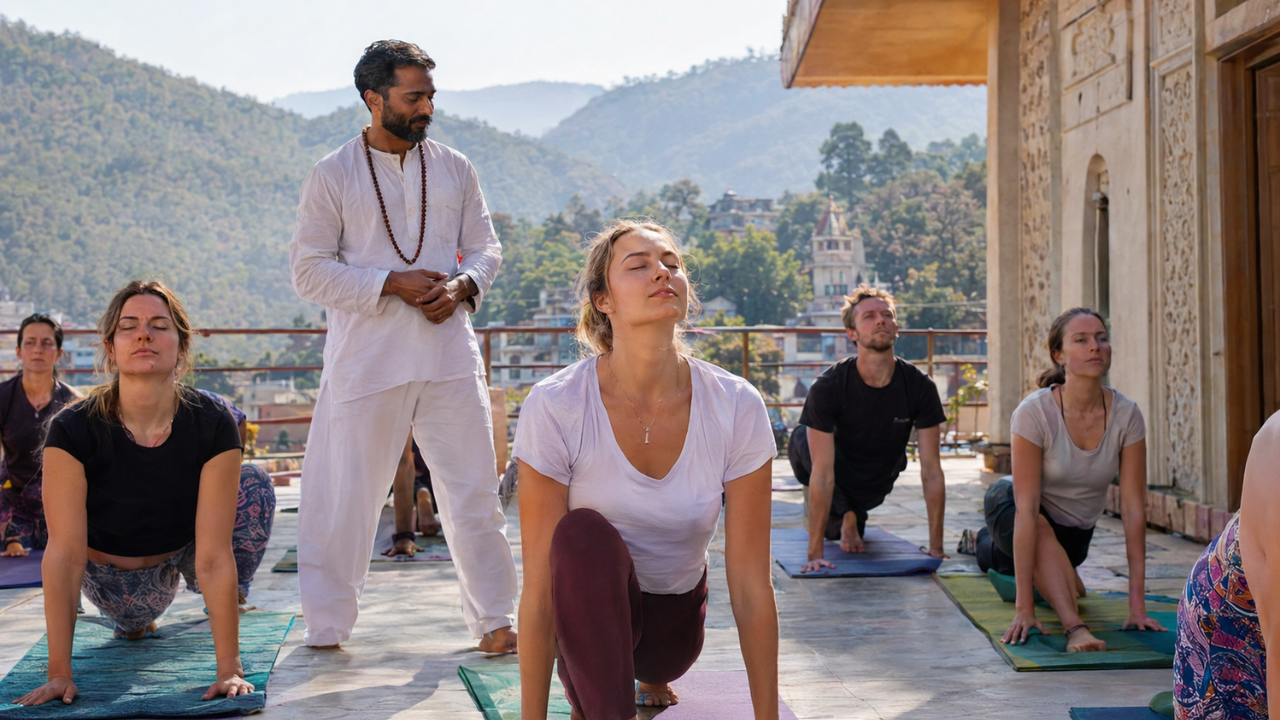
Many people who come here for a yoga retreat in Rishikesh find that this sacred river ritual becomes the emotional highlight of their entire trip. After a day of asana, pranayama, and meditation in the studio — sitting by the river for the evening ceremony gives you a moment to release everything. It is a natural, beautiful completion to the yoga day.
The energy of the Ganges, the chanting, the fire, the water — it does something calming to the nervous system that very few things can match. Many yoga teachers describe it as an outdoor meditation. Even 10 minutes of sitting still by the river after the ceremony ends can leave you feeling more grounded than an hour of practice inside a studio.
Practitioners joining our yoga teacher training in Rishikesh and Himalayan yoga immersion retreat consistently say the evening at the Ganges transforms their understanding of what a yoga journey can be — not just physical practice, but a connection to something far larger than themselves.
- Morning yoga + Evening aarti: A perfect complete day for anyone on a spiritual journey in Rishikesh
- Pranayama by the river: Many retreat guests practise breathwork near the Ganges before the ceremony begins
- Silent sitting after the ceremony: The ghats become quiet — ideal for 10 to 15 minutes of still meditation
- Retreat integration: Most ashrams and yoga retreats in Rishikesh include this evening experience in their schedule
Frequently Asked Questions
Yoga Retreat in Rishikesh – Experience the Aarti with Us
If you are visiting Rishikesh for yoga, meditation, or spiritual travel — attending the evening prayer ceremony at the Ganges is an experience you should not miss even once. It completes the day in a way that nothing else does.
At Adishesh Yoga, we include guided evening visits to the sacred river ritual as part of our retreat programmes. Our guests begin the day with yoga and pranayama, visit Kunjapuri Temple for sunrise, and close the evening at the Ganges. It is a complete circle of practice — from the mountains in the morning to the river at dusk.
- Evening aarti visits: Included in our retreat itinerary
- Expert guidance: Our teachers explain the meaning behind the ritual before you go
- Meditation by the Ganges: Sit in silence after the ceremony for a deeply restorative experience
- Explore our programmes: 100 Hour Yoga Teacher Training • Best Yoga Retreat Rishikesh • 10 Day Himalayan Yoga Immersion
Conclusion
The Ganga Aarti in Rishikesh is not a tourist attraction. It is a living, breathing tradition — performed at the river's edge every evening since ancient times, without fail, in every season. When you sit there and watch the flames move above the water, you become part of something very old and very real.
Whether you are a pilgrim, a yoga student, a curious traveller, or simply someone who needs a few minutes of genuine stillness — this sacred river ritual will give you exactly that. Go early. Sit close to the water. Float a diya. And let the Ganges carry the rest away.
If you are visiting Rishikesh for yoga, meditation, or spiritual travel, attending the Ganga Aarti is an experience you should not miss even once. And if you are looking for a retreat that weaves this kind of experience into the heart of your practice — Adishesh Yoga would love to welcome you to the river.
Explore Authentic Yoga in Rishikesh with Adishesh Yoga
Visiting Rishikesh for your spiritual journey or Himalayan adventure? Combine your exploration with certified yoga instruction and serene ashram living.