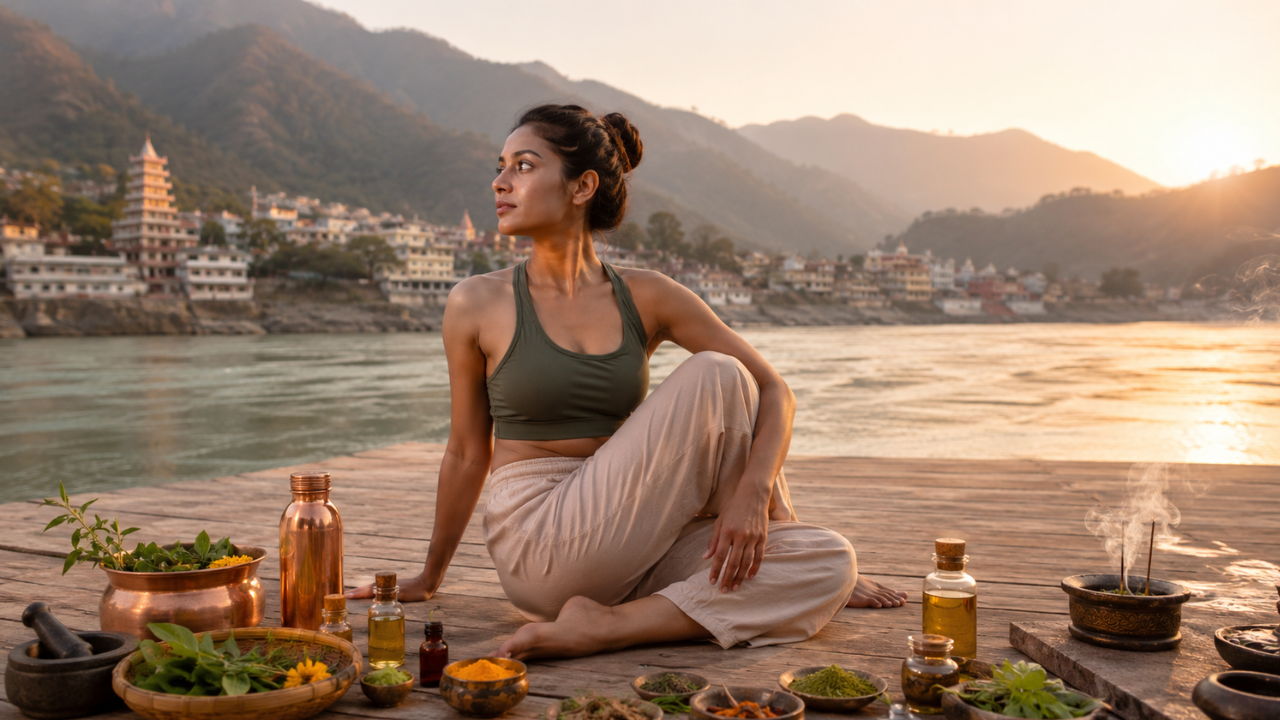
You have heard about yoga. And now you keep hearing about Ayurveda. Everyone talks about it but not many people explain it simply. So let us do that here.
Ayurveda is one of the oldest health systems in the world. It comes from India — from the same ancient texts that gave us yoga. And the two go together so naturally that most traditional yoga teachers say — you cannot have one without the other.
This guide explains what Ayurveda is, how it works, what the three doshas mean, and how Ayurveda and yoga work together in real life. Simple words. No complicated terms. Just what you actually need to know.
What is Ayurveda?
The word Ayurveda comes from two Sanskrit words — Ayur (life) and Veda (knowledge or science). So Ayurveda means the science of life.
It is over 5,000 years old. And it is still used today — in India, and now across the world.
Ayurveda is not just about medicine. It is a complete way of living. It gives you a guide for what to eat, when to sleep, how to exercise, and how to live according to your body type and the seasons.
The main idea of Ayurveda is simple — every person is different. What works for one person may not work for another. Ayurveda teaches you to understand your own body and take care of it in the right way for you.
The Core Idea of Ayurveda
- Health is balance: When your body and mind are in balance — you feel good. When they go out of balance — you feel sick, tired, or low.
- Food is medicine: In Ayurveda, what you eat is the first step to healing. The right food for your body type keeps you healthy.
- Nature heals: Ayurveda uses plants, herbs, oils, and natural routines to bring the body back to balance.
- Prevention is better than cure: Ayurveda focuses on staying healthy — not just treating illness after it comes.
The Three Doshas — Vata, Pitta, and Kapha
This is the most important thing in Ayurveda. Once you understand the three doshas — everything else makes sense.
Ayurveda says the whole world — including your body — is made of five elements: air, space, fire, water, and earth. These five elements come together in your body as three energies called doshas.

Vata Dosha — The Energy of Movement
Vata is made of air and space. It controls movement in the body — breathing, blood flow, thinking, and nerve signals.
- Vata body type: Light, thin, quick-thinking, creative, and energetic
- When out of balance: Anxiety, dry skin, poor sleep, overthinking, and joint pain
- Best food: Warm, oily, and grounding foods like dal, rice, ghee, and root vegetables
- Best yoga: Slow, gentle, and grounding — Hatha Yoga or Yin Yoga
Pitta Dosha — The Energy of Transformation
Pitta is made of fire and water. It controls digestion, metabolism, intelligence, and all transformation in the body.
- Pitta body type: Medium build, sharp mind, strong digestion, natural leaders
- When out of balance: Anger, inflammation, acid reflux, skin rashes, and burnout
- Best food: Cooling and sweet foods — cucumber, coconut, leafy greens, and fresh fruits
- Best yoga: Cooling and calming — Moon Salutation, gentle flow, and Yin Yoga
Kapha Dosha — The Energy of Structure
Kapha is made of earth and water. It controls strength, stability, and structure in the body. It is the energy that holds things together.
- Kapha body type: Strong build, calm nature, good stamina, steady and loyal
- When out of balance: Weight gain, sluggishness, depression, congestion, and over-sleeping
- Best food: Light, spicy, and warm foods — ginger tea, lentils, and bitter vegetables
- Best yoga: Energising and warming — Vinyasa, Ashtanga, and Sun Salutations
Everyone has all three doshas inside them. But usually one or two are stronger. That combination is your prakriti — your natural body type. When your doshas go out of balance — that is when health problems start.
How Ayurveda and Yoga Work Together
Ayurveda and yoga both come from the same ancient Indian tradition — the Vedas. They were never meant to be separate. They are two parts of the same system.

Think of it this way — Ayurveda takes care of the body from the outside. Yoga takes care of the body from the inside. Together, they make you healthy from every angle.
Ayurveda Supports Your Yoga Practice
- Better energy: When you eat according to your dosha, you have more energy for your yoga practice.
- Less injury: Ayurveda helps reduce inflammation and keeps joints healthy — which means fewer injuries on the mat.
- Deeper sleep: Ayurvedic evening routines improve sleep — and good sleep helps you recover after yoga.
- Calmer mind: Ayurvedic herbs like ashwagandha and brahmi calm the nervous system — making meditation easier.
Yoga Supports Your Ayurvedic Health
- Balances doshas: Different yoga poses and breathing exercises balance specific doshas in the body.
- Improves digestion: Yoga stimulates the digestive fire — called Agni in Ayurveda — which is key to good health.
- Removes toxins: Yoga twists and inversions help the body detox — a core goal of Ayurvedic cleansing.
- Connects body and mind: Pranayama (breathing exercises) in yoga directly calms or activates the doshas.
Best Yoga Style for Your Dosha
One of the most useful things Ayurveda gives you is this — it tells you what kind of yoga is right for your body. Not just the most popular style. The right style for you.


If You Are Vata Type
Vata people tend to be anxious and scattered. They need grounding and stability. Fast yoga makes Vata worse.
- Best yoga styles: Hatha Yoga, Yin Yoga, Restorative Yoga
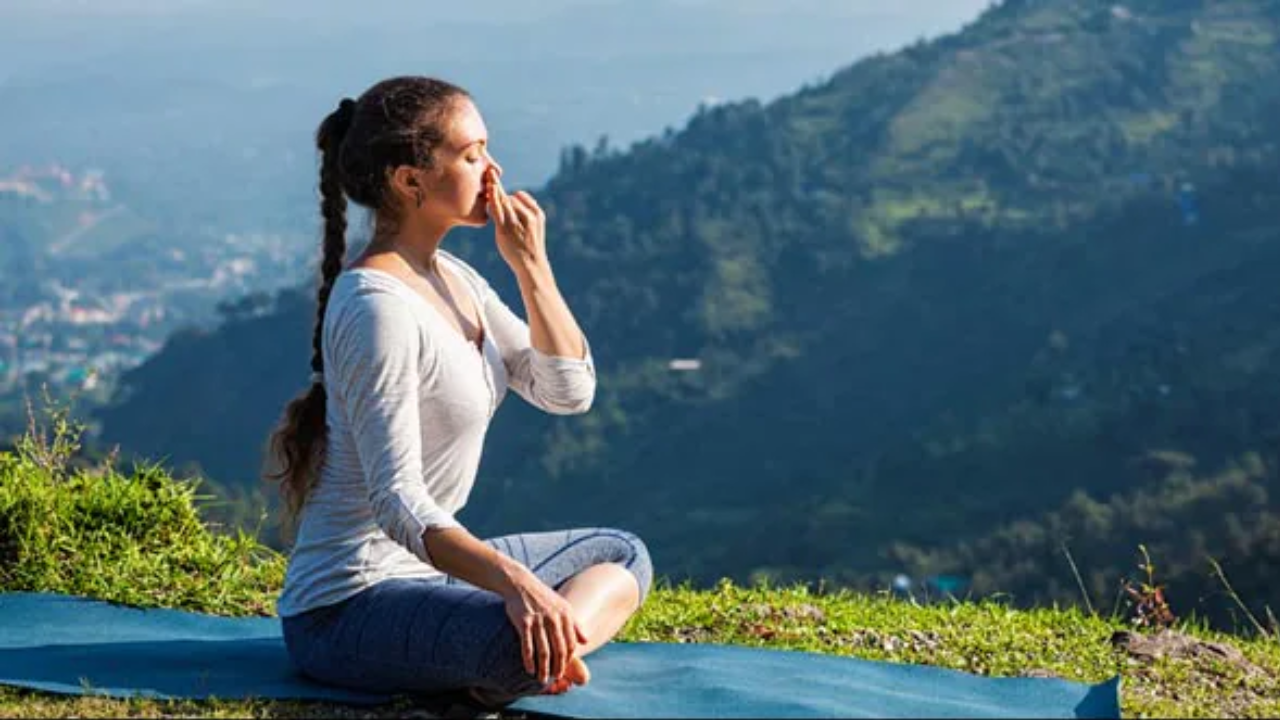
- Best pranayama: Nadi Shodhana (alternate nostril breathing) — calms the mind
- Avoid: Intense, fast-paced yoga when feeling tired or anxious
- Key advice: Practice in the same place every day at the same time — routine is good for Vata
If You Are Pitta Type
Pitta people are driven and intense. They need cooling and calming yoga. Too much heat increases Pitta.
- Best yoga styles: Gentle Flow, Moon Salutation, Yin Yoga
- Best pranayama: Sheetali (cooling breath) — reduces heat and anger
- Avoid: Bikram or hot yoga, over-competitive mindset on the mat
- Key advice: Practice in the evening or early morning when it is cooler
If You Are Kapha Type
Kapha people are calm but can become slow and heavy. They need energising yoga to wake up the body and lift the mood.
- Best yoga styles: Vinyasa Yoga, Ashtanga Yoga, Power Yoga
- Best pranayama: Kapalabhati (skull-shining breath) — energises and detoxes
- Avoid: Long savasana in the morning — it increases heaviness
- Key advice: Practice in the morning to build energy for the whole day
Ayurvedic Daily Routine with Yoga — Dinacharya
In Ayurveda, the daily routine is called Dinacharya. It is one of the most powerful tools for good health. And yoga is a big part of it.
Following a daily routine keeps your doshas balanced. It makes your digestion stronger, your sleep better, and your energy more stable. You do not need to do everything at once. Start with two or three habits.
- Wake up early (before 6 AM): This is Vata time — the mind is clear and fresh. Best time for meditation and pranayama.
- Oil pulling and tongue scraping: Simple Ayurvedic morning habits that remove toxins and improve oral health.
- Yoga practice (30 to 60 minutes): Do the yoga style that suits your dosha. Move gently or energetically depending on your type.
- Warm breakfast: Eat a warm, cooked breakfast. Avoid cold food in the morning — it weakens Agni (digestive fire).
- Lunch as the biggest meal: Ayurveda says noon is Pitta time — digestion is strongest. Eat your heaviest meal then.
- Evening walk or light yoga: A 15-minute walk or gentle stretch after dinner supports digestion.
- Sleep before 10 PM: After 10 PM is Pitta time again — the mind becomes more active. Sleeping early means deeper rest.
You do not need to be perfect. Even following three or four of these habits will make a big difference. Many yoga students say that adding Ayurvedic habits was the moment their yoga practice truly changed.
Ayurvedic Herbs That Support Your Yoga Practice
Ayurveda uses plants and herbs to support the body. Some of these herbs work beautifully alongside a yoga practice. Here are the most common ones — explained simply.
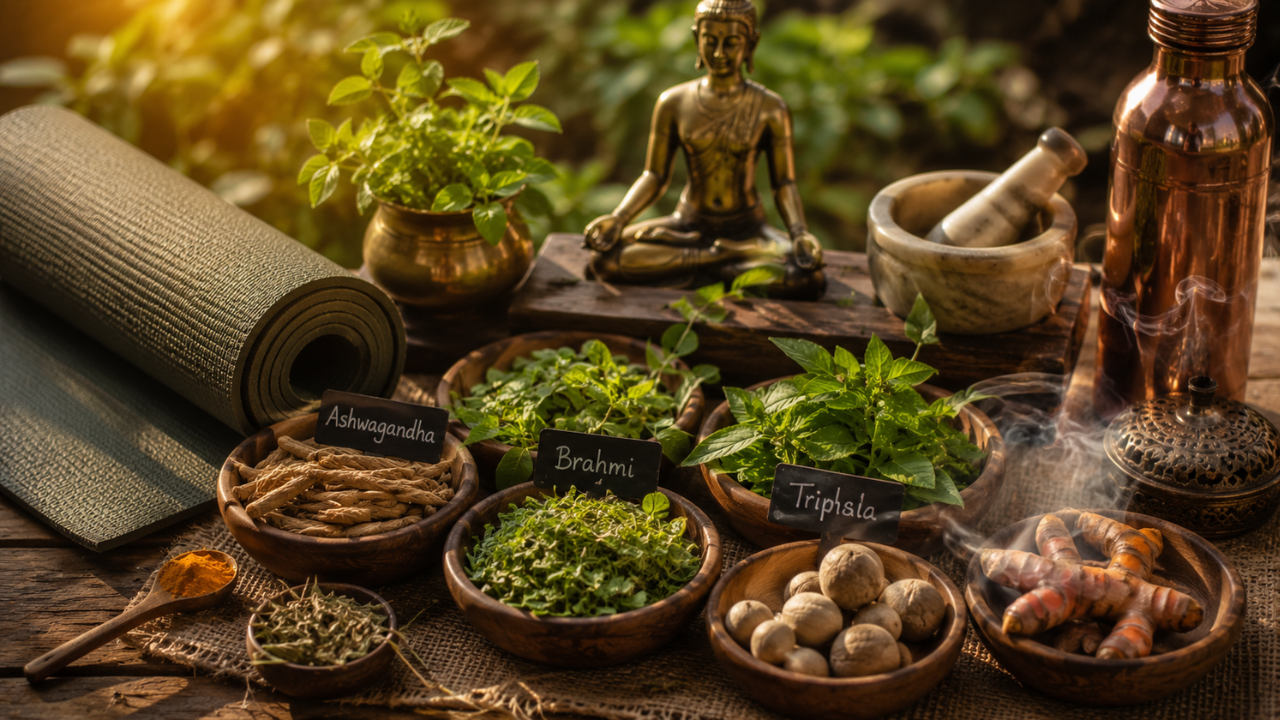
- Ashwagandha: Reduces stress and anxiety. Gives the body more strength and stamina. Great for Vata types and for anyone who feels burned out.
- Brahmi: Calms the mind and improves focus. Very helpful for meditation and pranayama practice.
- Tulsi (Holy Basil): A powerful adaptogen that boosts immunity and calms the nervous system. Drink as tea every morning.
- Triphala: A combination of three fruits that cleanses the digestive system gently. Healthy digestion is the foundation of Ayurvedic health.
- Turmeric: Reduces inflammation in the joints. Very helpful for yogis who practice regularly and want to keep their body strong.
- Shatavari: Balances hormones and nourishes the body. Especially helpful for women's health and for Pitta and Vata types.
Always speak to an Ayurvedic practitioner before starting herbal supplements — especially if you have a health condition or take medicine. The right herb for you depends on your dosha and current health.
Ayurveda and Yoga — Quick Reference for Today
Not sure where to start today? Here is the simplest thing you can do right now — wake up, drink a glass of warm water, do 20 minutes of yoga, and eat a warm breakfast. That is already Ayurveda in action.
Why Rishikesh Is the Best Place to Learn Ayurveda and Yoga Together
Rishikesh is known as the Yoga Capital of the World. But it is also one of the best places in India to experience Ayurveda alongside yoga. The two traditions are taught together here the way they were always meant to be.
The clean mountain air, the Ganges river, the Himalayan herbs that grow in the forests nearby — all of it makes Rishikesh a natural environment for Ayurvedic healing and yoga practice.
At Adishesh Yoga in Rishikesh, our retreats combine traditional yoga practice with Ayurvedic lifestyle guidance. You learn your dosha, eat food prepared for your body type, and practice yoga that balances your energy — all in one place.
- Dosha assessment: Find out your Ayurvedic body type
- Dosha-specific yoga: Practice yoga designed for your unique body
- Sattvic meals: Eat pure, natural food cooked the Ayurvedic way
- Pranayama and meditation: Balance your mind and nervous system
- Ayurvedic lifestyle sessions: Learn daily routines you can continue at home
Experience Ayurveda and Yoga Together in Rishikesh
Reading about Ayurveda is one thing. Living it is completely different. If you want to truly feel how Ayurveda and yoga work together — come and experience it in person.
At Adishesh Yoga in Rishikesh, we offer a dedicated 14 Days Yoga Retreat with Ayurveda Therapies — a complete residential program on the banks of the sacred Ganges river. It includes personalised dosha assessment, daily yoga sessions, Ayurvedic therapies, pranayama, meditation, and sattvic meals. Whether you are a beginner or an experienced yogi — this retreat gives you a real and lasting experience of Ayurveda and yoga together.
Frequently Asked Questions
Conclusion
Ayurveda and yoga are not two separate things. They are one complete system for living well — in your body, your mind, and your daily life.
Ayurveda helps you understand your unique body type. Yoga gives you the tools to balance it every day. When you bring the two together — the results go much deeper than just fitness or flexibility. You sleep better. You think more clearly. You feel more like yourself.
You do not need to start perfectly. Start with one Ayurvedic habit today. Drink warm water in the morning. Do yoga that matches your dosha. Eat a warm lunch. These small things add up. And over time — they change everything.
If you want to experience Ayurveda and yoga properly — with guidance from teachers who have practised both for years — come to Rishikesh. At Adishesh Yoga, we combine traditional yoga with Ayurvedic wisdom every day. It is one of the most transformative experiences our students carry home with them.
Explore Authentic Yoga in Rishikesh with Adishesh Yoga
Deepen your meditation and breathwork on the sacred banks of Mother Ganga. Study authentic yogic philosophy and traditional Hatha & Vinyasa under lead instructor Vikas Negi.