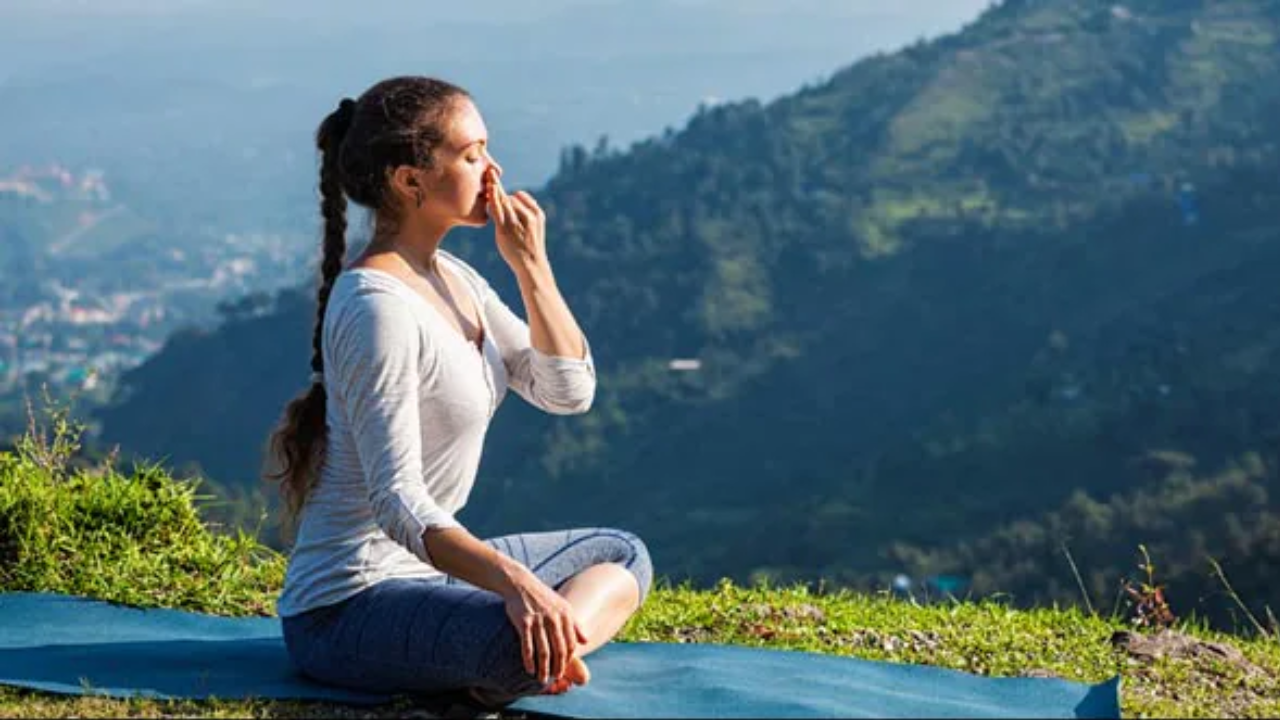
Have you ever noticed that some yoga routines work well for your friend — but not for you? That is because every body is different. Ayurveda says we all have a unique body type called a dosha. Your dosha can be Vata, Pitta, or Kapha. And each dosha needs a different kind of yoga to detox and heal. When you match your yoga practice to your body type, the results are much better. Your energy improves. Your digestion gets stronger. Your mind feels calmer. This guide will help you understand your dosha and find the right Ayurvedic detox yoga for your body.
What Is Ayurvedic Detox Yoga
Ayurveda is an ancient Indian system of health and healing. It says that our body is made of three energies — Vata, Pitta, and Kapha. These are called doshas.
When a dosha goes out of balance, toxins build up in the body. This causes tiredness, digestion problems, stress, and many other issues.
Ayurvedic Detox Yoga uses specific yoga poses, breathing practices, and daily habits to remove these toxins. It cleans the body gently — from the inside out.
Why Body Type Matters in Yoga
- One Routine Does Not Fit All: Each dosha needs a different yoga style to heal.
- Faster Results: Right yoga for your dosha gives quicker and deeper benefits.
- No Harm: Wrong yoga can worsen a dosha. Right yoga balances it.
- Mind-Body Connection: Ayurvedic yoga heals both body and emotions together.
- Ancient Wisdom: This system has been used in India for thousands of years.

Know Your Dosha – Vata, Pitta, or Kapha
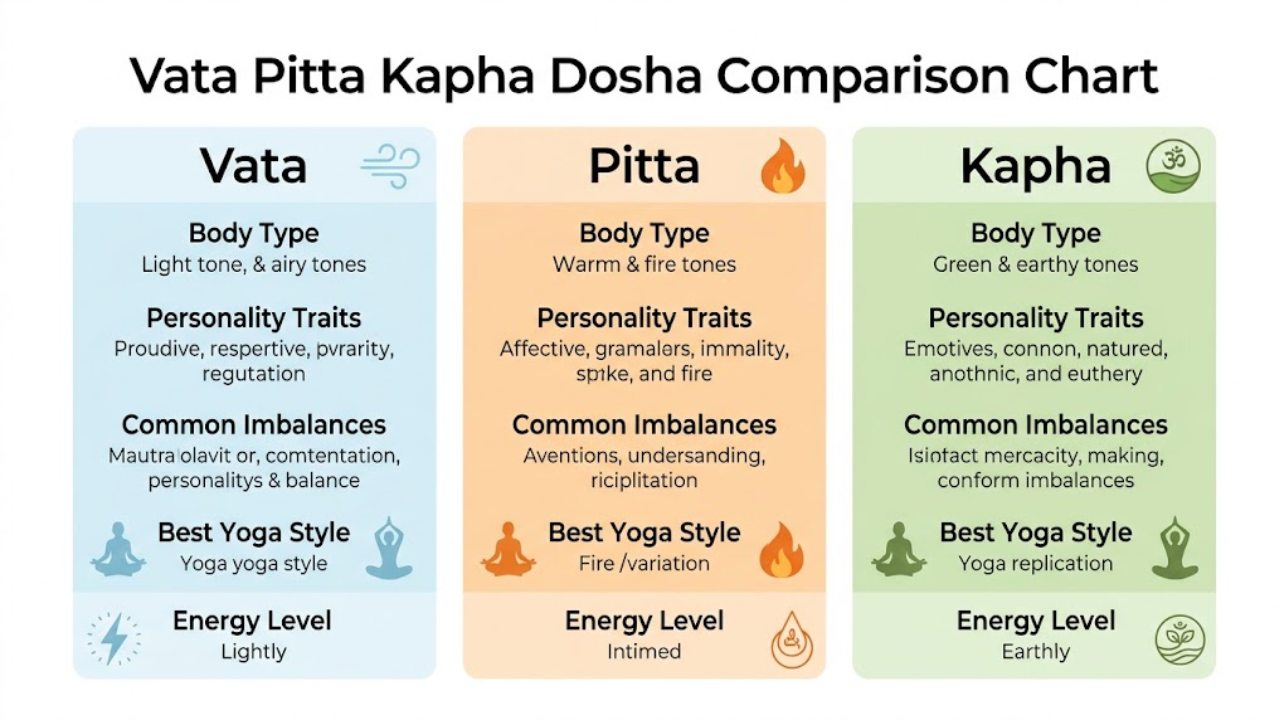
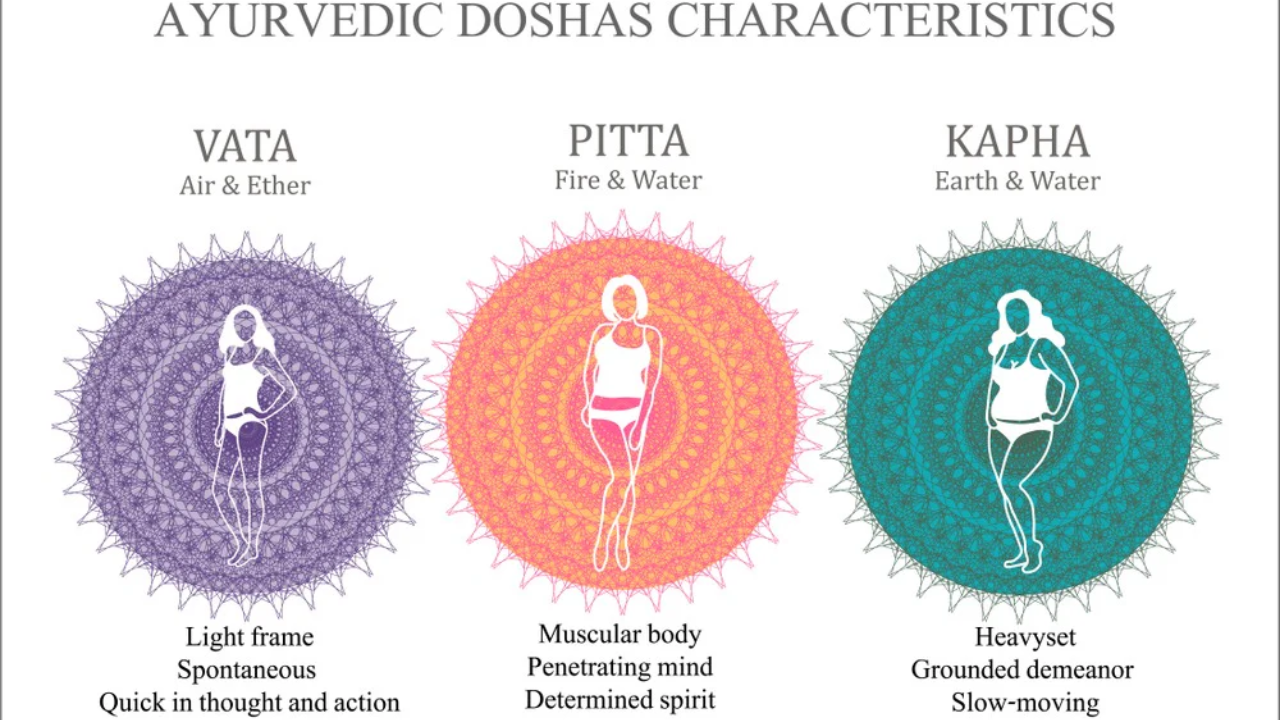
Before starting Ayurvedic Detox Yoga, you need to know your dosha. Read the simple descriptions below and find which one sounds most like you.
Vata Body Type
- Thin body, light weight, dry skin and hair
- Creative, imaginative, talks fast
- Often feels anxious, restless, or cold
- Forgetful, irregular sleep, irregular digestion
- Energy is high sometimes — very low other times
Pitta Body Type
- Medium build, strong muscles, sharp features
- Intelligent, focused, natural leader
- Gets angry or irritated easily
- Feels warm or sweats often, sensitive skin
- Strong hunger, good digestion but prone to acidity
Kapha Body Type
- Heavier or larger build, gains weight easily
- Calm, patient, caring, loyal
- Feels slow or sluggish, especially in the morning
- Sleeps too much, slow metabolism
- Prone to mucus, congestion, and water retention
Ayurvedic Detox Yoga for Vata Body Type
Vata is the energy of movement. When Vata is out of balance, you feel anxious, cold, dry, and scattered. The best yoga for Vata detox is slow, warm, and grounding.
Best Yoga Poses for Vata Detox
- Child Pose (Balasana): Deeply calming. Grounds the body and quiets anxious thoughts.
- Warrior I (Virabhadrasana I): Builds strength and stability. Removes Vata restlessness.
- Seated Forward Bend (Paschimottanasana): Stretches the back and calms the nervous system.
- Legs Up the Wall (Viparita Karani): Relaxes the whole body. Very good for Vata fatigue.
- Supine Twist (Supta Matsyendrasana): Gently detoxes the organs and calms digestion.
- Corpse Pose (Savasana): Completely restores the nervous system. Essential for Vata.
Vata Detox Practice Tips
- Practice in a warm, quiet place — not in cold air or wind.
- Move slowly between poses. No rushing.
- Hold each pose for longer — at least 5 to 8 breaths.
- Use a soft yoga mat or blanket for extra warmth and comfort.
- Best time: Late morning (8 AM to 10 AM) after eating something light.
Ayurvedic Detox Yoga for Pitta Body Type
Pitta is the energy of fire and heat. When Pitta is out of balance, you feel hot, angry, and inflamed. The best yoga for Pitta detox is cool, gentle, and surrender-focused.
Best Yoga Poses for Pitta Detox
- Moon Salutation (Chandra Namaskar): Cooling opposite of Sun Salutation. Calms Pitta fire perfectly.
- Standing Forward Fold (Uttanasana): Releases heat from the body. Calms the brain and eyes.
- Bow Pose (Dhanurasana): Opens the chest and stimulates liver detox — the main Pitta organ.
- Half Boat Pose (Ardha Navasana): Supports liver and digestive fire without overheating.
- Reclined Butterfly (Supta Baddha Konasana): Opens hips and belly gently. Very soothing for Pitta anger.
- Corpse Pose (Savasana): The most important pose for Pitta. Practice it longer than other doshas.
Pitta Detox Practice Tips
- Practice in a cool, shaded place — never in direct hot sunlight.
- Avoid Hot Yoga, Bikram, or any heated room yoga.
- Do not push hard or compete — even with yourself.
- Focus on surrender and softness in every pose.
- Best time: Evening (5 PM to 7 PM) when the day is cooler.
Ayurvedic Detox Yoga for Kapha Body Type
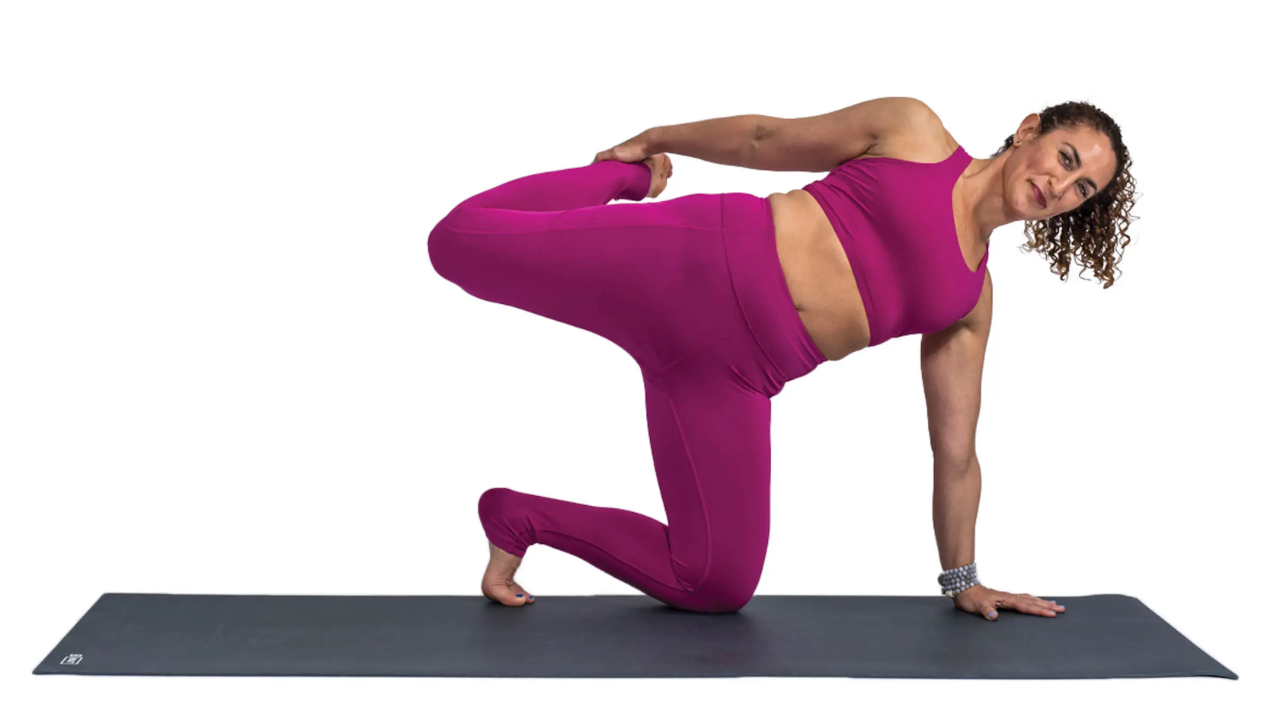
Kapha is the energy of earth and water. When Kapha is out of balance, you feel heavy, slow, and stuck. The best yoga for Kapha detox is energizing, warm, and active.
Best Yoga Poses for Kapha Detox
- Sun Salutation (Surya Namaskar): The best all-around Kapha detox. Warms the body and moves stagnant energy.
- Triangle Pose (Trikonasana): Stimulates the lymphatic system. Helps clear Kapha blockages.
- Camel Pose (Ustrasana): Opens the chest and lungs — main Kapha areas in Ayurveda.
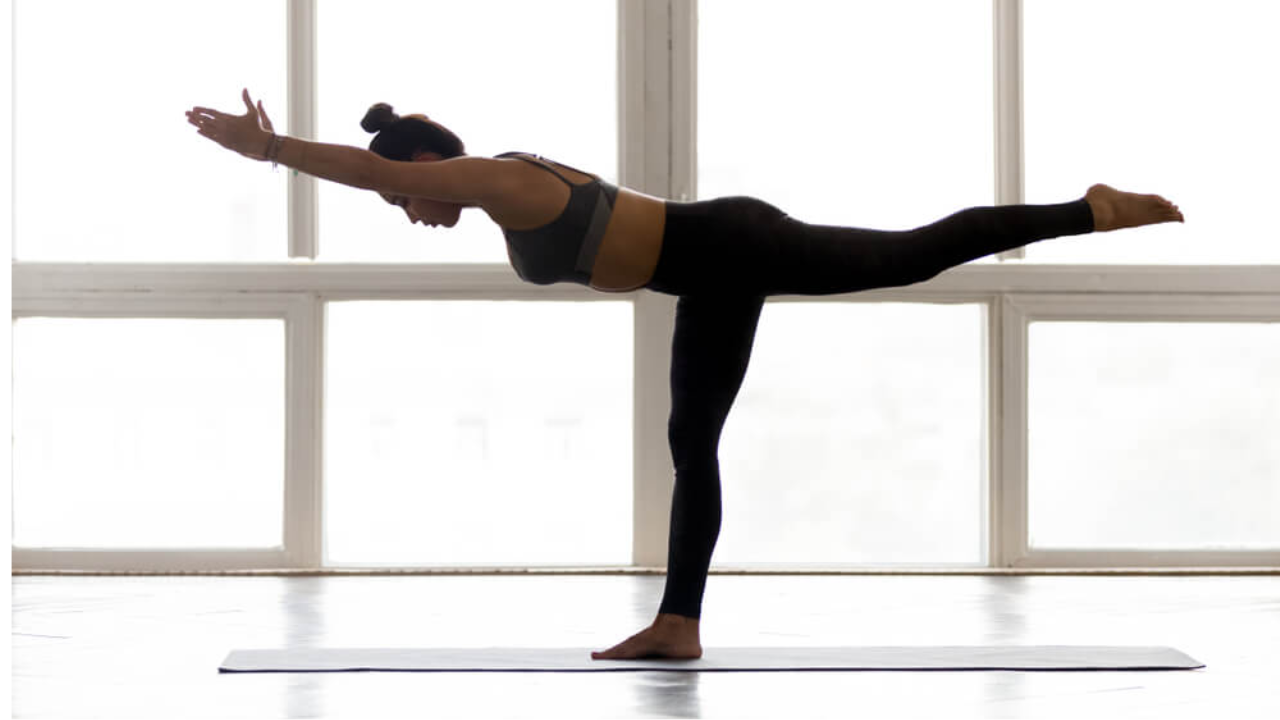
- Warrior III (Virabhadrasana III): Builds fire and strength. Fights Kapha heaviness directly.
- Chair Pose (Utkatasana): Strong pose that heats the body and burns Kapha toxins.
- Bridge Pose (Setu Bandhasana): Stimulates thyroid and boosts metabolism — important for slow Kapha digestion.
Kapha Detox Practice Tips
- Move fast and keep the body warm throughout the practice.
- Do not stay in Savasana for more than 5 minutes — Kapha can become too heavy.
- Challenge yourself with holds and repetitions.
- Best time: Early morning (6 AM to 8 AM) on an empty stomach.
- Practice 5 to 6 days a week for best Kapha detox results.
Breathing for Ayurvedic Detox (Pranayama by Dosha)
Breathing is a big part of Ayurvedic Detox Yoga. Each dosha has a specific pranayama (breathing practice) that helps cleanse and balance it. These are easy to learn — even for complete beginners.
Nadi Shodhana – For Vata
- Also called Alternate Nostril Breathing.
- Breathe in through the left nostril, out through the right. Then switch.
- This calms Vata anxiety and balances the nervous system.
- Practice 5 to 10 rounds slowly. Very effective before bed.
Sitali – For Pitta
- Also called Cooling Breath.
- Roll your tongue like a tube. Breathe in through the rolled tongue. Breathe out through the nose.
- This cools Pitta heat and reduces anger and inflammation.
- Practice 8 to 10 rounds. Especially useful in summer.
Kapalabhati – For Kapha
- Also called Skull Shining Breath.
- Take a deep breath in. Then pump the belly inward quickly — short sharp exhales.
- This heats the body, clears lungs, and burns Kapha toxins fast.
- Start with 20 pumps per round. Build up to 3 rounds of 30 each.
Ayurvedic Diet Tips During Your Yoga Detox
Yoga detox works much better when you also follow simple Ayurvedic eating habits. You do not need a strict diet. Just a few easy changes help a lot.
For Vata – Warm and Nourishing Foods
- Eat warm cooked meals — soups, khichdi, porridge, stews.
- Add healthy fats — ghee, sesame oil, coconut oil.
- Avoid raw salads, cold drinks, and dry snacks.
- Drink warm water with ginger and lemon in the morning.
For Pitta – Cooling and Light Foods
- Eat cool, fresh, and mildly flavored food — cucumbers, coconut, green vegetables.
- Avoid spicy, fried, sour, or fermented foods during detox.
- Drink coconut water, coriander tea, or rose water.
- Eat at regular times. Do not skip meals.
For Kapha – Light and Spiced Foods
- Eat light, dry, and well-spiced food — lentil soup, steamed vegetables, millet.
- Avoid heavy foods — dairy, sweets, deep-fried snacks, excess wheat.
- Drink hot water with turmeric, ginger, and black pepper.
- Eat only two meals a day and avoid late-night snacking.
7-Day Ayurvedic Detox Yoga Routine – Beginner Plan
Here is a simple 7-day plan to start your Ayurvedic Detox Yoga. Adjust it based on your dosha. Start with just 20 to 30 minutes each day.
- Day 1 – Body Scan and Breath: Stand in Mountain Pose (Tadasana). Practice your dosha pranayama for 5 minutes. Notice how your body feels.
- Day 2 – Grounding or Warming: Vata: Do slow seated poses and stretches. Pitta: Do gentle forward folds and Moon Salutation. Kapha: Do 3 to 5 rounds of Sun Salutation.
- Day 3 – Twists for Detox: All doshas benefit from spinal twists. Twists squeeze the organs and flush out toxins. Practice 3 to 4 twisting poses slowly.
- Day 4 – Rest Day: Gentle walking, breathing practice only. Allow the body to process the detox.
- Day 5 – Strength and Opening: Vata and Pitta: Warrior poses and hip openers. Kapha: Backbends and chest openers.
- Day 6 – Pranayama and Meditation: 30 minutes of breathing and quiet sitting. This is the mental detox layer.
- Day 7 – Full Practice: Combine your favorite poses from the week. End with a long Savasana. Reflect on what changed.

What Happens When You Detox the Wrong Way for Your Dosha
Many people feel worse after a yoga detox — not better. This usually happens because they are using the wrong practice for their body type. Here are common signs.
- Vata doing fast or intense yoga: Leads to more anxiety, dryness, insomnia, and injury. Fix: Slow down immediately and add grounding practices.
- Pitta doing hot or competitive yoga: Leads to more anger, inflammation, skin rashes, and burnout. Fix: Switch to cooling yoga and remove competition from the practice.
- Kapha doing only gentle or restorative yoga: Leads to more heaviness, depression, weight gain, and lethargy. Fix: Add movement, heat, and challenge to the practice.
Precautions for Ayurvedic Detox Yoga
Ayurvedic Detox Yoga is generally safe. But these simple precautions will help you practice without any problems.
- Illness or Fever: Do not practice yoga during fever or active illness. Rest first. Start again slowly after recovery.
- Pregnancy: Avoid deep twists, strong backbends, and intense breathing. Use prenatal yoga modifications. Always consult your doctor.
- Digestive Issues: Do not practice Kapalabhati breathing if you have ulcers or acid reflux. Stick to gentle breathing only.
- High Blood Pressure: Avoid inverted poses. Practice breathing slowly. Keep the practice calm and moderate.
- Extreme Detox Reactions: Mild fatigue or headache on Day 1 or 2 is normal. If symptoms are strong, reduce practice intensity and drink more warm water.
Signs Your Ayurvedic Detox Yoga Is Working
After 7 to 21 days of consistent practice, most people begin to notice clear changes. Here is what beginners commonly experience week by week.
- Days 1–3: Mild fatigue or heaviness as toxins begin to move. Drink warm water and rest well. This is normal.
- Week 1: Digestion improves. Bloating reduces. Sleep starts to feel deeper and more restful.
- Week 2: Skin may start to glow. Emotions feel more stable. Stress reduces noticeably.
- Week 3: Energy becomes steady throughout the day. Body feels lighter and movements feel easier.
- Week 4 and Beyond: Strong mind-body connection develops. Dosha imbalances reduce. You feel like your best natural self.
The key is consistency. Even 20 to 30 minutes of the right yoga for your dosha — done daily — gives powerful and lasting results.
Frequently Asked Questions (Ayurvedic Detox Yoga)
Conclusion
Ayurvedic Detox Yoga is not a one-size-fits-all practice. It is personal, intelligent, and deeply healing when done right for your body type.
Vata needs warmth and grounding. Pitta needs cooling and surrender. Kapha needs movement and fire. When your yoga practice matches your dosha, the body cleanses naturally and the mind becomes calm.
You do not need to be an expert to start. You just need to know your body type — and begin with the right practice.
At Adishesh Yoga in Rishikesh, we combine authentic Ayurveda with traditional yoga to help students find balance for their unique body type. Whether you are Vata, Pitta, or Kapha — the right yoga practice exists for you.