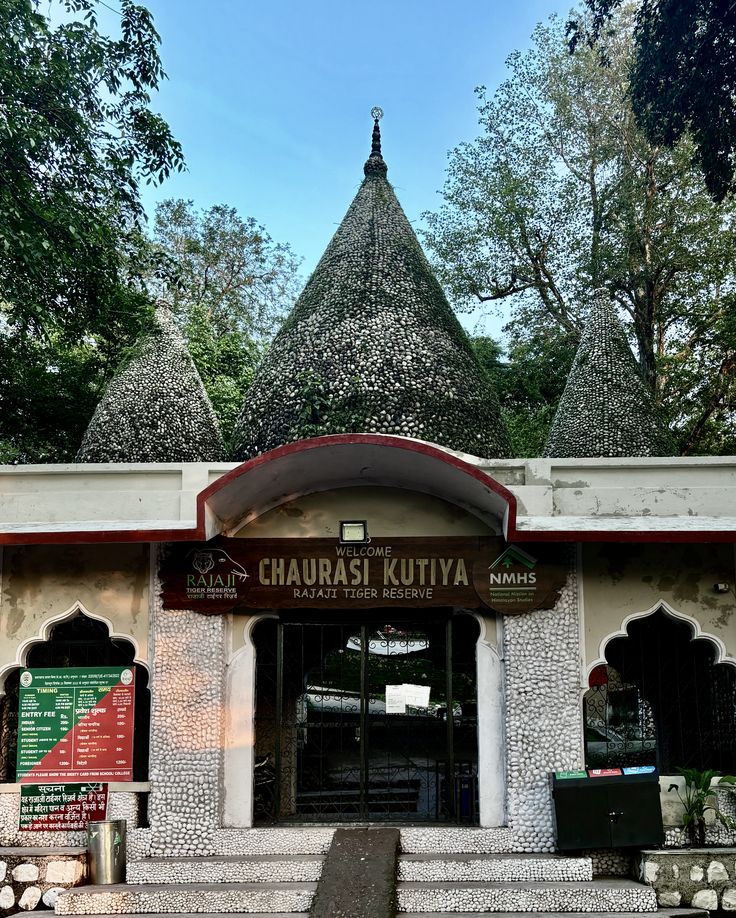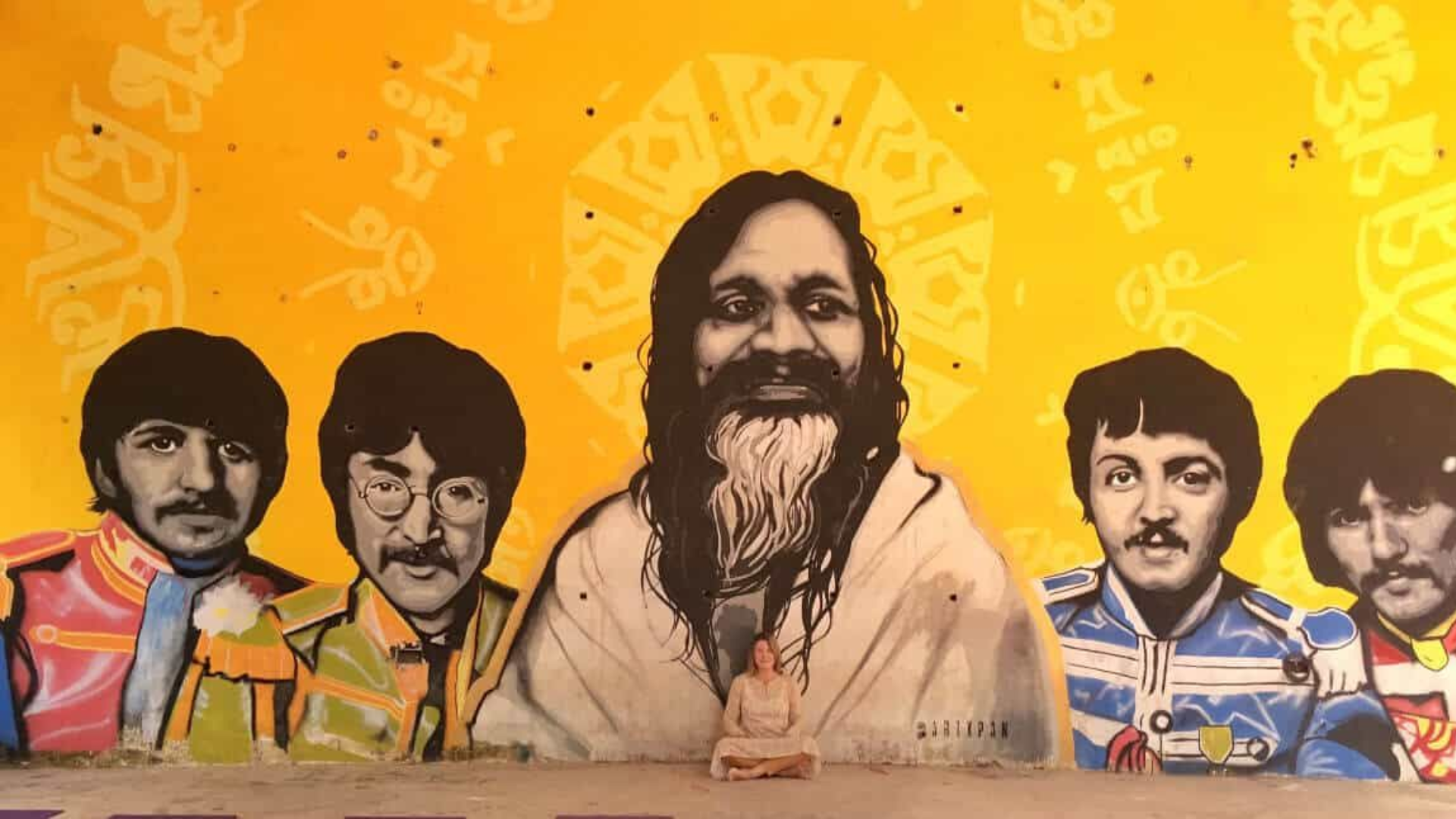
Beatles Ashram, also known as Chaurasi Kutia, is a historic site in Rishikesh famous for its connection to The Beatles, Transcendental Meditation, graffiti art, and peaceful natural setting near the Ganga River.
Built in 1963 as Maharishi Mahesh Yogi's International Academy of Meditation, it gained global fame in 1968 when The Beatles stayed here to learn meditation, writing many songs for their White Album.
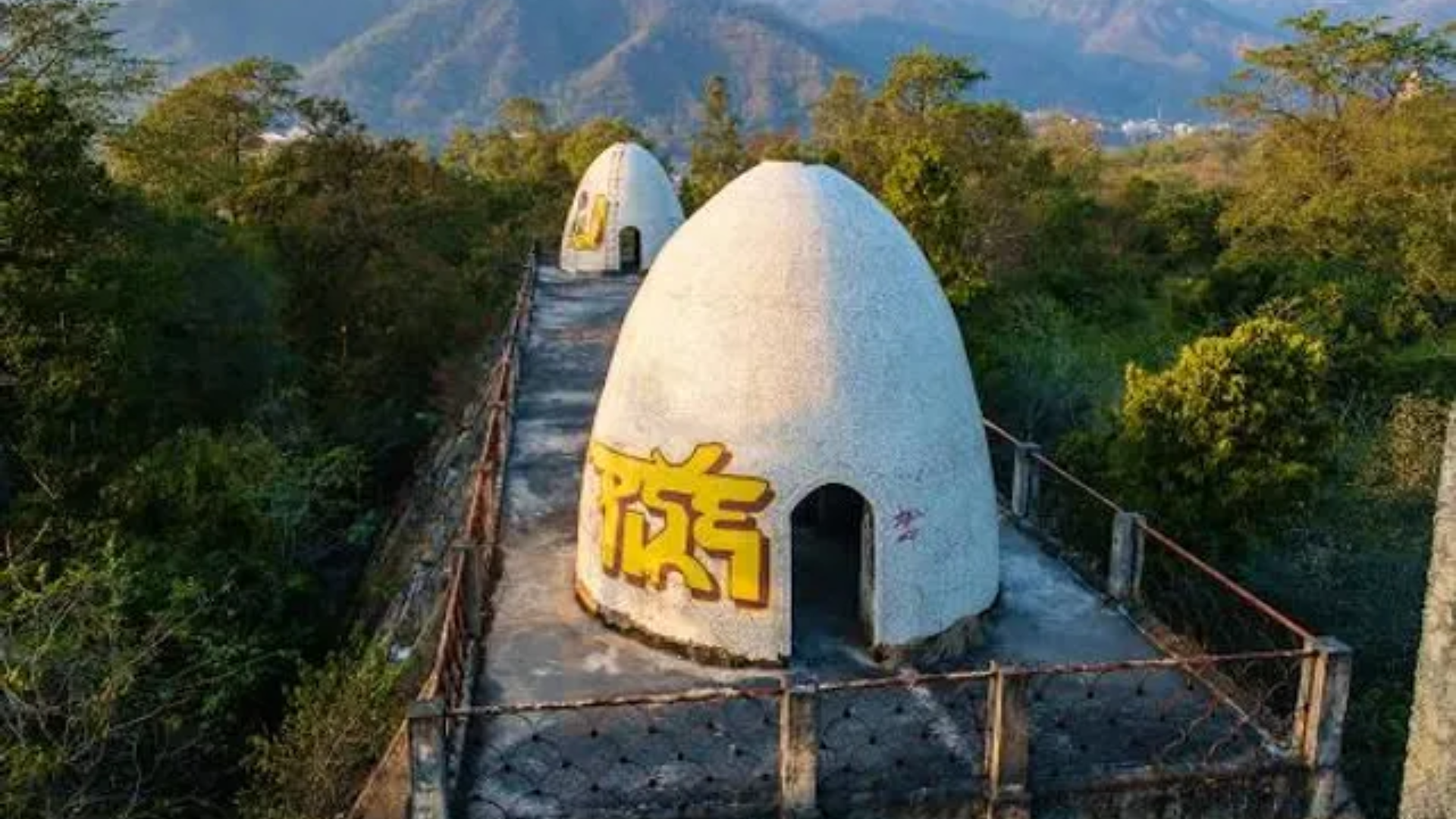
Today, visitors explore its history, admire street art, meditate in dome huts, and enjoy serene Himalayan views, making it a must-visit for music fans, spiritual seekers, and travelers in Uttarakhand.
The Beatles Ashram in Rishikesh is one of the most visited heritage attractions in Uttarakhand, especially popular among foreign tourists and meditation seekers.
Direct Answer: Beatles Ashram, also known as Chaurasi Kutia, is a former meditation retreat in Rishikesh made famous by The Beatles’ 1968 visit. Today, it is known for meditation domes, graffiti art, and its peaceful forest location near the Ganga River.
Why Beatles Ashram Is Famous in Rishikesh
Beatles Ashram is famous for The Beatles' 1968 visit, where they learned Transcendental Meditation from Maharishi Mahesh Yogi and created iconic songs amid Rishikesh's spiritual vibe.
It blends music history, vibrant graffiti art, meditation domes, and natural beauty in Rajaji National Park, attracting global tourists seeking peace and inspiration.
From panoramic Ganga views to artistic murals, it offers a unique mix of culture, spirituality, and adventure in Uttarakhand.
History of Beatles Ashram Rishikesh
Founded in 1963 by Maharishi Mahesh Yogi with funding from Doris Duke, the ashram served as a center for Transcendental Meditation training in the Himalayan foothills.
In February 1968, The Beatles, along with celebrities like Donovan and Mia Farrow, arrived for meditation courses, composing over 40 songs during their stay.
Abandoned in the 1990s, it reopened in 2015 as a public site, now featuring graffiti art honoring The Beatles and promoting peace and meditation.
Beatles Ashram Rishikesh Opening Hours & Entry Fee

Daily Opening Hours
Beatles Ashram is open every day from 10:00 AM to 4:00 PM for visitors and explorers.

Best Time to Visit
Early morning or late afternoon for cooler weather, fewer crowds, and stunning light on graffiti art.

Entry Fee
INR 150 for Indian nationals; INR 600 for foreign visitors. Carry ID for entry.

Visitor Tip
Wear comfortable shoes for walking trails; visit on weekdays to avoid crowds and enjoy peaceful meditation.
Beatles Ashram Visit Experience in Rishikesh
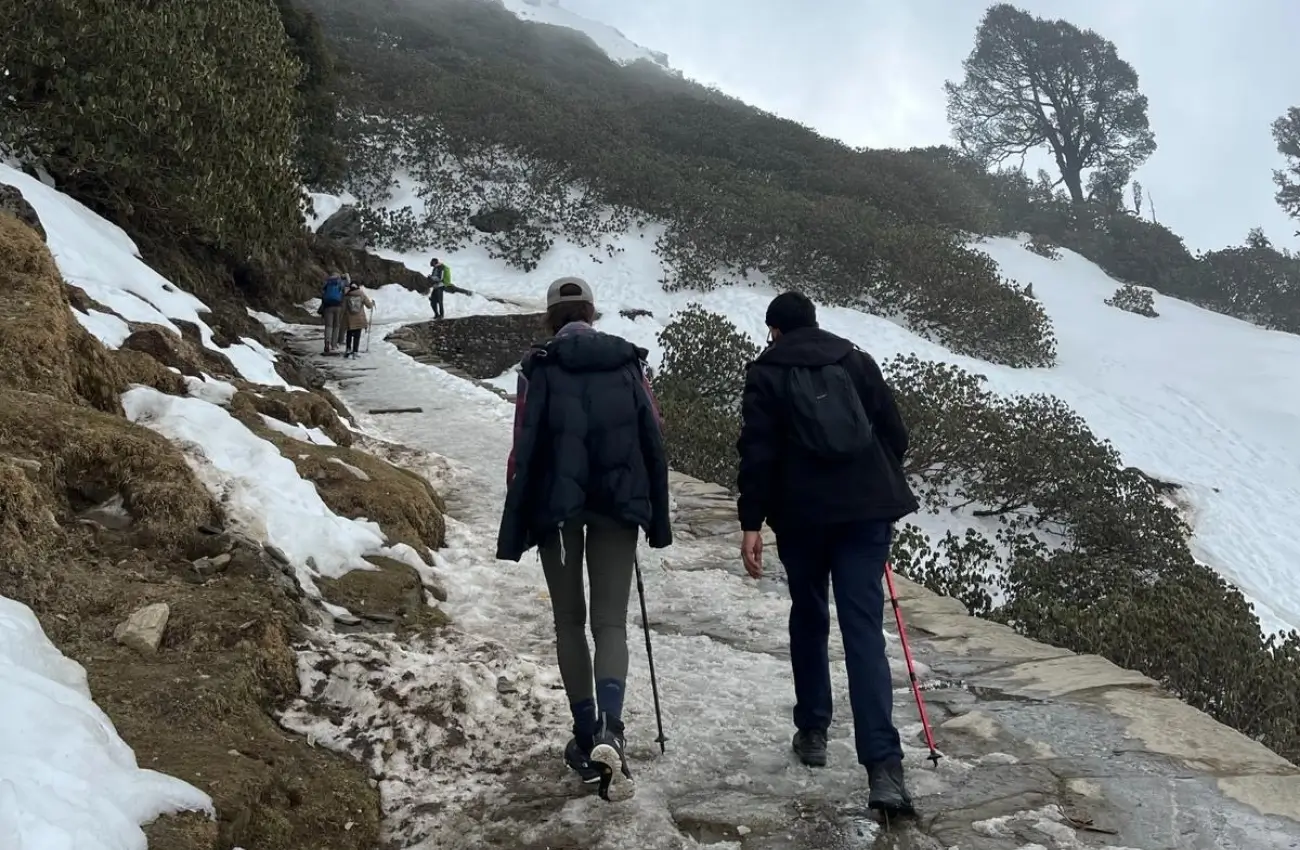
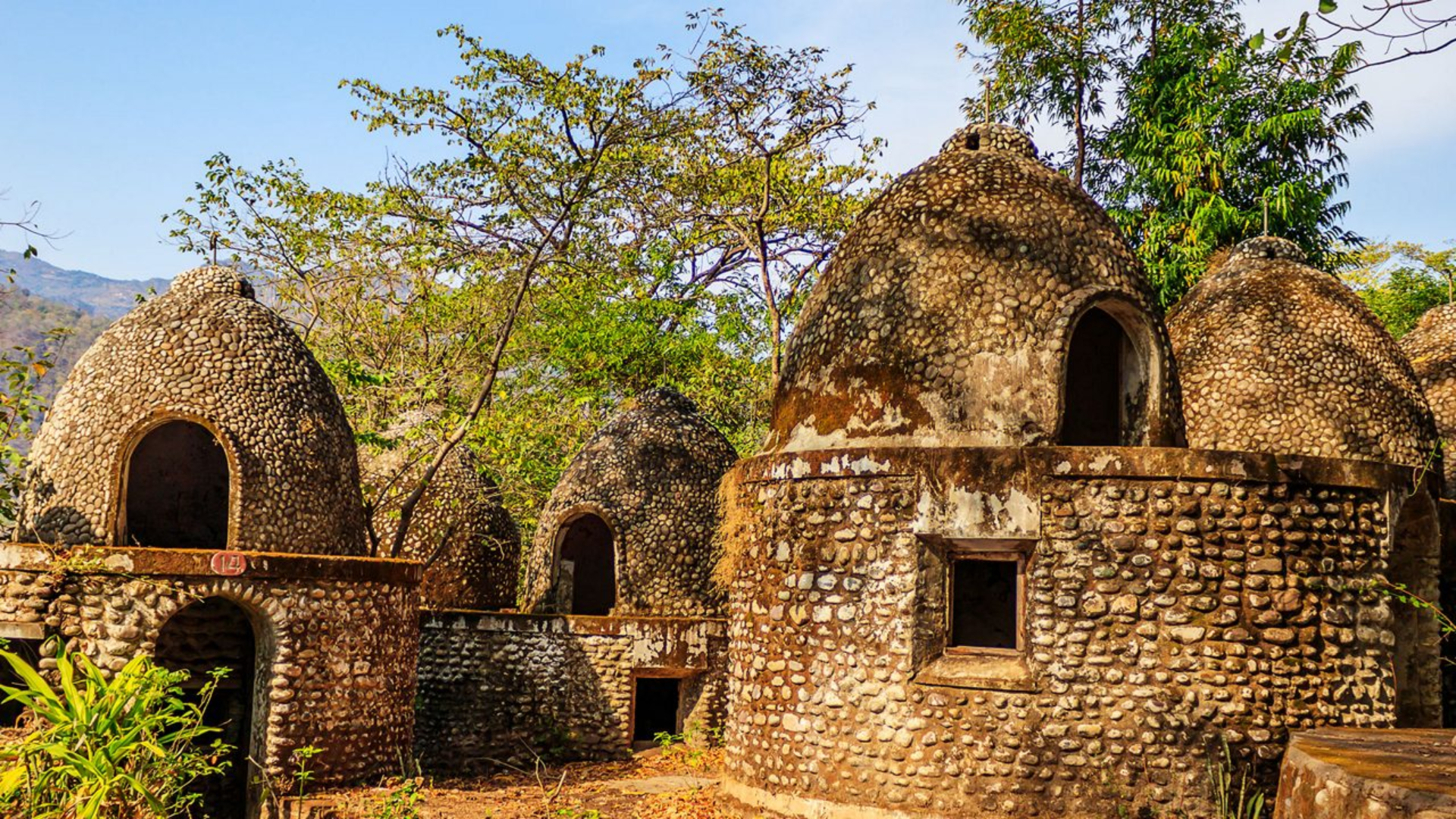
Exploring Beatles Ashram starts with a short walk through lush trails in Rajaji National Park, leading to historic buildings and meditation domes.
Admire colorful graffiti art inspired by The Beatles, meditate in egg-shaped huts, and soak in Ganga River views for a blend of history and serenity.
Most visitors spend 1-2 hours wandering, photographing murals, and reflecting, creating a memorable mix of art, music, and meditation in Rishikesh.
Best Time to Visit Beatles Ashram in Rishikesh
October to March is ideal for visiting Beatles Ashram, with cool weather, clear skies, and perfect conditions for exploring trails and art.
Avoid summer (April-June) due to heat and monsoon (July-September) for slippery paths; winter offers the best visibility and comfort.
How to Reach Beatles Ashram in Rishikesh
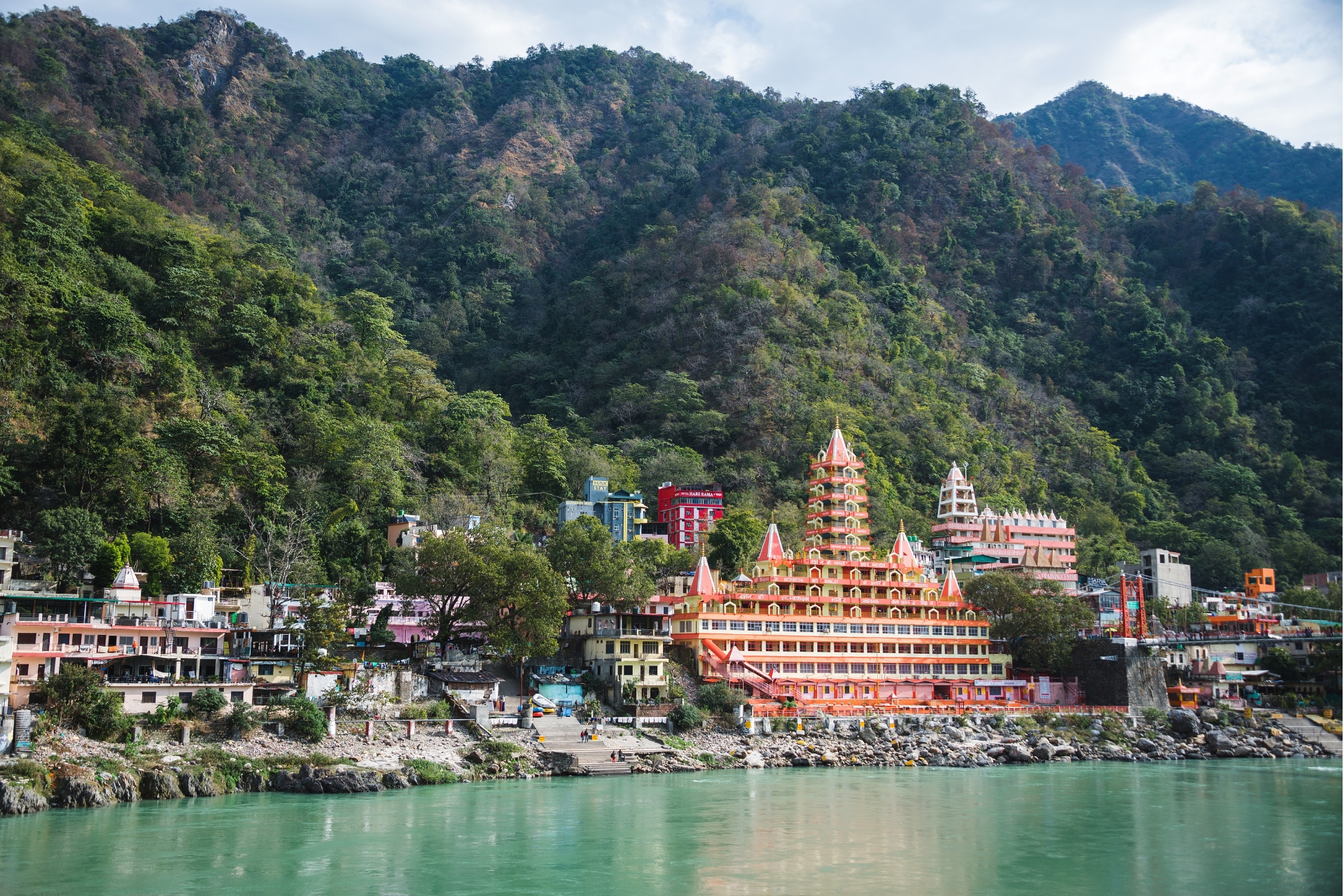
Beatles Ashram is easily accessible near Swarg Ashram in Rishikesh, a short distance from popular spots like Ram Jhula.
- From Ram Jhula / Laxman Jhula: About 1.5 km; 20-minute walk or quick auto-rickshaw ride to the entrance.
- From Rishikesh Bus Stand or Railway Station: 5-7 km; 15-20 minutes by auto or taxi directly to the site.
- Nearest Airport: Jolly Grant Airport, Dehradun, around 20 km away, followed by a taxi.
- Nearest Railway Stations: Rishikesh (5 km) or Haridwar (25 km) with easy local transport.
Beatles Ashram Rishikesh is a perfect blend of history, art, and meditation, offering inspiration from The Beatles' legacy. It's an essential stop for yoga enthusiasts and travelers seeking cultural depth in Uttarakhand.