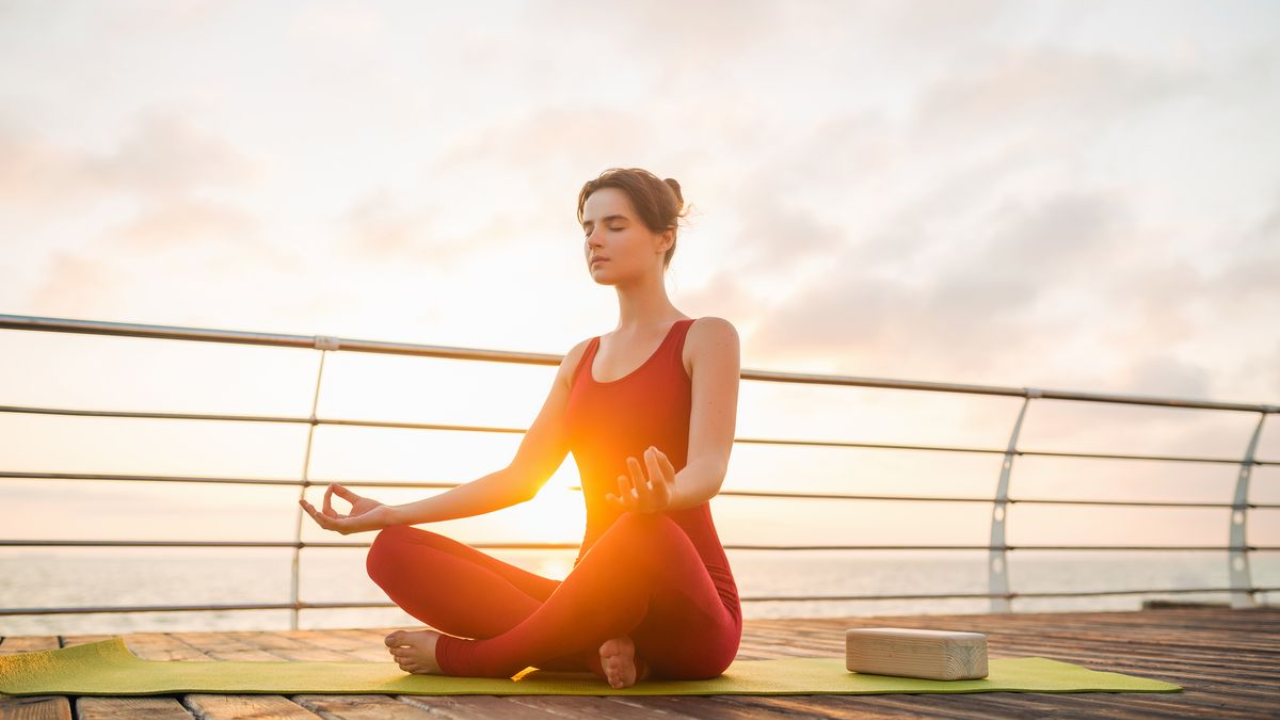
Quick Answer: Butterfly Pose, or Baddha Konasana (Bound Angle Pose), is a fundamental seated yoga posture where you sit upright, bring the soles of your feet together, and let your knees gently release outward. It provides deep, restorative hip opening, enhances circulation across the pelvic bowl, and calms the nervous system within just 2 to 3 minutes of mindful breathing.
In our modern daily routines, prolonged sitting tightens the hip flexors, compresses the lumbar spine, and restricts healthy pelvic circulation. Butterfly Pose is one of the most accessible and effective yogic remedies to counter these effects. Written by Vikas Negi, lead instructor at Adishesh Yoga Rishikesh, this guide walks you through the traditional alignment, physiological benefits, common errors, and safe variations.
What Is Butterfly Pose (Baddha Konasana)?
In Sanskrit, "Baddha" translates to bound, "Kona" means angle, and "Asana" denotes posture. Often called Cobbler's Pose or Butterfly Pose due to the butterfly-wing movement of the knees in dynamic variations, it is one of the premier restorative postures described in classical Hatha Yoga texts.
- Sanskrit Name: Baddha Konasana (बद्धकोणासन)
- English Names: Butterfly Pose, Bound Angle Pose, Cobbler Pose
- Pose Category: Seated Hip Opener / Restorative
- Difficulty Level: Beginner to Intermediate
- Recommended Duration: 1 to 3 minutes (5 to 15 slow breaths)
- Target Areas: Adductors (inner thighs), groin, pelvic floor, hips, lower back
How to Practice Butterfly Pose Step by Step
Follow these precise alignment cues taught at our Yoga TTC in Rishikesh:
- Start in Staff Pose (Dandasana): Sit tall on your yoga mat with your legs extended straight in front of you. Ground firmly through both sit bones and lengthen the spine toward the ceiling.
- Draw the Feet Inward: Exhale, bend your knees, and gently pull your heels toward your pelvis. Bring the soles of your feet together.
- Position Your Feet: Interlace your fingers around the outer edges of your feet or grasp your ankles firmly. Keep the outer edges of your feet rooted into the mat.
- Lengthen Your Spine: Inhale deeply, roll your shoulders back and down, and lift through the crown of your head. Avoid rounding the lower back.
- Relax Your Knees: Allow your knees to drop gently toward the floor using natural gravity. Never force or press your knees down aggressively.
- Hold and Breathe: Gaze gently forward or close your eyes. Maintain steady diaphragmatic breathing for 1 to 3 minutes.
- Release Mindfully: Inhale, release your hands, gently lift your knees together, and stretch your legs forward back into Dandasana to relax.
Top 6 Proven Benefits of Baddha Konasana
1. Deep Hip & Groin Flexibility
Stretches and releases chronic tightness in the adductors, groin muscles, and hip capsules.
2. Enhanced Pelvic Circulation
Stimulates blood flow to the reproductive organs, ovaries, prostate, and urinary tract.
3. Alleviates Lower Back Tension
By loosening tight hip rotators and pelvic tension, it reduces strain on the lumbar vertebrae.
4. Prepares for Seated Meditation
Builds the hip openness needed for comfortable long sittings in Padmasana or Sukhasana.
5. Calms the Nervous System
Triggers the parasympathetic nervous system, easing fatigue, anxiety, and mental restlessness.
6. Digestive Stimulation
Gentle abdominal engagement aids intestinal motility and promotes healthy digestion.
Modifications and Props for Beginners
If your hips or groin feel tight, do not strain. Use these classical prop supports:
- Elevate the Pelvis: Sit on the edge of a folded yoga blanket or block. Raising the hips tilts the pelvis forward and relieves lower back rounding instantly.
- Support the Knees: Place a yoga block or firm cushion beneath each knee to eliminate strain on the inner groin ligaments.
- Move Feet Further Forward: If drawing the heels close to the pelvis pinches your knees, slide your feet 6 to 12 inches away to create a diamond shape (Tara Asana).
- Reclined Butterfly (Supta Baddha Konasana): Lie back onto a yoga bolster for deep restorative relaxation before sleep.
Common Mistakes to Avoid
- Slumping the Back: Collapsing through the thoracic spine compresses the organs. Keep your chest open and collarbones broad.
- Pushing the Knees Down with Force: Never shove your knees with your hands. Allow gravity and conscious relaxation of the inner thighs to lower the legs.
- Holding Your Breath: Maintain slow, smooth nasal breathing to allow the connective tissues to soften.
Frequently Asked Questions (FAQs)
Experience Authentic Yogic Guidance in Rishikesh
Whether you are beginning your yoga journey or looking to become a certified teacher, learning traditional alignment under master teachers makes all the difference. Explore our immersive Yoga Retreats in Rishikesh or deepen your knowledge with our residential 200 Hour Yoga TTC at Adishesh Yoga.
Guide authored by Vikas Negi, Founder & Lead Yoga Instructor at Adishesh Yoga Retreats, Rishikesh.
Explore Authentic Yoga in Rishikesh with Adishesh Yoga
Ready to refine your alignment, anatomy, and sequencing under traditional masters? Join our Yoga Alliance certified courses or unwind with restorative retreats in the Himalayan foothills.