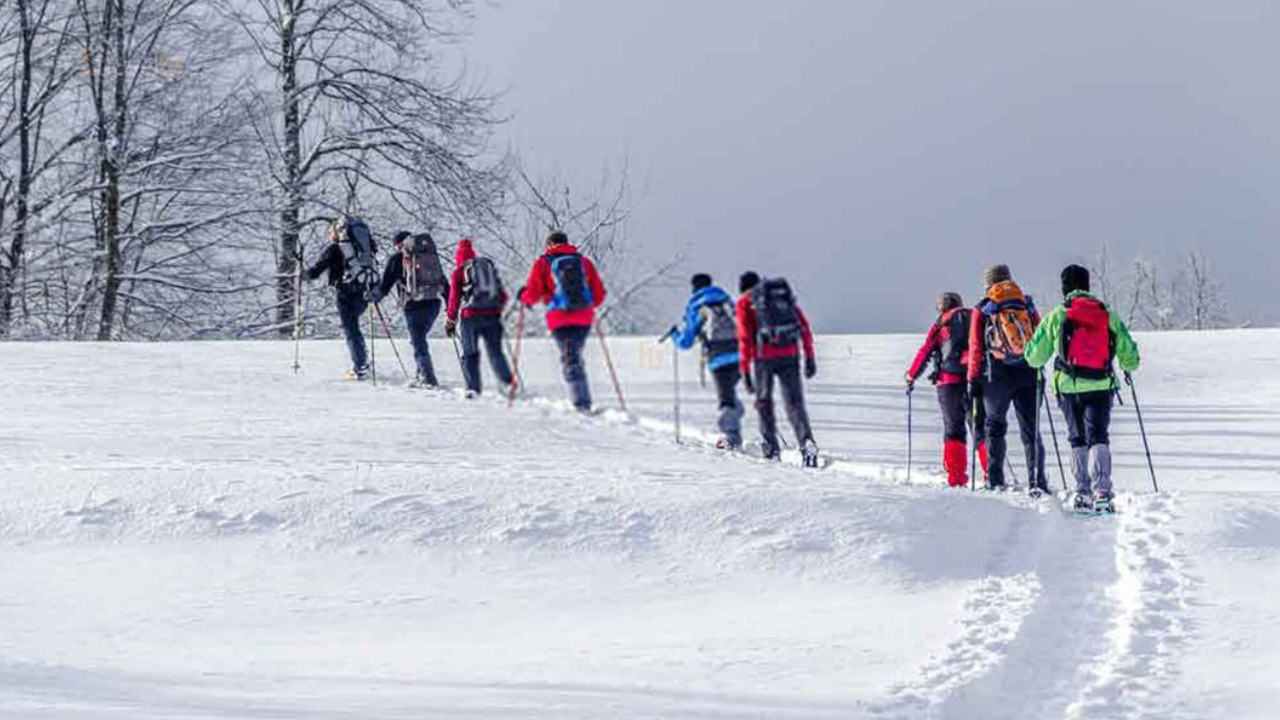
Winter transforms the Indian Himalayas into a magical wonderland of snow and ice. The trails become quieter, views more dramatic, and the adventure more thrilling. While summer treks are popular, winter trekking offers unique experiences like walking on frozen rivers and camping under starry skies in sub-zero temperatures.
Quick Answer: Best Winter Trek
Kedarkantha Trek is the most popular and best winter trek for most people. It offers perfect snow coverage, stunning 360-degree views, beginner-friendly trail, and magical pine forest campsites. Ideal for first-time winter trekkers seeking beauty without extreme difficulty.
Why Winter Treks Are Special
Winter trekking in the Himalayas is a completely different experience. Snow blankets everything, creating postcard-perfect landscapes. The cold air is crisp, crowds are minimal, and wildlife sightings increase.
These treks challenge you physically and mentally while rewarding with unparalleled beauty. Frozen waterfalls, snow-laden rhododendrons, and sunrise over snow peaks make winter the most photogenic season for Himalayan adventures.
Chadar Trek Ladakh
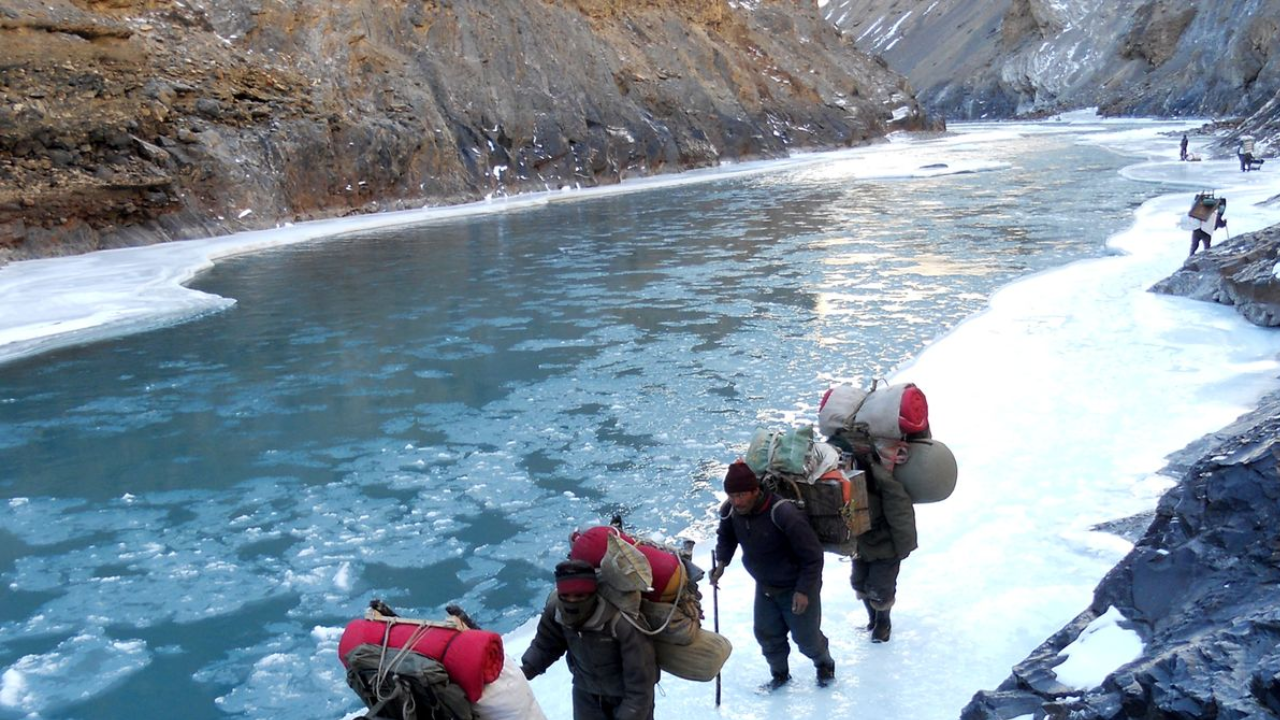
The most unique winter trek in the world—walking on the frozen Zanskar River. This is adventure at its extreme, with ever-changing ice formations and dramatic gorge scenery.
How to Experience
- Start from Leh after proper acclimatization
- Trek 75-90 km over 8-9 days on frozen river
- Camp in caves or tents along the riverbank
- Experience temperatures dropping to -30°C at night
- Visit remote Zanskari villages
- Return via same route or alternate path
Highlights & Difficulty
- Frozen waterfalls and ice formations
- Dramatic narrow gorges and caves
- Unique cultural experience in Zanskar
- High adventure with changing ice conditions
Only possible January-February when river freezes solidly. Requires excellent fitness and cold tolerance. Not recommended for beginners.
Kedarkantha Trek Uttarakhand
The queen of winter treks—perfect snow, beautiful campsites, and summit views of major Himalayan peaks. Ideal for beginners and families.
Step-by-Step Trail
- Start from Sankri village
- Trek through dense pine and oak forests
- Camp at picturesque Juda-ka-Talab (frozen lake)
- Reach base camp with open meadows
- Summit climb with 360-degree views
Why It's Popular
Consistent snow from December to April, well-marked trail, excellent camping spots, and rewarding summit make it the most sought-after winter trek.
Views include Swargarohini, Bandarpoonch, and Black Peak. Perfect introduction to Himalayan winter trekking.
Brahmatal Trek Uttarakhand
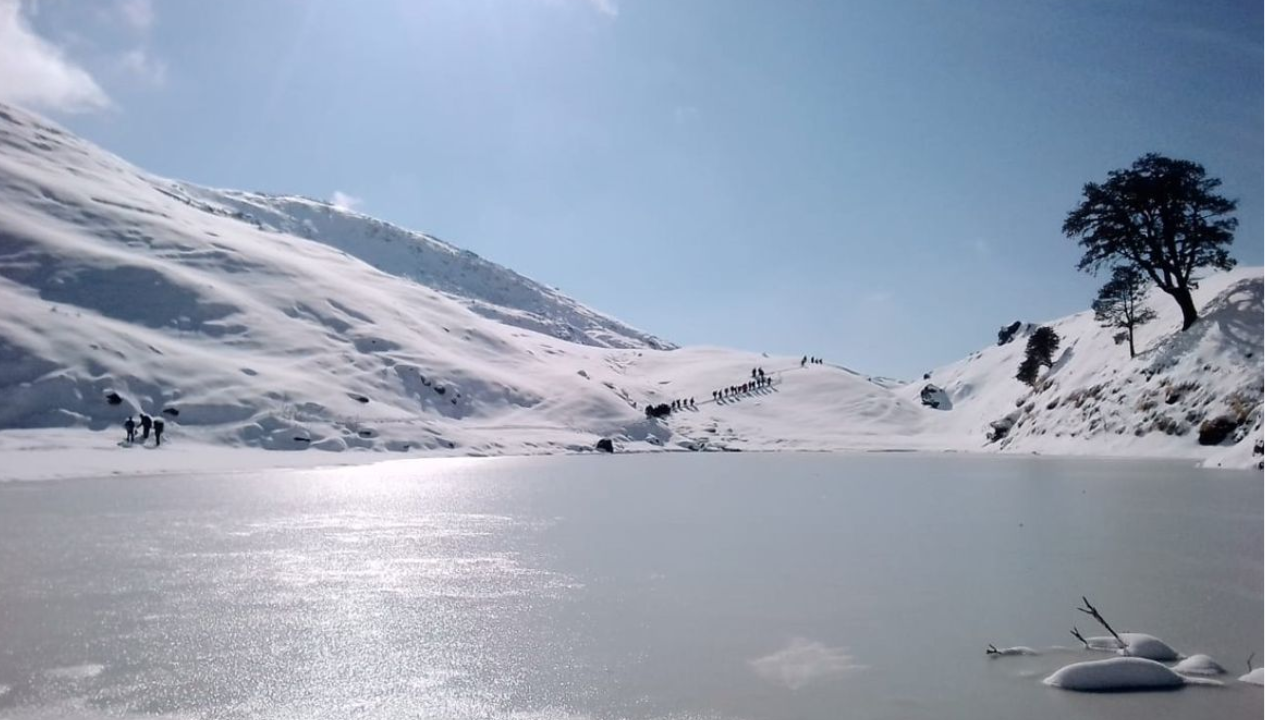
A hidden gem with two beautiful alpine lakes and panoramic views of Mt. Trishul and Nanda Ghunti. Less crowded than Kedarkantha but equally stunning.
Detailed Trail Highlights
- Start from Lohajung
- Trek through ancient oak forests
- Reach Bekaltal and Brahmatal lakes
- Ridge walk with constant mountain views
- Summit offers close views of high peaks
Unique Features
- Two high-altitude lakes often frozen
- Constant views of Trishul massif
- Beautiful ridge walking sections
- Rich birdlife and peaceful atmosphere
Excellent alternative to crowded treks. Offers similar beauty with more solitude and lake experiences.
Goechala Trek Sikkim
Closest view of mighty Kanchenjunga—the third highest mountain in the world. Challenging but incredibly rewarding winter adventure.
Trail Overview
- Start from Yuksom
- Trek through Kanchenjunga National Park
- Cross high passes like Dzongri
- Reach Goechala viewpoint at 4600m
- Experience diverse flora and fauna
Spectacular Rewards
Sunrise view of Kanchenjunga turning golden is lifetime experience. Close-up views of multiple 7000m+ peaks.
Requires good fitness and prior trekking experience. Restricted area—permits mandatory.
Other Notable Winter Treks
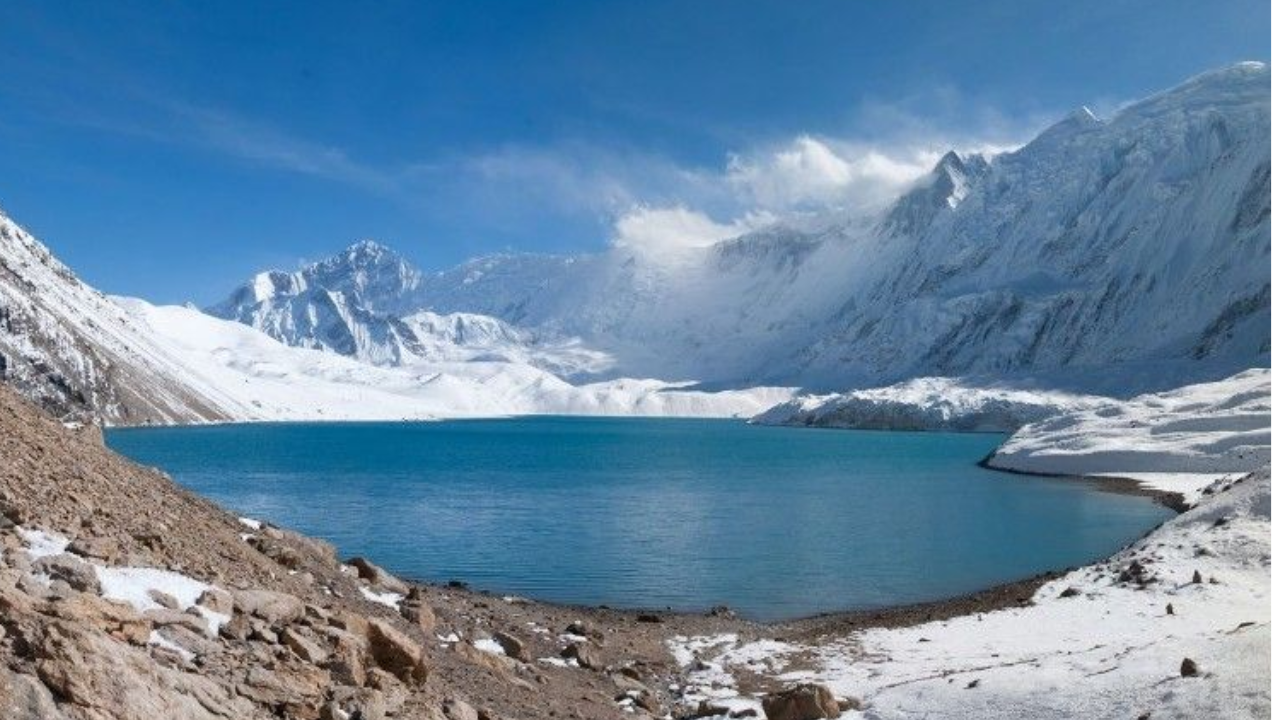
India offers many more incredible winter trekking options across different regions.
Dayara Bugyal (Uttarakhand)
- Vast alpine meadows turn into snow fields
- Perfect for snow camping and skiing
- Easy-moderate difficulty
Hampta Pass Winter (Himachal)
- Dramatic contrast between Kullu and Lahaul valleys
- Heavy snow in winter makes it challenging
- Stunning glacial views
Preparation & Gear Essentials
Winter trekking requires proper preparation for safety and enjoyment.
Essential Clothing Layers
- Thermal inner wear
- Fleece jackets and down jacket
- Waterproof outer shell
- Warm gloves, balaclava, woolen socks
Critical Equipment
- Trekking boots with good ankle support
- Gaiters and microspikes/crampons
- Trekking poles for stability
- Headlamp and extra batteries
Important Safety Guidelines
Physical Preparation
Start cardiovascular training 2-3 months before. Practice walking with backpack in cold conditions. Altitude acclimatization is crucial.
Health Considerations
Consult doctor if you have respiratory or heart conditions. Stay hydrated despite cold. Watch for frostbite and hypothermia signs.
Choose Reputable Operators
- Experienced in winter conditions
- Proper gear and emergency protocols
- Qualified guides and medical support
- Environmentally responsible practices
Best Time & Seasonal Tips
December to March offers best snow conditions. January-February has heaviest snowfall and lowest temperatures.
Month-wise Guide
- December: Fresh snow, moderate cold
- January: Peak winter, heaviest snow
- February: Stable weather, good ice for Chadar
- March: Snow starts melting, spring views
Experience Himalayan Adventures Near Rishikesh
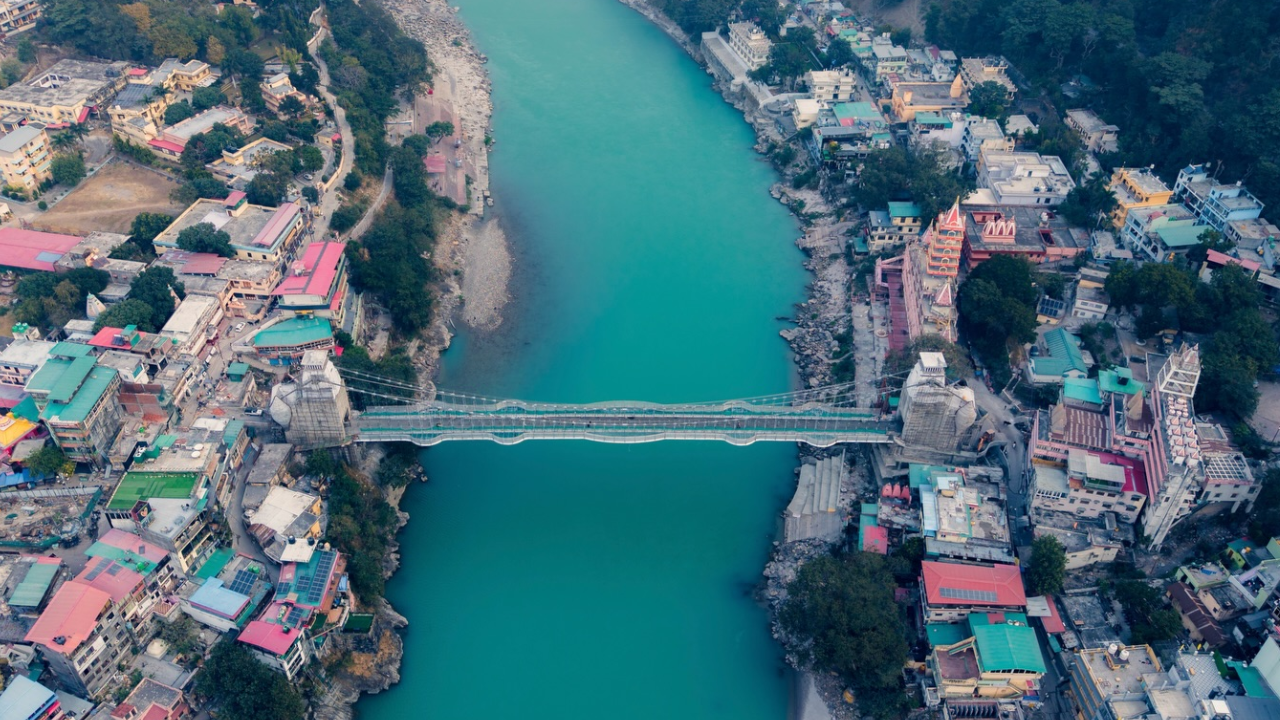
While Rishikesh is the gateway to many Uttarakhand treks like Kedarkantha and Brahmatal, Adishesh Yoga offers preparation programs combining yoga, pranayama, and fitness training specifically for high-altitude adventures.
Why Rishikesh Base
Located at the foothills of Himalayas, Rishikesh provides perfect acclimatization altitude. The spiritual energy and clean Ganges air prepare body and mind for challenging treks. Many winter treks start from nearby regions accessible from Rishikesh.
Our Adventure Preparation Programs Include
- Yoga for strength and flexibility
- Pranayama for better oxygen utilization
- Meditation for mental resilience
- Physical conditioning classes
- Guidance on trek preparation
- Post-trek recovery yoga sessions
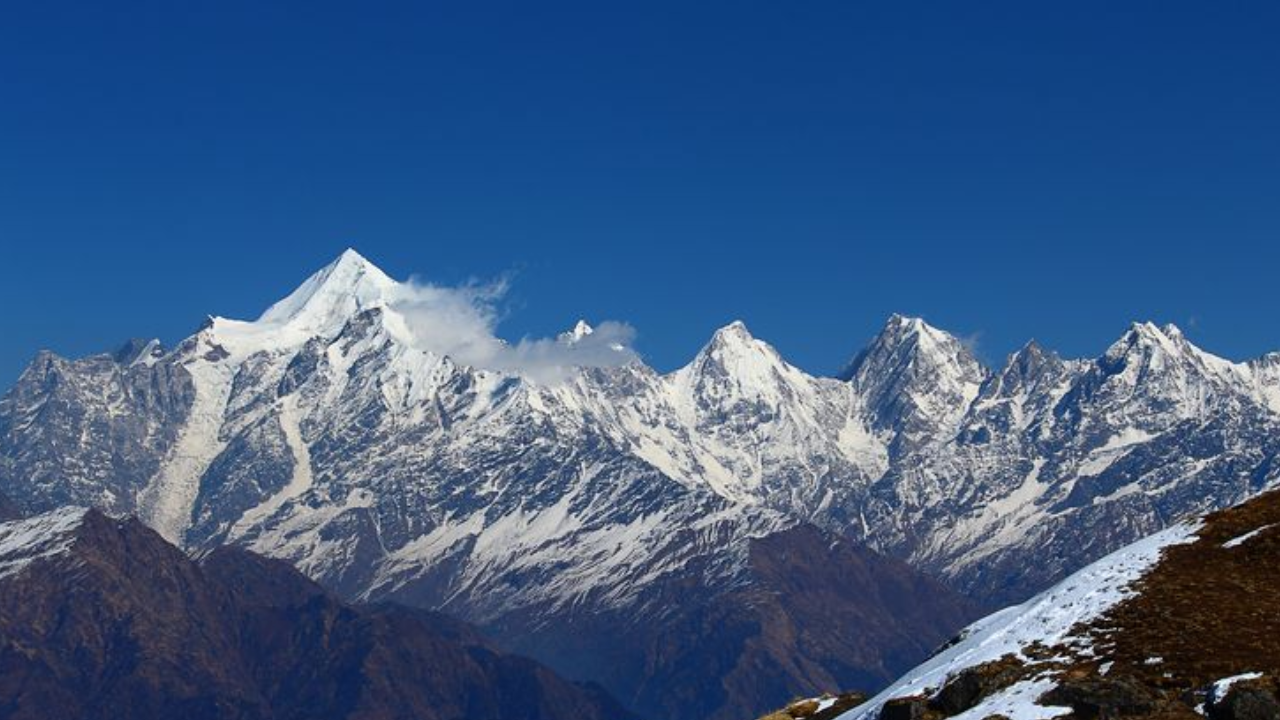
Build the physical strength and mental focus needed for winter trekking through authentic yoga practices. Our experienced instructors help adventure enthusiasts prepare safely for Himalayan challenges.
Join our yoga teacher training in Rishikesh or specialized wellness retreats to enhance your trekking capabilities naturally.
Frequently Asked Questions
What is the best time for winter treks in India?
December to February is ideal for most winter treks, with January offering the heaviest snowfall and best snow conditions. Some like Chadar Trek are only possible in peak winter when rivers freeze.
Are winter treks suitable for beginners?
Yes, many like Kedarkantha and Brahmatal are beginner-friendly with moderate difficulty. Always choose guided treks and prepare physically. Avoid extreme ones like Chadar without prior experience.
What gear is essential for winter trekking in Himalayas?
Layered clothing, insulated jacket, waterproof boots with gaiters, trekking poles, sunglasses, sunscreen, sleeping bag rated -10°C or lower, and crampons for icy sections.
How difficult are Himalayan winter treks?
Difficulty varies from easy-moderate (Kedarkantha) to challenging (Chadar, Goechala). Cold temperatures, snow, and altitude make them tougher than summer treks.
Do I need permits for winter treks in India?
Yes, many require permits (e.g., inner line permit for Ladakh's Chadar). Reputable trek operators handle permits. Always check current regulations.
Start Your Winter Himalayan Adventure
Winter treks in India offer some of the most breathtaking experiences on earth. From walking on frozen rivers to summit views of world's highest peaks—these adventures create lifelong memories.
Choose according to your fitness level and experience. Start with beginner-friendly options and gradually progress to challenging ones.
Prepare well, respect the mountains, and travel responsibly. The Himalayas in winter are magical but demanding—proper preparation ensures safe enjoyment.
Winter transforms the Himalayas into a dream landscape. Experience the silence of snow-covered trails, crisp mountain air, and unparalleled beauty that only winter trekking reveals.