Paschimottanasana, also called Seated Forward Fold or Forward Bend Pose, is one of the most powerful and calming yoga poses for whole body health. This simple sitting yoga stretch gives amazing benefits for your back, legs, mind, and internal organs when practiced regularly at home. Many people suffer from tight hamstrings, lower back pain, stress, poor digestion, and stiff spine because of long sitting hours and busy lifestyle. Paschimottanasana is a complete solution that stretches your entire back body from head to heels, calms your nervous system, and brings deep relaxation to body and mind.
What is Paschimottanasana?
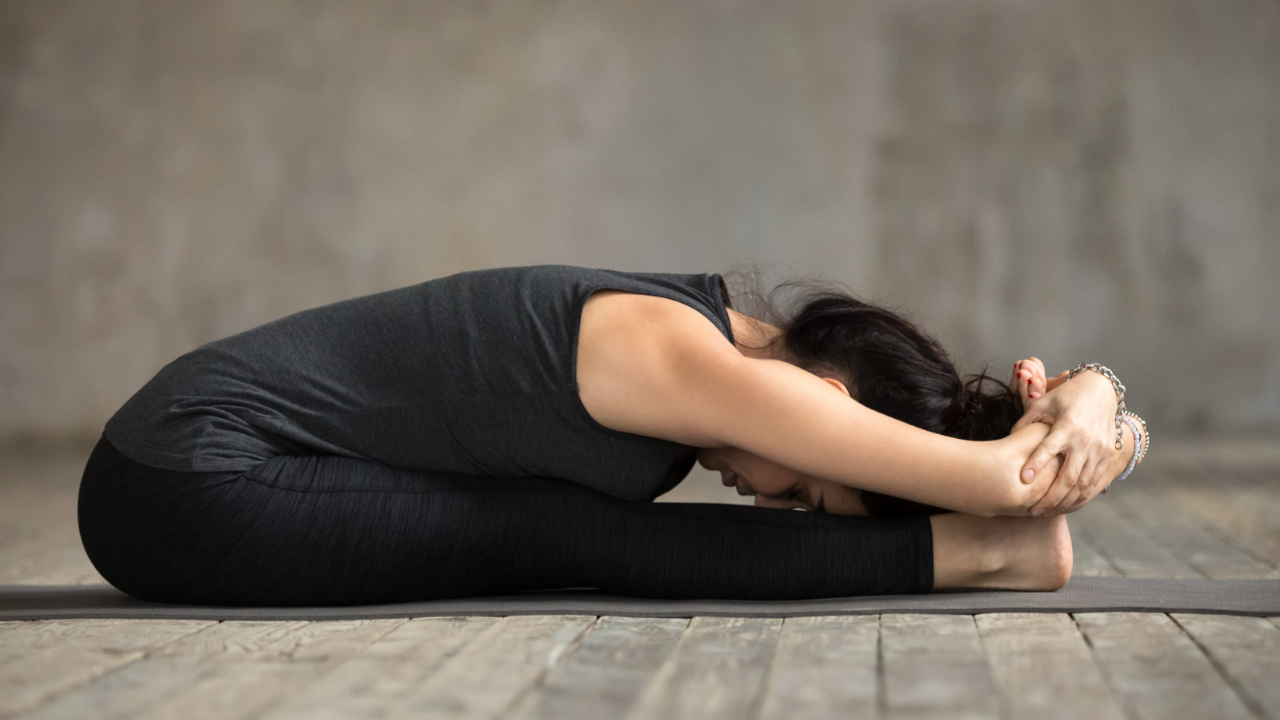
Paschimottanasana comes from Sanskrit words where "Paschima" means west or back side of body, "Uttana" means intense stretch, and "Asana" means pose. In this yoga pose, you sit on floor with both legs straight in front and bend forward from hips to touch your feet with hands. The entire backside of your body gets a deep stretch from your head, neck, spine, back muscles, hips, hamstrings, all the way down to your heels. This is why it is called the complete back body stretch pose.
Why This Pose is So Powerful
- Full Spine Stretch: Unlike other poses that stretch only upper or lower back, Paschimottanasana stretches your entire spine from neck to tailbone in one smooth line.
- Deep Hamstring Release: Most people have very tight hamstring muscles from sitting and this pose gently opens them without force or pain.
- Calming Effect: Forward bends naturally calm your nervous system and reduce stress, anxiety, and mental tension better than backward bends.
- Organ Massage: When you fold forward, your belly gently presses against thighs which massages digestive organs and improves gut health.
Ancient yoga texts say that Paschimottanasana is one of the most important poses because it balances both body and mind together. It is included in traditional Hatha Yoga sequences and is considered a master pose for flexibility and inner peace.
How to Do Paschimottanasana Step by Step
Learning the correct technique is very important for getting benefits and avoiding injury. Many beginners try to force their body to touch toes which causes back strain and hamstring pulls. Follow these simple steps carefully to practice Paschimottanasana safely at home.
Correct Steps for Beginners
- Step 1 - Starting Position: Sit on your yoga mat with both legs stretched straight in front. Keep your spine tall and shoulders relaxed. Place hands on floor beside hips.
- Step 2 - Engage Your Legs: Press back of both knees down to floor and pull toes toward your face. This activates leg muscles and protects hamstrings from overstretching.
- Step 3 - Lengthen Spine: Take a deep breath in and lift your chest up. Feel your spine getting longer. This is very important before bending forward.
- Step 4 - Forward Bend: Breathe out and slowly bend forward from your hips, not from waist. Keep your back straight as you fold. Reach hands toward feet.
- Step 5 - Hold Position: Hold wherever you can comfortably reach - shins, ankles, or feet. Keep breathing slowly. Don't bounce or force yourself deeper.
- Step 6 - Coming Out: Breathe in and slowly lift your upper body back to sitting. Come up the same way you went down.
Important Tips for Correct Practice
- Never round your back to touch your toes. Keep spine long even if you can't reach far.
- Your belly should touch thighs before chest touches knees. This shows correct hip folding.
- Breathe naturally and deeply. Don't hold your breath while holding the pose.
- If hamstrings are very tight, bend your knees slightly. Straight spine is more important than straight legs.

Physical Benefits of Paschimottanasana
Regular practice of Paschimottanasana gives incredible benefits to your physical body. From head to toe, this single yoga pose works on multiple body parts and systems at the same time. Let's understand how this simple forward fold heals and strengthens your body naturally.
Benefits for Spine and Back
- Relieves Lower Back Pain: Gentle stretching of back muscles releases tension and tightness that causes chronic lower back pain and stiffness.
- Improves Spine Flexibility: Regular practice makes your spine more flexible and mobile, especially for people who sit for long hours at desk.
- Corrects Posture: Stretching tight back muscles helps correct rounded shoulders and forward head posture from computer work and phone use.
- Prevents Back Problems: Keeping spine flexible through this pose helps prevent future back injuries, disc problems, and age-related stiffness.
Benefits for Legs and Hips
- Stretches Hamstrings: This is one of the best poses to stretch tight hamstring muscles at back of thighs that get short from sitting and running.
- Opens Hip Joints: Forward folding from hips improves hip flexibility and range of motion for daily activities and other exercises.
- Tones Leg Muscles: Holding legs active in this pose strengthens and tones calf muscles, thighs, and improves overall leg shape.
- Reduces Sciatica Pain: Gentle hamstring stretch can relieve pressure on sciatic nerve and reduce radiating leg pain over time.
Benefits for Digestive System
- Improves Digestion: The gentle pressure on abdomen massages intestines and stomach, helping food move through digestive system smoothly.
- Relieves Constipation: Regular practice stimulates bowel movement and helps people suffering from chronic constipation without medicines.
- Reduces Bloating: This pose releases trapped gas and reduces uncomfortable bloated feeling after eating heavy meals.
- Supports Liver Health: Forward bending compresses liver area which improves its function and natural detoxification process.


Mental and Emotional Benefits
Paschimottanasana is not just a physical stretch. It has powerful effects on your mind, emotions, and mental health. Forward bends are known in yoga as calming poses that help you turn inward and find peace. Modern science also proves that this pose helps reduce stress hormones and activate relaxation response in your body.
Stress Relief and Relaxation
- Calms Nervous System: Forward folding activates parasympathetic nervous system which is your body's natural relaxation mode that reduces stress.
- Reduces Anxiety: Holding this pose with slow breathing helps reduce anxiety, worry, and racing thoughts by calming your mind naturally.
- Releases Mental Tension: The gentle pressure and stretch releases stored emotional stress and tension that we hold in our back and hips.
- Improves Sleep Quality: Practicing this calming pose before bedtime helps people with insomnia fall asleep faster and sleep more deeply.
Mental Clarity and Focus
- Increases Blood Flow to Brain: In forward fold position, blood circulation to head and brain increases which improves mental clarity and alertness.
- Reduces Headaches: Regular practice helps reduce stress headaches and tension headaches caused by neck and shoulder tightness.
- Balances Emotions: This pose helps balance emotions and reduce mood swings by calming overactive mind and nervous energy.
- Promotes Mindfulness: Holding this quiet pose teaches you to stay present, observe sensations, and develop patience and acceptance.

Precautions and Who Should Avoid
While Paschimottanasana is safe for most people, there are certain health conditions where you should avoid this pose or practice with doctor's permission. Always listen to your body and never push through sharp pain or discomfort. Knowing these safety guidelines helps you practice yoga responsibly.
When to Avoid This Pose
- Back Injuries: Avoid if you have herniated disc, slipped disc, sciatica, or recent back surgery. Wait until you fully recover and get doctor approval.
- Pregnancy: Pregnant women should not practice deep forward bends after first trimester as it compresses the belly. Practice gentle variations only.
- Asthma Attack: During active asthma or breathing difficulty, avoid deep forward bends as they can make breathing more difficult.
- Abdominal Surgery: If you had recent stomach or intestinal surgery, avoid this pose until fully healed to prevent strain on surgical area.
General Safety Guidelines
- Never practice on full stomach. Wait at least 3 to 4 hours after eating a big meal.
- If you feel sharp shooting pain in back or legs, come out of the pose immediately and rest.
- Don't hold your breath. Breathe slowly and deeply throughout the pose to avoid dizziness.
- Warm up your body with gentle stretches and Sun Salutations before practicing Paschimottanasana.
Best Time to Practice
Timing your yoga practice correctly can make a big difference in how much benefit you get. Paschimottanasana works best at specific times of day and under certain conditions. Understanding when and how to practice helps you avoid discomfort and maximize all the wonderful benefits this pose offers.
Morning Practice Benefits
- Empty Stomach Practice: Early morning on empty stomach is ideal time. Your digestive system is clear and body is light which makes forward bending comfortable.
- Reduces Morning Stiffness: Morning practice helps release overnight stiffness in back and legs, making your body feel fresh for the day.
- Calms Mind: Starting day with this calming pose sets peaceful tone for entire day and helps you handle stress better.
Evening Practice Benefits
- Better Flexibility: Your body is naturally more flexible in evening after moving throughout the day, so you can go deeper safely.
- Relieves Work Stress: Evening practice helps release accumulated stress and tension from long day at work or study.
- Prepares for Sleep: Practicing 1 to 2 hours before bedtime relaxes your nervous system and helps you sleep better through the night.
Common Mistakes to Avoid
Many people make the same mistakes when learning Paschimottanasana which reduces benefits and can cause injury. Understanding these common errors will help you practice correctly from the beginning and progress safely. Remember that correct form is always more important than how deep you can bend.
Technique Mistakes
- Rounding the Back: Biggest mistake is curving your spine to reach toes. Keep spine long and straight. Better to hold shins with straight back than touch toes with round back.
- Lifting Shoulders: Many people lift shoulders toward ears creating neck tension. Keep shoulders down and relaxed away from your ears.
- Bouncing in Pose: Never bounce to go deeper. This can tear hamstring muscles. Use steady gentle pressure and breathe into the stretch.
- Locking Knees: Hyperextending or locking knee joints puts stress on them. Keep a micro-bend in knees or engage thigh muscles properly.
Breathing Mistakes
- Holding breath while in the pose reduces relaxation benefits and creates muscle tension instead of release.
- Breathing too fast creates anxiety. Breathe slowly and deeply, making each exhale longer than inhale.
- Not using breath to deepen pose. Each exhale is opportunity to relax and fold a little deeper naturally.
Daily Practice Routine
Building a consistent daily practice is key to getting lasting benefits from Paschimottanasana. You don't need to practice for hours. Even 10 to 15 minutes daily gives better results than practicing once a week for long time. Here is a simple routine you can follow at home.
Beginner 15-Minute Routine
- Warm Up (5 minutes): Start with neck rolls, shoulder circles, cat-cow pose on hands and knees, and gentle standing forward bend.
- Main Practice (7 minutes): Practice Paschimottanasana for 3 rounds. Hold first round for 1 minute, second for 2 minutes, third for 3 minutes. Rest between rounds.
- Cool Down (3 minutes): Lie on back, hug knees to chest and rock gently. Then rest in Shavasana with legs straight and arms by sides.
Tips for Regular Practice
- Practice same time every day to build a strong habit. Morning or evening, choose what works for your schedule.
- Track your progress by taking photos once a month to see how much more flexible you are becoming.
- On days when body feels very tight, do shorter gentler practice. On flexible days, hold pose longer.
- Combine with other poses like Cobra Pose and Cat Cow for balanced practice that stretches both front and back body.
Combining with Other Yoga Poses
Paschimottanasana works even better when combined with complementary yoga poses. Creating a balanced sequence ensures you stretch and strengthen your entire body. Here are the best poses to practice before and after Paschimottanasana for maximum benefits.
Preparatory Poses
- Downward Facing Dog: Warms up hamstrings and spine, preparing body for deep forward bend.
- Standing Forward Bend: Gentle version that opens backs of legs before sitting pose.
- Cat Cow Pose: Mobilizes entire spine and creates flexibility needed for forward folding.
Counter Poses
- Cobra Pose: Gentle backbend that balances the forward fold and releases lower back compression.
- Fish Pose: Opens chest and front body which is opposite of forward bend movement.
- Wind Relieving Pose: Lying on back with knees hugged to chest releases any back tension after deep forward fold.
Conclusion
Paschimottanasana is one of the most beneficial yoga poses for improving overall body and mind health. This gentle seated forward bend helps increase flexibility, ease back discomfort, calm the mind, and support healthy digestion. The pose is suitable for everyone—beginners can practice it with simple modifications, while experienced practitioners may hold it for a longer duration. While practicing, move slowly and never force your body. Keep your spine long, relax your shoulders, and breathe deeply throughout the posture. With regular practice of just 10 to 15 minutes daily, you may begin to notice positive changes in flexibility, mental calmness, and overall wellbeing within a few weeks. To experience yoga in its natural and peaceful setting, you can explore our retreat programs at Adishesh Yoga Retreat, Rishikesh, where yoga is practiced amidst the serene Himalayan surroundings near the sacred Ganga River. Begin practicing Paschimottanasana today and allow this simple yet powerful pose to support your journey toward balance, health, and inner peace.
Written & reviewed by experienced yoga practitioners at Adishesh Yoga Retreat, Rishikesh.