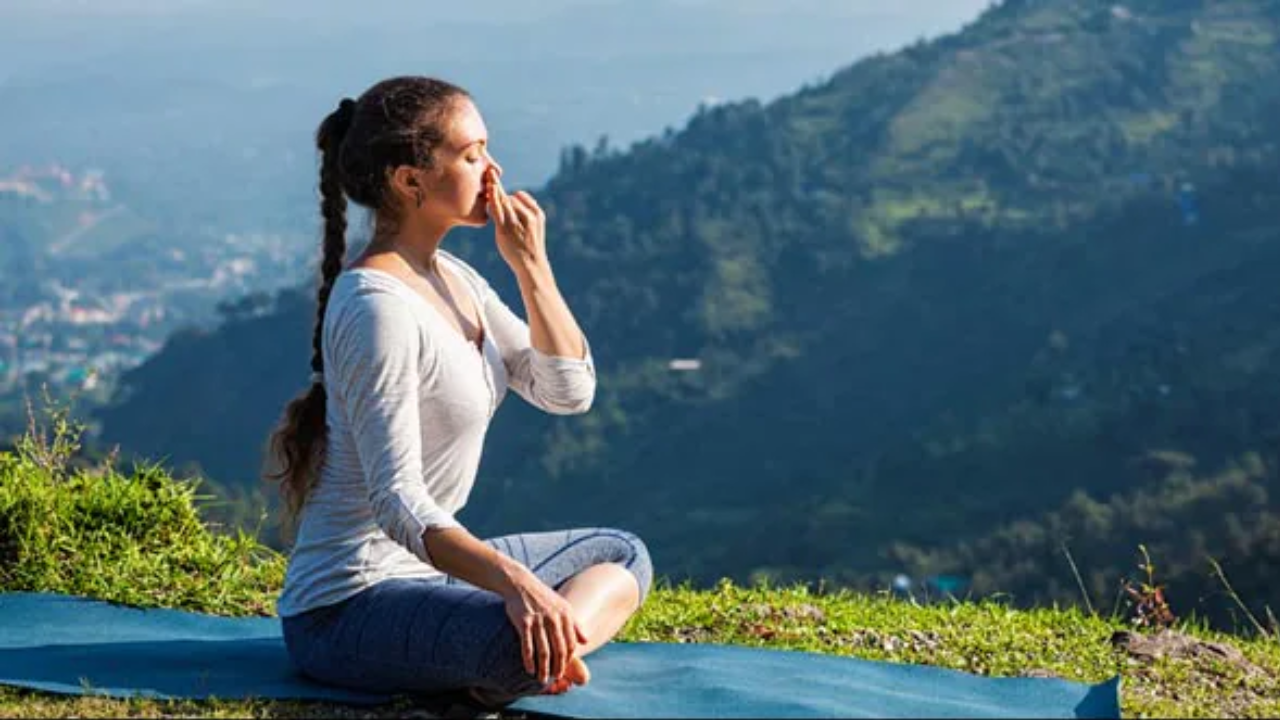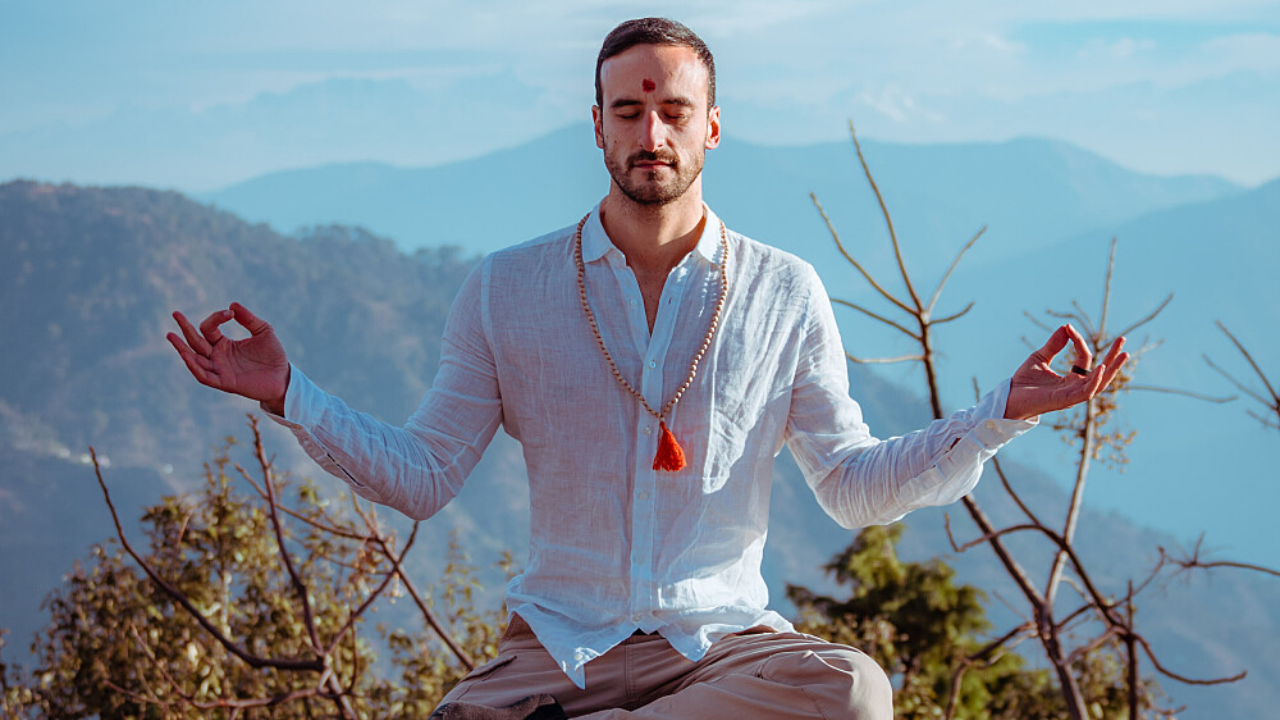
You search "yoga retreat" online and you get thousands of results. Some are expensive. Some look beautiful. Some are near a beach. Some are in the mountains. How do you pick the right one?
Most people choose a retreat based on photos. That is a mistake. A good yoga retreat is one that matches your goal — not just your Instagram feed.
This guide helps you choose the right yoga retreat in a simple way. You will know exactly what to look for — based on what you actually want from your experience.
Step 1 — Know Your Goal First
Before you look at any retreat, ask yourself one question — why do I want to go on a yoga retreat?
Your answer will change everything. Here are the most common goals and what kind of retreat fits each one.
- Stress relief and rest: Choose a slow, gentle retreat. Look for Yin yoga, Restorative yoga, or a silent retreat. Avoid busy programs with many activities.
- Weight loss or fitness: Choose a retreat with daily active yoga sessions — Vinyasa, Power yoga, or Ashtanga. Look for healthy food and a structured daily schedule.
- Spiritual growth: Look for a retreat that includes meditation, pranayama, and philosophy classes — not just yoga poses.
- Learn yoga properly: Choose a retreat with small group classes and an experienced teacher who can correct your form.
- Detox or reset: Look for retreats that include clean food, no alcohol, no phone time, and daily practice. Many also include Ayurveda treatments.
- Just a break from life: Any calm retreat works — focus on the location, comfort, and a flexible schedule.
Write down your goal before you start searching. It saves you a lot of confusion.
Step 2 — Match the Yoga Style to Your Level
Every yoga retreat is built around a style of yoga. If you pick the wrong style — the retreat will not feel right, even if everything else is perfect.
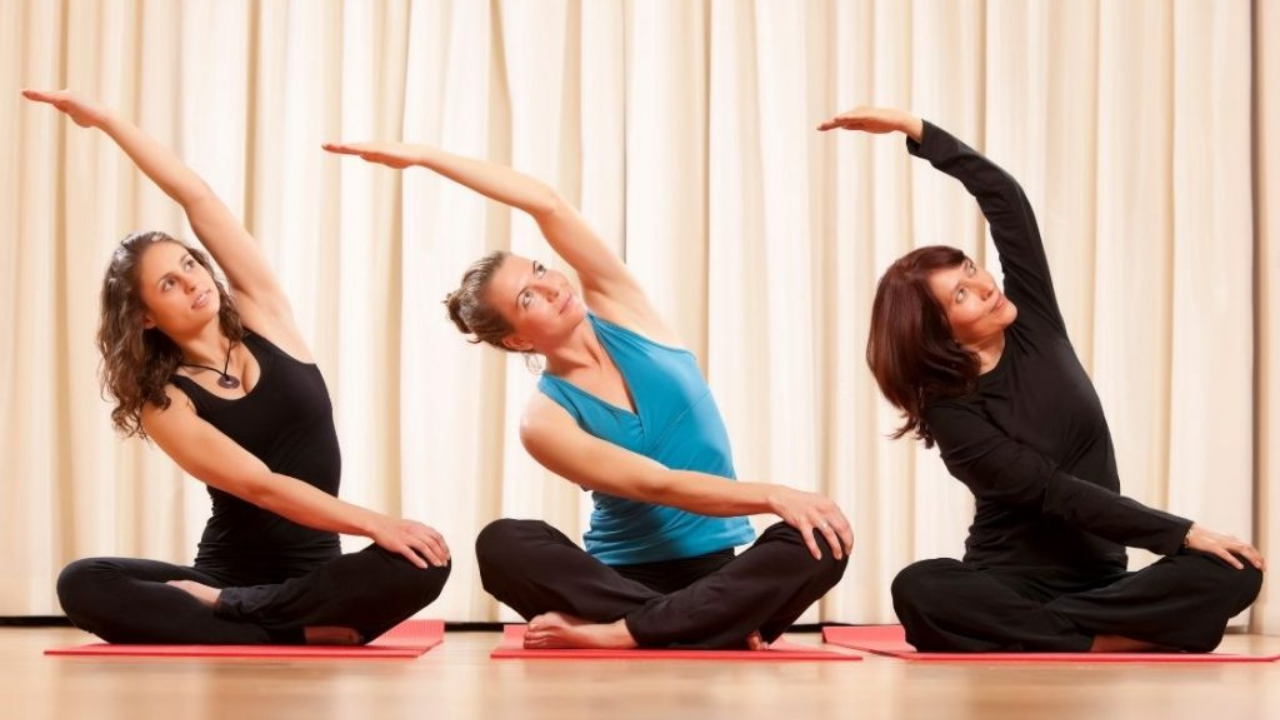
Here is a simple guide to the most common yoga styles at retreats.
- Hatha Yoga: Slow and basic. Perfect for beginners. Focuses on simple poses and breathing. Very common in Rishikesh retreats.
- Vinyasa Yoga: Flowing and a bit faster. Good for intermediate students. Builds strength and flexibility at the same time.
- Ashtanga Yoga: Fixed sequence of poses. Physically demanding. Best for people who already practice regularly.
- Yin Yoga: Very slow. Poses are held for 3 to 5 minutes. Great for stress relief, flexibility, and deep relaxation.
- Restorative Yoga: Even more gentle than Yin. Uses props like bolsters and blankets. Perfect for recovery or burnout.
- Kundalini Yoga: Combines breathwork, chanting, and movement. More spiritual and energetic. Good for those interested in inner work.
If you are a beginner — go with Hatha or Yin. If you are intermediate — Vinyasa is a great fit. If you are advanced — Ashtanga will challenge you properly.
Step 3 — Check the Teacher's Background
The teacher makes or breaks a yoga retreat. A good location and great food will not help if the teaching is bad.
Here is what to check before you book.
- Certification: Look for a teacher with a 200-hour or 500-hour Yoga Teacher Training certificate from a recognised school.
- Experience: How many years have they been teaching? Teachers with 5 or more years of experience usually know how to handle different body types and levels.
- Specialisation: Does the teacher focus on your area of interest — meditation, alignment, pranayama, or therapeutic yoga?
- Reviews: Look for real student reviews on Google, Retreat Guru, Bookyogaretreats, or TripAdvisor. Read what people say about the teacher specifically — not just the place.
- Class size: Smaller groups mean the teacher gives more attention to each person. Ideal group size is 8 to 15 people.
A good teacher will make even a simple retreat feel very deep and meaningful. Do not skip this step.
Step 4 — Choose the Right Location
Location is not just about beauty. It is about the energy of the place and how it supports your practice.
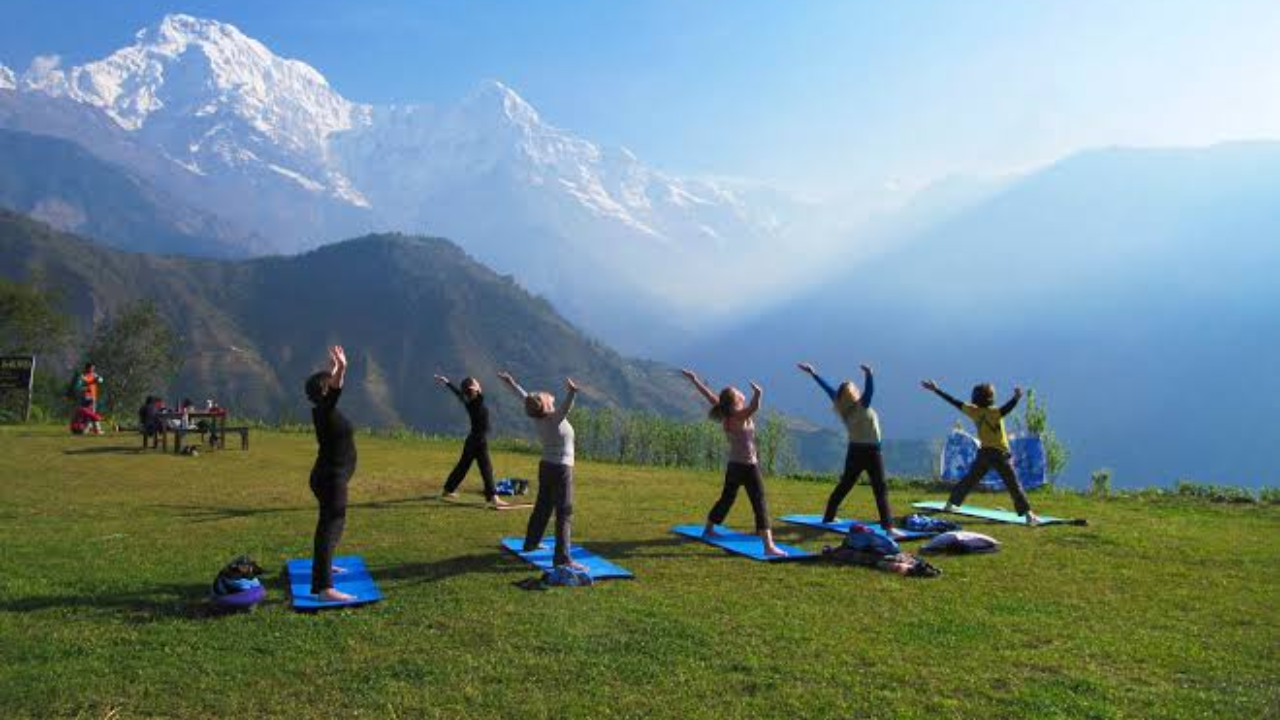
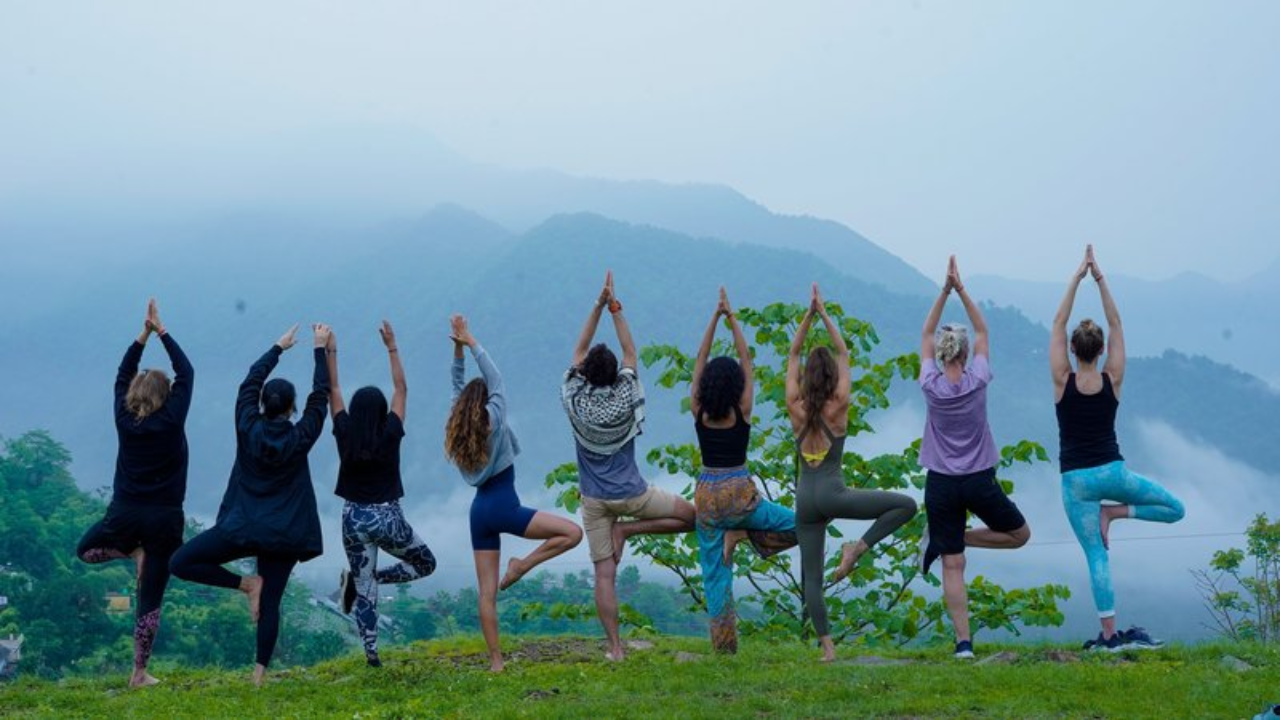
Best Yoga Retreat Locations in India
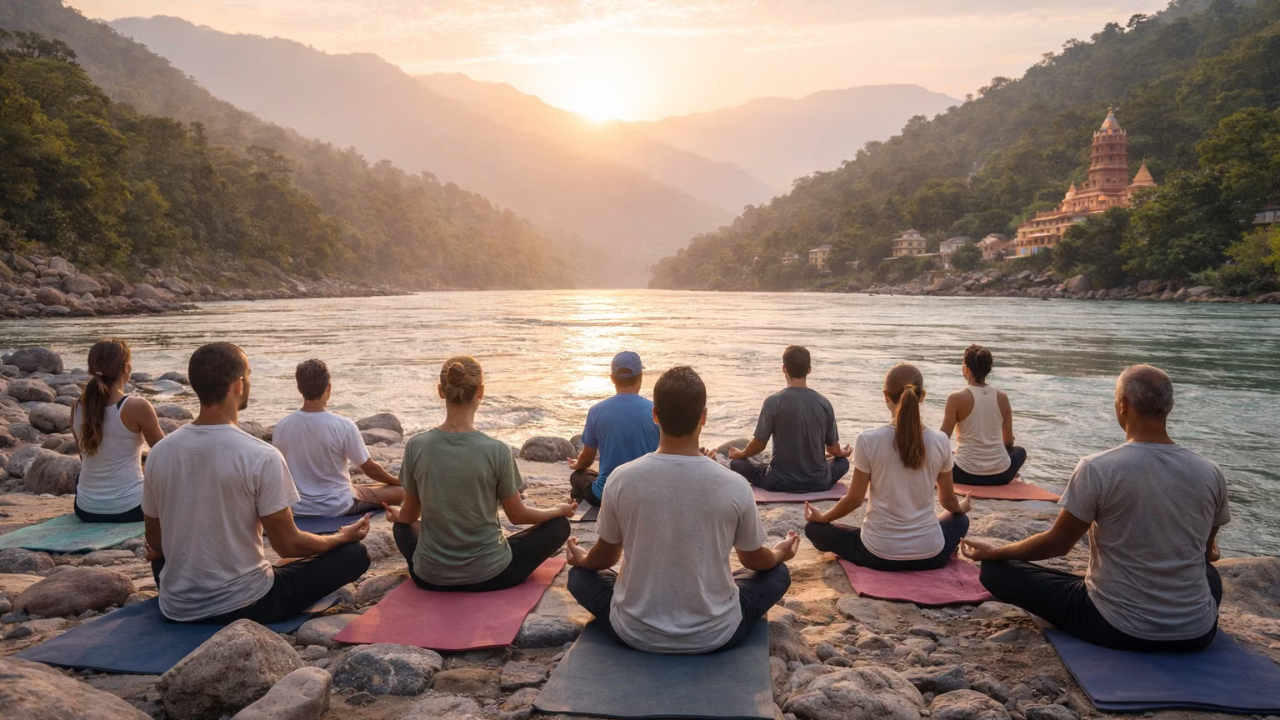
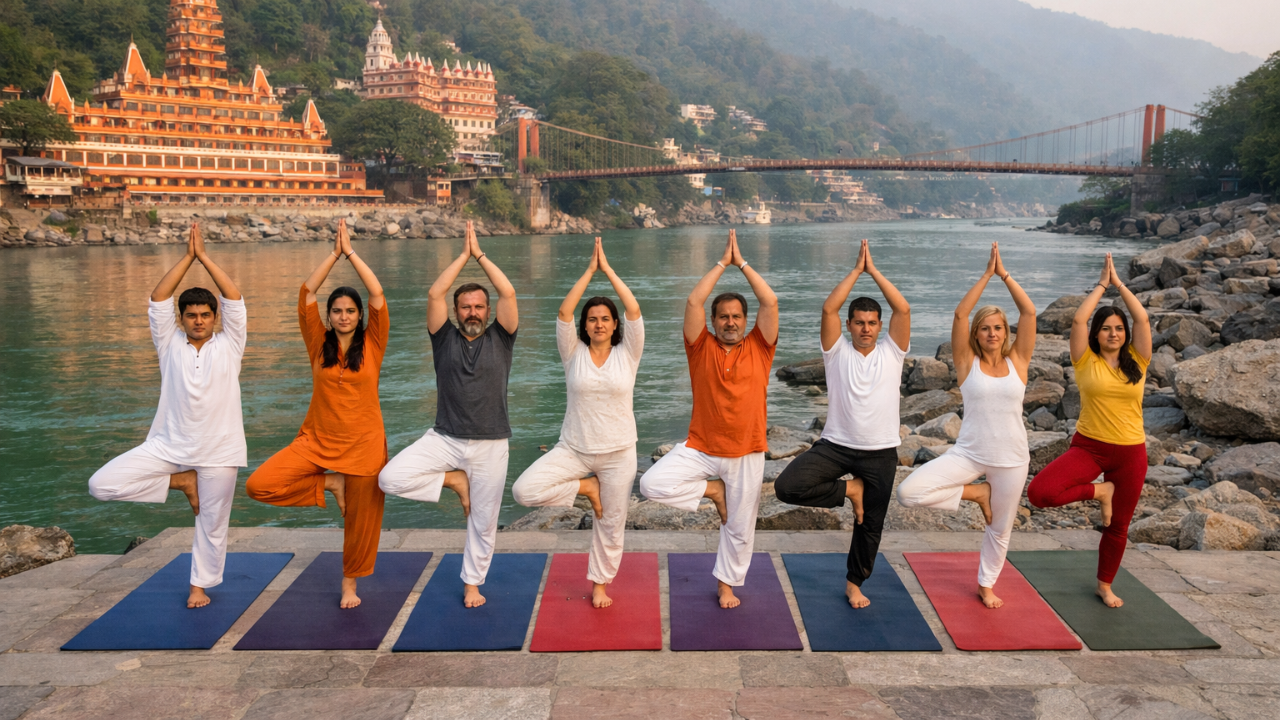
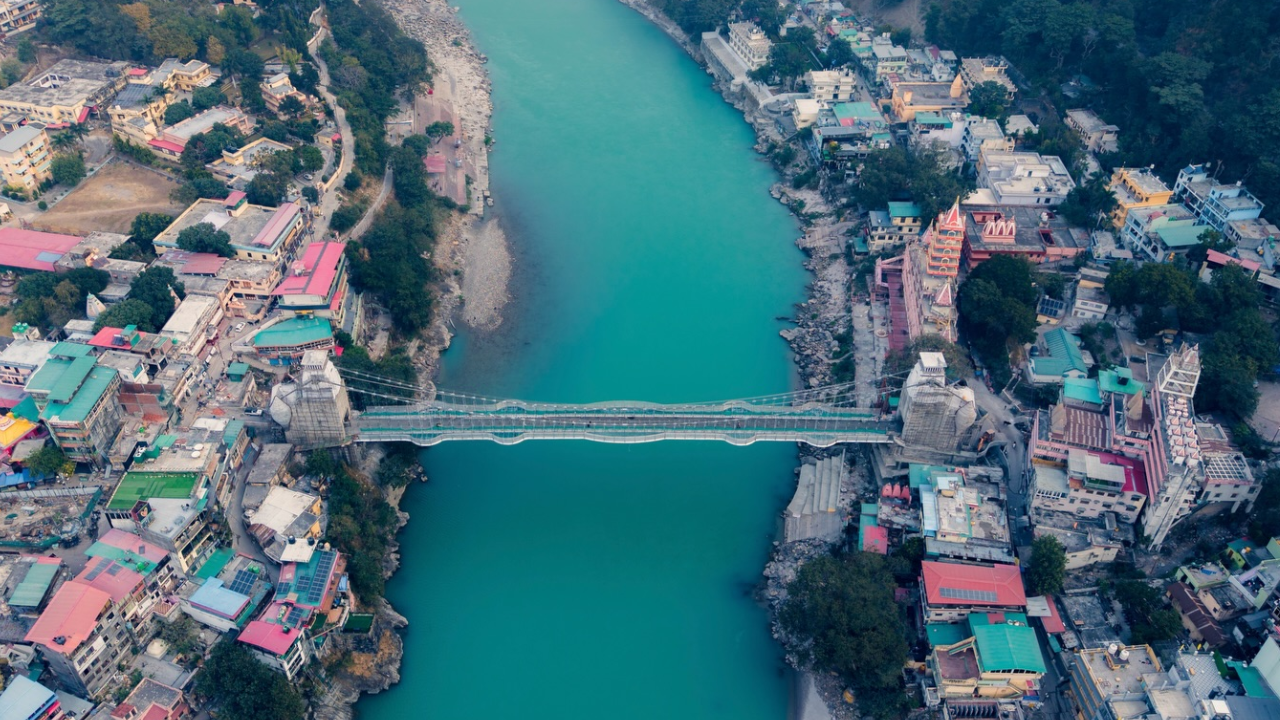
- Rishikesh, Uttarakhand: Called the Yoga Capital of the World. Near the Ganges river and Himalayas. Best for traditional yoga, spiritual practice, and meditation retreats.
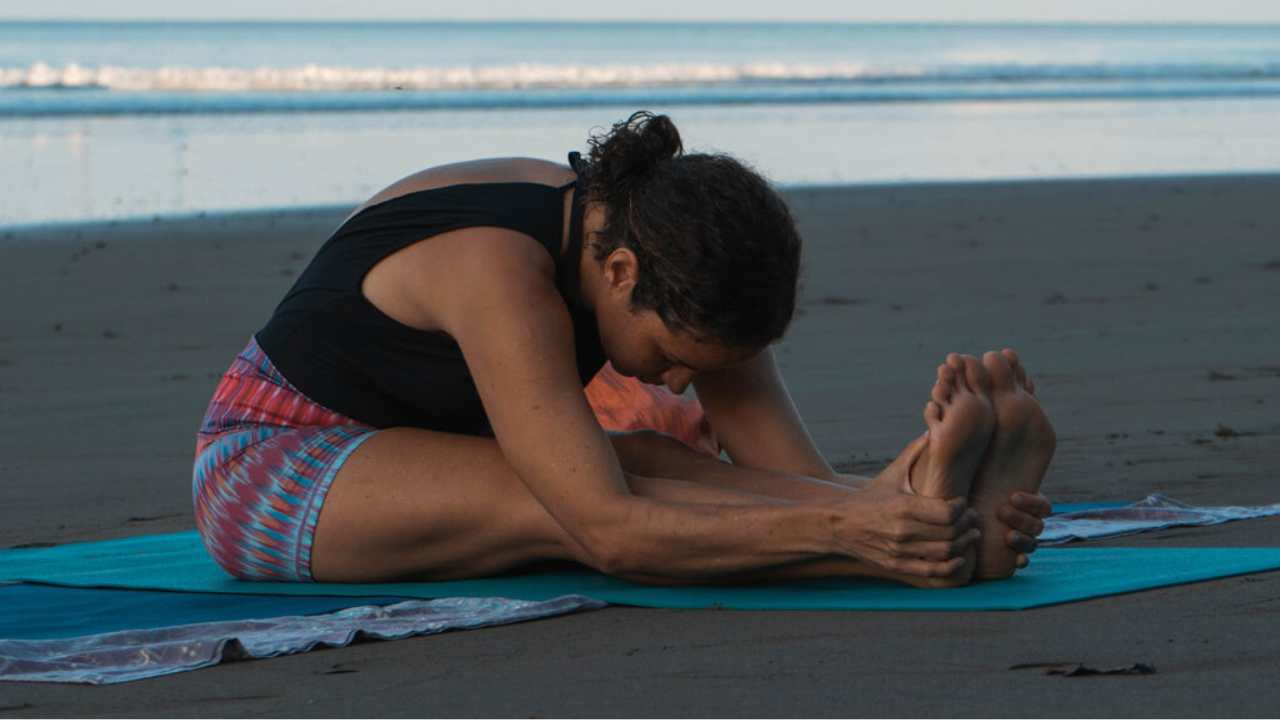
- Goa: Beach setting. More relaxed and social. Good for wellness retreats, Yin yoga, and those who want a holiday mixed with yoga.
- Kerala: Best for Ayurveda-based retreats. Warm climate. Ideal for detox, healing, and restorative yoga combined with treatments.
- Mysore, Karnataka: The home of Ashtanga yoga. Best for serious practitioners who want authentic lineage-based teaching.
- Dharamshala, Himachal Pradesh: Mountains and Buddhist influence. Good for meditation, mindfulness, and silent retreats.
For most people — especially first-timers — Rishikesh is the best choice. The energy is pure, the teaching is strong, and the surroundings are naturally peaceful.
Step 5 — Set a Realistic Budget
A more expensive retreat is not always better. And a cheap retreat is not always bad. What matters is what you get for your money.
- Budget (₹15,000 – ₹35,000 for 7 days): Basic shared rooms. Simple vegetarian food. Good for backpackers and students. Many good ashram-style retreats fall in this range.
- Mid-range (₹35,000 – ₹80,000 for 7 days): Private or semi-private rooms. Better food quality. More personal attention from teachers. This is the most popular range.
- Premium (₹80,000 – ₹1,50,000+ for 7 days): Private villa or room. Personalised yoga sessions. Spa and Ayurveda included. Fewer guests per teacher.
What Is Included in the Price?
Always check what the price includes before you book. A good retreat price should cover accommodation, all meals, daily yoga sessions, and at least some basic activities.
- Is food included — and how many meals per day?
- Is accommodation in a private room or shared?
- Are airport transfers included?
- Are there any extra charges for specific sessions or treatments?
- What is the cancellation policy?
Step 6 — Pick the Right Duration
How long should your retreat be? This depends on your goal and how much time you have. Here is a simple breakdown.
- 3 days (Weekend retreat): Good for a quick reset. You will feel refreshed but real change does not happen in 3 days. Best for beginners who want to try before committing more time.
- 5 to 7 days: The most popular duration. You settle in by day 2, and by day 5 the practice feels natural. This is ideal for a first retreat.
- 10 to 14 days: Deep transformation happens here. Your body adjusts to the new routine. You start sleeping better, eating better, and thinking clearer. Recommended for anyone who is serious.
- 21 days or more: For those who want a real lifestyle reset. Often includes teacher training or deep meditation programs. Not for everyone — but life-changing if you are ready.
If it is your first time — start with 7 days. That is enough to feel a real shift without feeling overwhelmed.
Red Flags — What to Avoid
Not every retreat is a good retreat. Some are just a business with yoga added on top. These are warning signs to watch for.
- No teacher bio on the website: If the retreat does not show who the teacher is — that is a bad sign. Good retreats are proud of their teachers.
- Too many activities in one day: A busy timetable with 10 different things does not mean better value. Real rest and practice require space.
- No real reviews: Only stock photos and marketing language with no authentic student testimonials — skip it.
- Very large groups: If a retreat takes 50 or more guests at one time, personal attention is nearly impossible.
- No clear cancellation policy: Avoid retreats that do not clearly explain what happens if you need to cancel or reschedule.
- Promises of "rapid transformation": Real yoga takes time. Any retreat that promises dramatic results in 3 days is exaggerating.
Trust your gut. If something feels off when you read the website — it probably is. Ask questions before booking. A good retreat centre will answer them clearly and quickly.
Quick Checklist Before You Book
Use this checklist every time you look at a yoga retreat. If you can tick all of these — it is a good choice.
- Does the retreat clearly match my goal?
- Is the yoga style right for my level?
- Is the teacher qualified and experienced?
- Are there real reviews from real guests?
- Is the group size small enough for personal attention?
- Is the price clear — with no hidden costs?
- Does the location feel right for what I need?
- Is the duration long enough to feel the benefit?
- Does the food match my diet — vegetarian, vegan, or Ayurvedic?
- Is there a clear cancellation policy?
Yoga Retreat at Adishesh Yoga, Rishikesh
If you are looking for a yoga retreat in Rishikesh — Adishesh Yoga is a great place to start. Our retreats are designed for all levels — from complete beginners to regular practitioners.
We keep our groups small. We use traditional Hatha yoga and meditation. Our teachers are experienced and patient. And the food is healthy, sattvic, and delicious.
- Daily yoga sessions: Morning and evening practice with full guidance
- Meditation and pranayama: Included in every retreat program
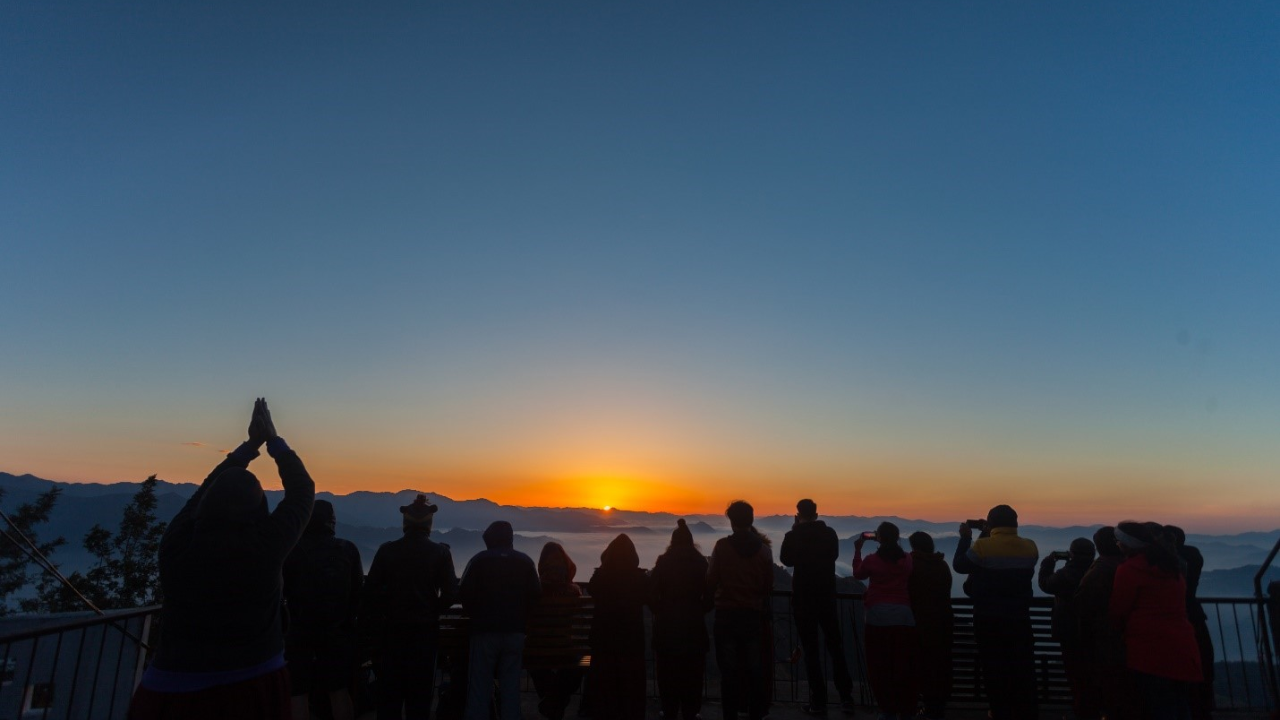
- Sunrise excursions: Guided trips to Kunjapuri Temple and Ganges ghats
- Sattvic meals: Fresh, clean, vegetarian food served daily
- Small groups: Personal attention and a peaceful atmosphere
Whether you come for one week or three — you will leave feeling lighter, calmer, and more clear in your mind.
Frequently Asked Questions
Bonus Tips — Make the Most of Your Retreat
Once you book the right retreat — these simple tips will help you get the most from your time there.
Before You Go
- Start a small practice at home: Even 10 minutes of yoga a day for a week before the retreat helps your body get ready.
- Reduce caffeine slowly: Many retreats do not serve coffee. If you drink a lot of coffee — start reducing a week before so you do not get headaches on day one.
- Pack light: Comfortable yoga clothes, a light jacket, and basic toiletries are enough. You do not need much.
- Let go of expectations: Go with an open mind. Every retreat is different. What you need might be different from what you expect.
During the Retreat
- Put your phone away: Use the retreat to disconnect. You will be surprised how quickly the mind becomes clearer.
- Follow the schedule: Morning sessions are the most important. Do not skip them even when you feel tired — those early sessions are often the most powerful.
- Talk to the teacher: Share your goals and limitations. A good teacher will adjust the practice for you.
- Rest when needed: This is not a competition. Listen to your body. Rest is part of the practice.
- Eat what is offered: The food at a retreat is usually designed to support your practice. Trust the process — even if it feels different from what you eat at home.
Conclusion
Choosing the right yoga retreat does not have to be complicated. Start with your goal. Pick the right style. Find a qualified teacher. Choose a location that feels right. And do not worry about finding the "perfect" retreat — the right one for you will feel right when you read about it.
The most important thing is that you go. Even one week at the right yoga retreat can change how you feel in your body, how you sleep, and how you handle stress — for months after you return.
If you are looking for a warm, traditional, and beginner-friendly yoga retreat in Rishikesh — Adishesh Yoga is here to welcome you. Come as you are. Leave feeling better.