Starting your first trek is exciting, but many beginners make preventable mistakes that turn their adventure into a struggle. Understanding these common errors before you hit the trail can mean the difference between an unforgettable experience and a challenging ordeal. Whether you're planning a Himalayan trek near Rishikesh or exploring mountain trails elsewhere, avoiding these mistakes will make your journey safer and more enjoyable.
Quick Answer: Most Common Trekking Mistake
Inadequate physical preparation is the most common trekking mistake beginners make. Many underestimate the physical demands of trekking and start without proper fitness training. This leads to exhaustion, injuries, and inability to complete the trek. Start training at least 4-6 weeks before your trek with cardio exercises, strength training, and practice hikes.
1. Poor Physical Preparation
Many beginners jump straight into trekking without building adequate fitness levels. They underestimate how demanding mountain trails can be, especially at high altitudes where oxygen levels are lower.
Why This Happens
- Overconfidence from regular gym workouts that don't translate to mountain endurance
- Thinking weekend walks are sufficient preparation for multi-day treks
- Ignoring the impact of altitude on physical performance
- Starting trek training too close to departure date
How to Avoid This
- Start training 6-8 weeks before your trek with cardio exercises
- Practice hiking with a loaded backpack on weekends
- Build leg strength with squats, lunges, and stair climbing
- Increase endurance through jogging, cycling, or swimming
- Do practice hikes with elevation gain similar to your planned trek
2. Wrong Gear Selection
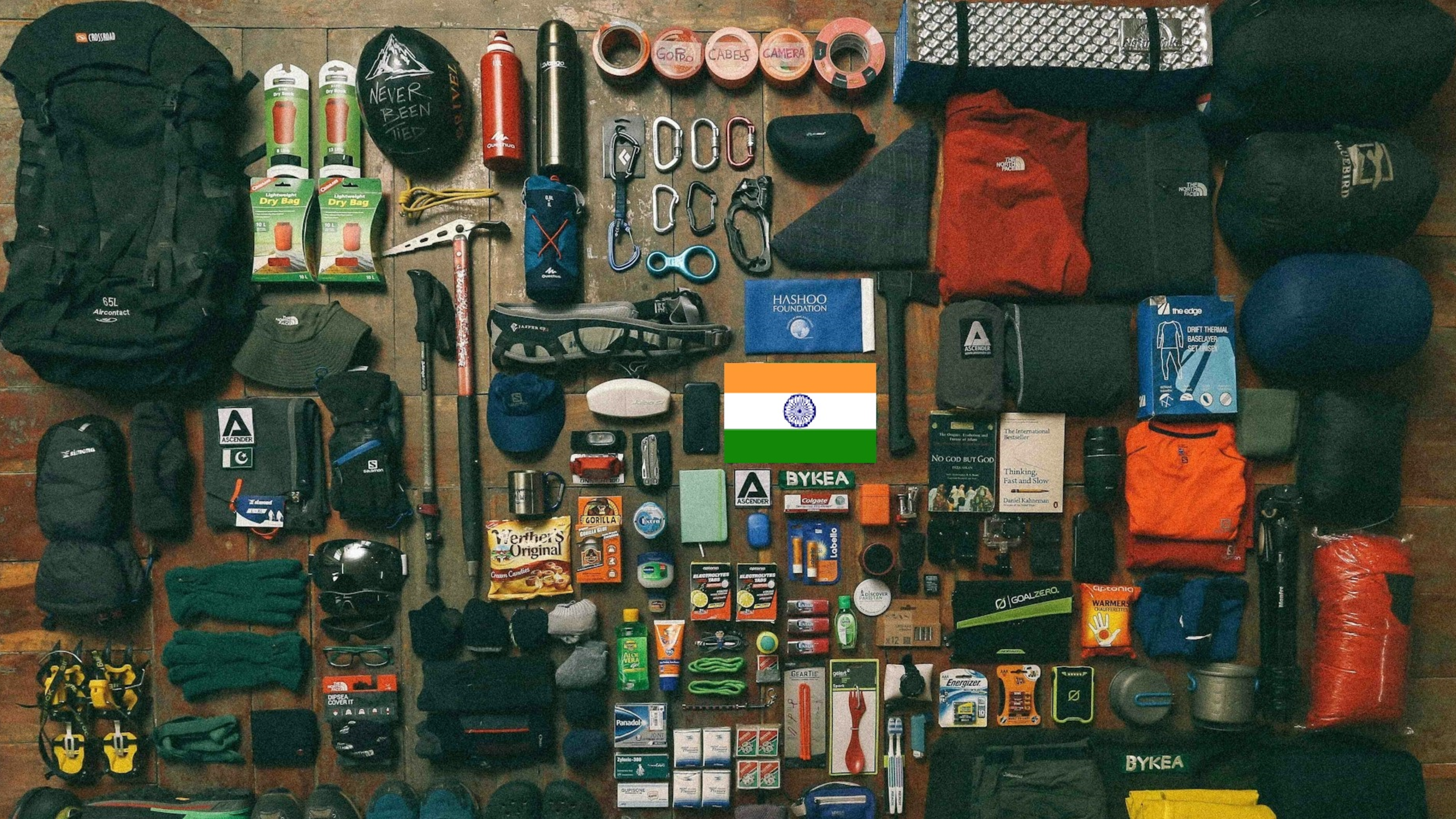
Wearing inappropriate clothing and footwear is one of the most painful mistakes beginners make. New boots cause blisters, cotton clothes trap sweat, and missing essential gear creates serious problems on the trail.
Common Gear Mistakes
- Wearing brand new trekking boots without breaking them in
- Choosing cotton clothing that stays wet and causes hypothermia
- Carrying too heavy backpacks exceeding 15-20% body weight
- Forgetting waterproof layers for unexpected rain
- Using regular sneakers instead of proper trekking shoes
Smart Gear Solutions
- Break in boots 2-3 weeks before trekking by wearing them daily
- Choose moisture-wicking synthetic or merino wool clothing
- Pack in layers: base layer, insulation layer, and waterproof shell
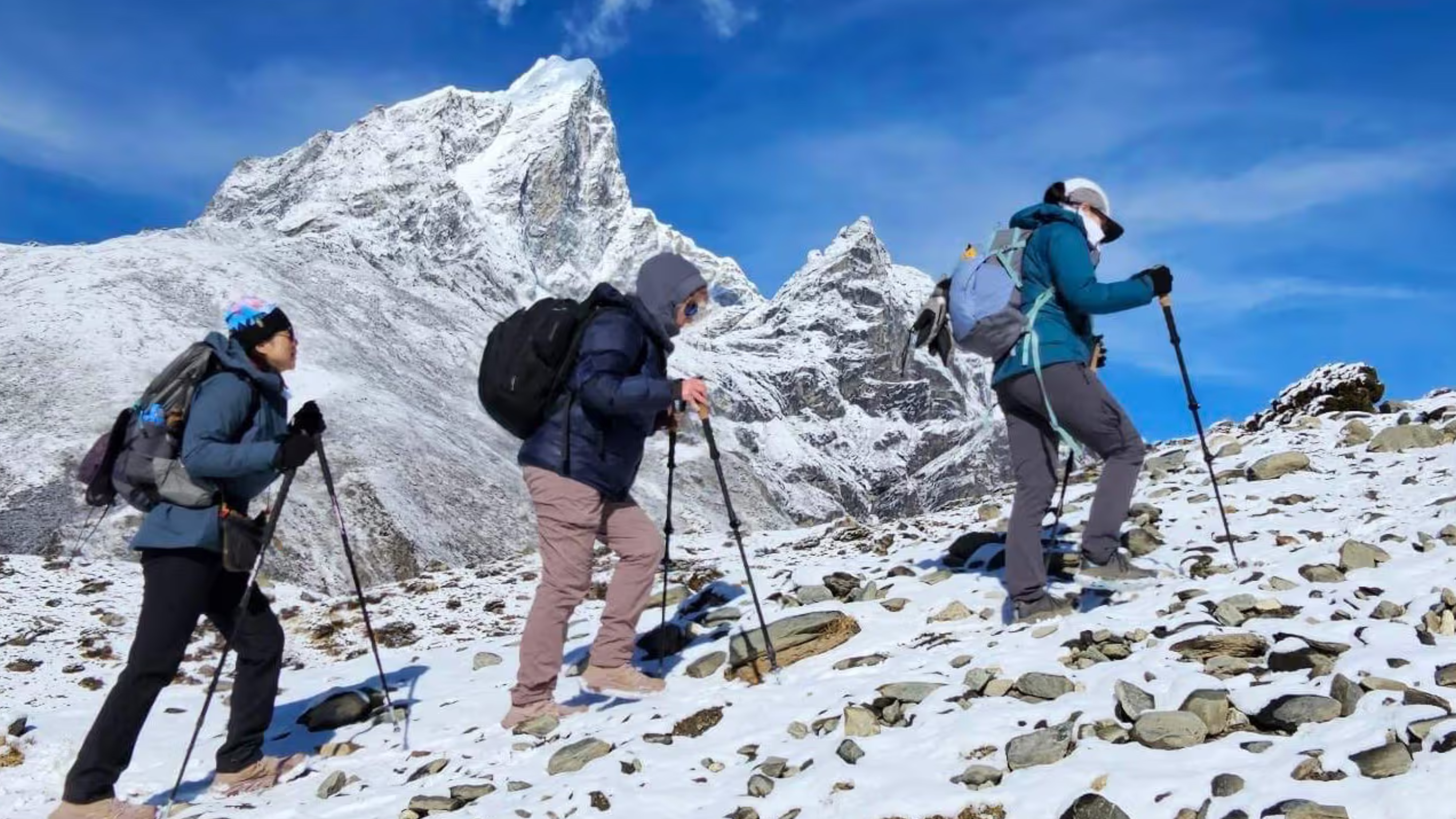
- Invest in quality trekking poles to reduce knee strain
- Carry a 40-50L backpack with proper hip belt and chest strap
- Always pack a headlamp, even for day treks
3. Ignoring Altitude Acclimatization
Altitude sickness affects many beginners who rush to high elevations too quickly. This potentially dangerous condition can ruin your trek and, in severe cases, become life-threatening.
Why Altitude Sickness Occurs
- Ascending too rapidly without giving body time to adjust
- Skipping acclimatization days to save time
- Not recognizing early symptoms of altitude sickness
- Pushing through symptoms instead of descending
- Drinking insufficient water at high altitudes
Proper Acclimatization Strategy
- Follow the golden rule: climb high, sleep low
- Ascend gradually—maximum 300-500 meters per day above 3000 meters
- Take acclimatization rest days at high-altitude camps
- Stay hydrated with 3-4 liters of water daily
- Recognize symptoms: headache, nausea, dizziness, fatigue
- Descend immediately if severe symptoms appear
- Avoid alcohol and sleeping pills at altitude
4. Inadequate Hydration and Nutrition
Many beginners don't drink enough water or eat properly during treks. They wait until they feel thirsty or hungry, but by then dehydration and energy depletion have already begun affecting performance.
Common Hydration Mistakes
- Drinking only when feeling thirsty (too late)
- Carrying insufficient water for the trail
- Avoiding drinking to reduce bathroom breaks
- Not replacing electrolytes lost through sweating
- Relying on energy drinks instead of water
Proper Fueling Strategy
- Drink water regularly every 20-30 minutes
- Carry 2-3 liters of water for day treks
- Pack electrolyte powder or ORS for longer treks
- Eat small snacks every hour to maintain energy
- Bring trail mix, energy bars, dried fruits, and nuts
- Never skip breakfast before starting your trek
- Monitor urine color—pale yellow indicates good hydration
5. Poor Pacing and Overexertion
Beginners often start trekking too fast, burning through energy in the first few hours. They try to keep up with experienced trekkers or rush to reach camp early, leading to exhaustion and injuries.
Why Pacing Matters
- Starting too fast depletes energy reserves quickly
- Trying to match pace with fitter trekkers causes overexertion
- Racing to reach destination leads to altitude sickness
- Not taking regular breaks increases injury risk
Perfect Pacing Strategy
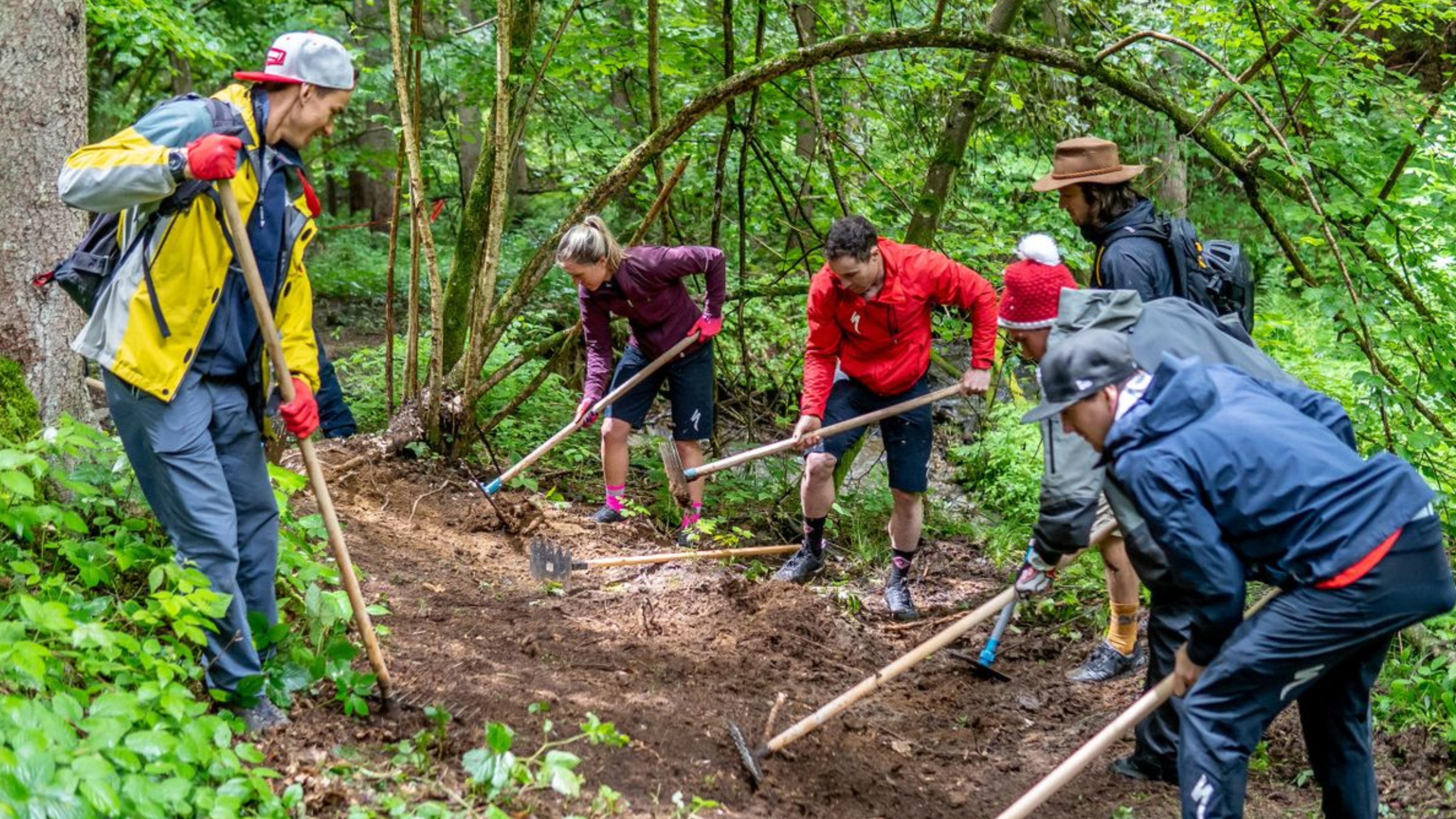
- Start slow and maintain steady rhythm throughout
- Use the "talk test"—you should be able to hold conversation
- Take 5-minute breaks every hour to rest and hydrate
- Walk at your own pace regardless of group speed
- Use trekking poles to reduce energy expenditure
- Practice rest-step technique on steep climbs
- Save energy for the descent, which is harder on knees
6. Ignoring Weather Conditions
Mountain weather changes rapidly and unpredictably. Beginners often ignore weather forecasts or fail to carry proper rain gear, putting themselves at serious risk of hypothermia and other weather-related dangers.
Weather-Related Mistakes
- Not checking weather forecast before starting trek
- Assuming good morning weather will last all day
- Leaving waterproof gear behind to save weight
- Continuing trek despite approaching storms
- Underestimating temperature drops at higher altitudes
Weather Preparedness Plan
- Check 7-day weather forecast before planning trek
- Always carry waterproof jacket and rain cover for backpack
- Pack extra warm layers even for summer treks
- Start early to avoid afternoon thunderstorms in mountains
- Learn to read cloud formations and weather signs
- Have emergency shelter plan in case of sudden weather changes
- Don't hesitate to turn back if weather deteriorates
7. Neglecting Safety Essentials
Many beginners skip important safety items to reduce pack weight or because they think "nothing will happen." This risky attitude can turn minor problems into major emergencies on remote mountain trails.
Essential Safety Items Often Forgotten
- First-aid kit with band-aids, pain relievers, and blister treatment
- Emergency whistle for signaling if lost or injured
- Headlamp with extra batteries for unexpected delays
- Emergency space blanket for unexpected cold
- Fully charged mobile phone with emergency contacts
- Physical map and compass (don't rely only on GPS)
- Sun protection: sunscreen, sunglasses, hat
Critical Safety Practices
- Always inform someone about your trekking plans and return time
- Never trek alone in unfamiliar territory
- Carry printed emergency contact numbers
- Know basic first aid and altitude sickness symptoms
- Stay on marked trails—shortcuts often lead to danger
- Respect local guidelines and restricted areas
8. Overpacking or Underpacking
Finding the right balance between carrying enough supplies and keeping pack weight manageable is challenging for beginners. Many either bring unnecessary items or forget crucial essentials.
Overpacking Mistakes
- Bringing multiple outfits for short treks
- Carrying heavy books or unnecessary electronics
- Packing "just in case" items that add significant weight
- Bringing full-size toiletries instead of travel sizes
- Carrying excessive food beyond daily requirements
Smart Packing Guidelines
- Keep pack weight under 15-20% of your body weight
- Choose multi-purpose items whenever possible
- Wear heaviest items (boots, jacket) instead of packing them
- Use compression bags to reduce clothing volume
- Make packing checklist and review before each trek
- Test pack weight on training hikes before main trek
- Share group items like tent, stove, and first-aid kit
9. Disrespecting Nature and Leave No Trace
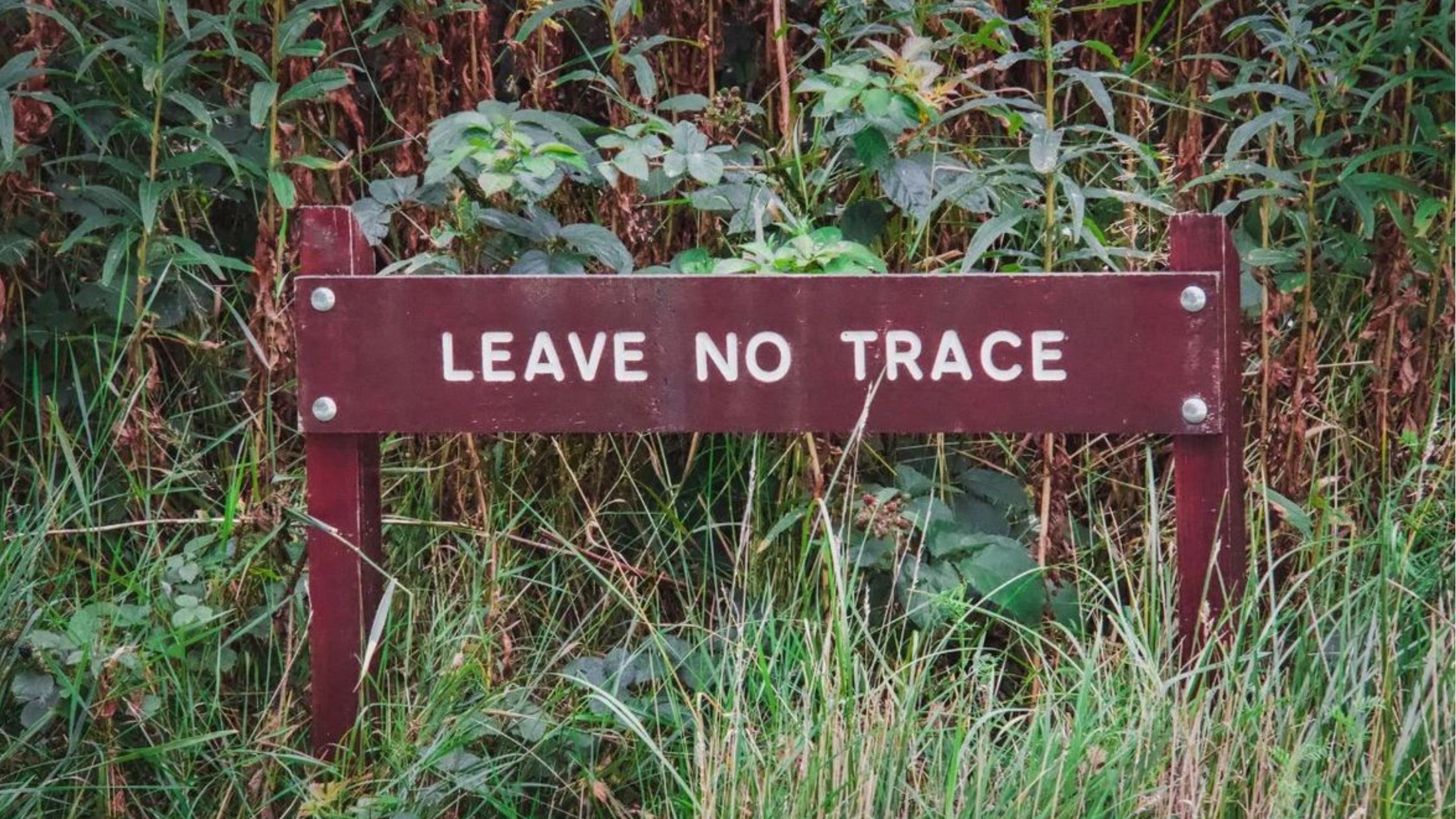
Environmental responsibility is often overlooked by beginners who don't understand their impact on fragile mountain ecosystems. Improper waste disposal and trail behavior damages nature for future trekkers.
Common Environmental Mistakes
- Littering or leaving food waste on trails
- Using soap or detergent in natural water sources
- Creating new trails or taking shortcuts
- Playing loud music that disturbs wildlife
- Picking flowers or disturbing plants
- Not properly disposing human waste
Responsible Trekking Practices
- Carry all trash back with you including organic waste
- Use biodegradable soap 200 feet away from water sources
- Bury human waste 6-8 inches deep, 200 feet from water
- Stay on designated trails to prevent erosion
- Observe wildlife from distance without feeding them
- Respect local culture and sacred sites
- Support local communities by hiring local guides
10. Not Hiring Experienced Guides
Many beginners attempt challenging treks without professional guidance to save money. They underestimate the value of local knowledge, safety support, and route expertise that experienced guides provide.
Why Beginners Skip Guides
- Trying to save money on trekking expenses
- Overconfidence from reading online trail guides
- Believing GPS apps are sufficient for navigation
- Underestimating trail difficulty and risks
Benefits of Professional Guides
- Expert knowledge of terrain, weather patterns, and safe routes
- Immediate help in case of injuries or altitude sickness
- Cultural insights and local stories that enrich experience
- Support with logistics, permits, and accommodations
- Emergency rescue coordination if needed
- Help with proper pacing and acclimatization
- Access to porter services to carry heavy gear
Trek Safely with Adishesh Yoga Rishikesh
At Adishesh Yoga in Rishikesh, we offer guided trekking experiences with expert local guides who help beginners avoid these common mistakes. Our treks combine adventure with yoga and meditation practices, creating a holistic mountain experience.
Why Choose Our Treks
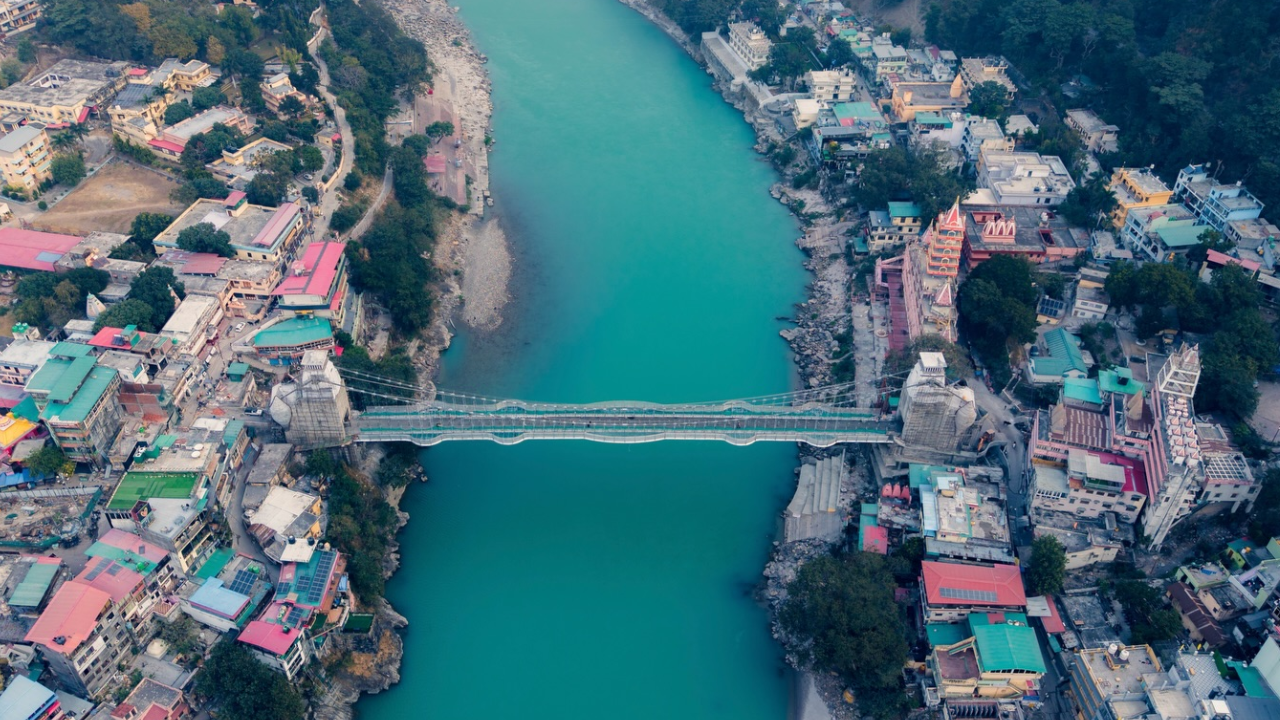
Rishikesh is the gateway to numerous Himalayan treks, from easy day hikes to challenging multi-day expeditions. Our experienced guides ensure your safety while teaching proper trekking techniques, altitude acclimatization, and mountain etiquette.
Our Trekking Programs Include
- Beginner-friendly treks with proper acclimatization schedules
- Pre-trek fitness training and preparation guidance
- Professional certified mountain guides and porters
- All necessary trekking equipment and safety gear
- Morning yoga and evening meditation sessions
- Proper nutrition and hydration management
- Emergency medical support and evacuation plans
Whether you're attempting your first trek or want to improve your skills, Adishesh Yoga Rishikesh provides expert guidance in the heart of the Himalayas. Our small group sizes ensure personalized attention and safer trekking experiences.
Frequently Asked Questions
What is the biggest mistake beginners make while trekking?
The biggest mistake is inadequate physical preparation. Many beginners underestimate trekking difficulty and start without proper fitness training, leading to exhaustion, injuries, and altitude sickness during the trek.
How much water should I carry while trekking?
Carry at least 2-3 liters of water per person for day treks. For multi-day treks, carry 1-2 liters and refill at water sources. Drink water regularly every 20-30 minutes, even if you don't feel thirsty.
Can I wear new trekking boots on my first trek?
Never wear brand new boots on a trek. Break them in by wearing them for 2-3 weeks before your trek. Walk 5-10 km daily in your new boots to prevent painful blisters and foot injuries.
How do I prevent altitude sickness on mountain treks?
Ascend slowly and allow proper acclimatization. Follow the golden rule: climb high, sleep low. Stay well-hydrated, avoid alcohol, and take rest days at high altitudes. Descend immediately if severe symptoms appear.
What should I pack for my first Himalayan trek?
Pack layered clothing, waterproof jacket, broken-in trekking boots, headlamp, first-aid kit, water bottles, energy snacks, sunscreen, hat, and a backpack (40-50L). Avoid overpacking—carry only essentials to reduce weight.
Start Your Trekking Journey the Right Way
Avoiding these common trekking mistakes transforms your mountain experience from struggle to adventure. Proper preparation, right gear, smart pacing, and respect for nature make all the difference between a memorable trek and a difficult ordeal.
Start with easier treks and gradually build your skills and confidence. Learn from experienced trekkers, invest in quality gear, and never compromise on safety. The mountains will always be there—take your time to prepare properly.
Ready for your first Himalayan trek? Join Adishesh Yoga Rishikesh for guided treks that combine adventure with yoga, meditation, and expert mountain guidance. Experience the magic of the Himalayas safely with professional support.