The Eight Limbs of Yoga are like eight steps on a ladder that takes you from normal life to spiritual freedom. This ancient wisdom was written down by Patanjali, a great yogi who lived thousands of years ago.
Most people think yoga is just stretching and breathing. But that is only a small part. True yoga is a complete system that transforms your entire life - your behavior, thoughts, body, breath, and consciousness.
The Eight Limbs give you a clear roadmap. Each limb builds on the one before it. Together they guide you from where you are now to complete inner peace and spiritual awakening.
Quick Answer: Eight Limbs of Yoga
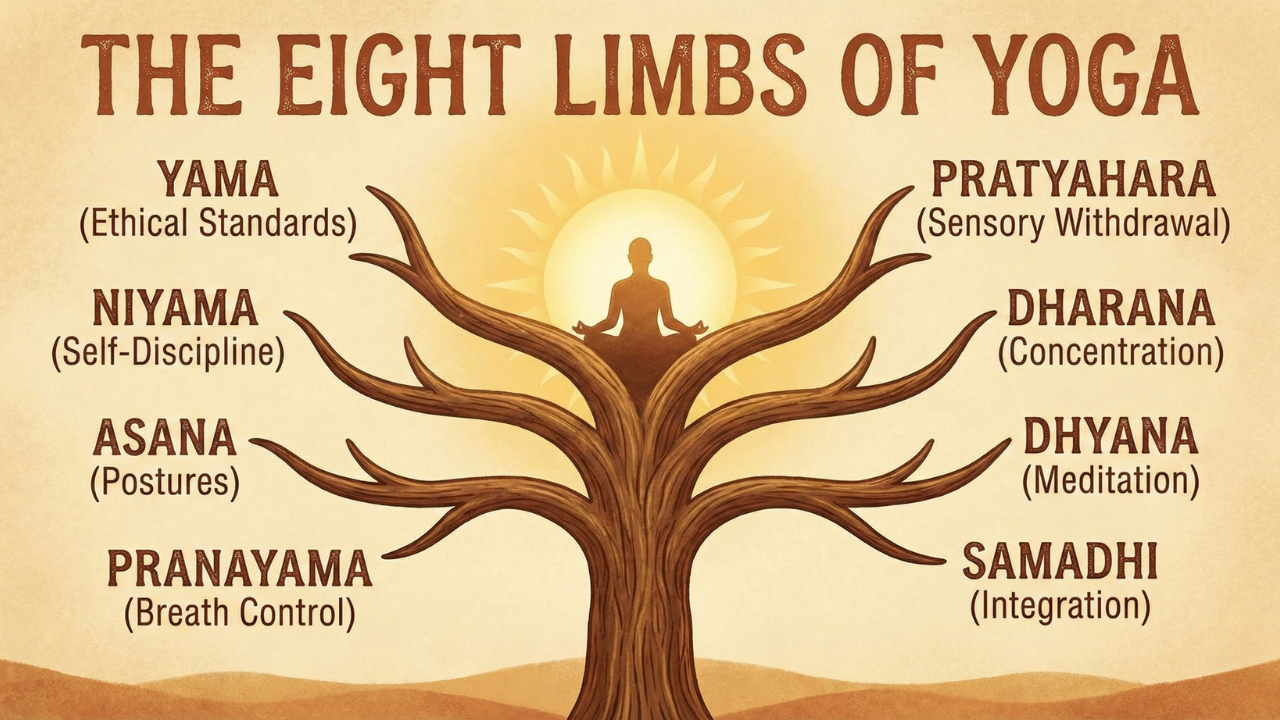
The Eight Limbs are Patanjali's complete yoga path: Yama (ethics), Niyama (self-discipline), Asana (postures), Pranayama (breathing), Pratyahara (sense control), Dharana (focus), Dhyana (meditation), and Samadhi (enlightenment). Together they lead from everyday life to spiritual freedom.
What Are the Eight Limbs of Yoga
Around 2,000 years ago, a sage named Patanjali wrote the Yoga Sutras. In this ancient text, he explained the Eight Limbs - a step-by-step guide to reaching the highest state of consciousness.
The word "Ashtanga" means eight limbs in Sanskrit. Ashta means eight, and anga means limb. Think of these limbs like branches of a tree. All branches grow from the same trunk and work together to make the tree strong.
Each limb has its own purpose, but they all support each other. You cannot skip steps. Building a strong foundation in the early limbs makes the later ones easier and safer.
Limb 1: Yama - Ethical Living
Yama is the first limb. It teaches you how to behave with others. These are basic rules for living peacefully with people around you. Without good behavior, inner peace is impossible.
The Five Yamas
Ahimsa (Non-Violence): Do not hurt anyone with actions, words, or even thoughts. Be kind to all living beings including yourself.
Satya (Truthfulness): Speak the truth. Be honest in your words and actions. But remember - truth should not hurt others.
Asteya (Non-Stealing): Do not take what does not belong to you. This includes physical things, ideas, time, and credit for others' work.
Brahmacharya (Energy Control): Use your energy wisely. Do not waste it on meaningless desires. Control your senses and channel energy toward spiritual growth.
Aparigraha (Non-Possessiveness): Do not be greedy. Take only what you need. Let go of attachment to material things.
Limb 2: Niyama - Self-Discipline
While Yama deals with your behavior toward others, Niyama focuses on yourself. These are personal habits that keep you healthy and pure inside.
The Five Niyamas
Saucha (Cleanliness): Keep your body, mind, and surroundings clean. Pure food, pure thoughts, and pure environment support spiritual growth.
Santosha (Contentment): Be happy with what you have. Stop constantly wanting more. Peace comes from accepting the present moment.
Tapas (Discipline): Practice self-control and willpower. Do what needs to be done even when you do not feel like it. Build inner strength.
Svadhyaya (Self-Study): Study yourself and spiritual teachings. Read sacred texts. Reflect on your thoughts and actions. Know yourself deeply.
Ishvara Pranidhana (Surrender): Surrender to something higher than yourself. Accept that you are not in total control. Trust the universal flow.
Limb 3: Asana - Physical Postures
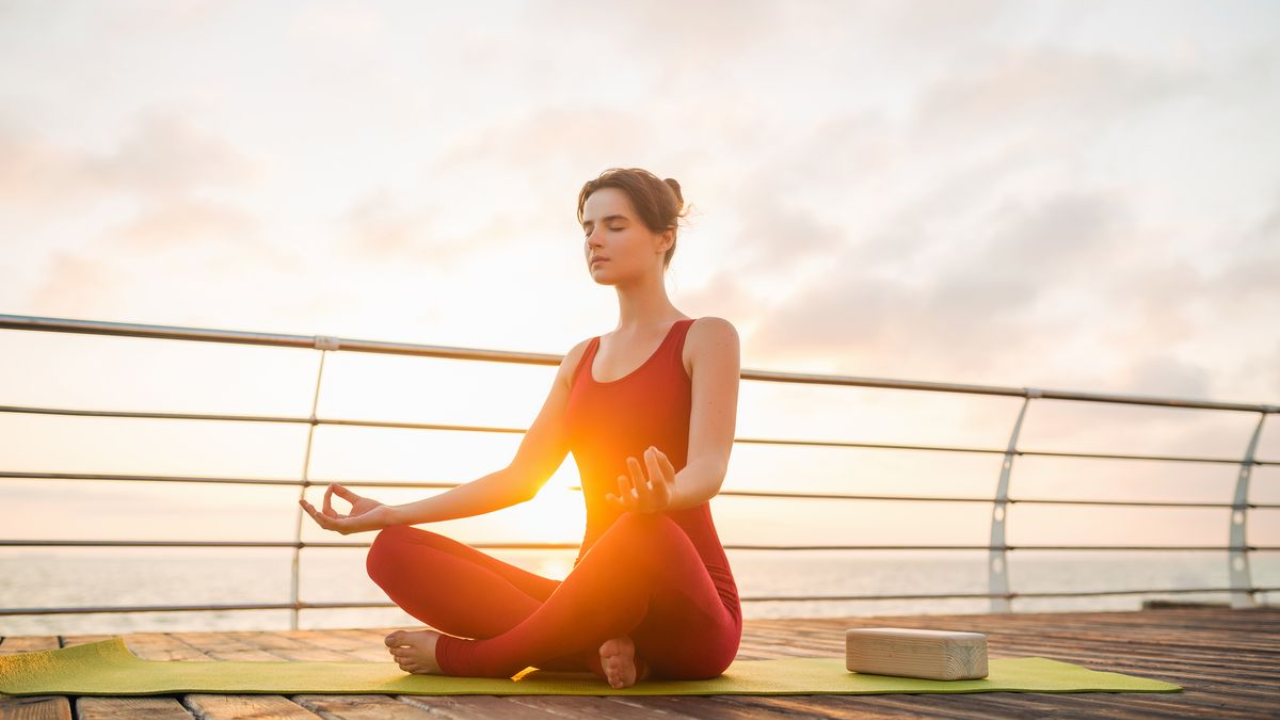
Asana means the physical yoga poses you practice. In Patanjali's original teaching, asana simply meant "a comfortable seat" for meditation. The body must be steady and relaxed to sit still for long periods.
Why Asana Matters
A weak or tense body distracts the mind. If your back hurts, you cannot meditate. If your body is restless, your mind stays restless too.
Regular asana practice makes your body strong, flexible, and healthy. It removes physical blockages and allows energy to flow freely. When the body feels good, the mind becomes quiet naturally.
Modern Asana Practice
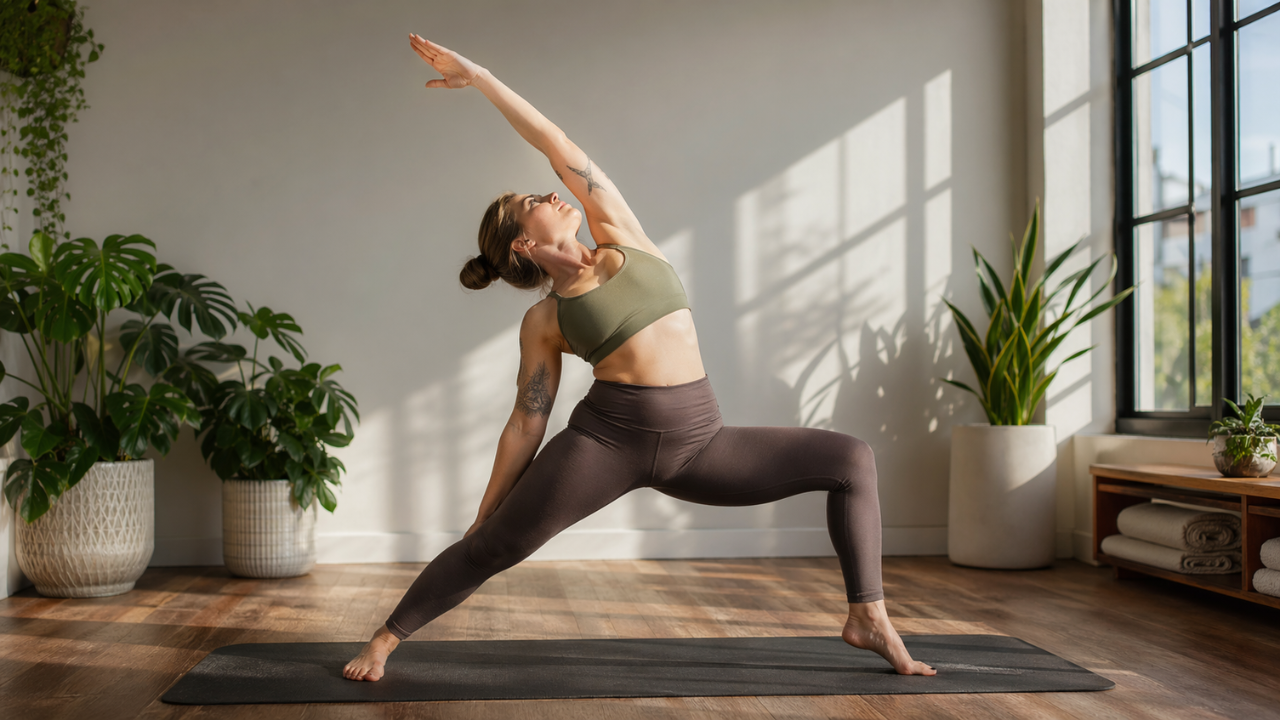
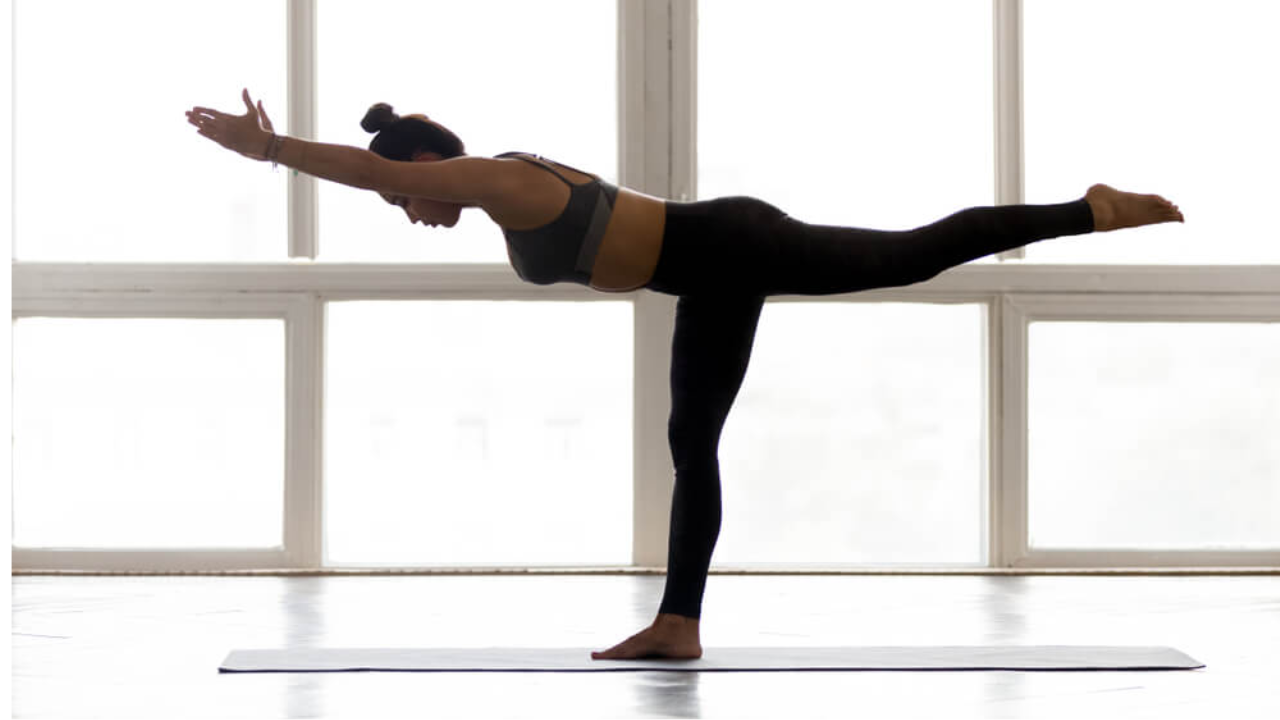
Today, yoga asana includes many poses beyond sitting. Forward bends, backbends, twists, and balancing poses all prepare the body for meditation. Each pose has specific benefits for physical and mental health.
Limb 4: Pranayama - Breath Control
Pranayama means controlling the life force through breathing. Prana is life energy, and ayama means extension or control. Your breath directly affects your mind and emotions.
The Breath-Mind Connection
When you are angry or scared, your breathing becomes fast and shallow. When you are calm, your breath slows down. By controlling your breath, you can control your mental state.
Benefits of Pranayama
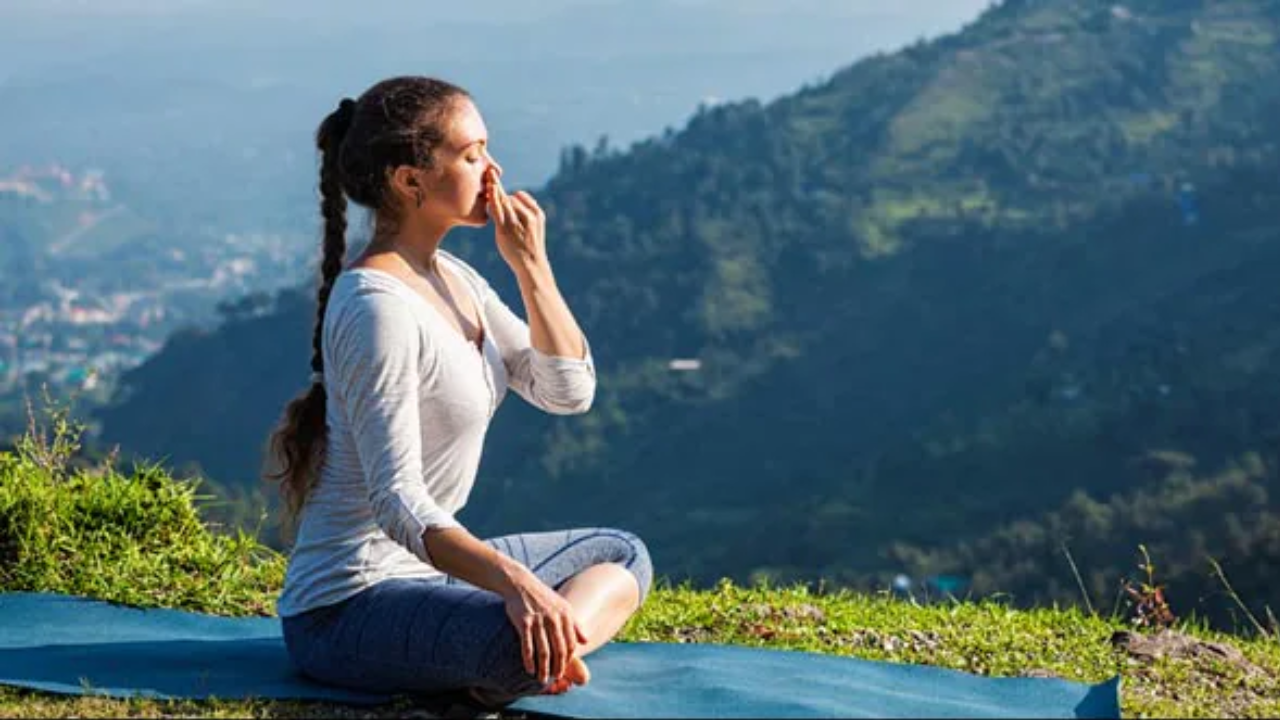
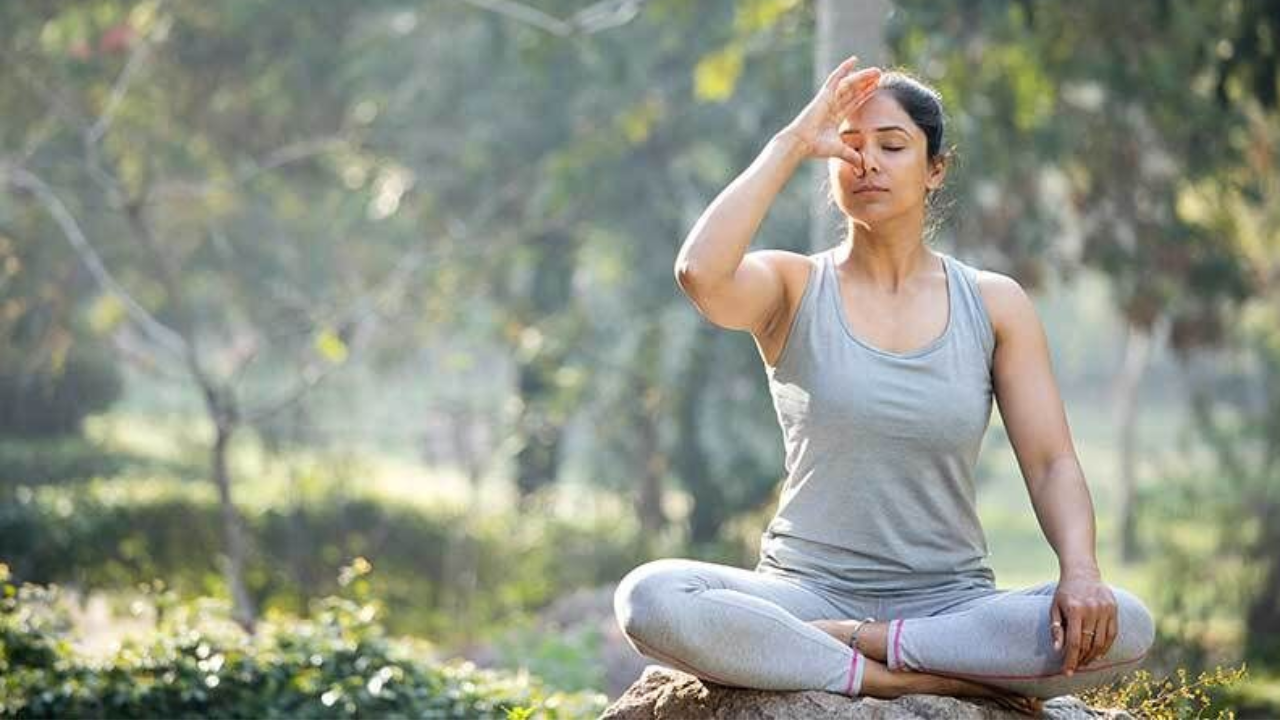
Breathing exercises increase oxygen in your body. They calm your nervous system. They clear energy channels and prepare you for meditation. Regular practice gives you better focus and emotional stability.
Simple practices like deep belly breathing, alternate nostril breathing, and breath retention build your control over the mind gradually.
Limb 5: Pratyahara - Sense Withdrawal
Pratyahara means turning your attention inward. Your five senses - sight, hearing, touch, taste, and smell - constantly pull your mind outward toward the world.
Why Withdraw the Senses
Your senses act like windows. They keep showing you what is happening outside. Your mind gets distracted by every sound, sight, and sensation. Real meditation begins only when you close these windows.
How to Practice Pratyahara
Start by sitting quietly and noticing external sounds without reacting to them. Let sounds come and go. Practice ignoring distractions. Gradually your mind learns to stay focused inward even in noisy places.
This limb is the bridge between outer practices (first four limbs) and inner practices (last three limbs). It prepares you for true meditation.
Limb 6: Dharana - Concentration
Dharana means holding your mind on one point without distraction. It is deep concentration where your full attention stays fixed on a single object, thought, or sensation.
The Wandering Mind
Your mind naturally jumps from thought to thought like a monkey jumping between trees. Dharana trains the mind to stay still. You choose one focus point and keep bringing your attention back whenever it wanders.
Common Focus Points
You can concentrate on your breath, a candle flame, a mantra, an image of a deity, or a point between your eyebrows. The object itself does not matter. What matters is keeping your full attention there.
With regular practice, your concentration gets stronger. Minutes of focus become natural instead of struggling with seconds.
Limb 7: Dhyana - Meditation
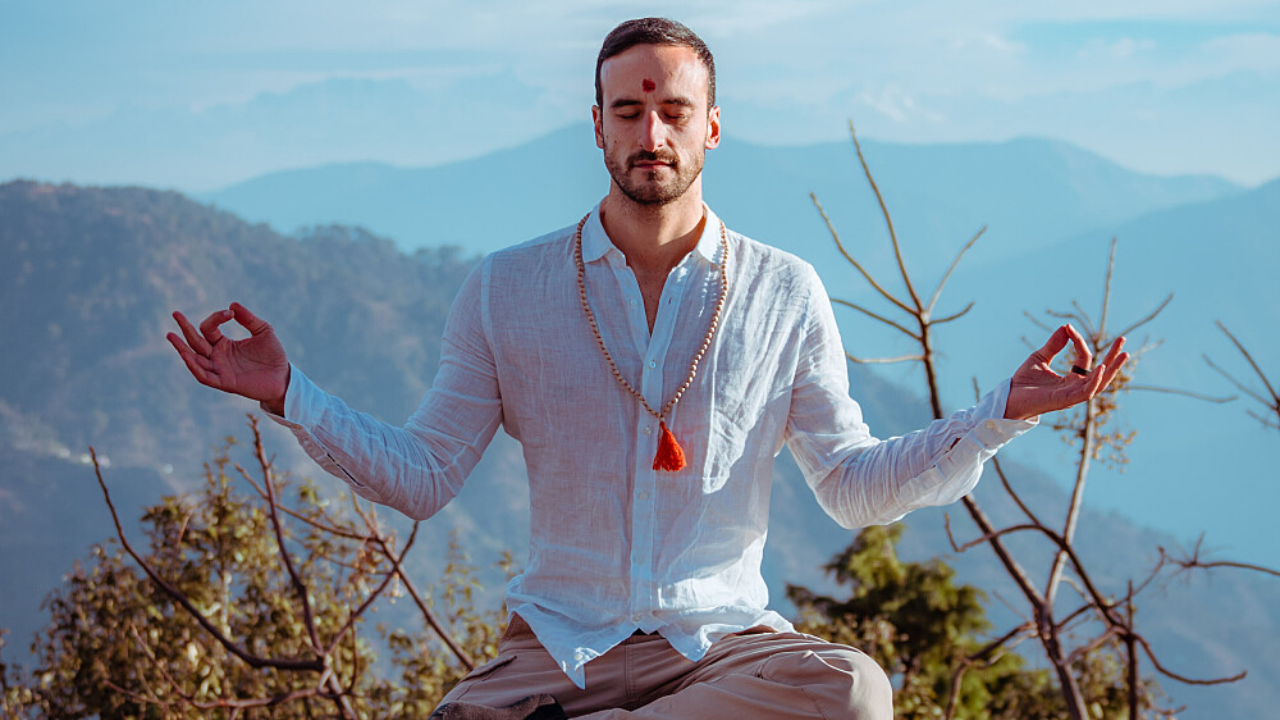
Dhyana is true meditation. It happens when concentration becomes effortless. Your mind flows steadily toward your focus point without any breaks or distractions.
Difference from Dharana
In Dharana, you must keep pulling your attention back. In Dhyana, attention stays naturally without effort. It is like the difference between pushing a car and driving one. The movement becomes smooth and automatic.
Experience of Dhyana
Time disappears. You lose awareness of your body. Only consciousness and its object remain. Deep peace fills your being. This state brings profound rest and insight.
Regular meditation transforms your entire personality. Stress melts away. Clarity increases. You become more patient, loving, and wise naturally.
Limb 8: Samadhi - Spiritual Union
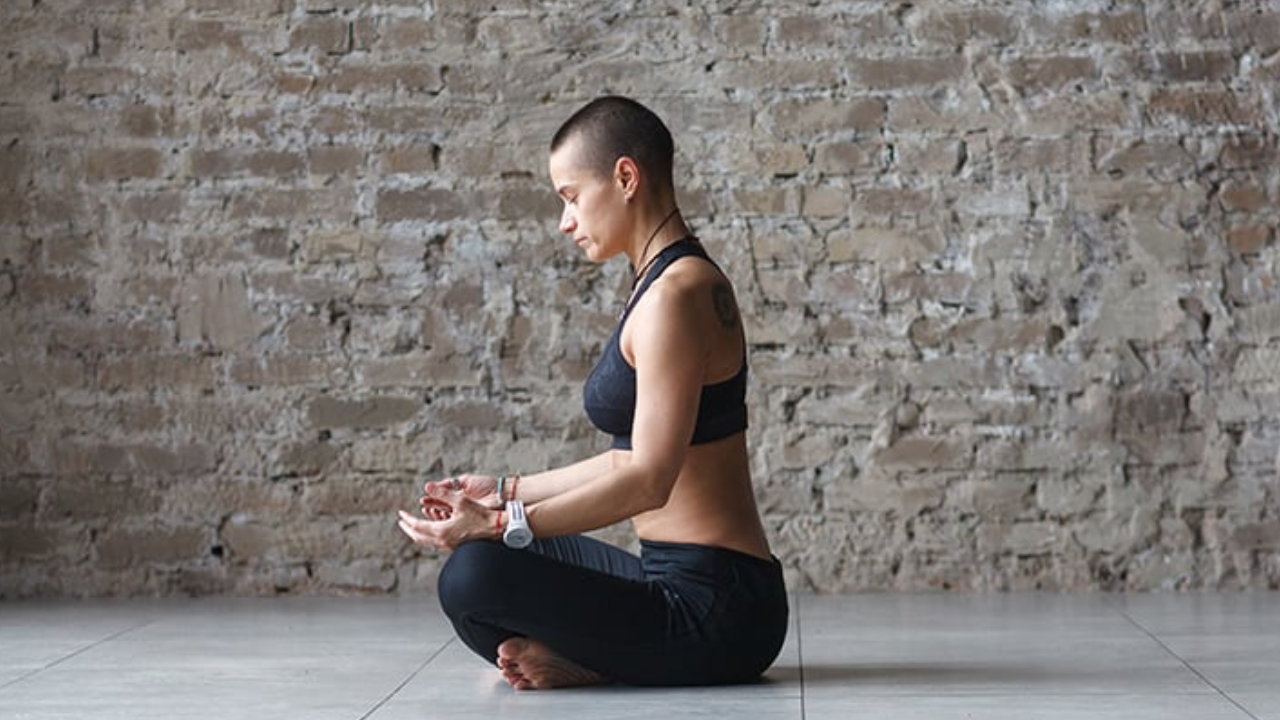
Samadhi is the final goal of yoga. It is complete absorption where you and your object of meditation become one. All separation disappears. You experience pure consciousness without any boundaries.
What Is Samadhi
In Samadhi, the thinking mind stops completely. You realize your true nature beyond body and mind. This is enlightenment, liberation, spiritual awakening. You experience ultimate peace and freedom.
Levels of Samadhi
There are different depths of Samadhi. In lower Samadhi, you still have some awareness of form. In the highest Samadhi, called Nirvikalpa Samadhi, even this awareness dissolves. Only pure consciousness remains.
Few people reach this state, but even glimpses of Samadhi transform your life forever. You know with certainty that you are more than your body and mind. Fear of death disappears.
How the Eight Limbs Work Together
The Eight Limbs are not separate practices. They support each other like parts of your body. When you strengthen one limb, the others become easier.
The Foundation
Yama and Niyama create ethical and personal foundation. Without this base, higher practices become shaky. A person who harms others cannot find inner peace no matter how much they meditate.
The Body and Breath Bridge
Asana and Pranayama prepare your physical system. They make your body strong and energy high. This gives you the power and stability needed for meditation.
The Inner Journey
The last four limbs - Pratyahara, Dharana, Dhyana, and Samadhi - form one continuous flow inward. Each naturally leads to the next. You cannot force them. With proper foundation, they unfold by themselves.
Starting Your Eight Limbs Practice
You do not need to master one limb before starting another. Most people begin with Asana because it is physical and easy to understand. From there, naturally expand to other limbs.
Practical Daily Routine
Start your day with Yama and Niyama intentions. Practice Asana for 20-30 minutes. Add 10 minutes of Pranayama. End with 10-15 minutes of meditation focusing on Dharana and Dhyana.
Go Slowly
Do not rush through the limbs. Even spending years on the first few limbs is normal. Deep ethical living and strong physical practice create unshakeable foundation. Quality matters more than speed.
Find a Teacher
Books and videos help, but nothing replaces personal guidance. An experienced teacher sees your mistakes, answers your questions, and guides your progress. They have walked this path and can show you the way.
Master the Eight Limbs at Adishesh Yoga Rishikesh
Why Learn in Rishikesh
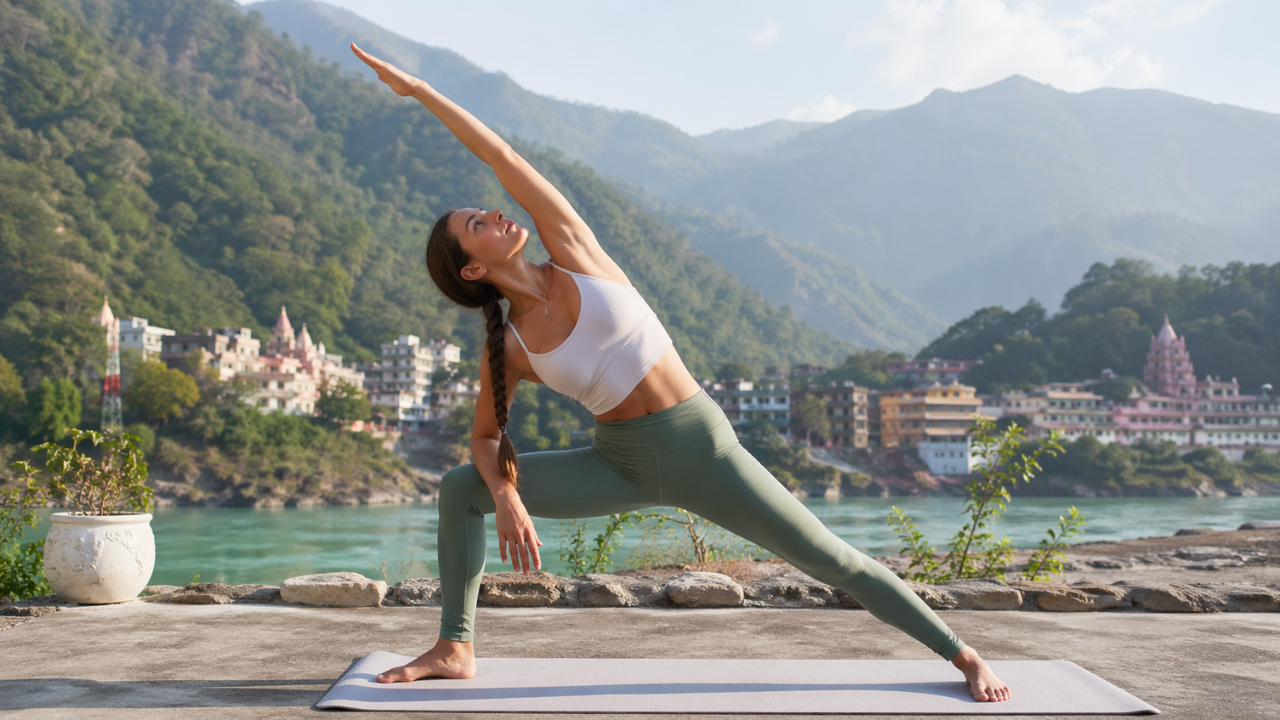
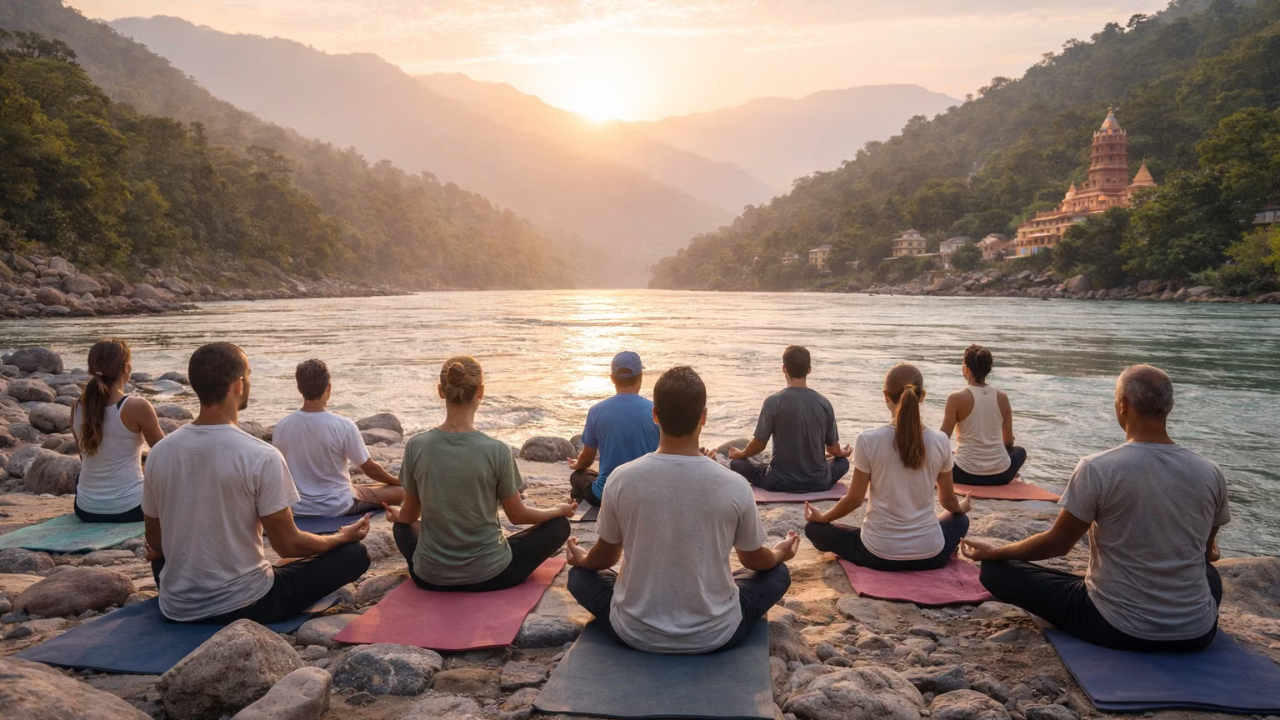
Rishikesh is where yoga philosophy was born. The Ganges River, Himalayan mountains, and ancient temples create perfect environment for spiritual learning. You can feel the energy that thousands of yogis have built here over centuries.
Our teachers come from authentic lineages. They have practiced these teachings their whole lives. You learn not just theory but how to live the Eight Limbs every day.
Whether you join our teacher training or our Yoga Retreats in Rishikesh, you experience the complete yoga path. From ethical living to meditation to spiritual awakening - we guide you through every step.
Frequently Asked Questions
What are the Eight Limbs of Yoga?
The Eight Limbs of Yoga are Patanjali's complete path to enlightenment: Yama (ethics), Niyama (self-discipline), Asana (postures), Pranayama (breath control), Pratyahara (sense withdrawal), Dharana (concentration), Dhyana (meditation), and Samadhi (spiritual union).
What is the difference between Eight Limbs and Ashtanga Yoga?
Ashtanga means "eight limbs" in Sanskrit. The Eight Limbs are Patanjali's philosophy, while Ashtanga Yoga is a specific physical style created by Pattabhi Jois. Both share the same foundation and name.
Do I need to follow all Eight Limbs?
Yes, for complete spiritual growth. But you can start with one or two limbs. Most people begin with Asana (yoga poses) and then gradually add other limbs. Each limb supports the others.
What is the first limb of yoga?
Yama is the first limb. It teaches ethical behavior toward others - non-violence, truthfulness, not stealing, moderation in desires, and non-possessiveness. These create a peaceful foundation for spiritual practice.
How long does it take to master the Eight Limbs?
It takes many years, sometimes lifetimes. The journey matters more than the destination. Even practicing the first few limbs brings huge benefits. Be patient and enjoy each step of the path.
Can I practice Eight Limbs at home?
Yes, you can start at home with simple practices. But learning from an experienced teacher makes the journey safer and faster. Teachers correct mistakes and guide you through challenges.
Begin Your Eight Limbs Journey Today
The Eight Limbs of Yoga are ancient wisdom that still works perfectly today. This complete system guides you from everyday life to spiritual freedom. Every step brings real benefits.
You do not need to be flexible, young, or special to start. Anyone can practice. The Eight Limbs meet you where you are and take you as far as you want to go.
Ready to learn the complete Eight Limbs path? Join Adishesh Yoga Rishikesh where ancient tradition meets modern teaching. Our experienced teachers guide you through all eight limbs with care and wisdom.
This timeless knowledge has transformed millions of lives over thousands of years. Now it is your turn to experience the power of the Eight Limbs.