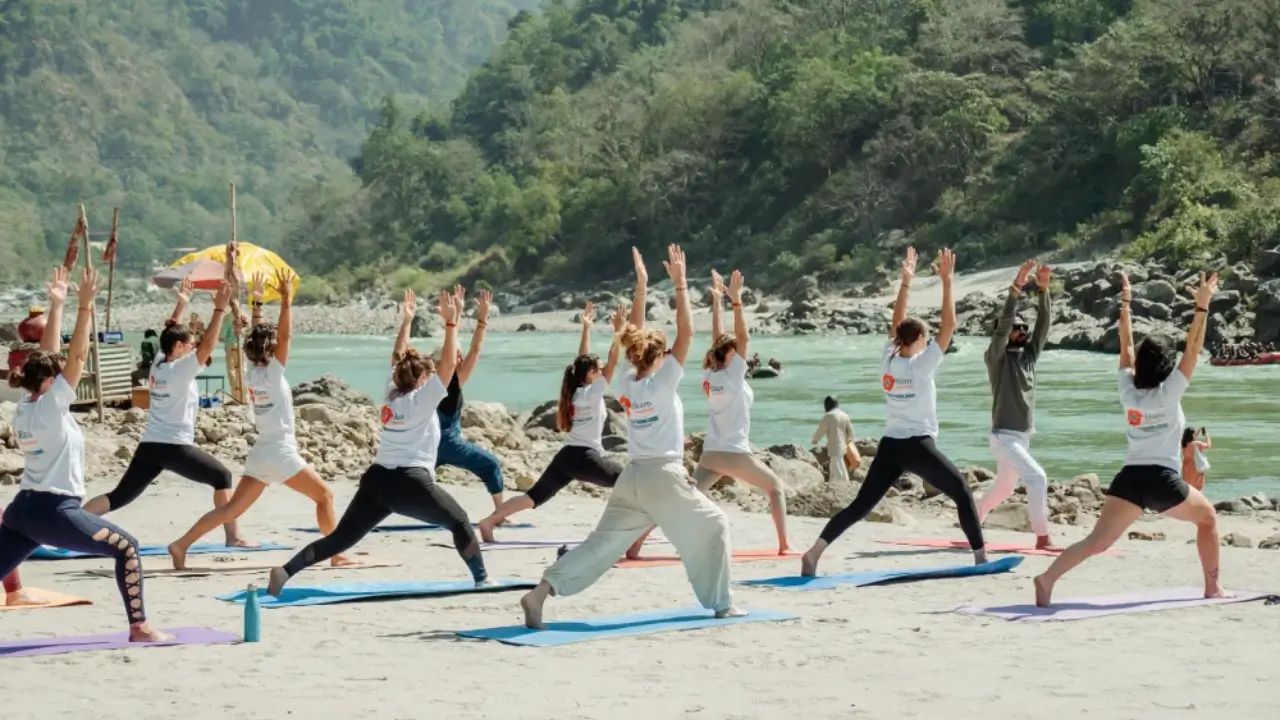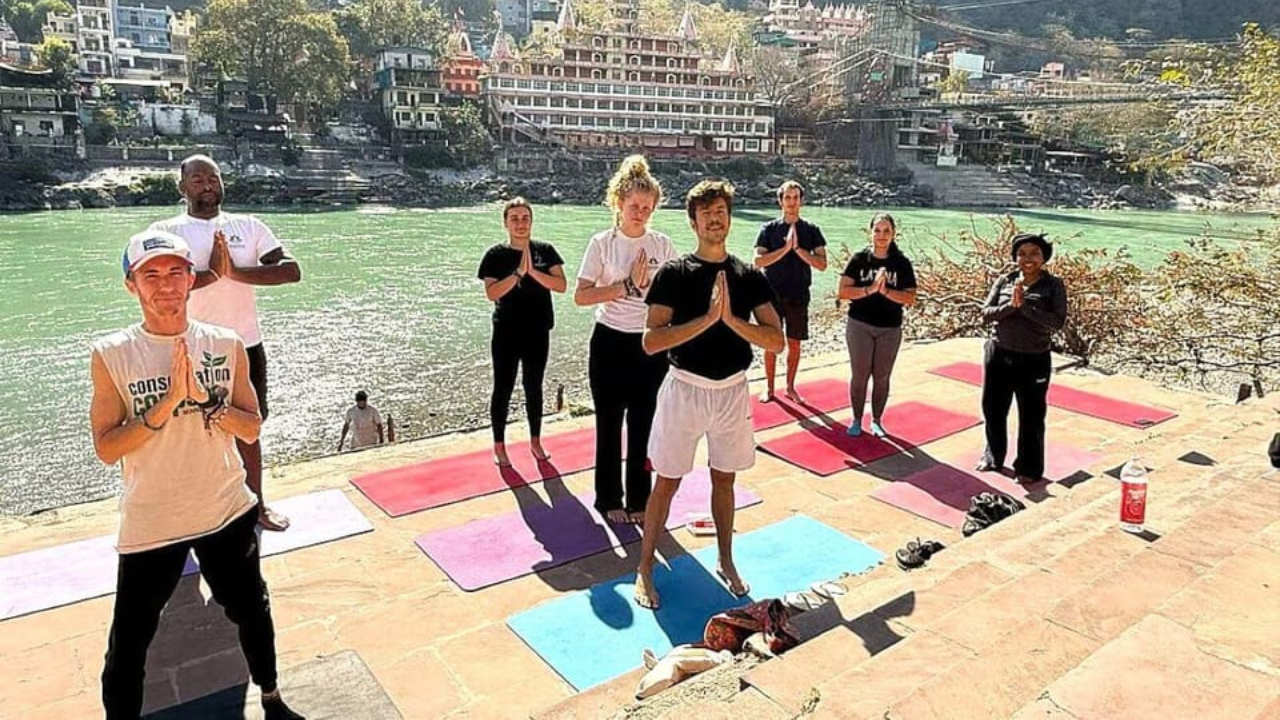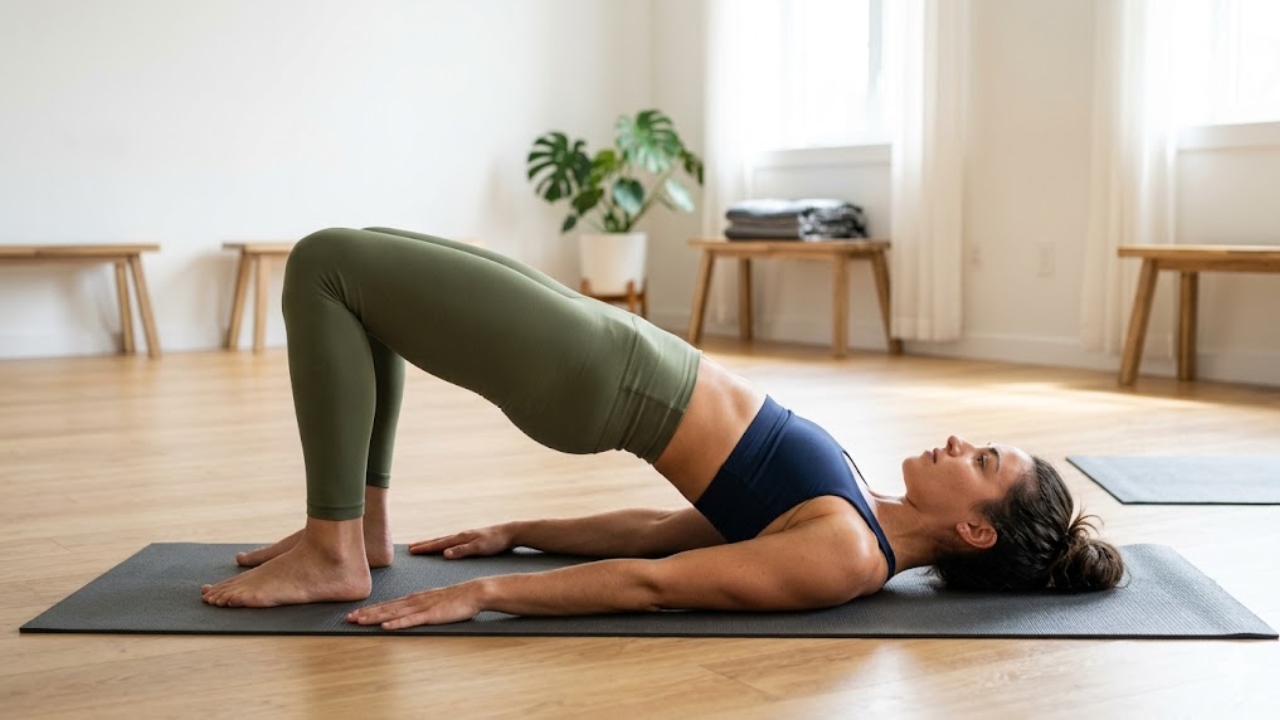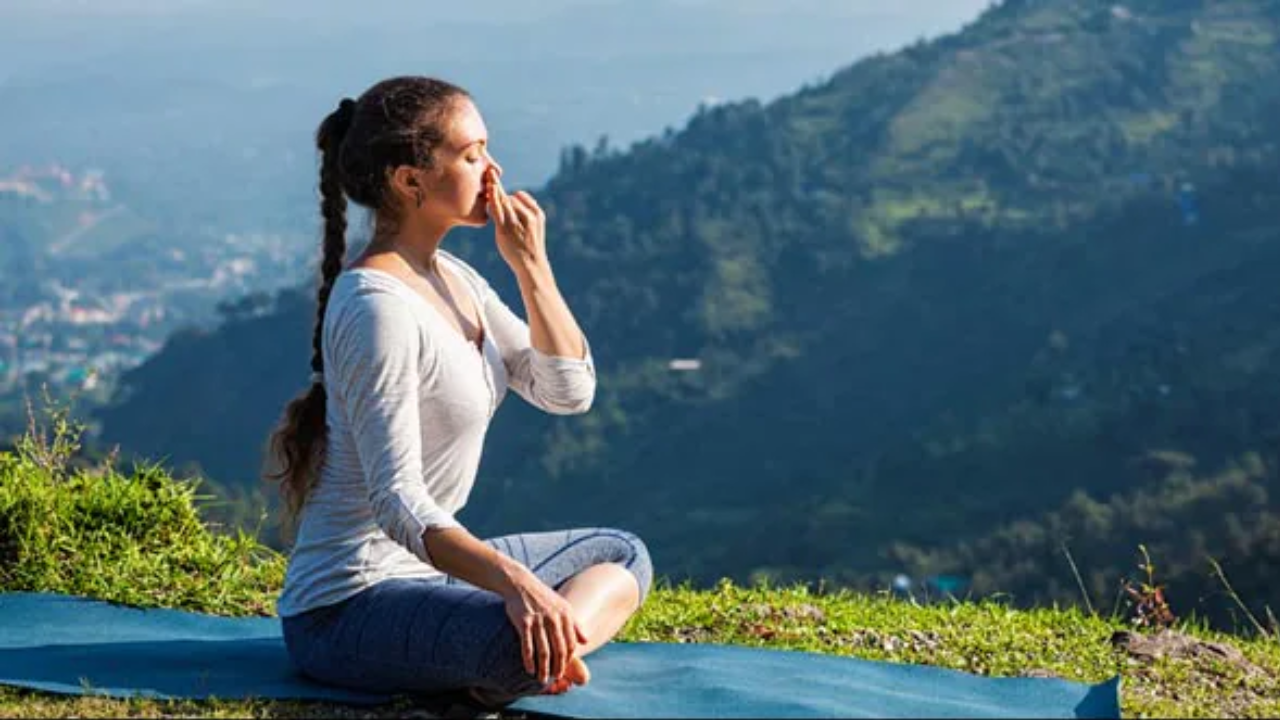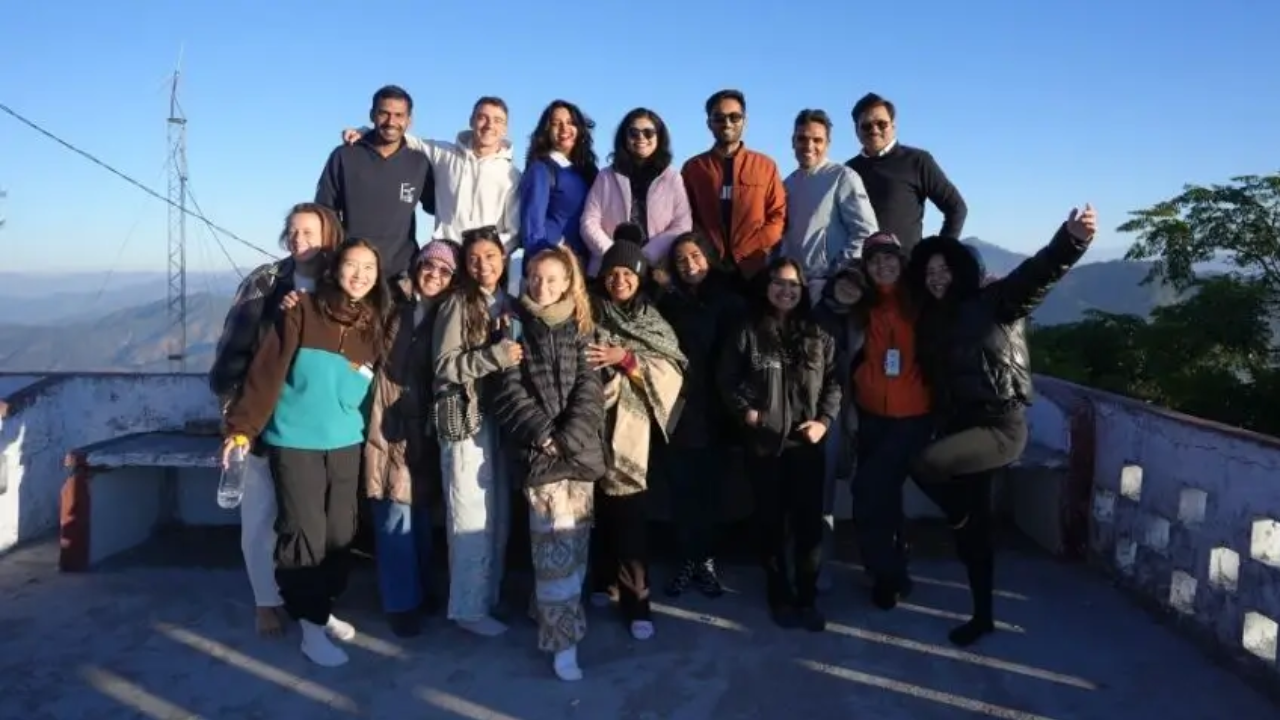
"Is a yoga retreat right for me?" — this is the most common question people ask before booking. And the honest answer is — yes, for most people, it is. But the right retreat depends on your level, your goal, and where you are in life right now. This guide breaks it all down simply. From total beginners to experienced yogis — find out exactly where you fit.
A Yoga Retreat Is Not Just for Experts
Many people think yoga retreats are only for people who can do fancy poses. That is not true at all.
A yoga retreat is for anyone who wants to learn, heal, grow, or simply slow down. Your fitness level, flexibility, or years of practice does not matter as much as your willingness to show up with an open mind.
Quick Summary — Who Is a Yoga Retreat For?
- Complete Beginners: No experience needed — retreats are designed to welcome you
- Intermediate Practitioners: Ready to go deeper and build a real practice
- Advanced Yogis: Refine technique, explore philosophy, and reset
- People With Stress or Burnout: Retreats are one of the best tools for mental healing
- Those Going Through Life Changes: Breakups, loss, career shifts — retreats help you find clarity
- Yoga Teachers: Reconnect, refresh, and grow your teaching skills
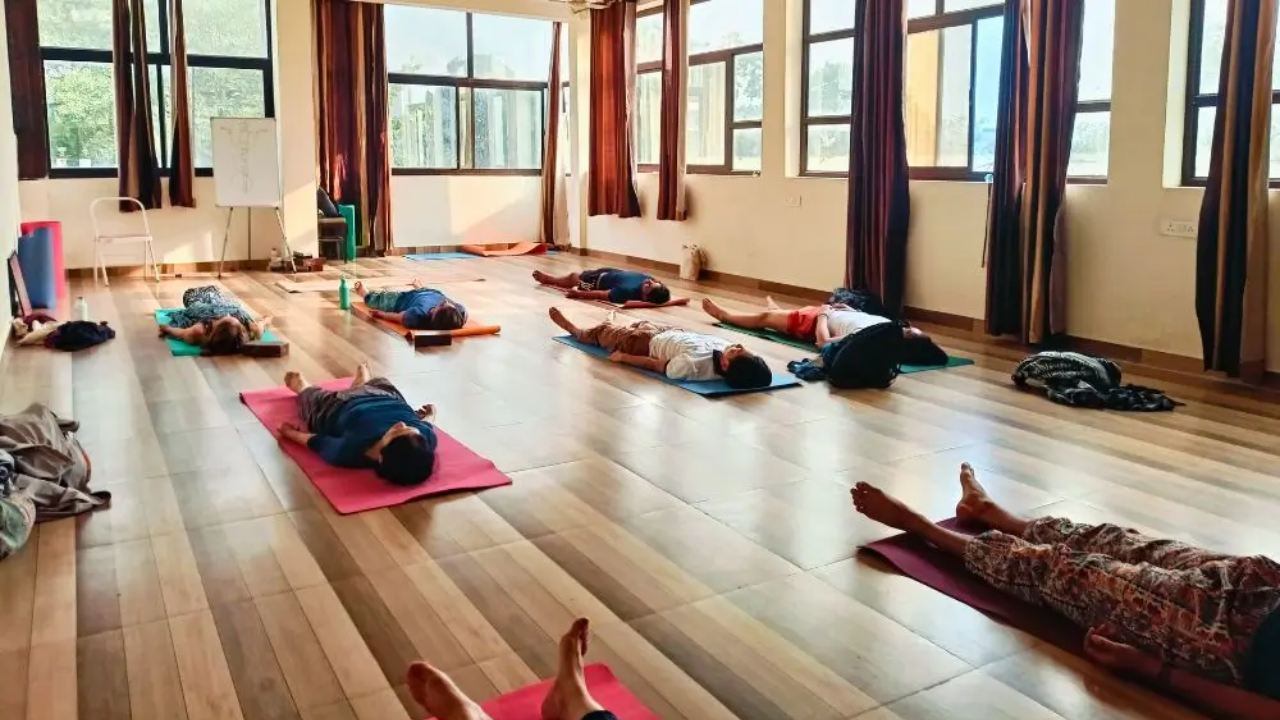
Complete Beginners — Yes, You Can Come
If you have never done yoga before, a retreat can feel scary. But it should not. Beginners are welcomed at most retreats, and teachers are trained to teach from zero.
In fact, a retreat is one of the best places to start yoga. You get proper guidance every day. You learn the right way from day one — no bad habits, no confusion.
What Beginners Get From a Retreat
- Daily guided yoga classes — you are never left alone to figure it out
- Personal attention from experienced teachers
- Introduction to meditation and breathing techniques
- Understanding of yoga philosophy in simple language
- A strong foundation that regular classes cannot give in the same time
- Confidence to continue yoga after you go home
One Thing Beginners Should Know
You do not need to be flexible. You do not need to be fit. You just need to be open and willing to try. That is it. The rest happens on its own inside the retreat.
Intermediate Practitioners — Time to Go Deeper
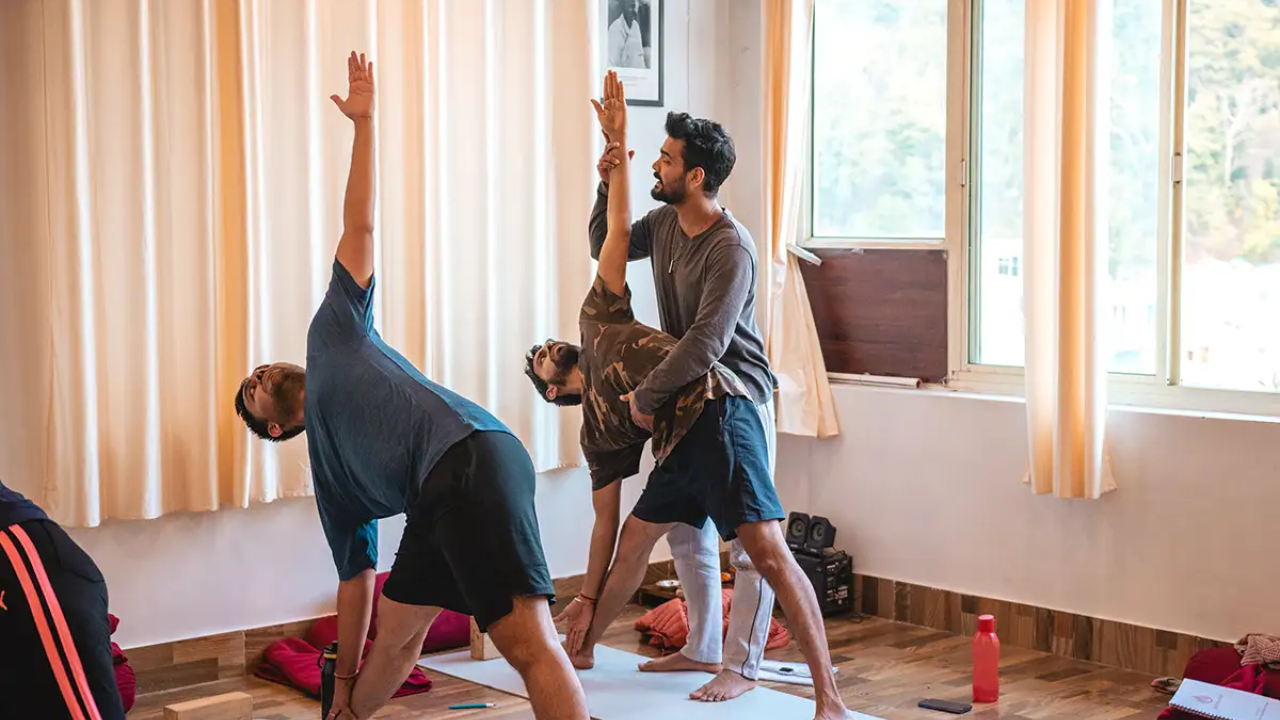
You have been doing yoga for a while. You go to classes sometimes. You know a few poses. But something feels like it is missing — depth, consistency, or real understanding.
That feeling is a sign. A retreat is exactly what you need at this stage.
What Intermediate Students Gain
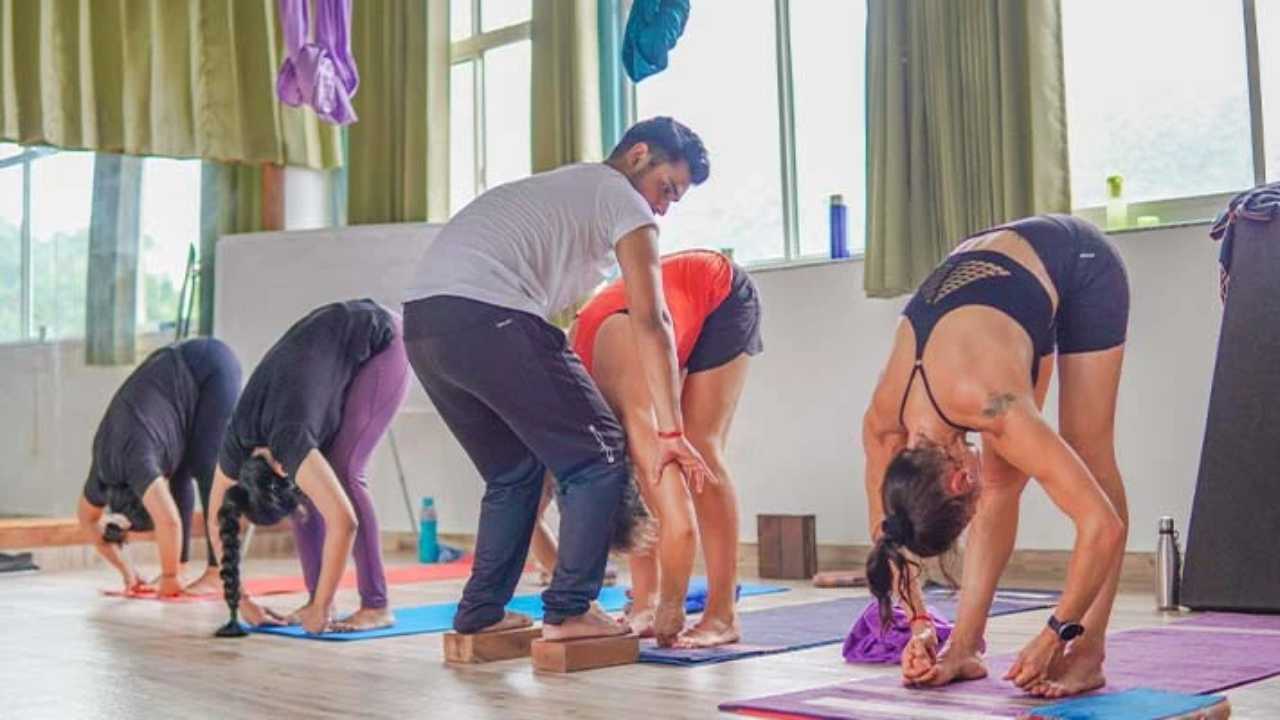
- Fix wrong alignment and bad habits that built up over time
- Learn pranayama — breathwork that most regular classes skip
- Build a steady daily practice — not just occasional classes
- Understand the philosophy and meaning behind poses
- Connect with like-minded people who take yoga seriously
- Experience real progress in just one week
Most intermediate students leave a retreat saying — "I learned more in 7 days here than in 2 years of regular classes." That is the power of full immersion.
Advanced Yogis and Teachers — Still Worth It
Even experienced practitioners and yoga teachers benefit from retreats. In fact, many advanced yogis return to retreats every year. It is not about learning basics again — it is about going deeper and resetting.
Why Advanced Students Join Retreats
- Explore advanced pranayama, meditation, and yoga nidra in depth
- Study traditional yoga texts — Patanjali, Hatha Yoga Pradipika
- Refine subtle body work — chakras, bandhas, mudras
- Reset personal practice that may have gone on autopilot
- Find inspiration and new perspectives from different teachers
- Experience the silence and space that daily life rarely gives
For yoga teachers especially — being a student again is one of the most powerful things you can do. It refreshes your teaching, restores your energy, and reconnects you to why you started.
People Who Need Healing — This Is for You
Some people do not come to a retreat for fitness. They come because they are tired, stressed, lost, or hurting inside. And that is a completely valid reason — maybe the best reason of all.
Yoga retreats are deeply healing places. The combination of yoga, meditation, nature, simple food, and supportive community creates a healing environment that is hard to find anywhere else.
A Retreat Can Help If You Are
- Stressed or Burned Out: Work pressure, no rest, constant mental load — a retreat breaks the cycle
- Dealing With Anxiety: Daily pranayama and meditation calm the nervous system deeply
- Going Through a Life Change: Breakup, job loss, grief, or major decision — retreats give clarity
- Having Trouble Sleeping: Yoga nidra and regulated lifestyle improve sleep within days
- Feeling Disconnected: From yourself, your body, your purpose — a retreat brings you back
- Recovering From Illness: Gentle yoga and detox-friendly food support physical recovery
Who Should Wait Before Joining
A yoga retreat is right for most people — but not every person at every moment. Here are some cases where you should pause and think first.
- Active Serious Medical Condition: If you have a recent surgery, acute illness, or serious condition — get doctor clearance before joining.
- Looking Only for a Luxury Holiday: Retreats are simple, disciplined, and structured. If you want a spa holiday, a retreat may surprise you in ways you did not expect.
- Not Ready to Follow a Routine: Retreats have early mornings, meal times, and class schedules. If you are not ready for that structure, wait until you are.
- Not Willing to Disconnect From Devices: Most retreats ask you to reduce or stop phone and social media use. If that feels impossible right now, that might be the most important sign to go.
Being honest with yourself is part of the yoga path too. A retreat will give you exactly what you are ready to receive.
How to Pick the Right Retreat for Your Level
Not all retreats are the same. Some are very gentle. Some are intense. Knowing how to match yourself to the right retreat saves you from picking the wrong one.
Simple Matching Guide
- Complete Beginner: Choose a beginner-friendly retreat with gentle yoga, smaller group size, and daily meditation. Look for words like "all levels" or "beginners welcome."
- Intermediate: Look for retreats that go beyond asana — ones that include pranayama, philosophy, and self-inquiry.
- Advanced or Teacher: Choose a retreat with deeper curriculum — advanced pranayama, yoga nidra, anatomy, or philosophical study.
- Healing Purpose: Look for retreat centres that offer counselling, Ayurvedic support, or nature-based healing alongside yoga.
- Duration: A 5 to 7 day retreat is ideal for beginners and healing. A 10 to 21 day retreat is better for deeper transformation and learning.
Questions to Ask Before Booking
- Is this retreat open to all levels or specific levels?
- How many students per class — smaller is better for beginners
- What is the daily schedule?
- Is the teaching style traditional or modern?
- What language are classes taught in?
- Is food included? Is it vegetarian?

Frequently Asked Questions — Yoga Retreat for All Levels
Conclusion
A yoga retreat is not just for flexible people or yoga experts. It is for anyone who is ready to show up — as they are, where they are.
Whether you have never done yoga before or you have been practicing for years — a retreat meets you exactly where you are. It challenges you, supports you, and helps you grow in ways that daily classes simply cannot.
The real question is not "am I ready?" The real question is — "what am I waiting for?"
At Adishesh Yoga in Rishikesh, we welcome students from all levels and all parts of the world. Our retreats are designed to give every person — beginner or advanced — a deep, real, and life-changing experience.