Introduction to Hatha Yoga for Beginners
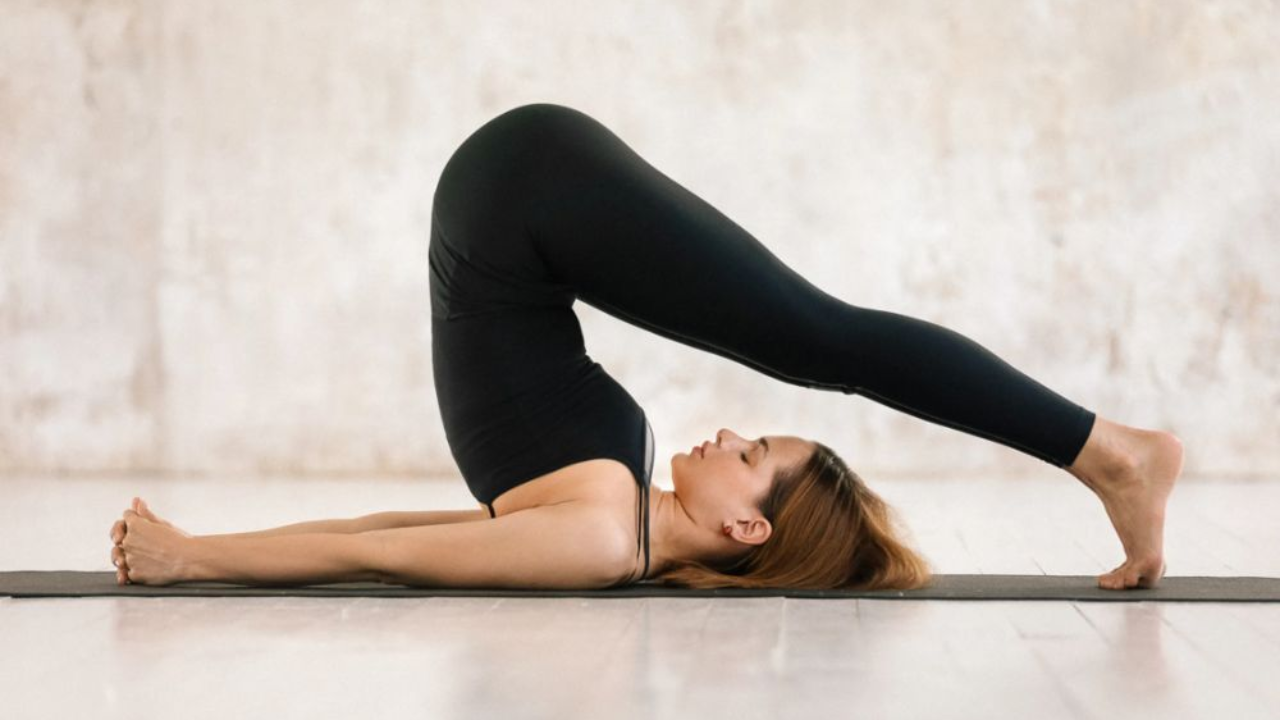
Are you curious about yoga but overwhelmed by the different styles available? Hatha Yoga might be exactly what you're looking for. As one of the most accessible and beginner-friendly yoga styles, Hatha Yoga offers a perfect entry point into the world of yoga and meditation. In this comprehensive guide, we'll explore everything you need to know about Hatha Yoga, from its origins to practical tips for getting started.
What Is Hatha Yoga?
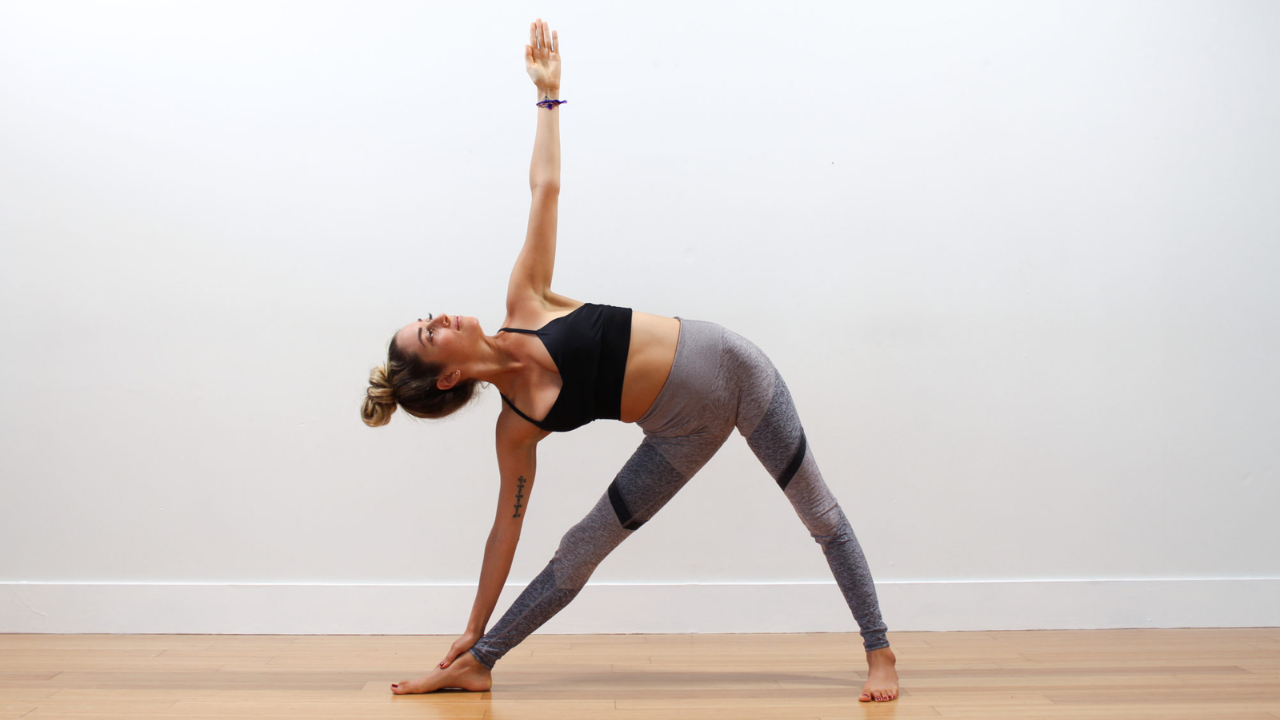
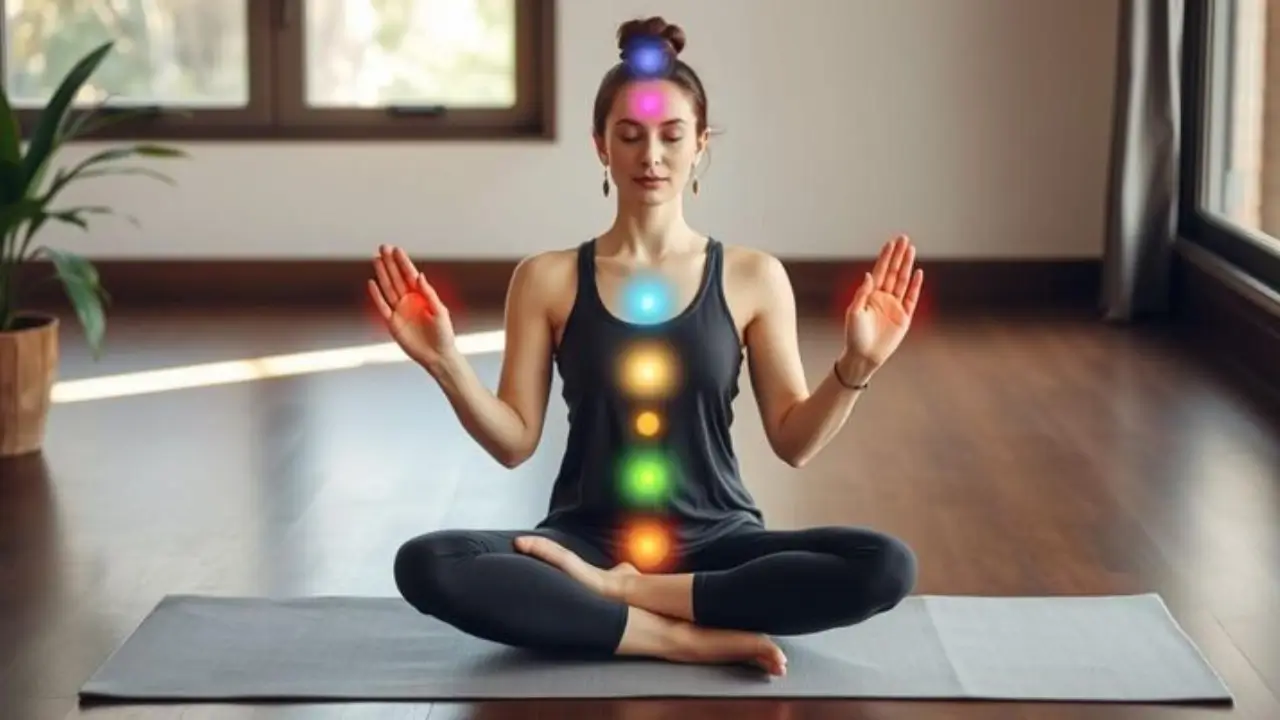
Hatha Yoga is a traditional form of yoga that focuses on physical postures (asanas), breathing techniques (pranayama), and meditation. The word "Hatha" comes from two Sanskrit words: "Ha" meaning sun and "Tha" meaning moon. This represents the balance between opposing forces – strength and flexibility, effort and ease, body and mind.
Origins and Philosophy of Hatha Yoga
Hatha Yoga has roots dating back to ancient India, with practices documented in texts like the Hatha Yoga Pradipika written in the 15th century. The primary goal of Hatha Yoga is to create harmony between the body and mind, preparing practitioners for deeper meditation and spiritual growth.
Unlike some modern, fast-paced yoga styles, Hatha Yoga emphasizes holding poses for longer periods, allowing you to focus on alignment, breath, and mindfulness. This makes it an ideal practice for beginners who want to build a solid foundation.
Key Characteristics of Hatha Yoga Practice
- Slow-paced practice: Poses are held longer, typically 5-10 breaths or more
- Focus on fundamentals: Emphasis on proper alignment and basic postures
- Breathing awareness: Integration of conscious breathing throughout practice
- Accessible to all levels: Modifications available for different abilities
- Mind-body connection: Equal attention to physical and mental aspects
Benefits of Hatha Yoga
Practicing Hatha Yoga regularly can transform your physical health, mental well-being, and overall quality of life. Let's explore the comprehensive benefits this ancient practice offers.
Physical Benefits of Hatha Yoga
Improved Flexibility and Strength: One of the most noticeable benefits of Hatha Yoga is increased flexibility. As you hold various poses, your muscles gradually lengthen and become more supple. Simultaneously, many Hatha poses require you to support your body weight, building lean muscle strength throughout your entire body.
Better Posture and Spinal Health: In our modern world of desk jobs and smartphone use, poor posture has become epidemic. Hatha Yoga specifically targets the muscles that support your spine, helping you stand taller and sit straighter. Regular practice can alleviate back pain and prevent future spinal problems.
Enhanced Balance and Coordination: Many Hatha Yoga poses challenge your balance, from simple standing poses to more advanced balancing postures. This improved balance translates into daily life, reducing fall risk and enhancing overall body coordination.
Mental and Emotional Benefits of Hatha Yoga
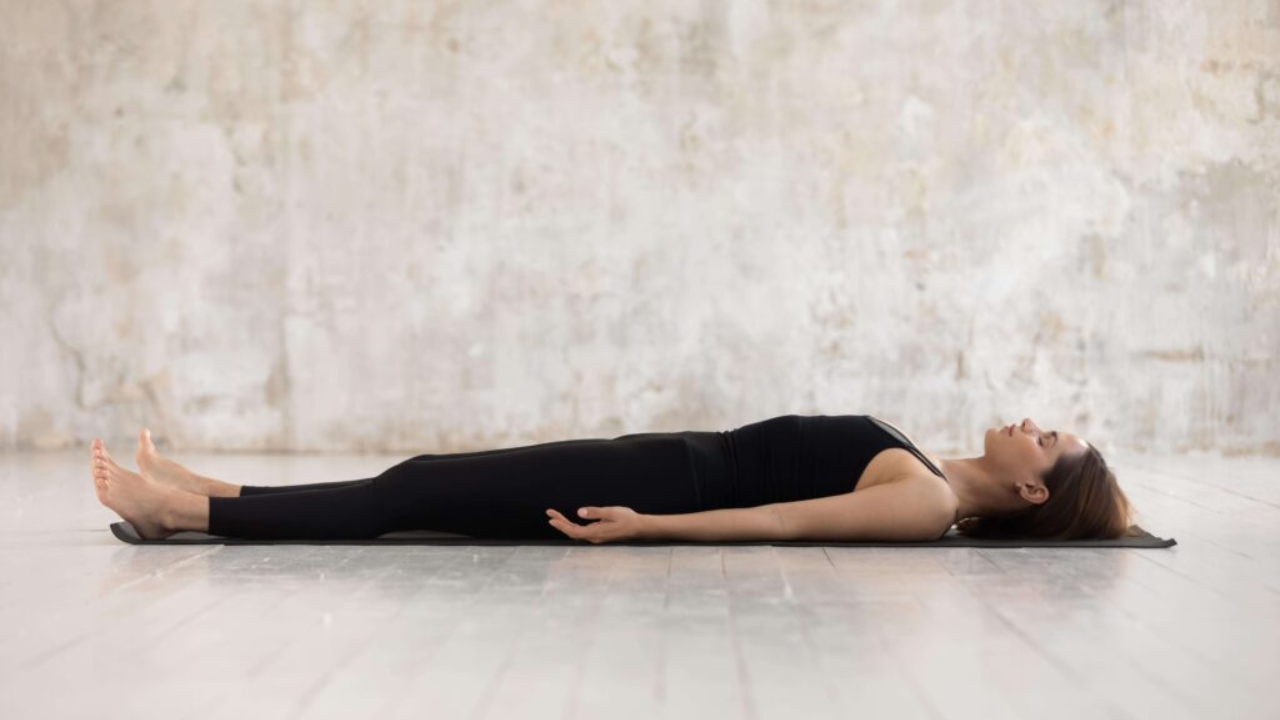
Stress Reduction and Relaxation: Hatha Yoga's slow, deliberate approach naturally calms the nervous system. The combination of physical movement, breath control, and mindfulness activates your body's relaxation response, reducing cortisol levels and promoting deep relaxation.
Improved Focus and Mental Clarity: The concentration required to hold poses and coordinate breath creates a moving meditation. This practice sharpens your mental focus and carries over into improved concentration in daily tasks.
Better Sleep Quality: Many practitioners report sleeping better after establishing a regular Hatha Yoga routine. The physical exertion combined with stress relief creates ideal conditions for restful sleep.
Essential Hatha Yoga Poses for Beginners
Starting your Hatha Yoga journey doesn't require complex poses. These fundamental postures form the foundation of your practice.
Standing Hatha Yoga Poses
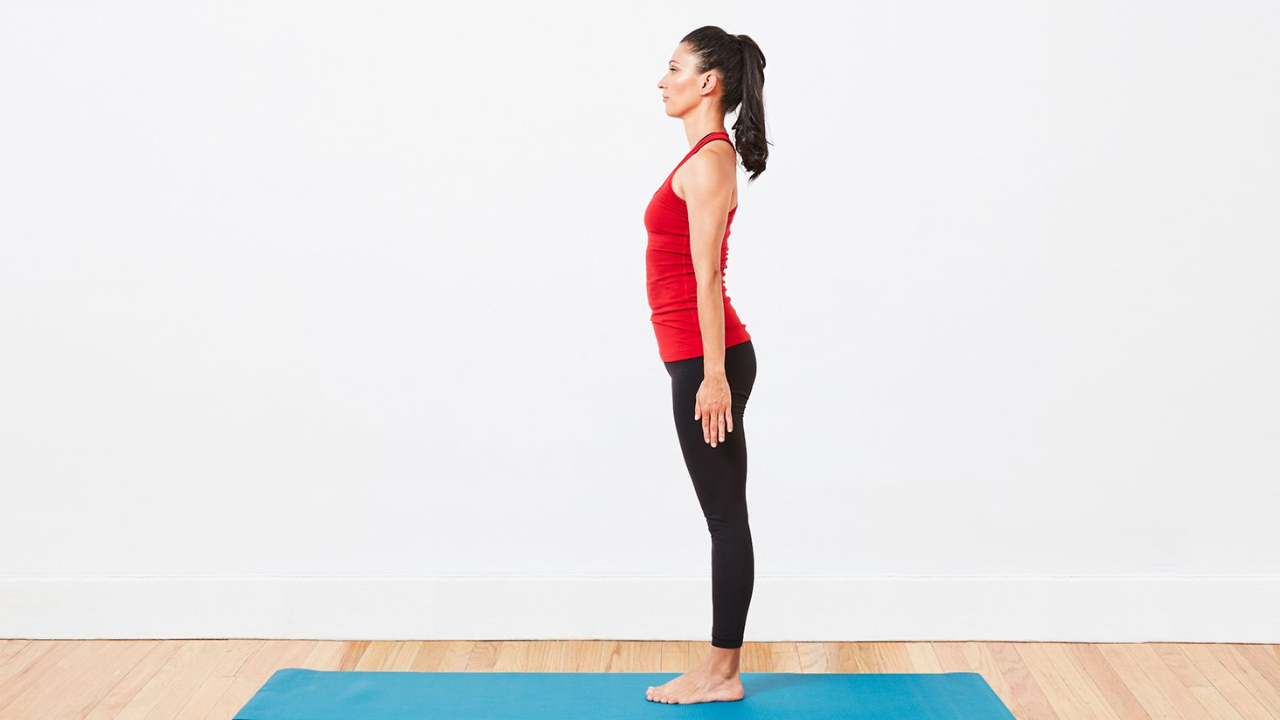
Mountain Pose (Tadasana): This foundational standing pose teaches proper alignment and body awareness. Stand tall with feet hip-width apart, arms at sides, weight evenly distributed. Though it looks simple, Mountain Pose engages your entire body.
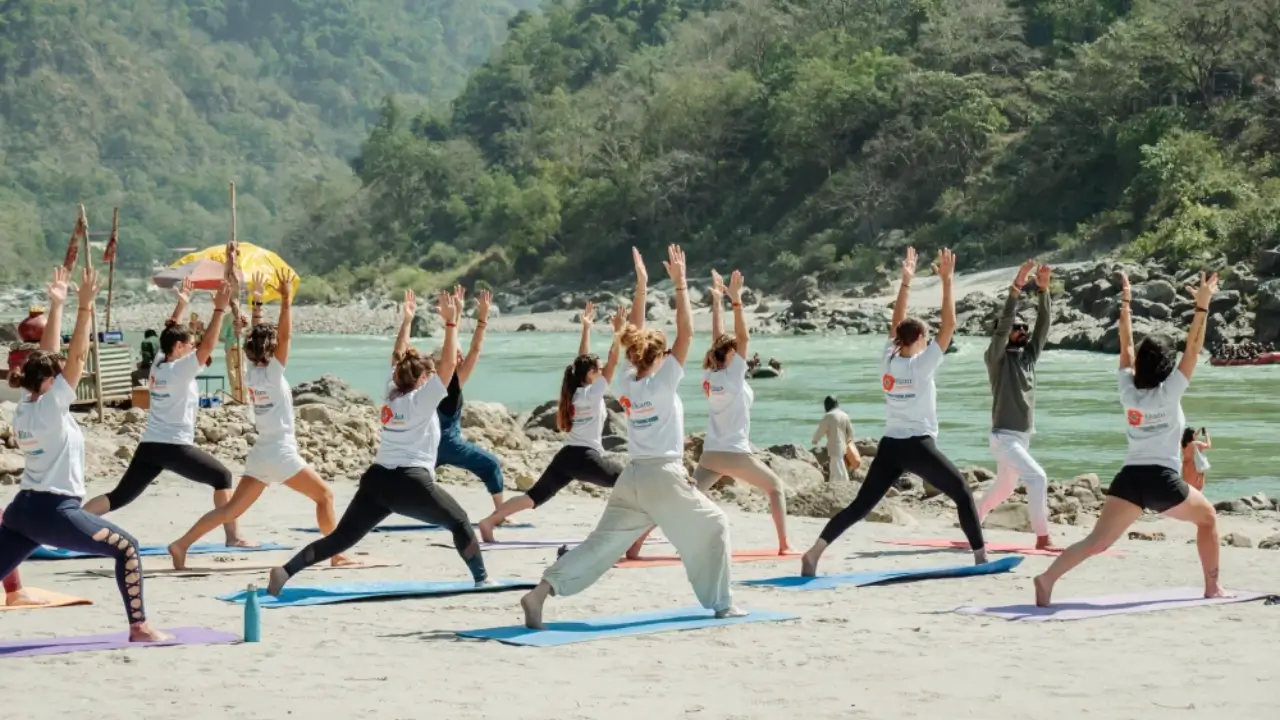
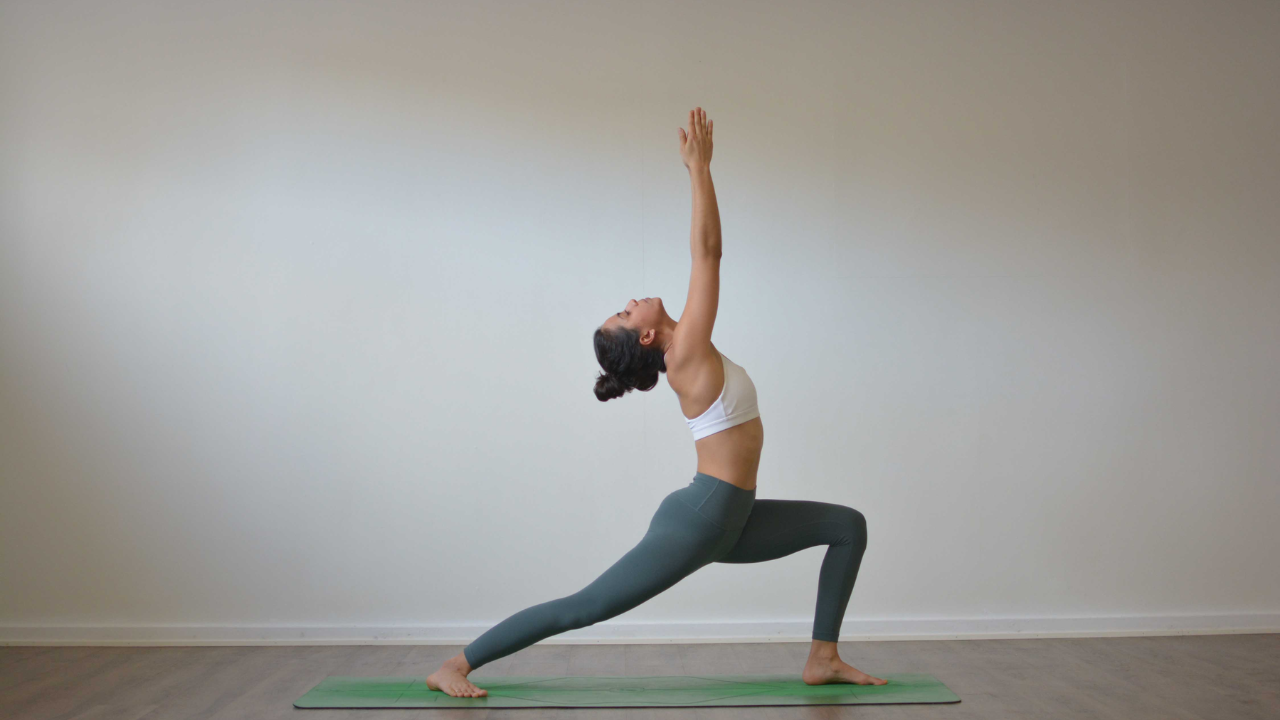
Warrior I (Virabhadrasana I): A powerful pose that builds leg strength and opens the chest. Step one foot back, bend the front knee, raise arms overhead, and hold while breathing deeply.
 >
>
Floor-Based Hatha Yoga Poses
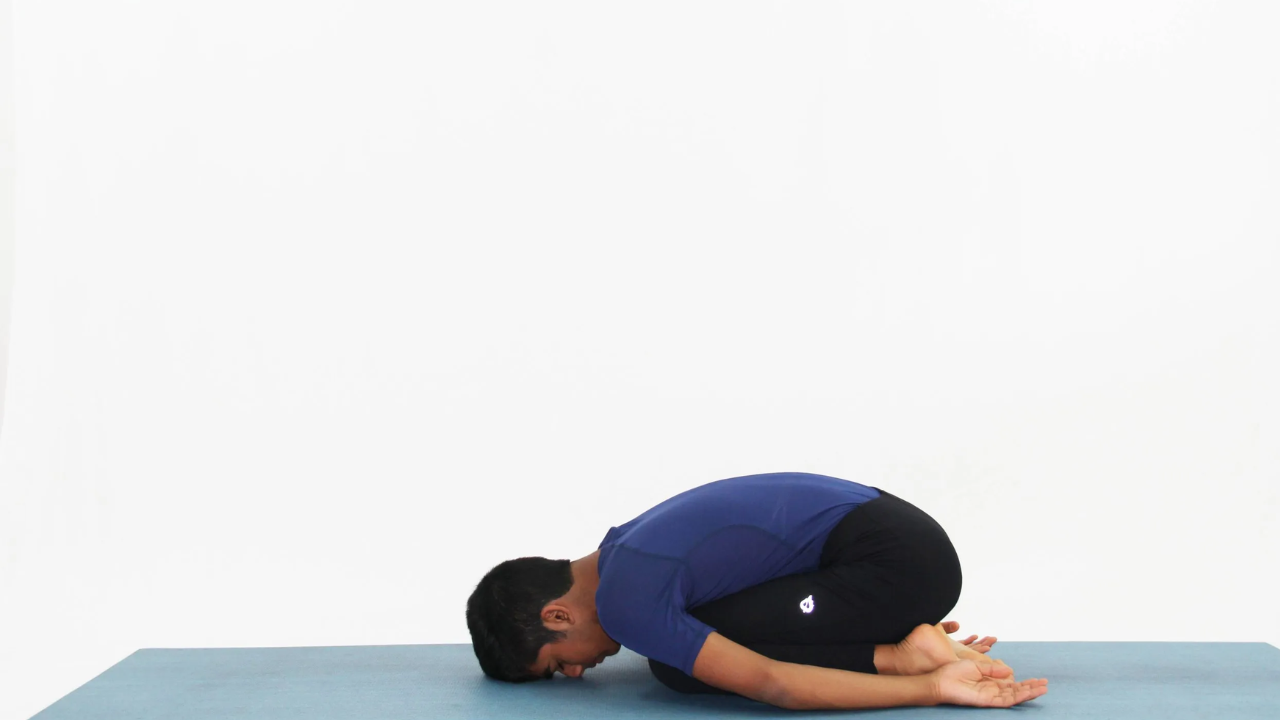
Child's Pose (Balasana): A resting pose that stretches the back and promotes relaxation. Kneel on the floor, sit back on your heels, and fold forward with arms extended.
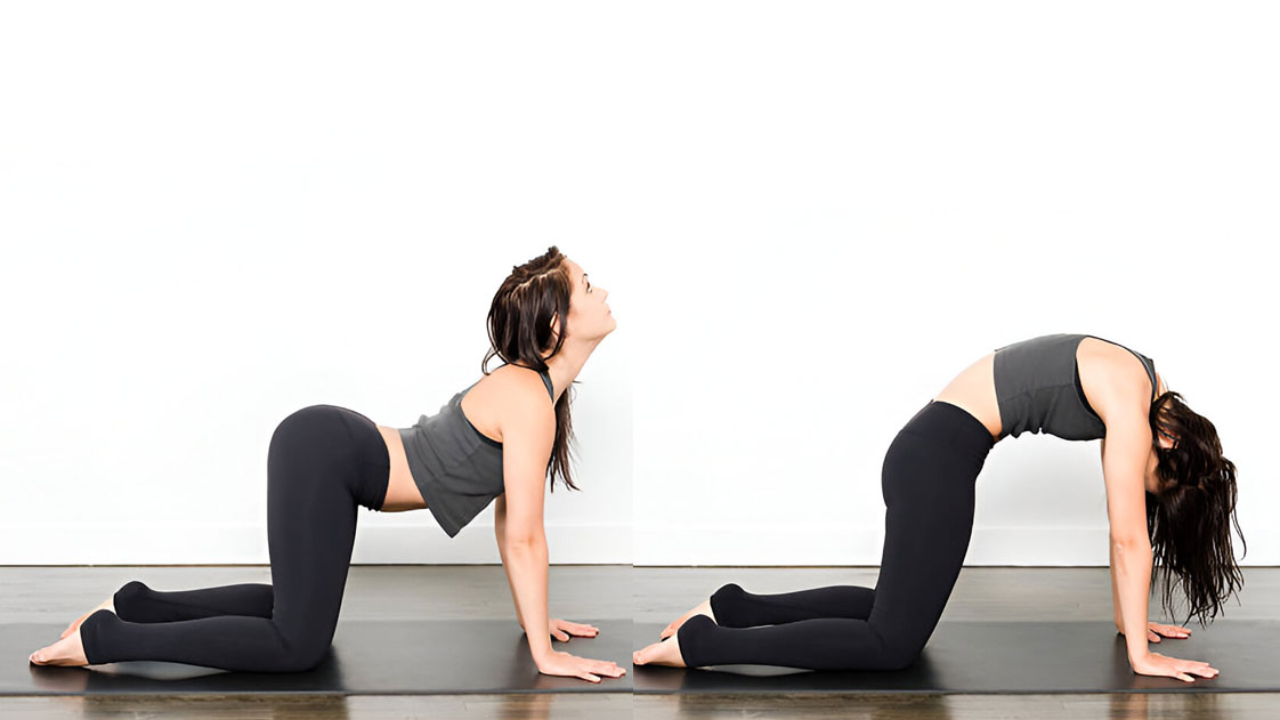
Cat-Cow Pose (Marjaryasana-Bitilasana): This flowing sequence warms up the spine and improves flexibility. Move between arching and rounding your back while on hands and knees.
Balancing Hatha Yoga Poses
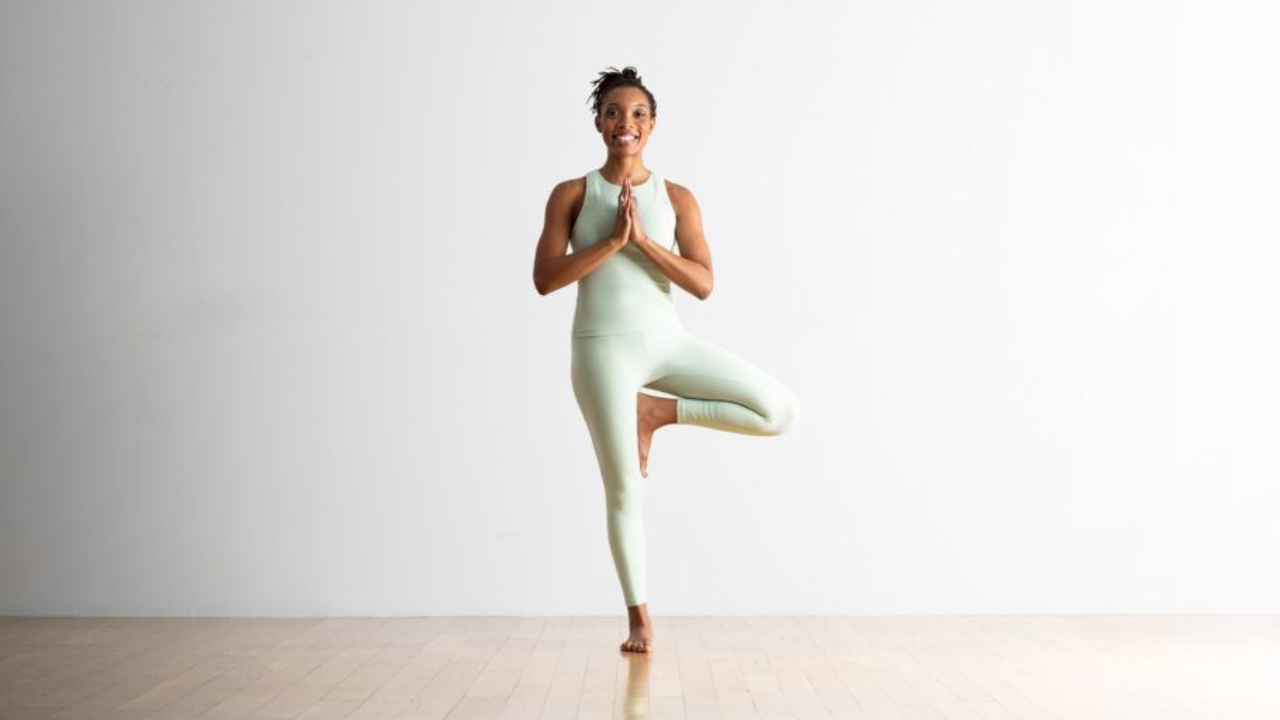
Tree Pose (Vrksasana): Perfect for developing balance and focus. Stand on one leg, place the other foot on your inner thigh or calf (never on the knee), and bring hands to prayer position.
How to Start Your Hatha Yoga Practice
Beginning a new practice can feel intimidating, but these practical tips will help you start confidently.
What You Need Before Practicing Hatha Yoga
- A quality yoga mat with good grip
- Comfortable, breathable clothing
- Yoga blocks for support (optional but helpful)
- A yoga strap for flexibility poses
- A quiet space for practice
Finding the Right Hatha Yoga Class
Consider these options for learning Hatha Yoga:
- Local yoga studios offering beginner Hatha classes
- Online video platforms with guided sessions
- Yoga apps designed for beginners
- Private instruction for personalized guidance
Tips for Your First Hatha Yoga Session
Beginner-Friendly Hatha Yoga Tips
- Start slowly: Don't push yourself too hard initially
- Listen to your body: Respect your limits and avoid pain
- Focus on breath: Keep breathing steady and deep
- Use modifications: Props and modified poses are for everyone
- Be consistent: Practice regularly, even if just 15-20 minutes
- Stay patient: Progress takes time; celebrate small improvements
Common Mistakes to Avoid in Hatha Yoga
Holding Your Breath: Remember that breath is central to Hatha Yoga. If you find yourself holding your breath, ease out of the pose slightly.
Comparing Yourself to Others: Every body is different. Your practice is personal – focus on your own journey rather than comparing yourself to others.
Skipping the Warm-up: Always warm up your body before deeper poses. This prevents injury and prepares your muscles for practice.
Ignoring Pain Signals: Discomfort is normal; sharp pain is not. Learn to distinguish between the two and respect your body's signals.
Integrating Hatha Yoga Into Your Daily Lifestyle
Creating a Home Hatha Yoga Routine
Establish a consistent practice by setting aside the same time each day, creating a dedicated practice space, starting with 20-30 minute sessions, and gradually increasing duration as you progress.
Combining Hatha Yoga With Wellness Practices
Hatha Yoga complements meditation and mindfulness practices, other forms of exercise, healthy eating habits, and stress management techniques.
Setting Realistic Yoga Goals
Rather than aiming for advanced poses immediately, focus on consistent practice (3-4 times per week), gradual improvement in flexibility, better body awareness, and enhanced overall well-being.
Conclusion: Start Your Hatha Yoga Journey Today
Hatha Yoga offers an accessible, comprehensive approach to physical fitness, mental clarity, and spiritual growth. Whether you're seeking stress relief, improved flexibility, or a deeper connection with yourself, Hatha Yoga provides the tools and techniques to achieve your goals.
The beauty of Hatha Yoga lies in its adaptability – it meets you where you are and grows with you. You don't need to be flexible, strong, or experienced to begin. All you need is curiosity, commitment, and the willingness to show up on your mat.
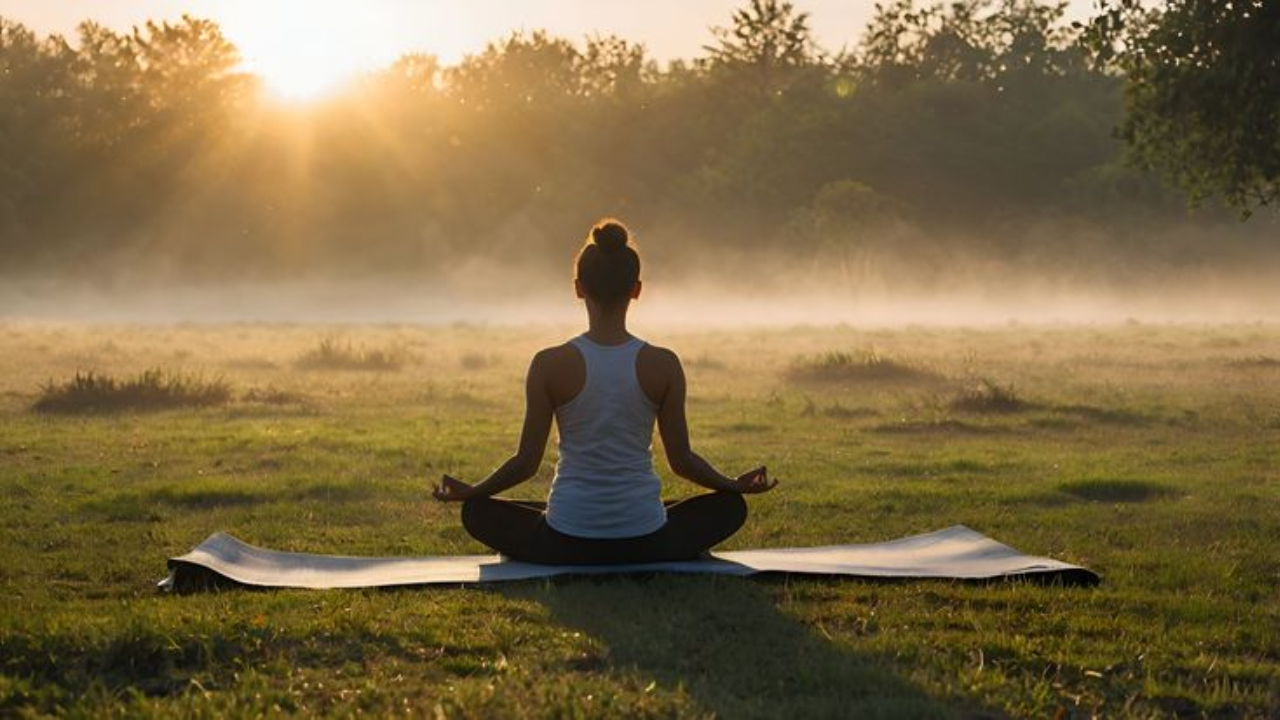
Start your Hatha Yoga journey today. Choose a quiet moment, roll out your mat, and take that first conscious breath. Your mind, body, and spirit will thank you.
Ready to begin? Find a beginner-friendly Hatha Yoga class near you or explore online resources to start your practice today. Remember, every expert was once a beginner – your yoga journey starts with a single pose.