Warrior II pose or Virabhadrasana II is one of the most powerful and popular standing yoga poses in the world. It builds strong legs, opens the hips, stretches the chest, and trains your mind to stay focused under pressure. Whether you are a beginner or experienced yogi, Warrior II is a pose you will keep coming back to because of how good it makes you feel. This complete guide teaches you everything about Warrior II, from how to do it correctly to all the amazing benefits it gives your body and mind.
What is Warrior II Pose
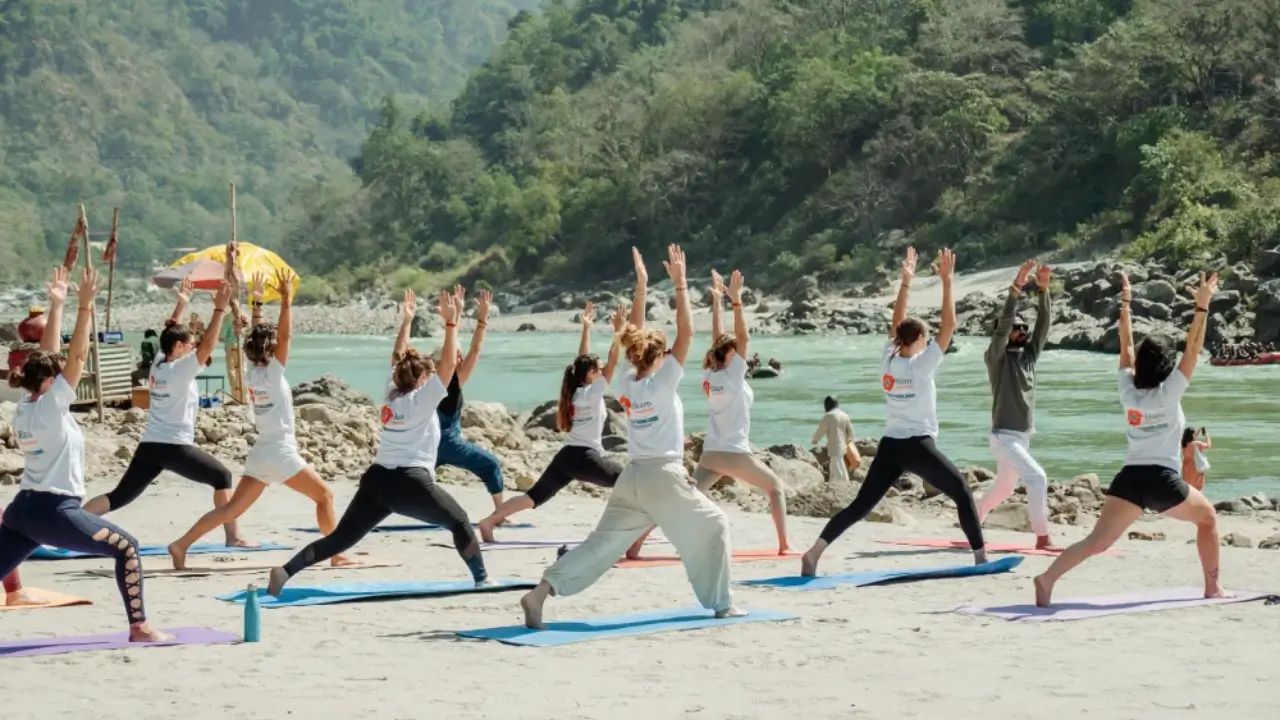
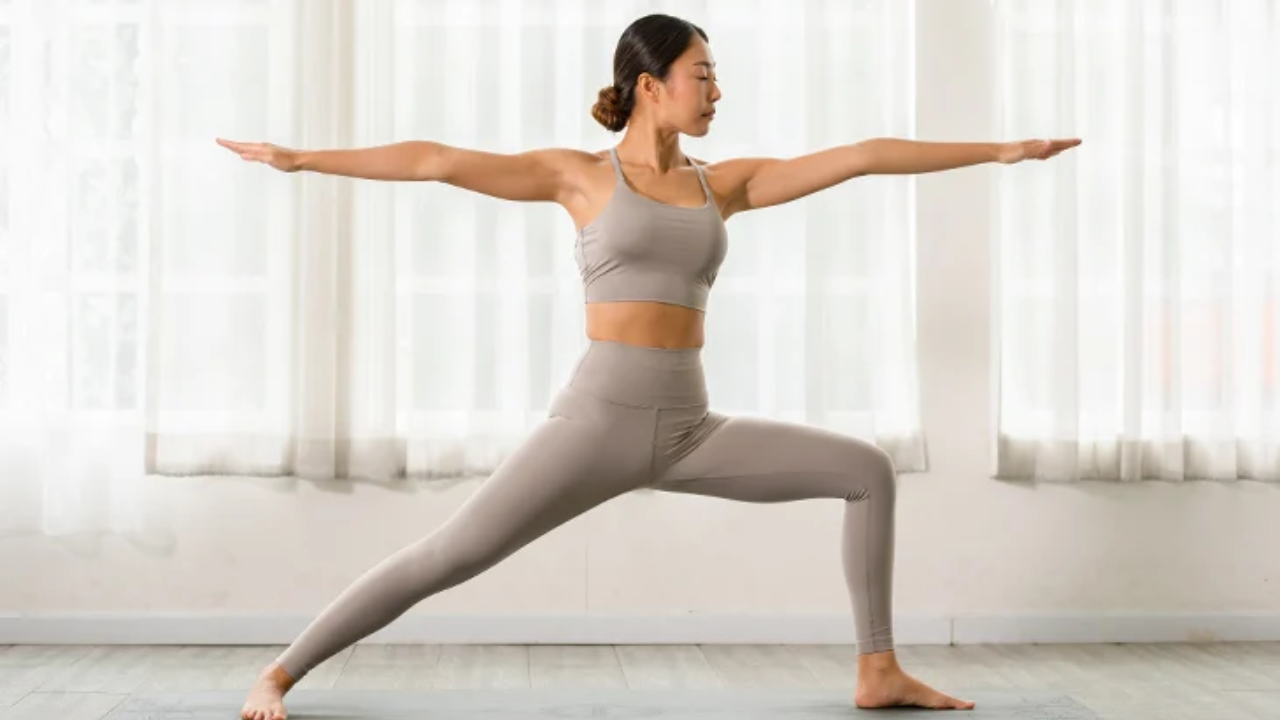
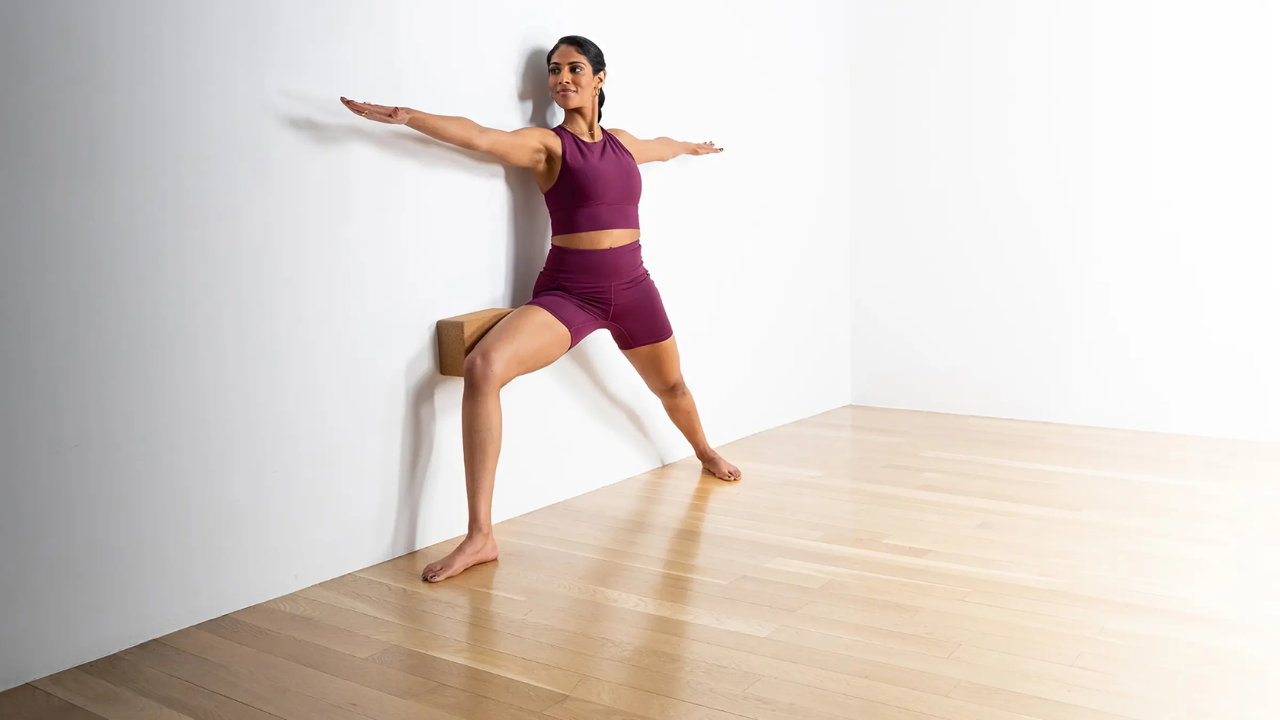
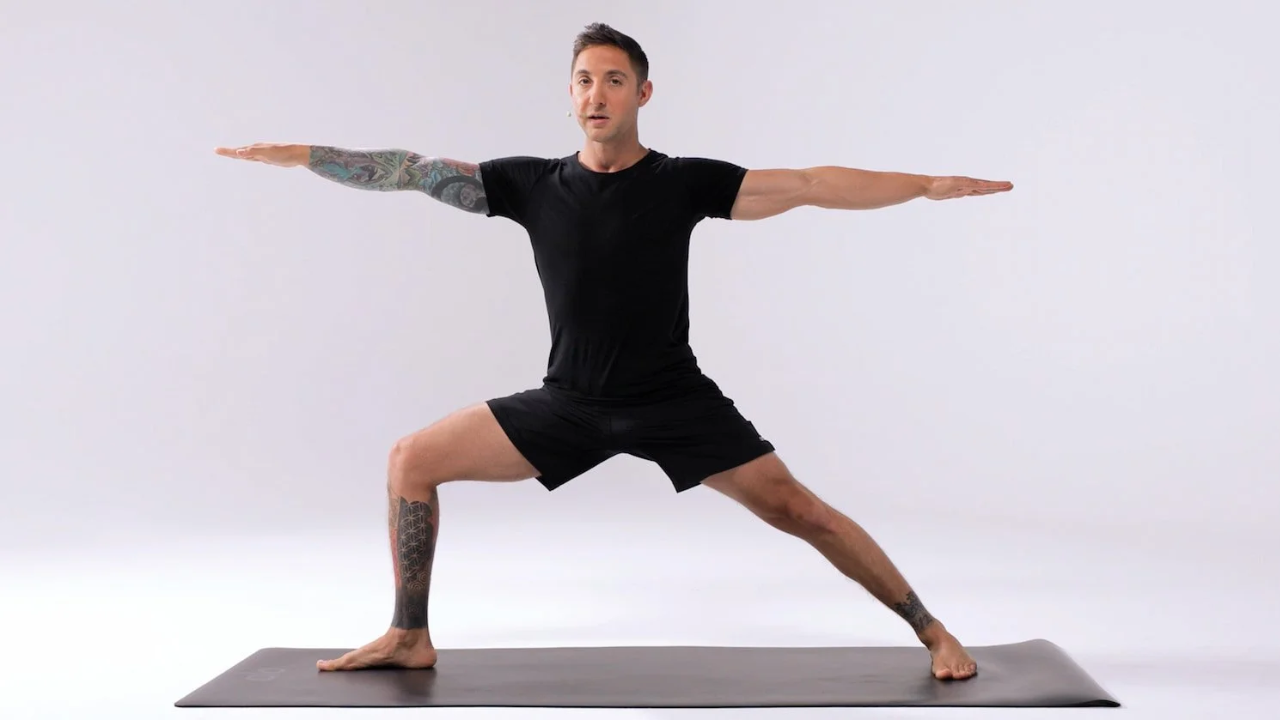
Warrior II or Virabhadrasana II is a standing yoga pose named after Virabhadra, a fierce warrior from Hindu mythology. In this pose, you stand with legs wide apart, bend your front knee, and stretch both arms out in a straight line from shoulder to shoulder. Your chest and hips open wide to the side, and your gaze goes forward over your front fingers. It looks like a powerful warrior ready for battle.
This pose is part of almost every yoga style including Hatha, Vinyasa, Ashtanga, and Power Yoga. It is usually done in the middle of a yoga sequence and can be held for 30 seconds to 1 full minute on each side.
Basic Pose Information
- Sanskrit Name: Virabhadrasana II (Veer-ah-bah-DRAHS-anna)
- Pose Type: Standing, Hip Opening, Strength Pose
- Level: Beginner to Intermediate
- Hold Time: 30 seconds to 1 minute each side
- Focus Area: Legs, hips, shoulders, core, and chest
How to Do Warrior II Step by Step
Learning the correct way to enter Warrior II is very important. Doing it wrong puts stress on knees and lower back. Follow these simple steps and your body will be safe and strong in the pose.
Step-by-Step Instructions
- Step 1 – Start Standing: Stand tall on your mat with feet together and arms by your sides. Take two or three deep breaths to settle.
- Step 2 – Open the Legs: Step your feet wide apart about 3 to 4 feet. Your feet should be comfortable, not too wide or too narrow.
- Step 3 – Turn the Front Foot: Turn your right foot out 90 degrees so it points to the right side of your mat. Turn your left foot in slightly, about 15 degrees.
- Step 4 – Align the Heels: Your right heel should line up with the arch of your left foot. This is the classic warrior alignment for stability.
- Step 5 – Bend the Front Knee: Slowly bend your right knee until it is directly over your right ankle. Knee should not go past toes. Aim for a 90 degree angle at the knee.
- Step 6 – Open the Hips: Turn your hips to face the long side of the mat. Both hip bones should point sideways, not forward. Feel the stretch in the inner thighs.
- Step 7 – Raise the Arms: Lift both arms up to shoulder height and stretch them out in opposite directions. Arms should be parallel to the ground, palms facing down.
- Step 8 – Fix Your Gaze: Look forward over your right middle finger. Relax your face and breathe smoothly. Keep neck long and shoulders down.
- Step 9 – Hold and Breathe: Stay in the pose for 30 seconds to 1 minute. Breathe deeply. Feel strong and steady like a warrior.
- Step 10 – Switch Sides: Straighten the front leg, turn feet back to center, then repeat all steps on the left side for even strength.
Proper Alignment Points
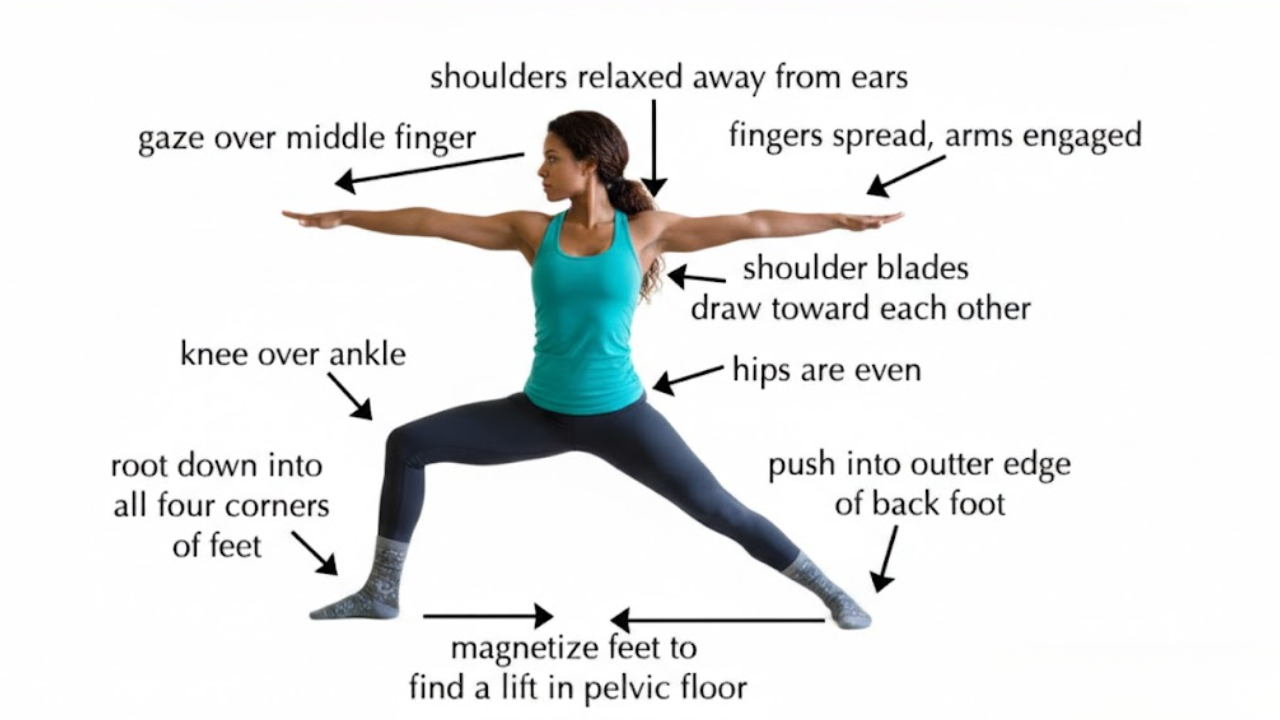
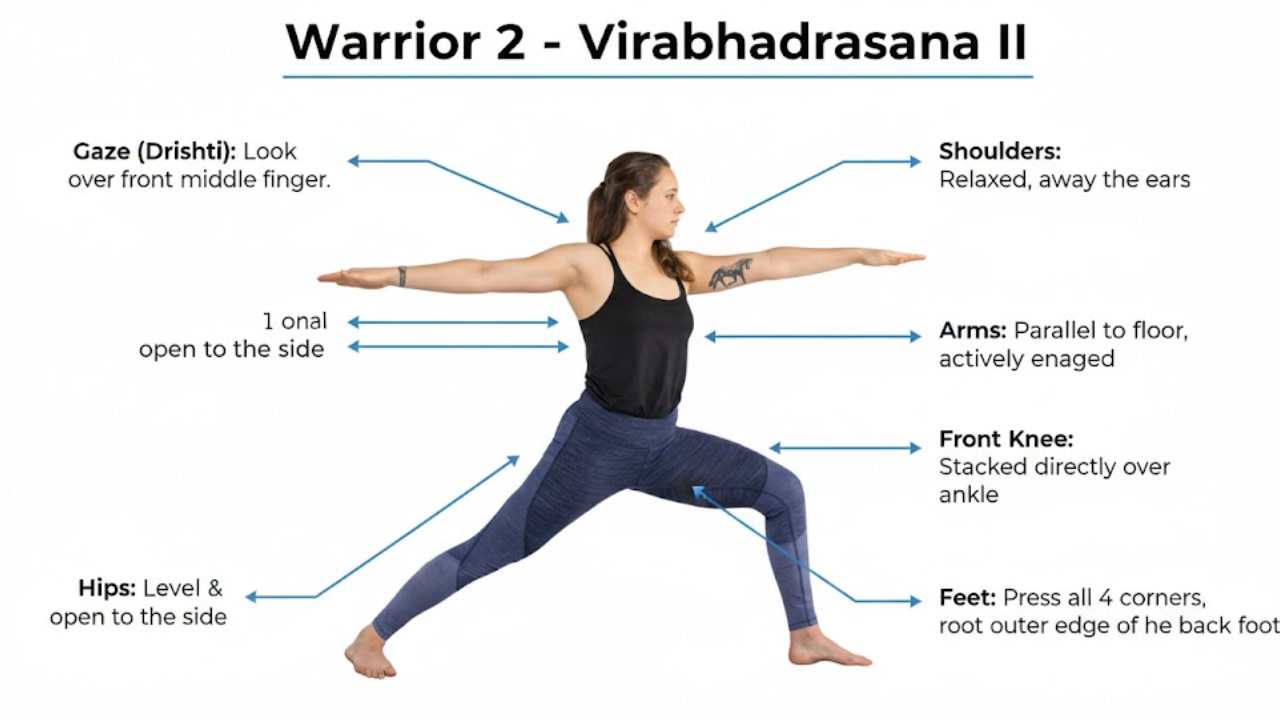
Alignment is the most important part of Warrior II. Good alignment protects your joints, makes the pose more powerful, and gives you maximum benefit. Check these alignment points every time you practice.
Key Alignment Checks
- Front Knee Over Ankle: Always keep bent knee directly above the ankle, not leaning in or out. This protects the knee joint completely.
- Back Leg Straight and Strong: Press the back foot firmly into the mat and keep the back leg fully extended and active. Do not let it go lazy.
- Spine Tall and Upright: Your spine should be straight up, not leaning forward or sideways. Imagine a string pulling the top of your head toward the ceiling.
- Shoulders Down and Relaxed: Drop your shoulders away from your ears. Many people tense up and lift shoulders without noticing during this pose.
- Arms Fully Extended: Stretch both arms from fingertip to fingertip as if someone is pulling both hands in opposite directions. Keep them at shoulder height.
- Hips Open to the Side: Both hip bones face the long edge of the mat. Do not twist the hips to face forward. This is the key difference from Warrior I.
- Core Lightly Engaged: Pull your belly button gently toward your spine. This protects the lower back and gives stability to the whole pose.
Benefits of Warrior II Pose
Warrior II is not just a pose. It is a complete body and mind training exercise. Regular practice brings many real and visible benefits that you can feel quickly. Here are all the major benefits broken down simply.
Physical Benefits
- Stronger Legs: Warrior II works all leg muscles together including quadriceps, hamstrings, calves, and inner thighs. Legs get stronger and more toned with regular practice.
- Opens Hips: The wide stance and outward rotation of the front hip gives a deep stretch to tight hip flexors and groin area. People who sit a lot benefit greatly.
- Better Balance: Holding this pose on one bent leg builds balance and coordination in the whole body over time.
- Strong Core: Keeping your spine upright and stable in this pose requires core engagement which slowly tones the belly muscles.
- Opens Chest and Shoulders: Stretching arms wide opens the chest, improves posture, and releases tension from tight shoulder muscles.
- Builds Stamina: Holding Warrior II for longer periods builds cardiovascular strength and physical stamina naturally without high impact movement.
- Improves Circulation: The strong leg bend increases blood flow to lower body and improves overall circulation in the body.
Mental and Emotional Benefits
- Builds Focus: Fixing your gaze on one point and holding the pose trains your mind to concentrate better in daily life.
- Reduces Stress: Deep breathing in Warrior II activates the calming side of the nervous system and lowers stress and anxiety naturally.
- Boosts Confidence: The warrior posture itself sends strong signals to your brain. You feel more powerful, capable, and confident after practice.
- Improves Willpower: Staying in a challenging pose builds mental toughness and the ability to handle discomfort in real life.
Muscles Worked in Warrior II
Warrior II is a full body pose but it works some muscles much harder than others. Knowing which muscles are active helps you engage them properly and get more out of the pose every single time.
Primary Muscles (Most Active)
- Quadriceps: Front thigh muscles of the bent leg work very hard to hold the knee bend. This is where you feel the burn most.
- Inner Thighs (Adductors): Wide leg position stretches and activates the inner thigh muscles of both legs at the same time.
- Gluteus Medius: Hip muscles on the back leg work to keep the back leg stable and hips aligned in the right position.
- Deltoids (Shoulders): Holding arms out at shoulder height for 30 to 60 seconds challenges the shoulder muscles significantly.
Secondary Muscles (Supporting)
- Core muscles to keep the spine straight and stable throughout the hold.
- Hamstrings and calves of the back leg to keep it strong and extended.
- Chest and upper back muscles to keep arms open and shoulders down.
- Foot and ankle muscles to maintain balance and grip on the mat.
Common Mistakes to Avoid
Most beginners make the same alignment errors in Warrior II. These mistakes reduce the benefits and can sometimes cause pain or injury. Check yourself in a mirror or ask a teacher to watch you once and correct these habits early.
Top Mistakes and How to Fix Them
- Knee Falling Inward: Front knee collapses toward the big toe side instead of pointing over second toe. Fix: Press the knee out actively toward the pinky toe direction.
- Leaning Forward: Torso leans over the front thigh instead of staying upright. Fix: Press your back hip backward as you bend the front knee to balance the weight.
- Shoulders Up by Ears: Tension causes people to hunch and lift shoulders. Fix: Consciously drop both shoulders down and away from ears every breath.
- Arms Drooping Down: After a few seconds, arms slowly drop below shoulder height. Fix: Keep energizing arms outward from the shoulder socket.
- Hips Not Open: Hips face slightly forward like Warrior I instead of sideways. Fix: Open front hip out by spinning the inner thigh of front leg downward.
- Back Foot Not Grounded: Outer edge of back foot lifts off the floor. Fix: Press all four corners of the back foot firmly into the mat before bending front knee.
- Holding Breath: Many people forget to breathe when they feel challenged by the pose. Fix: Breathe slow and steady, in through nose and out through nose throughout.
Modifications for Beginners
If Warrior II feels too hard right now, that is totally fine. Use these simple modifications to make the pose easier while you build strength. You will be doing the full pose in just a few weeks of regular practice.
Easy Modifications
- Shorter Stance: Take a smaller step between feet if the wide position feels too intense on hips or knees. Gradually widen over time.
- Less Knee Bend: Do not go to full 90 degrees right away. Bend only as much as feels comfortable and build up slowly with practice.
- Use a Chair: Place a chair on your right side and lightly rest fingertips on it for balance support. Remove the chair as you get stronger.
- Hold for Less Time: Start with just 15 to 20 seconds per side. Increase by 5 seconds each week as legs get stronger.
- Arms on Hips: If shoulders feel tired put hands on hips first to master leg alignment before adding arm work.
Modifications for Special Needs
- Knee Problems: Keep the knee bend very small or just practice standing with wide legs and open hips until knee heals.
- High Blood Pressure: Keep arms at chest height instead of shoulder height to reduce strain on heart and blood vessels.
- Pregnancy: Take a wider stance for balance and reduce knee bend. Use a wall or chair for support in third trimester.
- Tight Hips: Place a yoga block under the back heel or use a slightly wider toe angle on the front foot for more comfort.
Warrior II Variations to Try
Once you are comfortable in basic Warrior II you can explore these exciting variations. Each one adds a different challenge and works the body in a new way. Try them one by one as your practice grows stronger.
Popular Warrior II Variations
- Reverse Warrior: From Warrior II, flip the front palm up and reach that arm back and up into a side stretch. Deep side body stretch and energy booster.
- Peaceful Warrior: Similar to Reverse Warrior but with a longer more gentle back bend. Great for opening the chest and front body deeply.
- Extended Side Angle: From Warrior II bring the front arm down to the mat beside the front foot and stretch the back arm over the ear. Intense full body stretch.
- Humble Warrior: From Warrior II clasp hands behind back, fold forward inside the front knee. Deep hip opener and inversion in one pose.
- Bound Warrior II: Advanced variation where you wrap the front arm under the front thigh and join hands behind the back. Very intense shoulder and chest opener.
How Long to Hold Warrior II
The time you hold Warrior II depends on your goal and current fitness level. More time means more strength building. Less time with more repetitions gives more cardio benefit. Here is a simple guide based on your level.
Hold Time Guide by Level
- Complete Beginners: Hold 15 to 20 seconds each side. Rest in Mountain Pose between sides. Do 2 to 3 sets per session.
- After 2 to 4 Weeks: Increase to 30 to 45 seconds each side. Your legs will be noticeably stronger by this point.
- Intermediate Practitioners: Hold 1 full minute each side. You can do 2 to 3 sets with 30 second rest between sets.
- Advanced Yogis: Hold 2 to 5 minutes each side or flow dynamically between Warrior II and other poses without stopping.
Who Should Be Careful
Warrior II is generally safe for most people but certain conditions need extra care or modification. Always listen to your body and never push through sharp pain. Mild discomfort from muscle work is normal but joint pain is not.
Conditions Needing Caution
- Knee Injury: Reduce bend depth or skip the pose until healed. Never force the knee into pain.
- Hip Injury or Surgery: Work with a yoga therapist to modify safely. Do not force hip rotation.
- High Blood Pressure: Avoid raising arms above shoulders. Modified arm position makes the pose much safer.
- Shoulder Injury: Keep arms lower or practice without arm extension until shoulder heals fully.
- Pregnancy: Use modifications as described above. Always consult your doctor first.
Warrior I vs Warrior II: Key Differences
Many beginners get confused between Warrior I and Warrior II. They look similar but are very different in how they feel and what they do for your body. Here is a simple comparison to help you understand both poses clearly.
Quick Comparison Table
- Hips Direction: Warrior I hips face forward. Warrior II hips open to the side. This is the biggest difference.
- Arms Position: Warrior I arms go straight up above head. Warrior II arms stretch out horizontally at shoulder height.
- Gaze Direction: Warrior I gaze goes up toward hands. Warrior II gaze goes forward over front fingertips.
- Back Foot Angle: Warrior I back foot is at 45 degrees. Warrior II back foot is more open, almost parallel to back of mat.
- Main Focus: Warrior I focuses on hip flexor stretch and upper body. Warrior II focuses on hip opening and inner thigh strength.
Beginner Tips for Better Practice
These small but powerful tips make a big difference in how good your Warrior II feels. Start using them from day one and build strong habits that will serve your whole yoga practice.
Practical Tips
- Use a Mirror: Practice in front of a mirror at least 3 times to check your alignment. Mirror shows what your body feels cannot always tell you.
- Press All Four Corners of Both Feet: Big toe mound, pinky toe mound, inner heel, and outer heel. This activates the legs and gives amazing stability.
- Breathe Into the Belly: Try breathing so your belly expands on each inhale. This relaxes the lower body and helps you stay in the pose longer.
- Keep Front Knee Tracking Over Second Toe: Check this every single time you set up the pose. It is the single most important alignment point.
- Think Strong Energy Through Fingertips: Imagine energy shooting out of both sets of fingertips in opposite directions. This keeps arms alive and active.
- Do Both Sides Equally: Never skip the second side even if you feel tired. Equal practice prevents muscle imbalances in the body.
Conclusion
Warrior II or Virabhadrasana II is one of the best yoga poses you can add to your daily routine. It builds real leg strength, opens the hips, improves posture, sharpens focus, and makes you feel powerful from the inside out. With the right alignment, consistent practice, and patience, Warrior II becomes a pose you truly love and look forward to every day.
At Adishesh Yoga in Rishikesh, we teach the authentic and detailed approach to every yoga pose including Warrior II, so that students build a safe, strong, and sustainable practice. Start practicing Warrior II today with the alignment tips shared in this guide and feel the transformation in your body and mind within just a few weeks.