You just finished your yoga class. Your teacher says — "Now come into Savasana." You lie down. Close your eyes. And think — this is easy, I am just lying here. But after 2 minutes your mind is running everywhere. You are thinking about dinner, emails, and things you forgot to do. That right there — that is why Savasana is called the hardest pose in yoga. And also the most important one.
This guide tells you everything about Savasana — what it is, how to do it step by step, what it actually does to your body, and how to get better at it even if you are a complete beginner.
What Is Savasana?
Savasana (say it like: sha-VAH-suh-nuh) comes from two Sanskrit words — "Shava" meaning corpse, and "Asana" meaning pose. So yes — it literally means Corpse Pose.
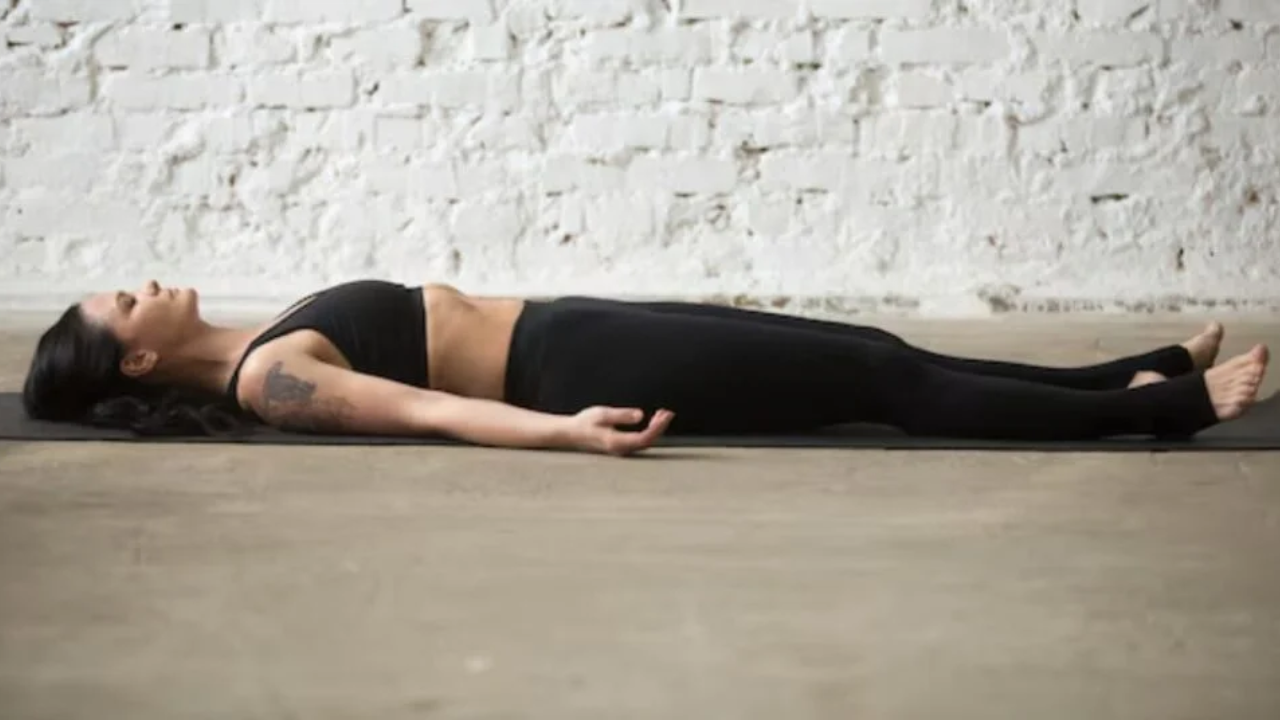
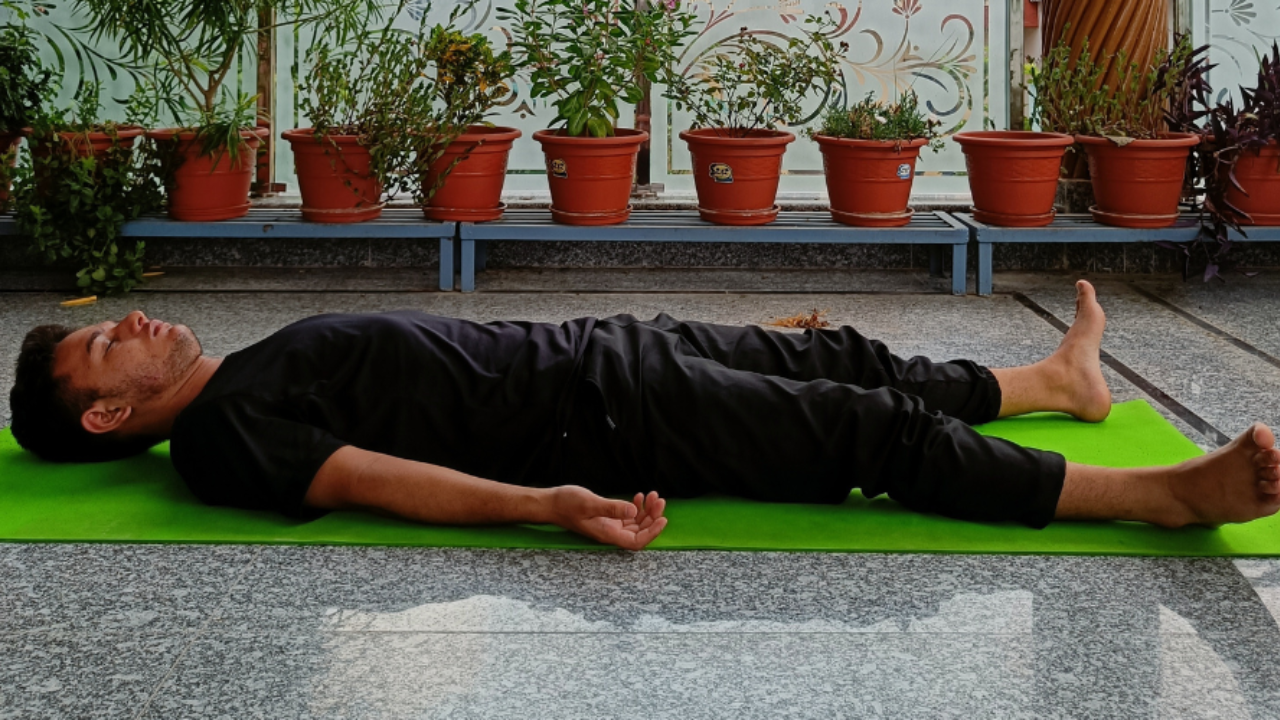
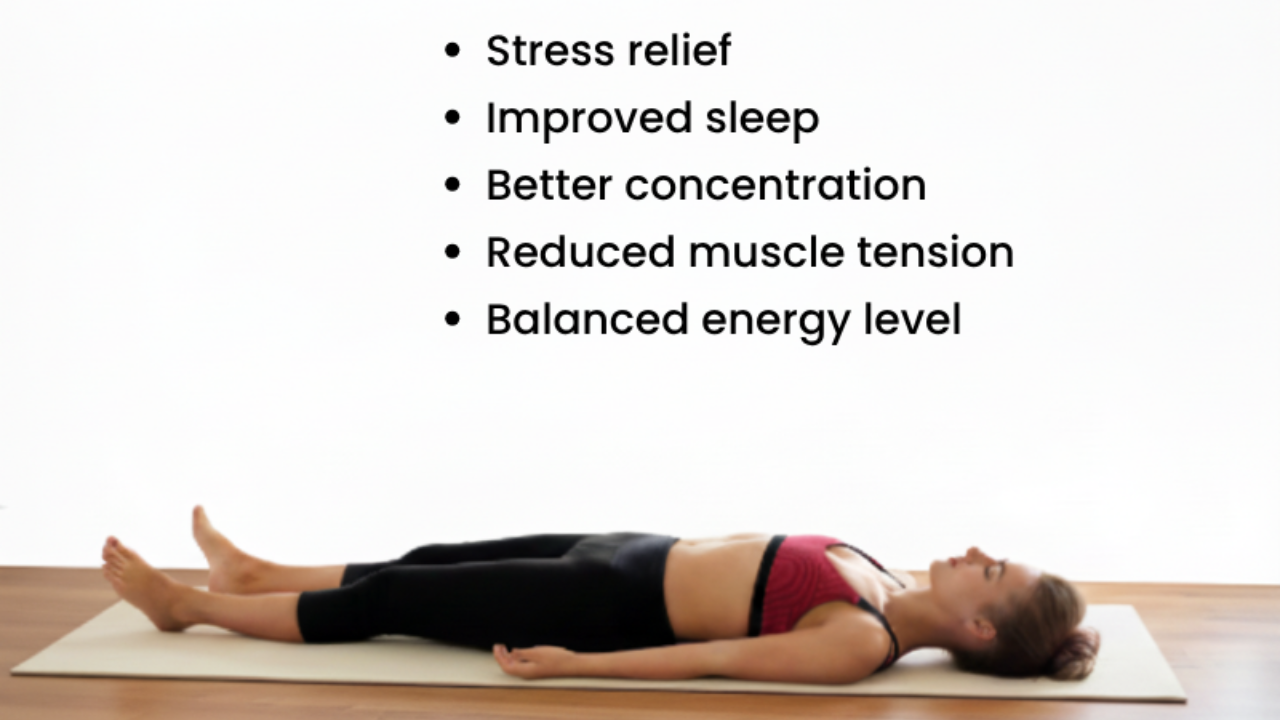
You lie flat on your back, arms by your side, eyes closed, and body completely still. That is it. No movement. No effort. Just rest.
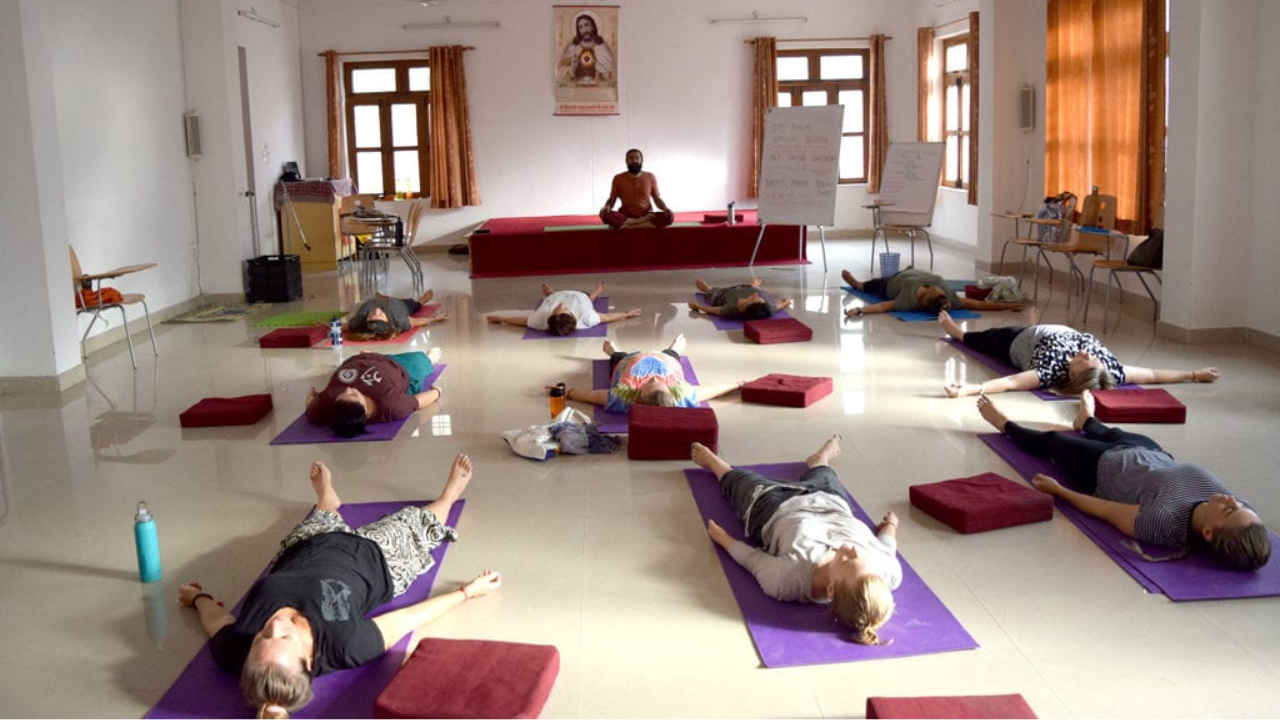
It is done at the end of every yoga class. And it is not just a cool-down. It is when your body actually processes, absorbs, and locks in everything from the practice. Skip Savasana and you are skipping the most important part.
Quick Facts About Savasana
- Sanskrit name: Savasana — from Shava (corpse) + Asana (pose)
- Type of pose: Restorative / Deep relaxation
- Level: Suitable for all — beginner to advanced
- Duration: 5 to 15 minutes at the end of yoga practice
- Main goal: Complete rest for body and mind — conscious relaxation
- Why it is hard: Not physical difficulty — mental stillness is the real challenge
How to Do Savasana — Step by Step
Savasana looks simple. But doing it correctly — with full awareness — is a skill. Here is how to do it properly, step by step.
Step 1 — Set Up Your Space
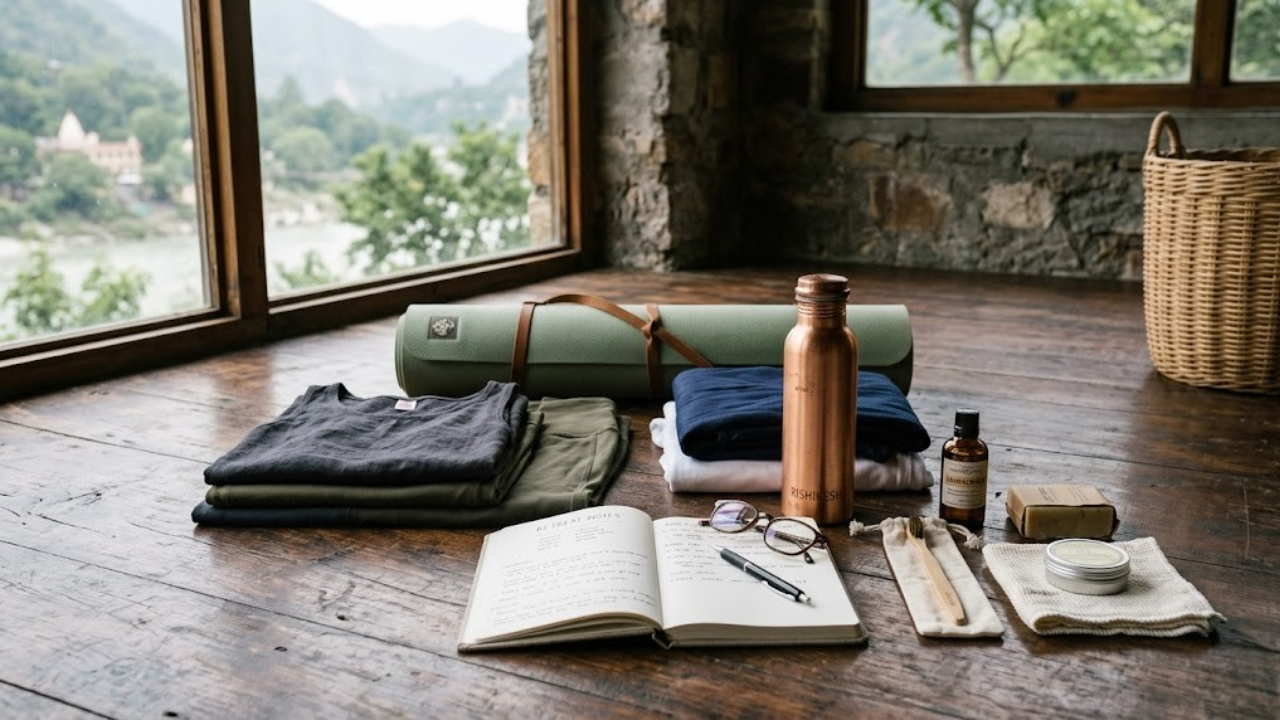
Find a quiet place where you will not be disturbed. Use a yoga mat for cushioning. Keep a thin blanket nearby if you tend to feel cold. Turn off your phone or put it on silent. Remove your glasses or anything that might cause discomfort.
Step 2 — Lie Down on Your Back
Gently lower yourself to the floor on your back. Keep your spine long and natural. Do not force your lower back to flatten. Let it rest in its natural curve.
Step 3 — Set Your Body Position
- Legs: Let your feet fall open naturally — no need to keep them together
- Arms: Place arms slightly away from your body — palms facing up toward the ceiling
- Shoulders: Roll them back and down — away from your ears
- Head: Let it rest in the centre — not tilted to either side
- Jaw: Let your jaw soften — teeth slightly apart, tongue off the roof of the mouth
- Eyes: Close them gently — do not squeeze them shut
Step 4 — Release Every Part of Your Body
Start from your feet and move slowly upward. Consciously release tension from each body part — toes, feet, ankles, calves, knees, thighs, hips, belly, chest, hands, arms, shoulders, neck, face. By the time you reach the top of your head — your whole body should feel heavy and soft on the floor.
Step 5 — Let Your Breath Be Natural
Do not control or force your breath. Let it breathe on its own. It might slow down. It might deepen. Just watch it. You are not doing anything — you are simply being.
Step 6 — Stay Still for 5 to 15 Minutes
Do not move. Do not adjust. Just rest. If your mind wanders — and it will — gently bring your attention back to the feeling of your body on the floor. No judgement. Just return, again and again.
Step 7 — Come Out Slowly
Never jump up from Savasana. Start by deepening your breath. Gently wiggle your fingers and toes. Roll onto your right side and rest there for a moment. Then slowly press yourself up to a seated position. Sit for a few breaths before standing.
Savasana Benefits — What It Actually Does to Your Body
Savasana is not a break. It is science. When you lie in Savasana correctly, real things happen inside your body — physically, mentally, and even at the level of your nervous system.
Physical Benefits of Savasana
- Lowers blood pressure: Deep rest activates your parasympathetic nervous system — the "rest and digest" state — which reduces blood pressure naturally
- Reduces muscle tension: Muscles that were working during yoga get a chance to fully release and recover in Savasana
- Improves sleep quality: Regular Savasana trains your body to enter a deep rest state — which improves your sleep at night over time
- Relieves chronic fatigue: Even 10 minutes of Savasana gives your body rest that equals much longer passive rest
- Supports heart health: Lower cortisol and blood pressure during Savasana has direct positive effects on heart function
Mental and Emotional Benefits
- Reduces anxiety and stress: The stillness of Savasana lowers cortisol — the main stress hormone in your body
- Improves focus and clarity: After Savasana, many people feel their mind is cleaner and sharper — thoughts are less scattered
- Helps with emotional release: The deep rest state allows the body to let go of stored emotions and tension — sometimes people feel like crying and that is completely normal
- Builds mental stillness: Regular Savasana practice trains the mind to be still — which helps in everyday life when things get stressful
- Natural mood booster: Savasana helps balance the nervous system and many people feel genuinely happier and calmer after practice
Energetic Benefit — Why It Completes Your Practice
In yoga, physical postures move and activate energy (prana) in the body. Savasana is when that energy settles, integrates, and becomes part of you. Without Savasana, all that energy just scatters. With it — your whole practice deepens.
Common Savasana Mistakes — And How to Fix Them
Most beginners make the same few mistakes in Savasana. None of them are serious — but knowing them helps you get more out of every session.
Mistake 1 — Leaving Too Early
Savasana feels uncomfortable so people roll up their mat and leave after 2 minutes. This is the most common mistake. The body needs at least 5 to 10 minutes to shift into deep rest. Leaving early means you miss everything.
Fix: Commit to staying. Set a gentle timer if you are practising alone. Tell yourself — 10 minutes. That is all.
Mistake 2 — Holding Tension in the Body
Many people lie down but their shoulders are still lifted, their jaw is clenched, or their fists are slightly closed. The body holds stress without you even knowing.
Fix: Do a conscious body scan from feet to head at the start of Savasana. Deliberately release each body part one by one.
Mistake 3 — Trying to Stop Thoughts
People fight their own mind in Savasana — "Stop thinking! Be quiet!" This fighting creates more stress, not less. The mind is not the enemy here.
Fix: Do not fight thoughts. Just notice them and let them pass like clouds. Gently return your attention to the feeling of the floor beneath you. Again and again — without judgement.
Mistake 4 — Skipping It Completely
Some people think — "I do not have time for this. I will skip it today." But Savasana takes only 5 to 10 minutes. And those 10 minutes are when your body actually repairs and restores.
Fix: Always end every yoga session — even a short one — with at least 5 minutes of Savasana. No exceptions.
Mistake 5 — Getting Up Too Fast
Jumping up straight from Savasana brings all that stress right back into the body. It also undoes the calm your nervous system just created.
Fix: Always transition out slowly. Fingers, toes, breath, side roll, seated position. Take your time. The real world can wait.
Savasana Modifications — For When Lying Flat Does Not Work
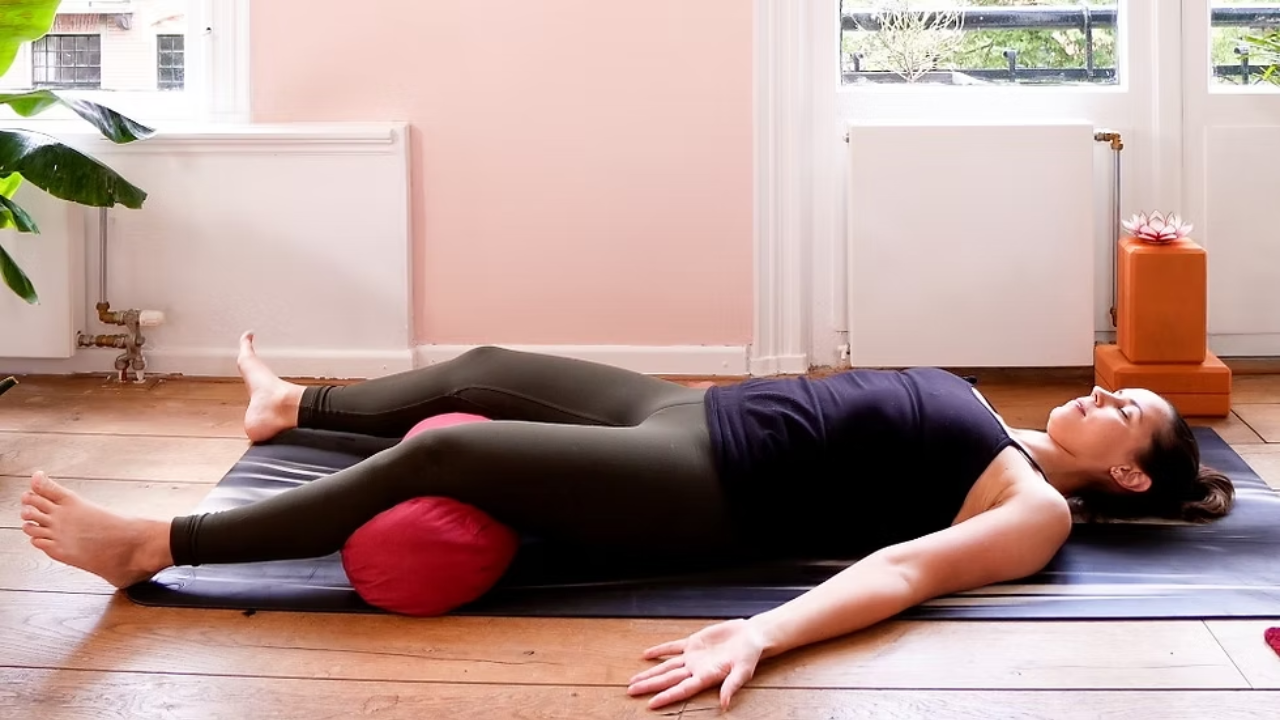
Lying flat on the floor is not comfortable for everyone. Back pain, pregnancy, or other physical conditions can make classic Savasana difficult. Here are easy modifications that work for everyone.
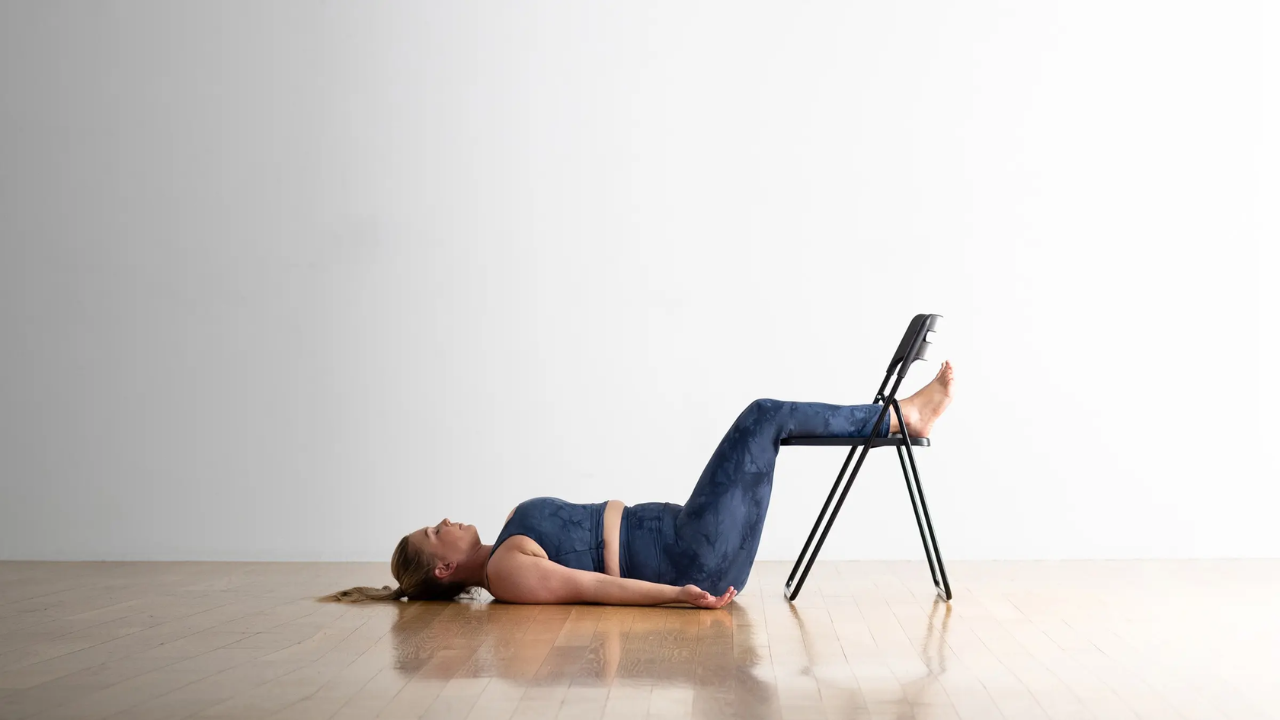
- Lower back pain: Place a bolster or folded blanket under your knees — this takes pressure off the lower back completely
- Neck discomfort: Use a thin folded blanket or small pillow under your head — keep it low, not high
- Feeling cold: Cover yourself with a light blanket before you begin — you want to be warm enough to fully relax
- Pregnancy (second and third trimester): Do not lie flat on your back — lie on your left side with a pillow between your knees and a bolster supporting your belly
- Anxiety or trauma (lying down feels unsafe): Try Savasana seated in a chair — feet flat on the floor, hands on thighs, eyes closed, spine upright but relaxed
Savasana vs Yoga Nidra — What Is the Difference?
Many people confuse Savasana and Yoga Nidra. They both involve lying down. They both feel deeply relaxing. But they are quite different in purpose and depth.
- Savasana: A rest pose done at the end of yoga — you relax consciously, body and mind settle, no guided instructions needed
- Yoga Nidra: A full guided meditation practice done lying down — involves body scanning, breath awareness, visualisation, and setting a Sankalpa (intention)
- Duration: Savasana is 5–15 minutes. Yoga Nidra is typically 20–45 minutes
- Depth: Savasana aims for physical relaxation. Yoga Nidra takes you into the hypnagogic state — the edge between sleep and waking
- Best for beginners: Both are beginner-friendly. Start with Savasana. Then explore Yoga Nidra once you feel comfortable lying still
Think of Savasana as the doorway. Yoga Nidra is a full journey through it. Both are beautiful — and both deserve a regular place in your practice.
Tips to Make Savasana Actually Work for You
These small things make a real difference — especially if you have a busy mind or struggle to stay still.
- Use an eye pillow: Even a folded piece of cloth over your eyes blocks light and sends an instant signal to your brain to slow down
- Try soft background sound: Very gentle nature sounds or silence both work well — avoid music with lyrics as it keeps the thinking mind active
- Practice at the same time each day: Consistency trains your nervous system — over time your body will begin to relax the moment you lie down
- Do a body scan first: Consciously tense and then release each muscle group before settling into stillness — this helps the body actually let go
- Give yourself permission to do nothing: This is the hardest part for most people. You are allowed to rest. You do not need to be productive right now. This is the practice.
- Do not judge your Savasana: Some days your mind is calm. Some days it races. Both are fine. Both are practice. There is no such thing as a "bad" Savasana — only a skipped one.
Frequently Asked Questions — Savasana (Corpse Pose) Guide
Conclusion
Savasana is the simplest pose in yoga — and also the deepest. It does not ask anything from your body. It only asks one thing from your mind — just be still. That is the practice. That is the challenge. And that is the gift.
Whether you are new to yoga or have been practising for years — do not skip Savasana. It is where your whole practice comes alive. It is where your body heals. It is where your mind finally gets to rest.
Give it 10 minutes. Every single day. And watch what changes.
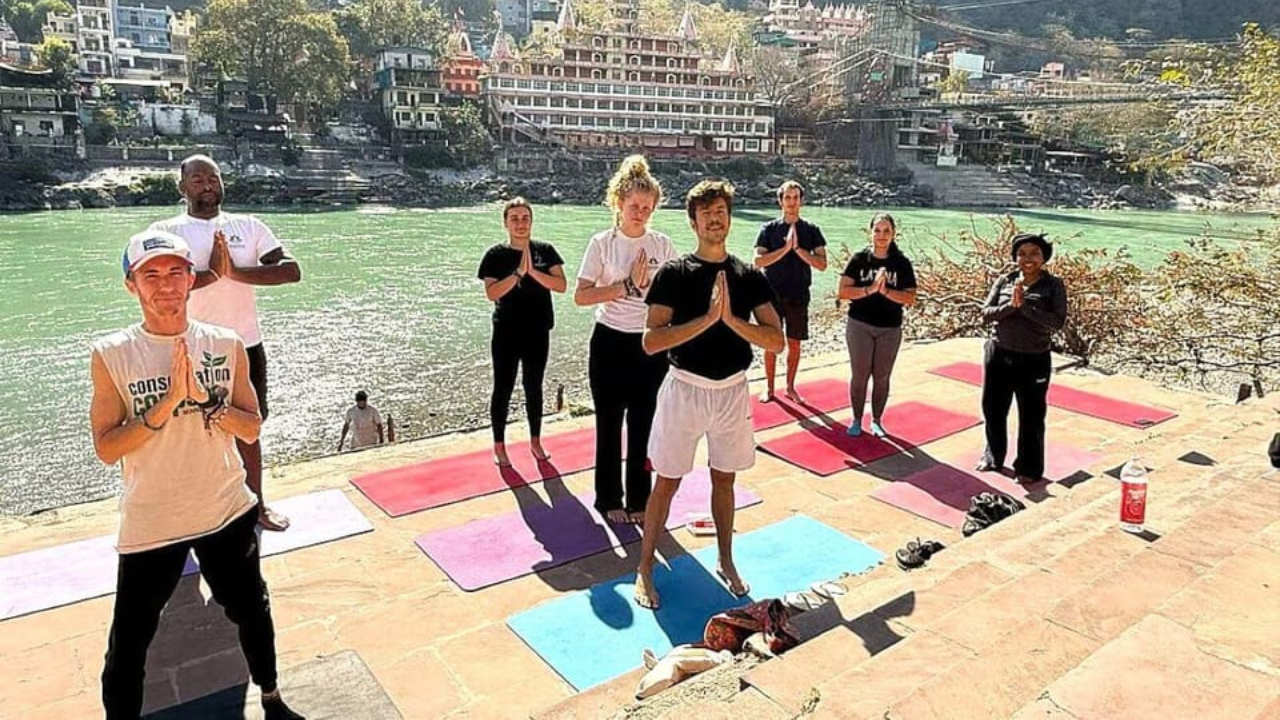
At Adishesh Yoga in Rishikesh, Savasana is not treated as an afterthought — it is a sacred part of every practice. Our teachers guide students through deep, conscious relaxation so that every session ends with full body and mind rest. If you want to experience the real power of Savasana — come practice with us.