Child’s Pose (Balasana) is a calming and gentle yoga pose that anyone can practice at home. This resting pose relaxes the body and mind within minutes. It gently stretches the back, releases tension from shoulders and neck, and helps reduce stress and anxiety. Many yoga teachers use Balasana as a resting pose between difficult asanas. In this guide, you will learn how to do Child’s Pose step-by-step, its health benefits, common mistakes to avoid, and simple tips for beginners. It is a perfect starting yoga pose for relaxation, back pain relief, and better sleep.
What is Child's Pose (Balasana)
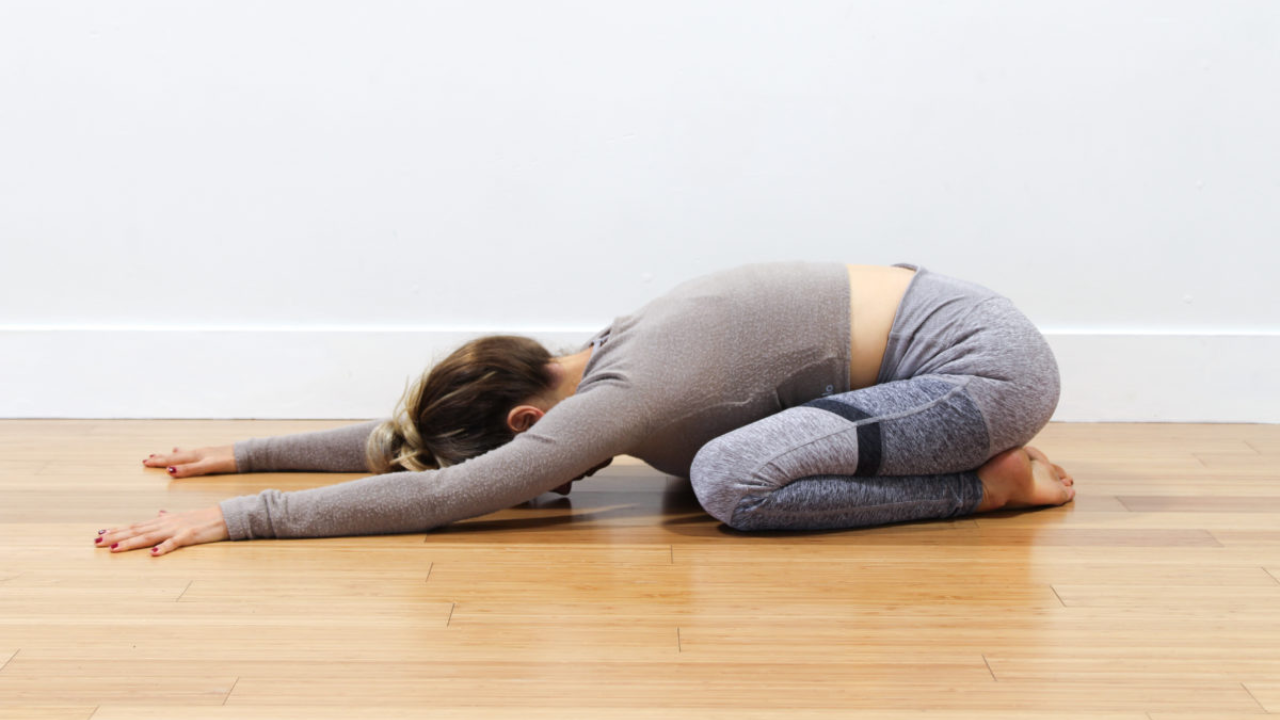
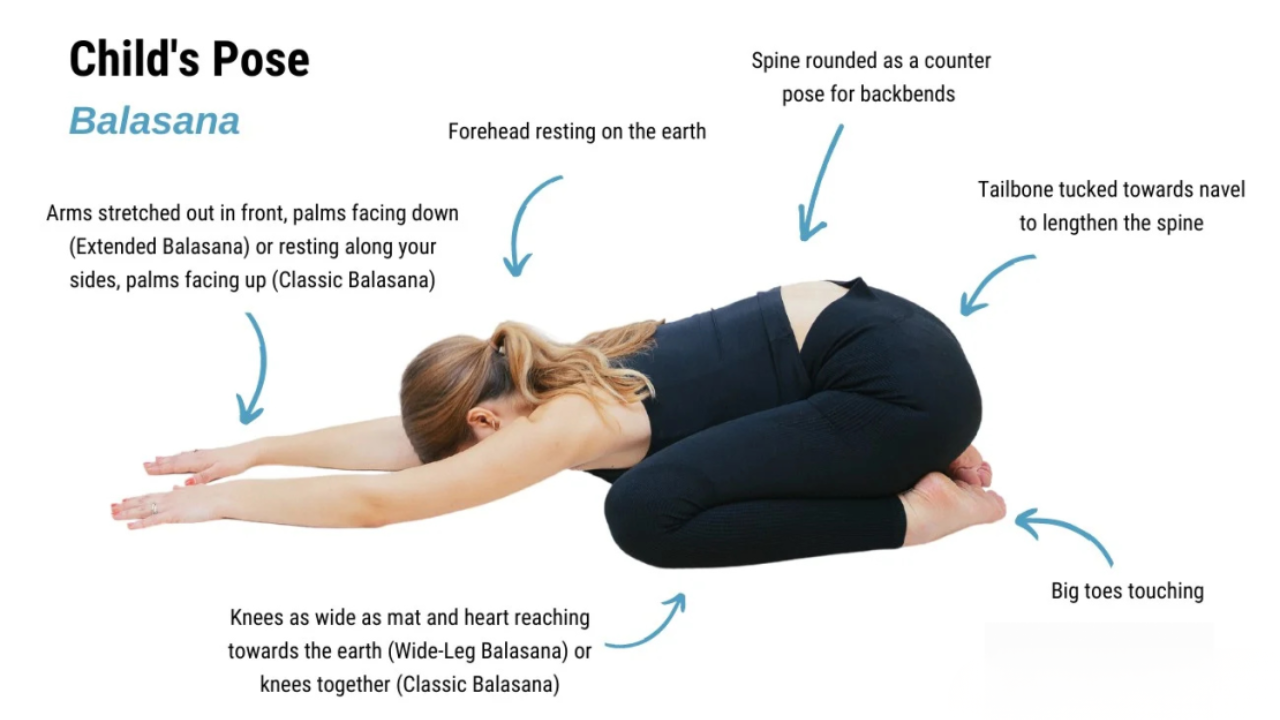
Child's Pose is a resting yoga position where you sit on your heels and fold your body forward until forehead touches the floor. The name Balasana comes from Sanskrit where "Bala" means child and "Asana" means pose. This gentle forward bend creates a safe and comfortable position that mimics how babies rest and sleep naturally.
Why This Pose is Important
- Resting Position: Used in yoga classes as recovery pose between difficult postures to bring heart rate down and catch breath easily.
- Stress Relief: Creates instant calming effect on nervous system reducing anxiety, worry and mental tension within minutes.
- Safe for Everyone: Perfect for all ages and fitness levels from complete beginners to advanced yoga practitioners.
- Daily Practice: Can be done anytime at home for quick relaxation without needing special equipment or yoga mat.
This pose teaches you to surrender and let go of control. When you fold forward and rest, you learn to relax deeply and trust the support of earth beneath you.
Who Can Practice Balasana
- Complete Beginners: No yoga experience needed. This is one of first poses taught in beginner classes.
- Office Workers: Perfect for people who sit long hours and need back and shoulder relief daily.
- Seniors: Gentle enough for older people to stretch and relax without strain or risk of injury.
Amazing Benefits of Child's Pose
Child's Pose offers many physical and mental health benefits that improve overall wellbeing. Regular practice of just 2 to 5 minutes daily can make big difference in how you feel and move through your day.
Physical Health Benefits
- Back Pain Relief: Gently stretches lower back muscles and spine releasing tension and reducing chronic back pain naturally.
- Hip Flexibility: Opens tight hips and stretches hip flexors that become stiff from long sitting hours.
- Shoulder Relaxation: Releases tension from shoulders and upper back where most people hold stress daily.
- Better Digestion: Gentle pressure on belly massages digestive organs improving bowel movement and reducing bloating.
- Improved Circulation: Forward fold position helps blood flow to brain giving feeling of calm and mental clarity.
Mental and Emotional Benefits
- Stress Reduction: Activates relaxation response in body lowering stress hormones and bringing peace of mind.
- Anxiety Relief: Calms racing thoughts and nervous feelings creating sense of safety and groundedness.
- Better Sleep: Practicing before bed relaxes body deeply helping you fall asleep faster and sleep more soundly.
- Mental Clarity: Resting position allows mind to quiet down improving focus and concentration naturally.
Step-by-Step Guide to Do Child's Pose
Follow these simple steps to practice Child's Pose correctly and safely. Take your time and move slowly into position without forcing or rushing your body.
Correct Steps for Balasana
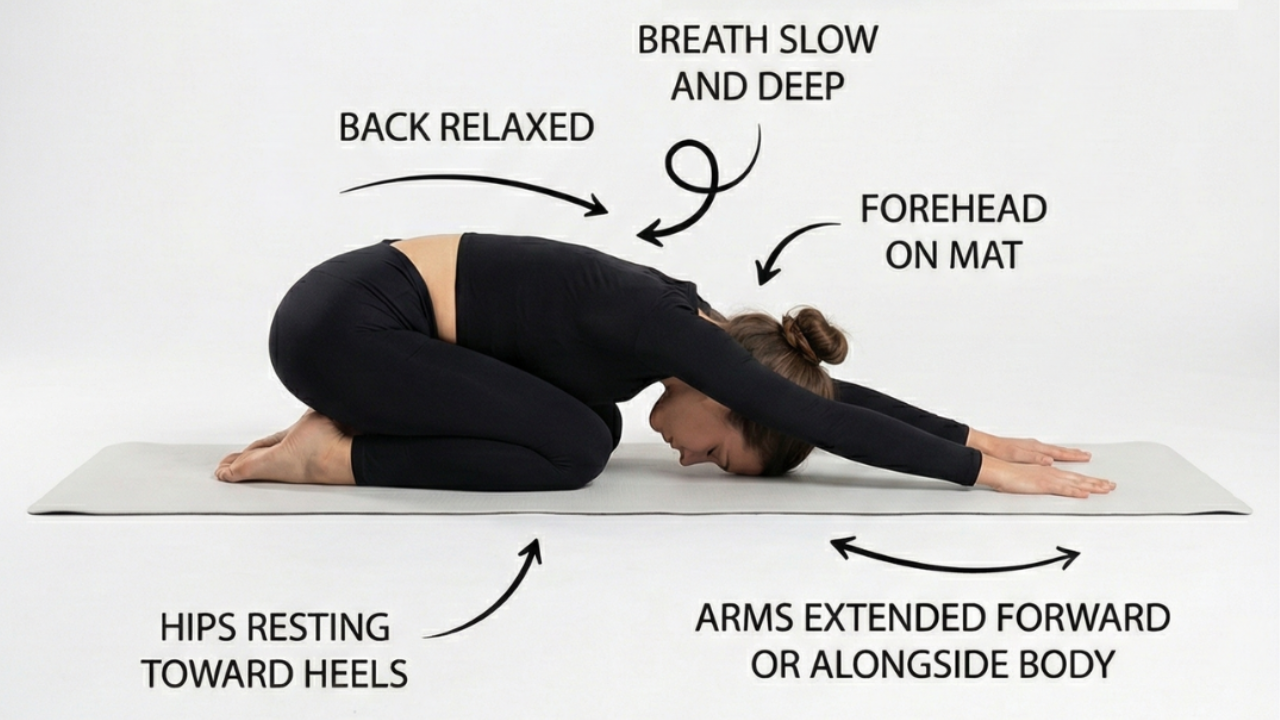
- Step 1 - Starting Position: Come to your hands and knees on floor or yoga mat. Keep hands under shoulders and knees under hips.
- Step 2 - Bring Knees Apart: Spread your knees about hip-width apart while keeping big toes touching each other behind you.
- Step 3 - Sit Back: Slowly move your hips back and down until your buttocks rest on your heels comfortably.
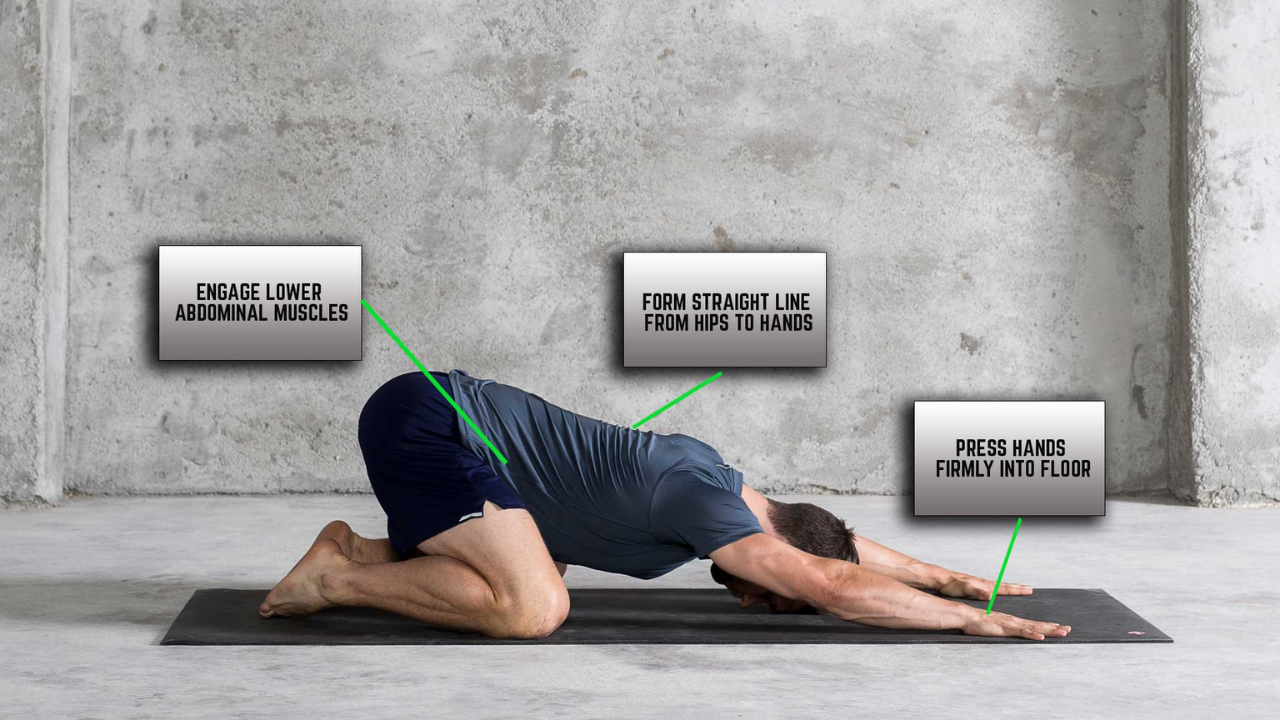
- Step 4 - Fold Forward: Exhale and gently fold your upper body forward between your thighs until forehead touches floor.
- Step 5 - Arm Position: Stretch your arms forward with palms facing down or rest them alongside body with palms facing up.
- Step 6 - Relax Completely: Close your eyes, breathe slowly and naturally, and let your whole body relax into the pose.
How Long to Hold
- Beginners hold for 30 seconds to 1 minute to start getting comfortable with position.
- Regular practice: Hold for 1 to 3 minutes to get good stretch and relaxation benefits.
- Deep relaxation: Hold for 3 to 5 minutes before bed or during meditation for maximum calming effect.
- Listen to your body. If you feel uncomfortable or pain, come out of pose gently.
Breathing Technique in Child's Pose
Correct breathing makes Child's Pose much more relaxing and effective. The way you breathe in this position directly affects how much benefit you get from the practice.
How to Breathe Properly
- Slow Deep Breaths: Breathe in slowly through nose for 4 counts filling belly with air not chest.
- Complete Exhale: Breathe out slowly through nose for 6 counts emptying lungs completely and relaxing deeper.
- Belly Movement: Feel your belly pressing against thighs on inhale and pulling away on exhale naturally.
- No Forcing: Let breathing happen naturally without forcing or holding breath at any time.
Breathing Benefits
- Deep breathing activates relaxation response reducing stress and anxiety instantly.
- Slow exhales calm nervous system and lower heart rate bringing peaceful feeling.
- Belly breathing massages digestive organs from inside improving digestion naturally.
- Focus on breath keeps mind present preventing worry about past or future.
Child's Pose Variations for Different Needs
Not everyone can do standard Child's Pose comfortably. These simple variations make pose easier for beginners or provide deeper stretch for advanced practitioners.
Easy Variations for Beginners
- With Pillow Support: Place folded blanket or pillow under forehead if you cannot reach floor comfortably.
- Knees Together: Keep knees close together instead of apart if you have tight hips or knee problems.
- Arms by Side: Rest arms alongside body with palms up if shoulders feel tight with arms forward.
- Fists Under Forehead: Stack your fists under forehead to raise head higher making breathing easier.
Deeper Variations
- Wide Knee Child's Pose: Spread knees very wide apart to stretch inner thighs and hips more deeply.
- Extended Arms: Walk hands forward as far as possible to increase stretch in shoulders and spine.
- Side Stretch: Walk both hands to left side then right side to stretch sides of body gently.
- With Props: Place yoga block under chest or forehead for supported passive stretch.
When to Practice Child's Pose
Child's Pose can be practiced anytime you need rest or relaxation. There are specific times when this pose gives maximum benefits for different health goals.
Best Times for Practice
- Morning Routine: Practice after waking up to gently wake body and stretch spine before starting day.
- Work Breaks: Take 2 minute break during work to release back and shoulder tension from sitting.
- After Exercise: Use as cool down pose after workout or yoga practice to bring heart rate down.
- Before Sleep: Practice 3 to 5 minutes before bed to calm mind and prepare body for deep sleep.
- During Stress: Do pose whenever you feel anxious, overwhelmed, or need moment of peace.
Special Situations
- During menstrual period for cramp relief and comfort.
- When feeling tired or low energy for gentle restorative rest.
- Between yoga poses during practice as recovery position.
- During meditation as comfortable seated alternative.
Common Mistakes to Avoid
Even simple pose like Child's Pose can be done incorrectly. Avoid these common mistakes to get maximum benefits and prevent any discomfort or strain.
Top Mistakes People Make
- Forcing Forehead Down: Never push head to floor if it does not reach naturally. Use pillow or block for support instead.
- Tense Shoulders: Let shoulders relax completely away from ears. Many people hold tension here without noticing.
- Holding Breath: Remember to breathe slowly and deeply throughout pose. Breath holding creates tension.
- Knees Too Close: If knees hurt when close together, spread them wider apart for more comfort.
- Rushing Position: Move slowly into pose and out of pose. Quick movements can cause strain.
Signs of Incorrect Practice
- If you feel pain in knees, hips, or back, you need to modify position with props.
- If breathing feels difficult or restricted, raise head higher or adjust position.
- If you cannot relax after 30 seconds, position is not right for your body today.
- If arms or shoulders feel strained, try different arm position that feels easier.
Safety Precautions and Contraindications
While Child's Pose is very safe for most people, some conditions require caution or modification. Always listen to your body and consult doctor if unsure.
When to Avoid or Modify
- Pregnancy: Spread knees very wide to make space for belly. Keep head elevated if feeling dizzy.
- Knee Injury: Place thick cushion between buttocks and heels to reduce pressure on knee joints.
- High Blood Pressure: Keep head raised on pillow or folded blanket above level of heart.
- Ankle Problems: Roll small towel under ankles for support or sit on heels with cushion between.
- Diarrhea: Skip this pose as pressure on belly can make symptoms worse.
General Safety Tips
- Never practice on full stomach. Wait at least 2 to 3 hours after meal.
- Use soft surface like yoga mat or carpet to protect knees and forehead.
- Come out of pose slowly if you feel dizzy, breathless, or uncomfortable.
- Start with short holds and gradually increase time as body becomes comfortable.
Child's Pose for Back Pain Relief
Child's Pose is one of best yoga poses for back pain because it gently stretches entire spine and releases tension from lower back muscles without any strain.
How It Helps Back Pain
- Spine Decompression: Forward fold creates space between vertebrae reducing pressure on spinal discs.
- Muscle Relaxation: Gravity helps release tight back muscles that cause pain and stiffness.
- Gentle Stretch: Unlike intense stretches, this pose provides mild stretch that is safe for sensitive backs.
- Pain Relief: Regular practice for 2 to 3 minutes reduces chronic back pain naturally over few weeks.
Special Tips for Back Pain
- Place pillow or bolster under chest and belly for extra support and comfort.
- Keep knees wider apart if lower back feels tight or uncomfortable.
- Focus on lengthening spine gently with each exhale breath.
- Practice 2 to 3 times daily when back pain is active for relief.
Conclusion
Child's Pose (Balasana) is a simple yet powerful yoga practice that offers deep relaxation and healing for both body and mind. This gentle resting position can be done by anyone regardless of age, flexibility, or fitness level, making it perfect for beginners starting their yoga journey. Regular practice of just 2 to 5 minutes daily brings amazing benefits including back pain relief, stress reduction, better sleep, improved flexibility, and mental peace.
The ancient wisdom of yoga teaches us that true strength comes not from constant doing but from knowing when to rest and surrender. At
Adishesh Yoga Retreats in Rishikesh, we honor the traditional teachings of yoga while making them accessible for modern life. Child's Pose reminds us to slow down, breathe deeply, and return to the natural state of ease and comfort that exists within all of us.