Choosing the right trekking shoes is one of the most important decisions you'll make before hitting the trails. Good shoes keep your feet comfortable, prevent injuries, and make your trek enjoyable. Bad shoes can ruin your entire adventure with blisters, pain, and slipping.
Quick Answer: Best Trekking Shoes
Choose mid-ankle trekking shoes with good grip, waterproof material, and proper fit. They should feel snug but not tight, with a thumb's width space at the front. Always break them in for 2-3 weeks before your trek to avoid painful blisters.
Why Trekking Shoes Matter
Your feet carry your entire body weight on uneven mountain trails. Regular sports shoes don't provide enough support or protection for rocky paths and steep climbs.
Good trekking shoes protect your feet from stones, water, and cold weather. They give ankle support to prevent twists and falls. The right grip stops you from slipping on wet or muddy trails.
Poor quality shoes cause blisters, foot pain, and injuries. They can force you to stop your trek early. Investing in proper trekking shoes saves money and makes your adventure safer.
Types of Trekking Shoes
Low-Ankle Trekking Shoes
These look like sports shoes but have better grip and tougher material. They're light and comfortable for easy trails and day treks. Not suitable for rocky or steep mountain paths.
Mid-Ankle Trekking Boots
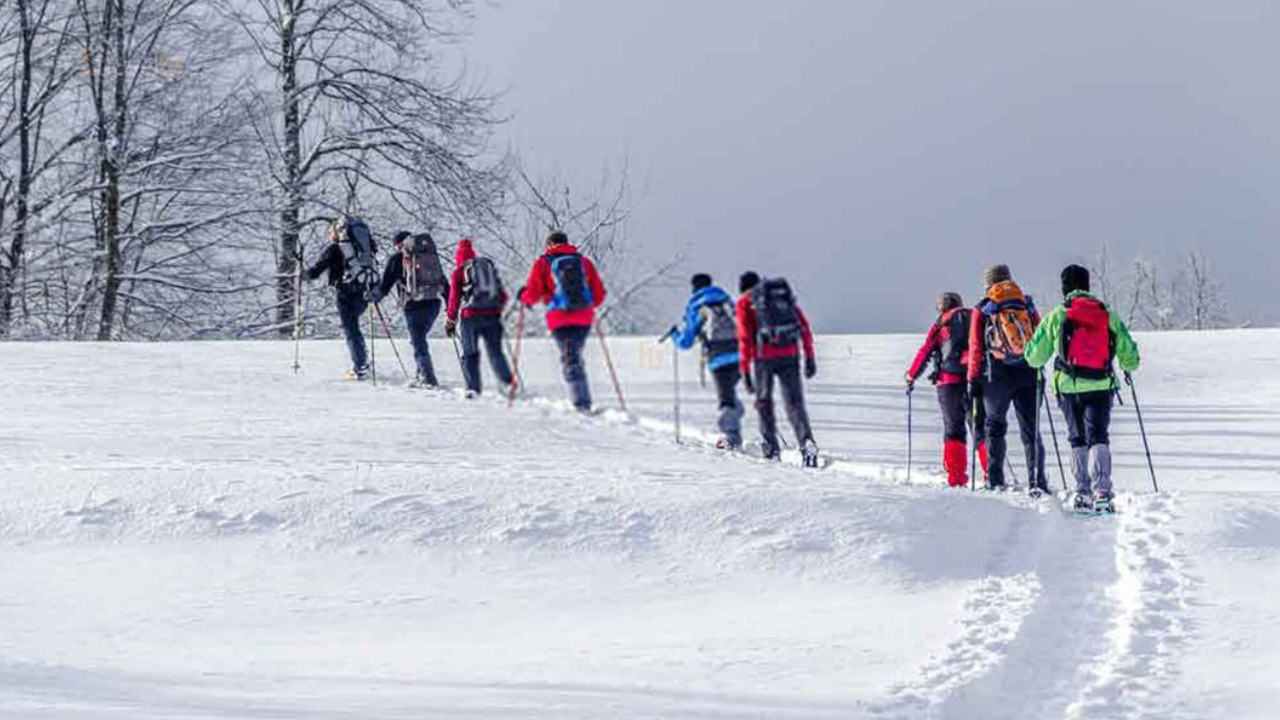
Best choice for beginners and most treks. They cover your ankle for extra support and protection. Perfect for Himalayan treks with moderate difficulty. Heavier than low-ankle shoes but much safer.

High-Ankle Trekking Boots
Heavy-duty boots for difficult treks and snow terrain. They provide maximum ankle support and warmth. Beginners usually don't need these unless doing very challenging high-altitude treks.
How to Choose the Right Fit
Size and Spacing
Leave a thumb's width (about 1-1.5 cm) space between your longest toe and the shoe front. This prevents toes from hitting the shoe during downhill walking. Your toes should move freely inside.
Heel Lock Test
Your heel should not slip up and down when you walk. Lace the shoes properly and walk around the store for 10-15 minutes. If your heel moves, try a smaller size or different brand.
Try With Trekking Socks
Always wear thick trekking socks when trying shoes. Regular thin socks give wrong fitting. Trekking socks are thicker, so shoes that fit with normal socks will feel tight on treks.
Test at End of Day
Your feet swell during the day and during long walks. Try shoes in the evening when feet are slightly bigger. This ensures comfortable fit during actual trekking.
Sole, Grip, and Comfort
Sole Stiffness
The sole should be semi-stiff, not completely hard or too soft. Stiff soles protect feet from sharp rocks but can be uncomfortable. Soft soles feel good but don't protect enough on mountain trails.
Grip Pattern
Look for deep grooves and patterns on the sole. Good grip prevents slipping on wet rocks, mud, and loose stones. Vibram soles are popular and reliable for most trekking conditions.

Waterproof Material
Choose shoes with waterproof coating or Gore-Tex material. They keep feet dry during rain and when crossing streams. Wet feet get blisters easily and feel uncomfortable in cold weather.
Weight of Shoes
Heavy shoes tire your legs quickly on long treks. But very light shoes don't protect enough. Find a balance between protection and weight based on your trek difficulty.
Breathability
Feet sweat a lot during trekking. Shoes need small air holes for ventilation. But remember, more breathable shoes are less waterproof. Choose based on the weather you'll face.
Final Tips for Beginners
Break In Your Shoes
Never wear new shoes directly on a trek. Wear them for 2-3 weeks before your trip. Walk 5-10 km daily in your new trekking shoes. This softens the material and prevents painful blisters.
Budget Wisely
Good trekking shoes cost ₹3,000-₹8,000 in India. Don't buy very cheap shoes below ₹2,000 as they lack quality and durability. Consider it an investment in your safety and comfort.
Check Brand Reputation
Stick to trusted brands like Wildcraft, Quechua, Columbia, or Woodland for Indian conditions. Read reviews from other trekkers. Avoid unknown brands even if they're cheaper.
Replace When Needed
Trekking shoes last 500-800 km of walking. Check sole grip regularly. If the tread pattern is worn out or if shoes feel uncomfortable, it's time to buy new ones.
Don't Compromise on Fit
Even if a shoe has all features but doesn't fit perfectly, don't buy it. Wrong fit causes more problems than any other factor. Comfort is more important than brand name or looks.
Trek Preparation at Adishesh Yoga Rishikesh
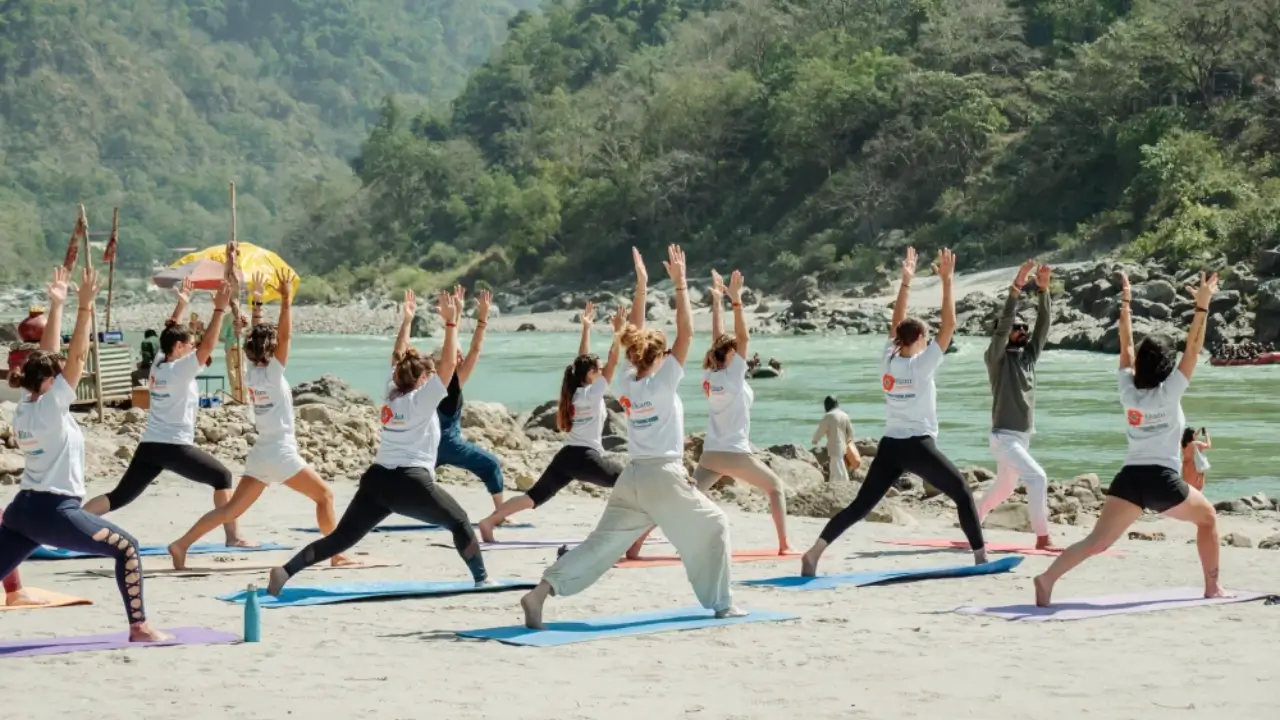
Adishesh Yoga Rishikesh does not organize treks, but we help yoga students and beginners prepare for Himalayan trekking. Through Kundalini Yoga in Rishikesh, students learn how to choose the right trekking shoes, basic gear, and build physical readiness before going on a trek.
How We Help
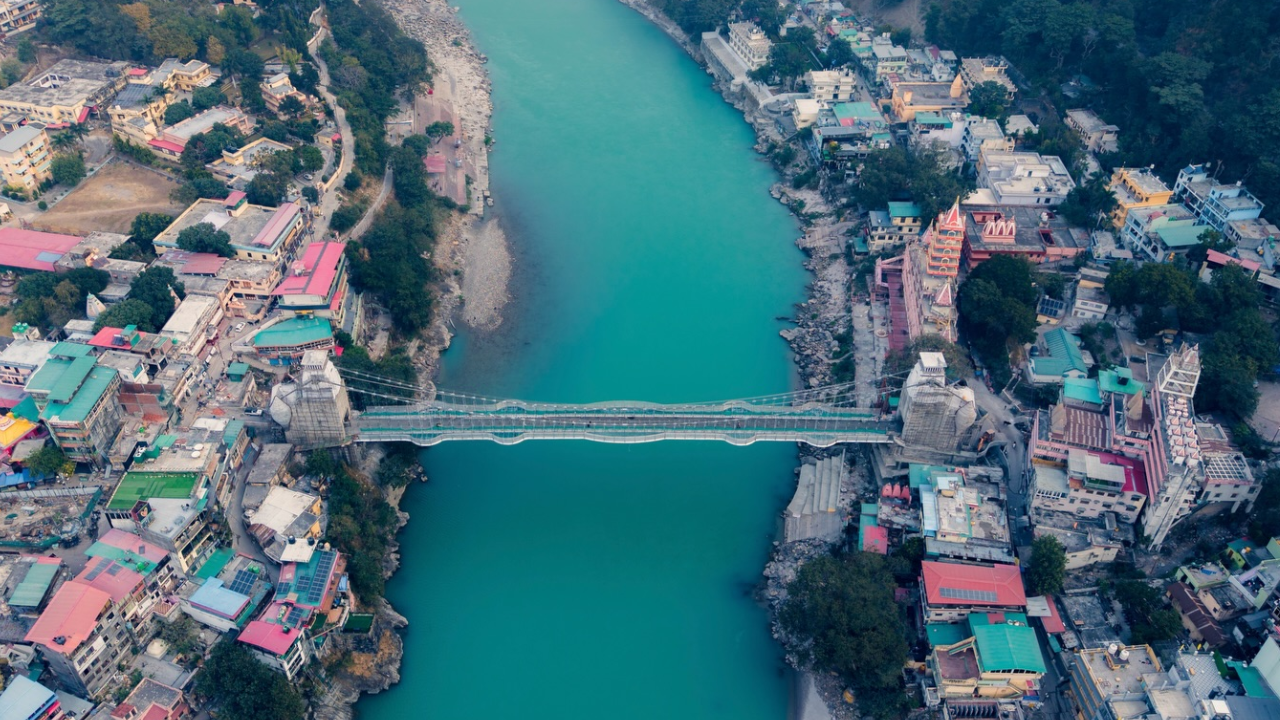
Located in Rishikesh, near the Himalayan foothills, we guide students on proper footwear selection, shoe fitting, and comfort for mountain walks. Our yoga practices focus on improving strength, flexibility, and breathing capacity.
Through yoga, pranayama, and body awareness practices included in our 9 Days Himalayan Hiking Yoga Retreat, students learn how to improve balance, stamina, and foot care. This preparation supports better endurance and helps reduce fatigue and injury risk during independent trekking experiences.
Frequently Asked Questions
What type of trekking shoes should beginners buy?
Beginners should choose mid-ankle trekking shoes with good grip and waterproof features. They offer ankle support, comfort, and protection for most trails without being too heavy.
How should trekking shoes fit properly?
Trekking shoes should fit snugly but not tight. Leave a thumb's width space at the front. Your heel should not slip, and toes should move freely. Always try shoes with trekking socks.
Can I use regular sports shoes for trekking?
Regular sports shoes lack proper grip, ankle support, and waterproofing needed for mountain trails. They wear out quickly on rocky terrain and don't protect feet properly during long treks.
How much should I spend on trekking shoes?
Good quality trekking shoes cost between ₹3,000-₹8,000. Invest in a reliable brand with proper features rather than buying cheap shoes that may cause injuries or discomfort on trails.
Start Your Trek with the Right Footwear
Choosing the right trekking shoes makes your mountain adventure safe and enjoyable. Focus on proper fit, good grip, waterproof material, and ankle support. Don't rush the decision—take time to try different options and find what feels best for your feet.
Remember to break in your new shoes before the trek. Walk in them for 2-3 weeks to avoid painful blisters on the trail. Good trekking shoes are an investment that protects your feet and enhances your entire trekking experience.
Ready to explore the Himalayas? Join Adishesh Yoga Rishikesh for guided treks with expert advice on gear, preparation, and safe mountain practices. Experience the beauty of mountain trails with professional support.
This guidance is based on real experiences of students practicing yoga and walking Himalayan trails around Rishikesh.