Your body feels tired — but it is not from running or working hard. It is tired from too many thoughts. From worrying. From holding emotions inside. Stress, anxiety, and overthinking are the new silent diseases of this generation. Most people feel it every single day — and do not know what to do. The answer is simple. Your mind needs a detox — just like your body. And yoga is the most powerful tool to do that. This guide explains how mental and emotional detox yoga works, which poses and breathing exercises help the most, and how to start today — even if you are a complete beginner.
What Is Mental Detox Yoga?
Mental detox yoga is not a special type of yoga. It is the right way of using yoga to clean your mind. Just like food detox removes toxins from your body — mental detox yoga removes stress, fear, and stuck emotions from your mind and nervous system.
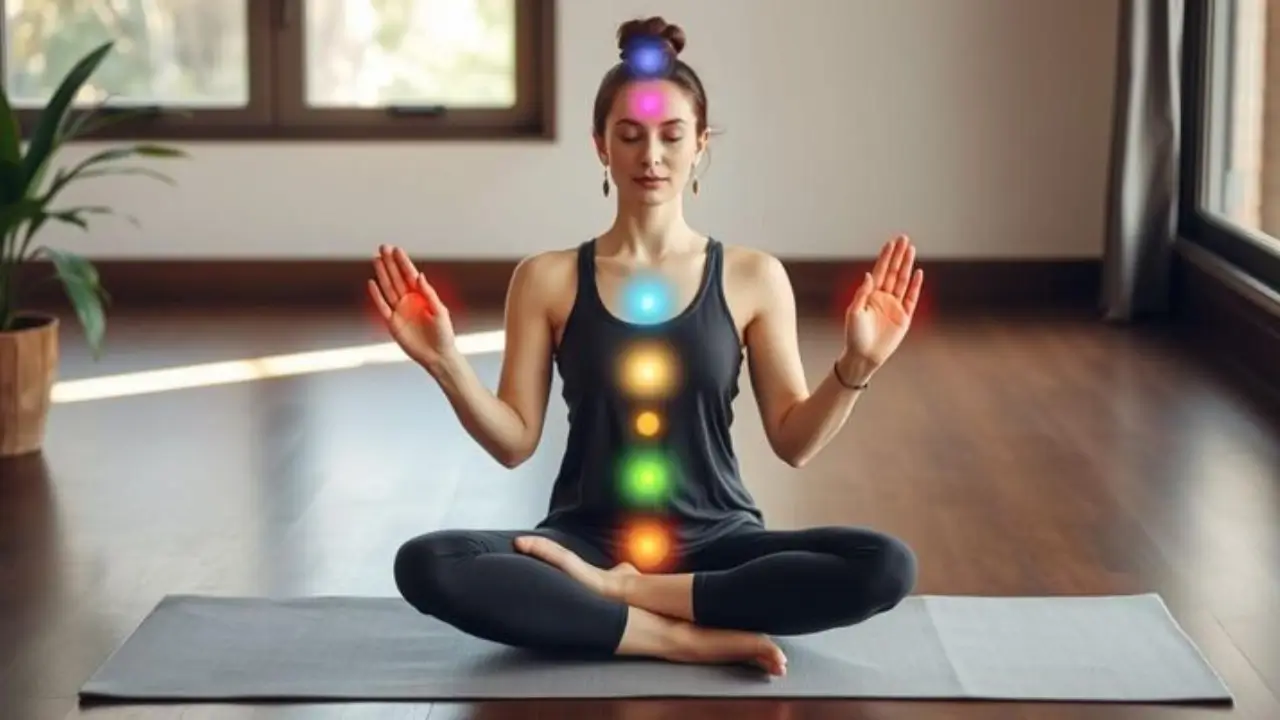
In yoga tradition, the mind is called Manas. When Manas is overloaded with worries and old emotions — it blocks your energy, your peace, and your health. Mental detox yoga calms Manas. It creates space in the mind. It brings you back to the present moment — where there is no stress, only peace.
Signs You Need a Mental Detox
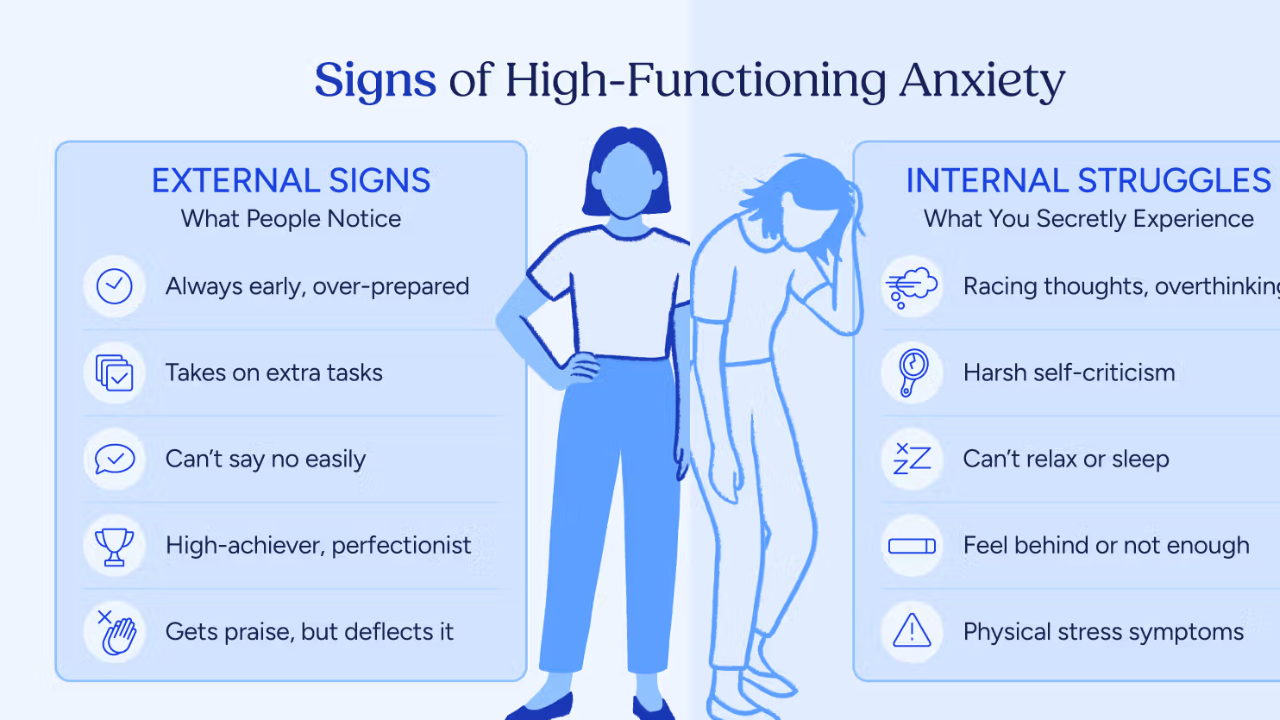
- Overthinking All the Time: Your brain never stops. You replay conversations, worry about future, and feel mentally exhausted — even after sleeping.
- Feeling Anxious Without Reason: Your heart beats fast. Stomach feels tight. You feel nervous but do not know why. This is your nervous system stuck in stress mode.
- Emotional Heaviness: Feeling sad, angry, or empty without a clear reason. Old emotional wounds keep coming back. Small things trigger big reactions.
- Poor Sleep: You cannot sleep easily. Mind is still running at 1 AM. You wake up tired even after 8 hours of sleep.
- No Joy in Daily Life: Things that used to make you happy feel boring now. You feel disconnected from yourself and from life. This is emotional burnout.
How Yoga Heals the Mind and Emotions
Many people think yoga is just stretching. But yoga works much deeper than that. Yoga directly changes your brain chemistry and your nervous system. This is now proven by modern science — and it matches exactly what yoga teachers have said for thousands of years.
When you are stressed, your body is in fight-or-flight mode. Cortisol — the stress hormone — is high. Heart beats fast. Breathing is shallow. Digestion stops. Muscles are tight. Yoga reverses all of this. It activates the parasympathetic nervous system — the rest and heal mode. Within minutes, cortisol drops, heart slows, and the mind feels calmer.
What Yoga Actually Does to Your Brain
- Lowers Cortisol: Just 30 minutes of yoga reduces the stress hormone cortisol by up to 30%. This alone makes you feel significantly calmer and less anxious.
- Increases GABA: GABA is the brain's natural calming chemical. Yoga increases GABA levels — the same way anti-anxiety medicines work — but naturally and without side effects.
- Shrinks the Fear Center: The amygdala is the part of the brain responsible for fear and anxiety. Regular yoga practice physically shrinks the amygdala over time. You become less reactive to stress and fear.
- Strengthens the Calm Center: The prefrontal cortex — responsible for clear thinking and emotional control — grows stronger with yoga. You make better decisions and feel more in control.
- Releases Stored Emotions: Emotions like sadness, fear, and old trauma are stored in the body — especially in the hips, chest, and shoulders. Specific yoga poses physically release these stored emotions. This is why some people cry during yoga — and feel much lighter after.
Best Yoga Poses for Mental Detox
Not all yoga poses work equally for the mind. Some poses are especially powerful for calming stress, releasing emotions, and stopping the cycle of overthinking. Here are the best ones — explained in simple words so any beginner can start today.
For Stress and Anxiety
- Balasana (Child's Pose): Sit on knees and bend forward. Arms stretched ahead or resting beside the body. Hold for 2 to 3 minutes. This pose calms the nervous system faster than almost anything else. It is the most powerful pose for instant stress relief.
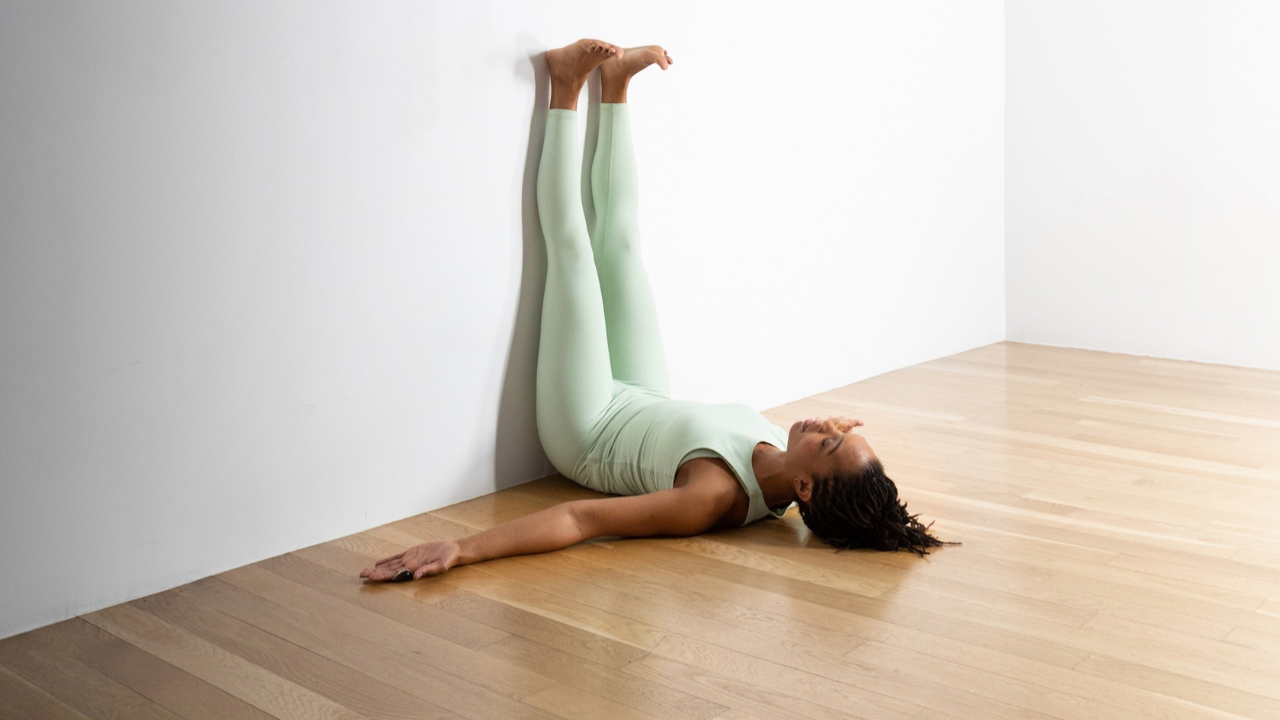
- Viparita Karani (Legs Up the Wall): Lie on your back and put both legs up against a wall. Stay for 5 to 10 minutes. This pose drains tension from the legs and lower back. It activates the vagus nerve — the body's natural off switch for stress.
- Shavasana (Corpse Pose): Lie flat on your back. Close eyes. Do nothing. Stay for 10 minutes. This is the most underrated pose in yoga. Done properly, it resets the entire nervous system. Never skip Shavasana — especially during mental detox practice.
- Paschimottanasana (Seated Forward Bend): Sit and slowly bend forward. Try to touch your feet. Hold for 30 to 60 seconds. This pose calms the brain, stretches the spine, and reduces fatigue from overthinking.
For Emotional Detox and Releasing Old Pain
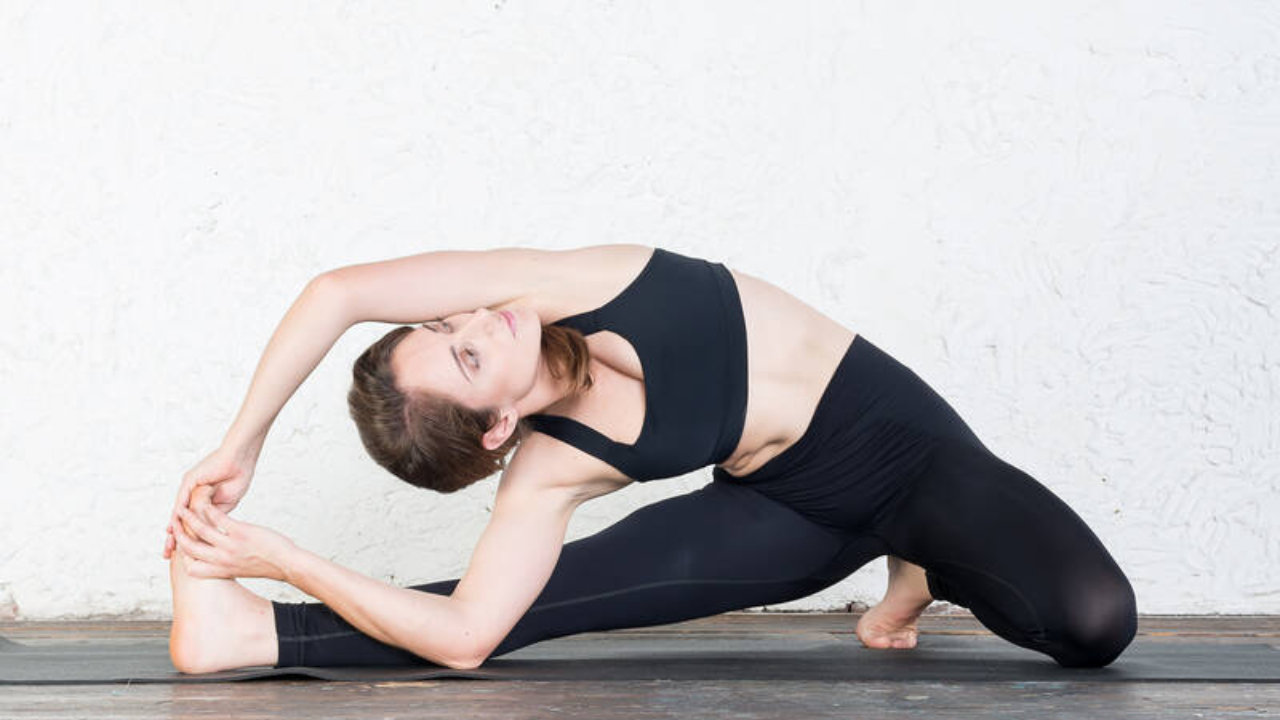
- Pigeon Pose (Eka Pada Rajakapotasana): One knee bent forward, other leg stretched back. Hold for 2 to 3 minutes each side. The hips are where the body stores most of its emotional pain. Pigeon pose directly targets this area. It is normal to feel emotional or even cry during this pose — that is the detox working.
- Ustrasana (Camel Pose): Kneel and bend back. Hands reach for the heels. Hold for 30 seconds. This heart-opening pose releases grief, sadness, and emotional heaviness stored in the chest. Many people feel a sudden rush of emotion followed by deep relief.
- Bhujangasana (Cobra Pose): Lie face down. Slowly lift the chest up with arms. Hold for 20 to 30 seconds. Opens the chest and lungs. Releases feelings of being stuck or emotionally suffocated. Very good for low mood and mild depression.
- Supta Baddha Konasana (Reclined Butterfly): Lie on back. Bring soles of feet together. Let knees open to the sides. Stay for 5 minutes. This gentle pose relaxes the entire pelvis — an area loaded with stored anxiety and emotional tension.
For Overthinking and Mental Restlessness
- Tadasana (Mountain Pose): Stand straight. Feel both feet on the ground. Breathe slowly. Close eyes. Stay for 2 minutes. This grounding pose connects the mind to the present moment. Overthinking happens when the mind is in the future or past — this pose brings it back to NOW.
- Vrikshasana (Tree Pose): Stand on one leg. Other foot rests on inner thigh. Focus on one point. Hold for 30 to 60 seconds each side. Balance requires complete focus. This pose forces the mind to stop thinking and start being present. A very simple and effective cure for overthinking.
- Marjaryasana-Bitilasana (Cat-Cow Stretch): On hands and knees. Slowly arch up like a cat, then dip down like a cow. Move with breath. Do 10 to 15 rounds. The gentle spinal movement with breathing creates a natural sedating effect on the nervous system. Great for calming a busy, restless mind.

Best Pranayama for Stress and Anxiety
In yoga, breathing is more powerful than any pose. Pranayama — the science of breath control — is the fastest way to calm the mind. When you control the breath, you directly control the nervous system. This is the secret that most people do not know.
You cannot think a stress attack away. But you can breathe it away. These pranayamas work in minutes — not weeks.
Top 6 Pranayamas for Mental Detox
- Nadi Shodhana (Alternate Nostril Breathing): Close right nostril, breathe in through left. Close left, breathe out through right. Alternate. Do 10 rounds. This balances the left and right brain hemispheres. Anxiety reduces almost immediately. Best pranayama for daily mental detox.
- Bhramari (Humming Bee Breath): Close ears with thumbs. Breathe in deeply. Breathe out making a humming sound like a bee. Do 5 to 7 rounds. This is the fastest anxiety relief in yoga. The vibration of the hum activates the vagus nerve. Many people feel their mind go silent within 3 rounds.
- 4-7-8 Breathing: Breathe in for 4 counts. Hold for 7 counts. Breathe out for 8 counts. Do 4 rounds. The long exhale activates the parasympathetic nervous system. This technique is used worldwide for panic attacks, anxiety, and sleep problems. Simple and very effective.
- Anulom Vilom: Similar to Nadi Shodhana but without breath retention. Slow, steady alternate nostril breathing for 5 to 10 minutes. Clears energy channels in the body. Removes mental fog, improves focus, and reduces chronic worry over time.
- Sheetali (Cooling Breath): Roll the tongue into a tube. Breathe in through the rolled tongue. Close mouth and breathe out through nose. Do 10 rounds. This breath has a cooling, calming effect on the mind and body. Especially good when anger or hot emotions like frustration are present.
- Diaphragmatic Breathing (Belly Breathing): Place one hand on the belly. Breathe in and feel belly rise. Breathe out and feel belly fall. Do this for 5 minutes. Most people breathe into the chest — which keeps the stress response activated. Belly breathing immediately shifts the body into relaxation mode.
Practice these pranayamas every morning before yoga and every night before bed. Results are noticeable from the very first session. With daily practice, anxiety and overthinking reduce dramatically within 2 weeks.
Complete Daily Mental Detox Yoga Routine
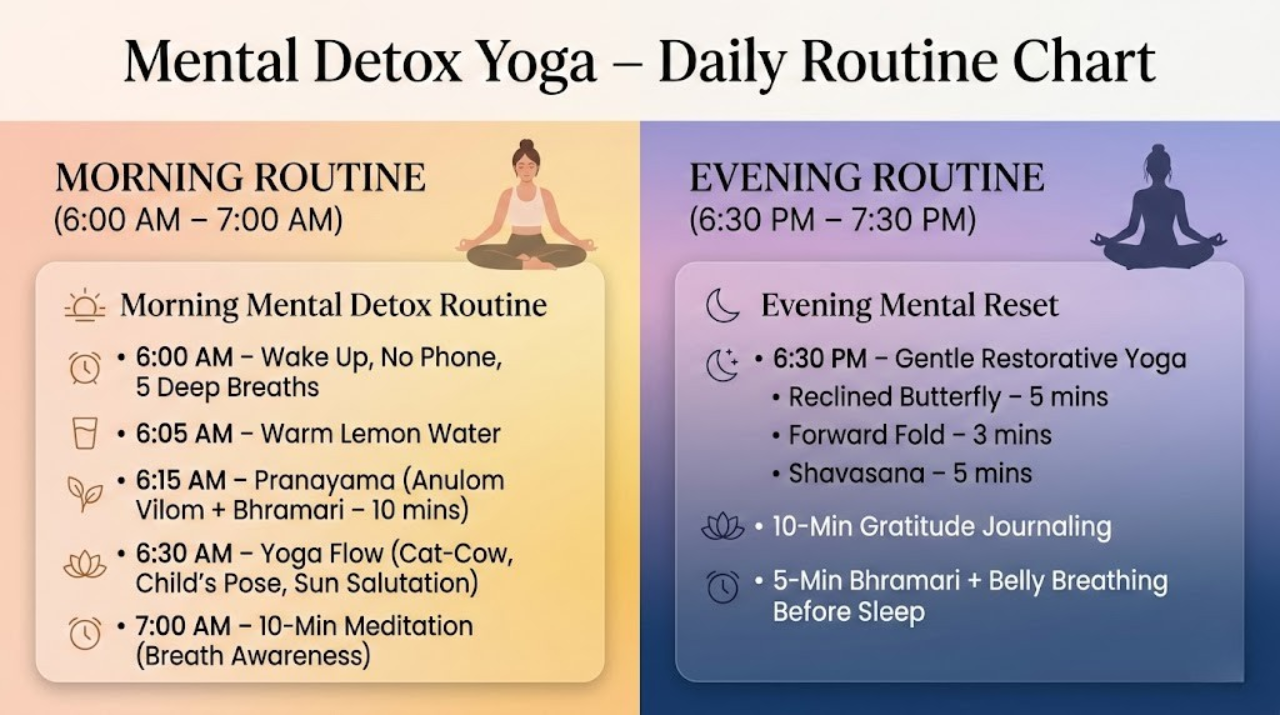
Here is a full daily routine that combines yoga poses, pranayama, and meditation for complete mental and emotional detox. This routine takes only 45 to 60 minutes. Anyone can follow it — even a complete beginner.
Morning Routine (6 AM to 7 AM)
- Wake Up (6 AM): Do not check your phone. Sit quietly for 2 minutes. Take 5 slow deep breaths. Set a simple positive intention for the day — just one word like peace, calm, or strength.
- Warm Water (6:05 AM): Drink one glass warm water. Add lemon and honey if you like. This wakes up the digestive system and starts the body's morning cleanse.
- Pranayama (6:15 AM — 10 Minutes): Start with 5 minutes of Anulom Vilom. Then 5 rounds of Bhramari. This prepares the mind for yoga practice and clears morning mental fog completely.
- Yoga Practice (6:30 AM — 30 Minutes): Start with Cat-Cow for 2 minutes. Then Child's Pose for 3 minutes. Then 5 rounds of Sun Salutation at a slow pace. Then hold any two emotional release poses — like Pigeon Pose or Camel Pose — for 2 to 3 minutes each. End with Legs Up the Wall for 5 minutes.
- Meditation (7 AM — 10 Minutes): Sit comfortably. Close eyes. Focus on the natural breath. When mind wanders, gently bring it back. Do not fight thoughts — just watch them and let them pass. This 10-minute practice gives more mental clarity than 1 hour of thinking.
Midday Reset (If Feeling Stressed at Work)
- Take a 5-minute break. Go outside if possible. Do 10 rounds of 4-7-8 breathing. This mini reset neutralizes midday stress and anxiety before it builds up into evening burnout.
- Stretch your neck gently side to side. Roll shoulders back 5 times. These simple movements release tension that builds in the neck and shoulders from stress and screen time.
Evening Routine (6:30 PM to 7:30 PM)
- Gentle Yoga (20 Minutes): Focus on restorative poses. Reclined Butterfly for 5 minutes. Seated Forward Bend for 3 minutes. Supine Spinal Twist each side for 2 minutes. Child's Pose for 3 minutes. End with 5 minutes of Shavasana.
- Journaling (10 Minutes): Write down 3 things you are grateful for. Write one emotion you felt today and why. This practice releases emotional pressure and creates mental clarity before sleep.
- Pranayama Before Bed (5 Minutes): Do 5 rounds of Bhramari. Then switch to natural belly breathing. Let the body become heavy and relaxed. This signals the brain that the day is done and it is safe to rest.
Yoga Nidra: The Deep Sleep of the Mind
Yoga Nidra is one of the most powerful tools for mental and emotional detox. It is also called yogic sleep. You lie down completely still while a guided voice takes you into a state between sleeping and waking. In this state, the subconscious mind opens up and emotional blockages dissolve naturally.
Research shows that 30 minutes of Yoga Nidra is equal to 3 to 4 hours of regular sleep in terms of rest and nervous system recovery. It is used in hospitals, military rehabilitation, and trauma therapy around the world.
Benefits of Yoga Nidra for Mental Detox
- Removes Deep Stress: Regular Yoga Nidra removes layers of deep stress that regular sleep cannot reach. Even chronic stress from years ago begins to dissolve.
- Heals Emotional Trauma: The state of Yoga Nidra allows the brain to safely process and release old emotional pain. It is one of the gentlest ways to heal trauma without re-experiencing it consciously.
- Stops Overthinking at Night: Many people practice Yoga Nidra at bedtime to calm a racing mind. It is highly effective for people who cannot stop thinking at night and struggle to fall asleep.
- Improves Mood and Outlook: Regular practice increases serotonin and dopamine — the brain's happiness chemicals. People feel more positive, motivated, and emotionally balanced over time.
How to start: Simply lie down on your back. Close eyes. Listen to a guided Yoga Nidra audio. Many free sessions are available online. Start with a 20-minute session. Practice every night before sleep for best results. Most people feel a difference from the very first session.
Habits That Make Mental Detox Yoga Work Better
Yoga is powerful. But what you do outside of yoga matters just as much. These daily habits support the mental detox process and help you stay calm, clear, and emotionally strong — all day long.
10 Daily Habits for Mental and Emotional Health
- Habit 1 — No Phone First Thing: Do not check your phone for the first 30 minutes after waking up. Your mind is freshest in the morning. Protect that time. Use it for breathing or meditation instead.
- Habit 2 — Digital Sunset: Stop all screens — phone, TV, laptop — at least 1 hour before bed. Screen light and digital stimulation keep the brain in stressed, alert mode. This is one of the biggest causes of poor sleep and anxiety today.
- Habit 3 — Spend Time in Nature: Even 15 to 20 minutes outside in sunlight and fresh air dramatically reduces cortisol and improves mood. Walk barefoot on grass if possible. Grounding — or Earthing — directly calms the nervous system.
- Habit 4 — Eat Light, Fresh, Warm Food: Heavy, oily, processed food creates mental fog. A Sattvic diet — fresh, simple, and warm — keeps the mind clear and calm. What you eat directly affects your mood and mental energy.
- Habit 5 — Hydrate Well: Dehydration increases anxiety and irritability. Drink 2 to 3 liters of water daily. Start with warm water in the morning. Avoid cold drinks which weaken digestion and create heaviness in the body.
- Habit 6 — Limit News and Social Media: Constant news and social media create mental pollution. Your mind is absorbing thousands of fear-based messages every day. Limit to 1 or 2 specific times to check — not all day long.
- Habit 7 — Practice Gratitude: Write 3 things you are grateful for every morning or evening. This shifts the brain from a problem-focused mode to a positive, solution-focused mode. The effect on anxiety and overthinking is significant within 2 weeks.
- Habit 8 — Talk to Someone: Emotions that are not expressed become bigger over time. Talk to a trusted friend or family member about what you are feeling. Spoken words release emotional pressure. This is one of the simplest forms of emotional detox.
- Habit 9 — Get Quality Sleep: Sleep is the brain's natural detox time. During deep sleep, the brain literally cleans itself of toxins and processes the day's emotions. Protect 7 to 8 hours every night. Use Yoga Nidra to improve sleep quality.
- Habit 10 — Be Kind to Yourself: Many people are their own harshest critic. Negative self-talk — telling yourself you are not good enough, smart enough, or successful enough — is one of the biggest sources of mental stress. Practice self-compassion. Speak to yourself the same way you would speak to a good friend.
Foods That Support Mental Detox
Your gut and your brain are directly connected. This is called the gut-brain axis. What you eat every day either feeds anxiety and depression — or heals it. These simple food changes support your yoga practice and speed up mental and emotional healing.
Eat More of These
- Walnuts: Rich in Omega-3 fatty acids. Reduce inflammation in the brain. Improve mood and reduce depression symptoms naturally. Eat a small handful daily.
- Banana: Contains tryptophan which the brain converts into serotonin — the happiness hormone. Eat one banana daily, especially in the morning.
- Dark Chocolate (70%+): Yes, good chocolate is actually good for the brain. It reduces cortisol, increases serotonin, and gives an immediate mood boost. Just 1 to 2 small pieces is enough.
- Curd and Fermented Foods: Good gut bacteria produce 90% of the body's serotonin. Homemade curd, idli, dosa, and other fermented Indian foods feed these good bacteria and directly support mental health.
- Ashwagandha: The most powerful Ayurvedic herb for mental stress. Reduces cortisol significantly. Improves sleep quality. Mix half a teaspoon in warm milk at night. Results visible in 2 to 3 weeks.
- Tulsi (Holy Basil): An adaptogen herb that helps the body handle stress better. Make a simple tulsi tea each morning — boil 5 to 6 fresh tulsi leaves in water. Very calming and naturally de-stressing.
Avoid These for Mental Health
- Sugar: Sugar gives a quick mood boost — then causes a crash. This cycle of sugar high and low directly causes anxiety, mood swings, and irritability. Reducing sugar alone dramatically improves mental stability.
- Caffeine in Excess: More than 1 to 2 cups of tea or coffee per day raises cortisol and worsens anxiety. If you feel anxious, try switching to herbal teas like tulsi, chamomile, or ginger.
- Alcohol: Alcohol is a depressant. It may feel relaxing at first — but it disrupts sleep, increases anxiety the next day, and depletes the brain of serotonin and dopamine over time.
- Processed and Packaged Food: Full of preservatives, artificial colors, and refined oils. These directly damage gut bacteria and increase inflammation in the brain — making anxiety and depression worse.


Mental Detox for Different Emotional Problems
Different emotions need different approaches. Here is a simple guide to the best yoga and breathing practice based on what you are feeling most.
For Anxiety and Panic
- Best Poses: Child's Pose, Legs Up the Wall, Reclined Butterfly.
- Best Pranayama: Bhramari, 4-7-8 breathing, Belly Breathing.
- Best Meditation: Body scan — slowly feel each part of the body from feet to head. This grounds the mind back into the body and stops the panic spiral.
For Anger and Frustration
- Best Poses: Sheetali breath first. Then dynamic movement — fast Sun Salutations or Warrior poses to burn the energy of anger through the body.
- Best Pranayama: Sheetali (Cooling Breath), Nadi Shodhana.
- Tip: Walk fast or jog for 10 minutes before yoga when feeling very angry. Physical movement burns off the adrenaline that comes with anger.
For Sadness and Grief
- Best Poses: Camel Pose, Cobra Pose, and any heart-opening backbend. These physically open the chest where grief is stored. Crying during these poses is normal and healthy — it is the body releasing stored pain.
- Best Pranayama: Anulom Vilom, then Bhramari. The humming breath is particularly healing for grief.
- Tip: Do not rush through sadness. Yoga says — feel it to heal it. Suppressing emotions makes them stronger. Let them move through the body with the yoga practice.
For Low Energy and Emotional Numbness
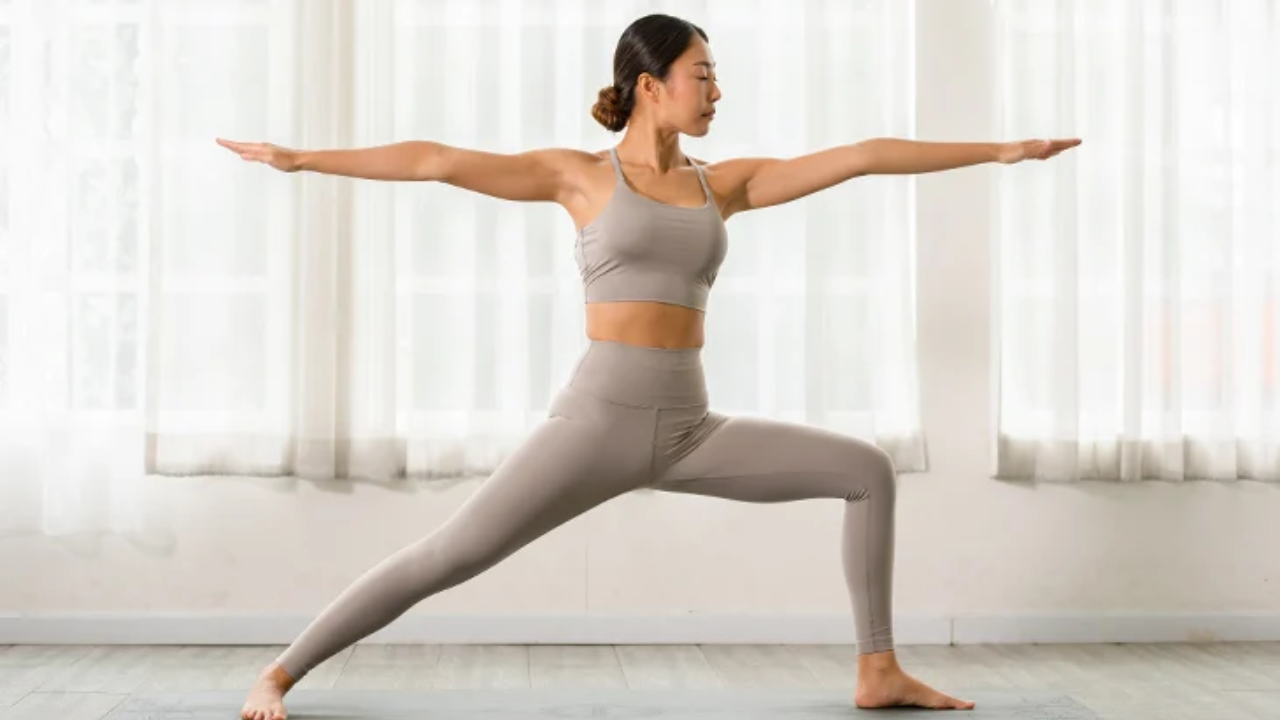
- Best Poses: Sun Salutations, Warrior 1 and 2, Cobra Pose. These energizing poses increase blood flow, improve breathing, and activate the body's natural energy systems.
- Best Pranayama: Kapalabhati (Skull Shining Breath) — fast forceful exhales through the nose. This clears mental fog, increases oxygen to the brain, and boosts energy immediately.
- Tip: Combine yoga with morning sunlight. Sunlight directly increases serotonin and vitamin D — both essential for mood and emotional energy.
What to Expect: Week-by-Week Changes
When you commit to daily mental detox yoga — even for just 30 minutes — the changes come faster than you expect. Here is what happens inside your mind and body, week by week.
Your Transformation Timeline
- Days 1 to 3: You feel calmer during and immediately after yoga. Sleep improves slightly. You may notice more emotions coming up — old feelings surfacing. This is the detox starting. It is a good sign. Do not stop.
- Week 1: Breathing feels easier. Morning anxiety is less intense. You have small moments of real peace during the day. Mind is still busy, but there are gaps now — moments of quiet between thoughts.
- Week 2: Sleep becomes noticeably deeper. You wake up feeling more rested. Emotional reactions feel less extreme. You start to catch yourself before reacting with stress or anger. A feeling of quiet inner strength is developing.
- Week 3: Overthinking reduces significantly. You can focus better. Old worries feel smaller and less important. People around you may notice you seem calmer and happier. Your body feels lighter — like a weight has been lifted.
- Week 4: A clear shift in your emotional baseline. You are no longer starting each day in stress mode. Challenges still happen — but they do not knock you over the way they used to. You feel emotionally resilient. This is the mental detox working from the inside out.
- Month 2 and Beyond: Anxiety and overthinking are no longer your default state. You have new tools and a new relationship with your mind. Emotional healing of deeper wounds continues. Life begins to feel more joyful, more present, and more meaningful.
These changes are not magic. They are the result of consistent, gentle work on the mind and body every single day. Yoga does not remove the problems in your life. It changes how you relate to them — and that changes everything.
Conclusion
Stress, anxiety, and overthinking are not permanent. They are patterns — and patterns can be changed. You do not need expensive therapy, medication, or complicated techniques. You need a yoga mat, 30 quiet minutes, and the willingness to show up for yourself every day.
Start small. Do Child's Pose tonight. Try Bhramari breathing for 5 minutes in the morning. Write 3 things you are grateful for before bed. These small actions compound into massive change over weeks and months. Your mind wants to heal. Your body knows how. Yoga is simply the bridge between where you are now and where you want to be.
At Adishesh Yoga in Rishikesh, we guide students through complete mental and emotional detox programs — combining traditional yoga, pranayama, Yoga Nidra, and Ayurvedic lifestyle practices. Whether you visit us in Rishikesh or practice at home — this guide is your starting point. Begin today. A calmer, clearer, and lighter mind is waiting for you on the other side of this practice.