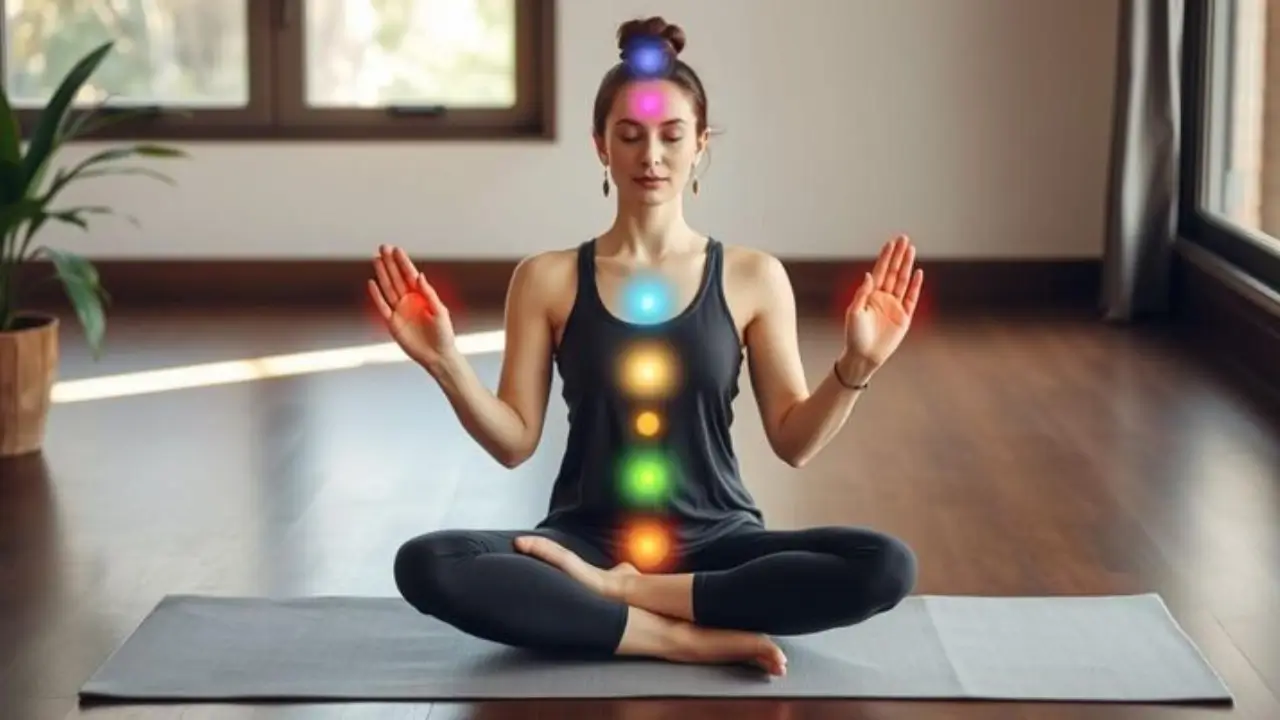
Introduction to Meditation for Stress
In our hectic world, stress creeps in from work, family, and endless to-dos. It drains energy and clouds the mind. Meditation offers a simple, natural escape. This ancient practice, now science-proven, helps reduce stress by calming the nervous system and fostering clarity. Whether you're a beginner or looking to deepen your routine, this guide explores how meditation works for stress relief. We'll cover the basics, key benefits, easy techniques, and tips to make it stick. Discover mindfulness meditation, breathing exercises, and more to build emotional balance and wellness. Start small, and watch tension melt away.
What Is Meditation?
Meditation is a mental exercise to train awareness and focus. It involves sitting quietly, observing your breath or thoughts, and gently redirecting when the mind wanders. Far from "emptying the mind," it's about non-judgmental presence. Rooted in traditions like yoga and Buddhism, modern meditation adapts for daily stress relief. Regular practice rewires habits, turning reactive stress into calm responses. It's accessible—anyone can start with 5 minutes a day.
Mind-Body Link
Meditation bridges mind and body, activating the relaxation response. This counters the fight-or-flight mode triggered by stress. Heart rate slows, muscles unwind, and cortisol—the stress hormone—drops. Over time, it improves sleep, boosts immunity, and enhances focus. Think of it as a reset button for your entire system, promoting holistic wellness through consistent, mindful moments.
Types for Stress
- Mindfulness: Watch thoughts arise and pass; ideal for anxiety reduction.
- Guided: Audio-led sessions with visualizations; great for beginners building confidence.
- Loving-Kindness: Cultivate compassion to ease self-criticism and relational tension.
- Body Scan: Progressively relax body parts; targets physical stress buildup.
- Transcendental: Use a mantra for effortless deep rest; suits those seeking quick calm.
Science of Meditation and Stress
Science confirms meditation's power against stress. Neuroimaging shows it thickens brain areas for emotion control while shrinking the amygdala, the fear hub. This leads to less reactivity and more resilience. Studies from Harvard and beyond link 8 weeks of practice to measurable brain shifts, proving it's not just feel-good—it's transformative.
Brain Changes
Meditation boosts prefrontal cortex activity for better decisions and empathy. It quiets the default mode network, curbing rumination that fuels anxiety. fMRI scans reveal increased connectivity between regions, enhancing overall mental agility and stress handling.
Cortisol Drop
Chronic cortisol harms health, from weight gain to weakened immunity. Meditation lowers it by 20-30% with daily use, per research in Psychoneuroendocrinology. This breaks the stress loop, improving mood, sleep, and vitality. It's a natural antidote, rivaling therapy for mild cases.
Benefits of Meditation
Meditation's perks go beyond instant calm, touching every life area. Short sessions yield quick relief; consistency unlocks deeper wellness. It's a cornerstone for emotional balance, backed by thousands turning to it for sustainable stress management.
Quick Wins
- Tension Release: Muscles loosen, easing headaches and knots in minutes.
- Deep Breath: Activates parasympathetic system for instant safety signals.
- Clear Mind: Dissipates fog, sharpening concentration for tasks ahead.
- Mood Lift: Sparks serotonin and dopamine for natural uplift.
- Less React: Pauses knee-jerk responses, fostering thoughtful interactions.
Long-Term Mental
Builds lasting resilience against anxiety and depression. Improves sleep by quieting racing thoughts, enhances relationships through empathy, and heightens self-awareness for proactive choices. Many report 30% anxiety drops after months.
Physical Perks
Reduces blood pressure, strengthens immunity against illnesses, curbs inflammation linked to chronic issues, aids digestion by relaxing the gut, and even slows aging via telomere protection. It's a full-body tune-up.
Beginner Meditation Methods
No experience? No problem. These methods are simple, requiring just a quiet spot and intention. Start with guided apps if solo feels tough. Aim for daily practice to see stress melt.
Breath Focus
Sit comfortably, eyes closed. Inhale for 4 counts, hold 4, exhale 4. Notice the air's flow. If distracted, gently return. This anchors you in now, cutting worry cycles. Build to 10 minutes for deeper relief.
Body Scan
Lie flat, start at toes: Tense, hold, release. Move up slowly, noting sensations. This uncovers hidden tension, promoting full-body unwind. Perfect evening ritual for better rest.
Mindful Thoughts
Breathe steadily, label thoughts: "Worry" or "Plan." Don't engage—let clouds drift. This detaches from stress spirals, building mental space. Journal post-session for insights.
Guided Sessions
Follow voice-guided tracks on Headspace or Calm. Themes like "Stress Release" include stories and prompts. Ideal for consistency—set reminders. Free YouTube options abound for variety.
Daily Meditation Routines
Morning Start
Rise, sit for 5-10 minutes of breath work. Affirm: "I meet today with ease." This primes positivity, buffering daily pressures before they build.
Midday Reset
At lunch, do 4-7-8 breathing: In 4, hold 7, out 8. Repeat 4 times. Quick circuit-breaker for work stress, restoring focus without caffeine.
Evening Close
Pre-bed, 15-minute scan plus three gratitudes. Winds down racing mind, improving sleep quality and next-day energy.
Mindfulness for Emotional Balance
Mindfulness meditation teaches emotion observation, not suppression. This creates pause, turning triggers into opportunities for growth. Over time, it fosters steady inner peace amid chaos.
Cut Reactivity
Stress sparks auto-reactions like snapping or withdrawing. Mindfulness notes: "Anger rising." This gap allows wise choices, reducing regret and conflict.
Build Resilience
Practice spots patterns early, accepts discomfort, and rebounds faster. Like emotional gym, it strengthens tolerance for life's ups and downs.
Self-Kindness
Replace harsh inner voice with gentle: "This is hard, but I'm trying." Cuts self-stress, boosting compassion for self and others.
Fix Common Hurdles
Busy Mind
Normal—thoughts are training wheels. Label and redirect; progress is in returns, not perfection. Shorten sessions if overwhelming.
No Time
Integrate: Breathe while commuting or waiting. 2 minutes compounds—better brief than absent.
More Worry or Sleepy
For anxiety, try walking mindfulness. Sleepiness? Energize with eyes open or morning slots. Adjust to fit your rhythm.
Build Your Practice
Space Setup
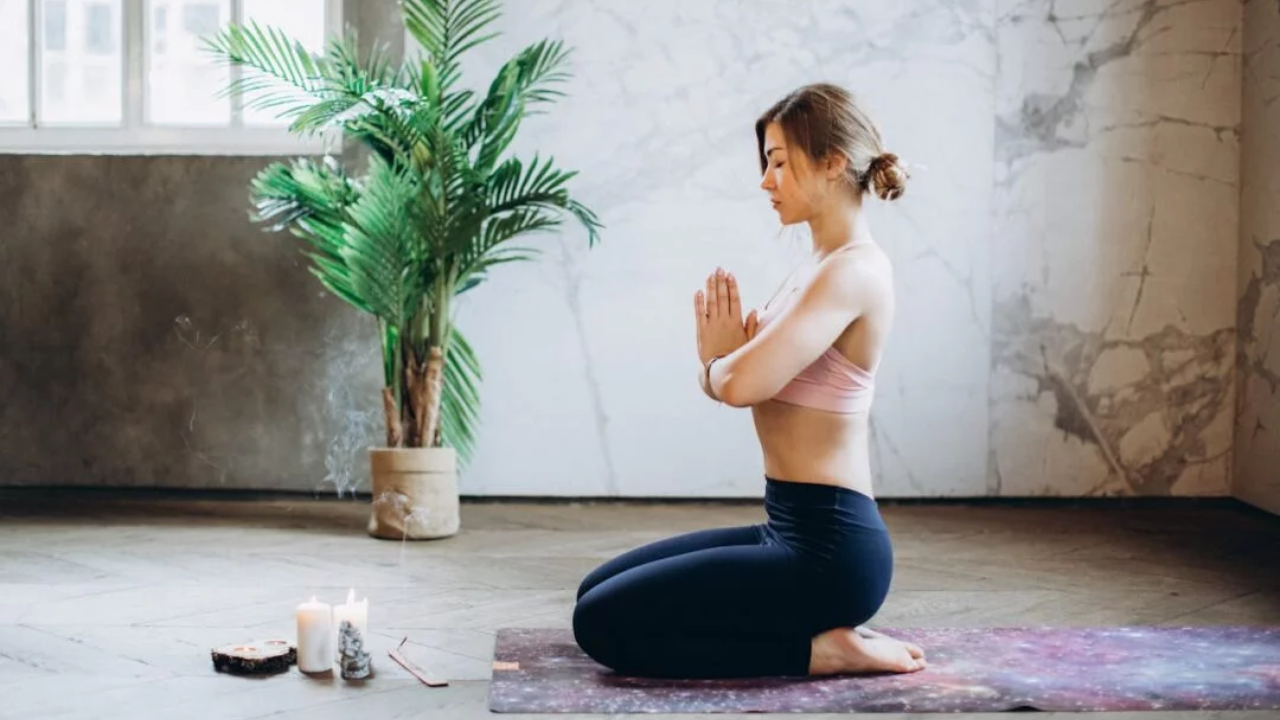
Dedicate a cozy nook: Soft light, cushion, plants. Mute distractions—make it inviting for return.
Habit Steps
Week 1: 5 minutes breath. Add variety weekly. By month 2, explore classes for community and depth.
Track Wins
Log sessions: What felt good? Shifts in stress? Celebrate streaks to fuel motivation.
Pair With Other Habits
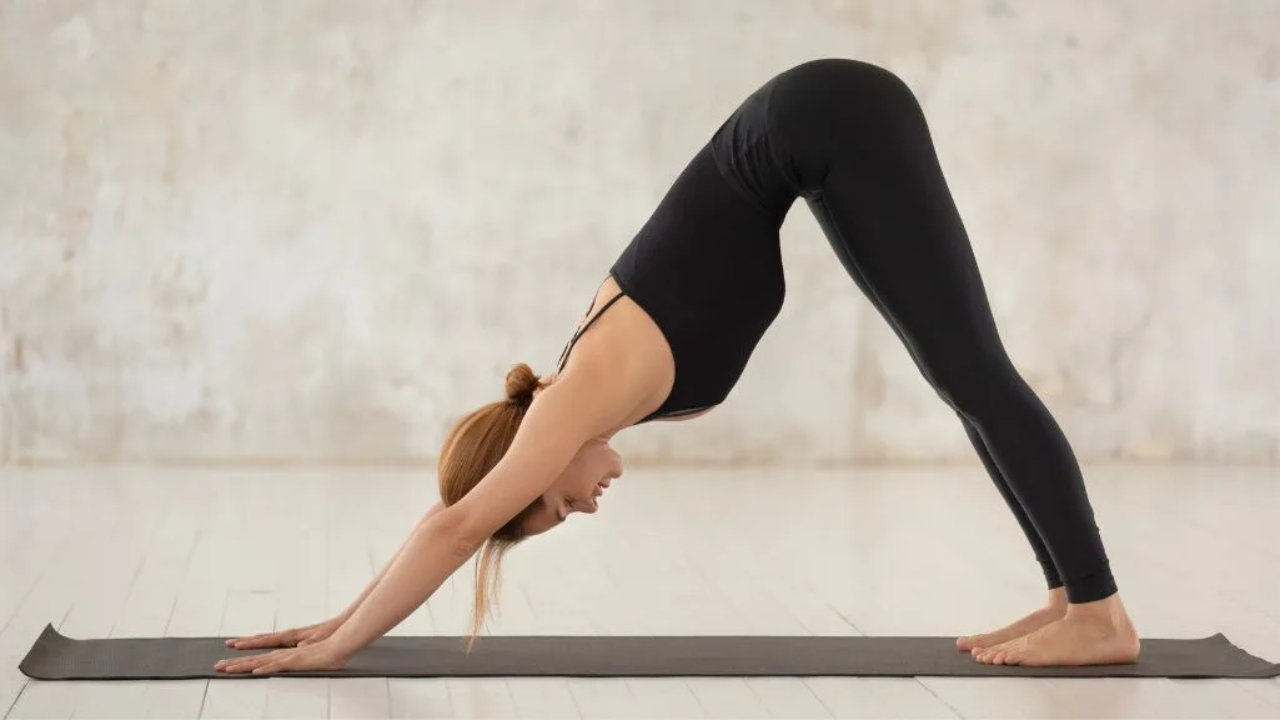
Amplify effects: Flow into yoga for body-mind sync, walk in nature for grounding, eat mindfully to curb emotional eating, or pair with journaling for reflection. Even short sleep hygiene boosts amplify calm.
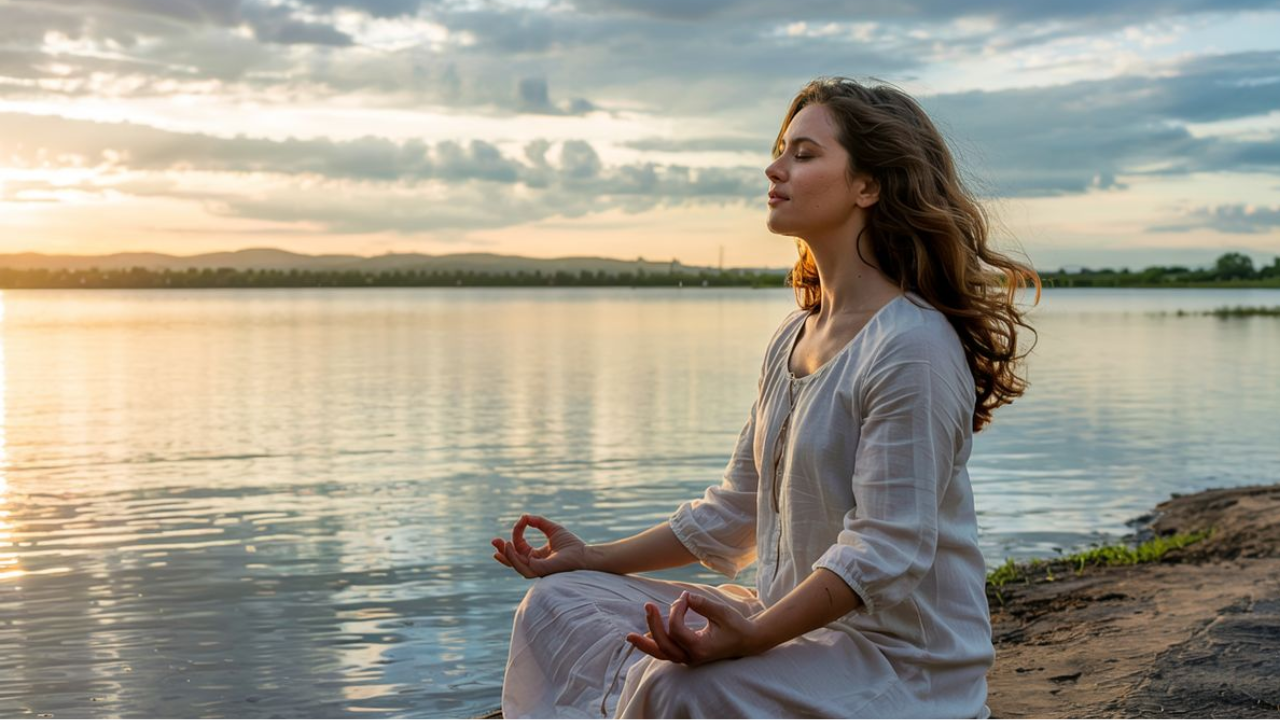
Long-Term Changes
Sustained practice yields profound shifts: Deeper life joy, laser focus, robust health, meaningful bonds, and spiritual insight. Stress becomes manageable, not defining—unlocking your fullest potential.
Conclusion: Start Calm Now
Meditation demystifies stress relief—it's simple, effective, and yours to claim. Science and stories alike show it transforms overwhelm into ease. Begin with one breath today; consistency weaves calm into your core. Your peaceful path awaits—step in gently.